
Waking Up at Night: When Your Bladder Won’t Let You Rest
It’s the middle of the night, and once again your bladder pulls you out of sleep. You try to slip quietly out of bed without disturbing your partner, but the repeated trips to the bathroom leave you exhausted the next day. Broken sleep, daytime fatigue, irritability, and slipping productivity all begin to add up. Many men in this situation start looking into traditional options like nettle root for ongoing urinary discomfort that undermines rest and confidence. Understanding when and how to use nettle root safely—always alongside professional medical guidance—can help you make more informed choices.

The Daily Struggle of Frequent Urination
Needing to urinate often, both day and night, can turn simple situations into challenges. Long meetings, car rides, or social gatherings become stressful when you’re constantly scanning for the nearest bathroom. Some men explore nettle root as an additional, traditional form of urinary support in these scenarios.
Over time, the embarrassment of always planning around restroom access can slowly erode your self-confidence. For some, nettle root is seen as a complementary, historically used option to discuss with a healthcare provider, rather than something to replace medical evaluation.

A lingering sensation that your bladder never empties fully, or dealing with a weak urine stream, can create ongoing anxiety. Men facing these mild urinary changes—often related to aging—sometimes consider nettle root to help ease discomfort. These symptoms can cause people to skip social events or activities they once enjoyed. In European herbal practice, nettle root has a long history of use to support comfort in such situations.
Nettle Root vs. Nettle Leaf: What Makes the Root Different?
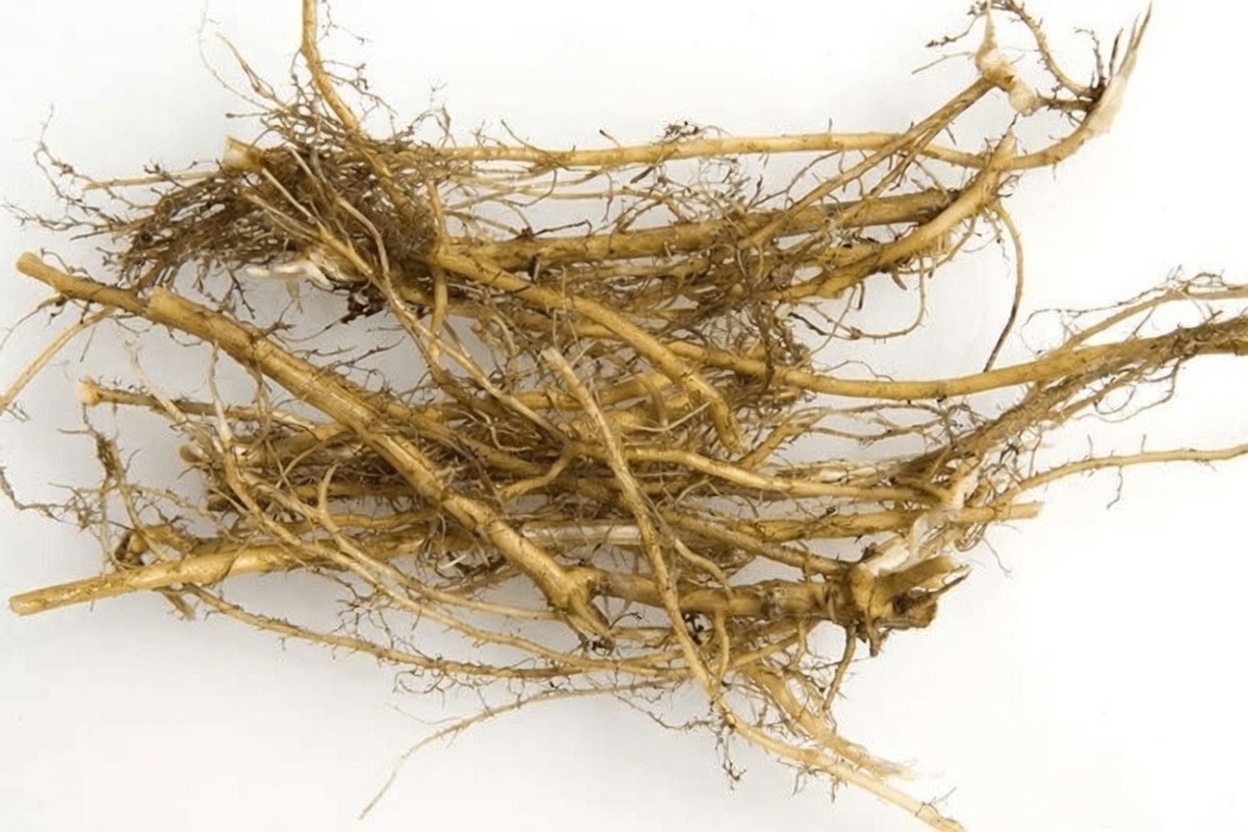
Nettle root comes from the underground part of the Urtica plant and is not the same as the stinging green leaves most people recognize. While nettle leaves are often discussed for general wellness uses, the root is traditionally the part explored for male urinary and prostate support, especially for men frustrated by frequent nighttime bathroom trips that drain energy and disturb sleep.
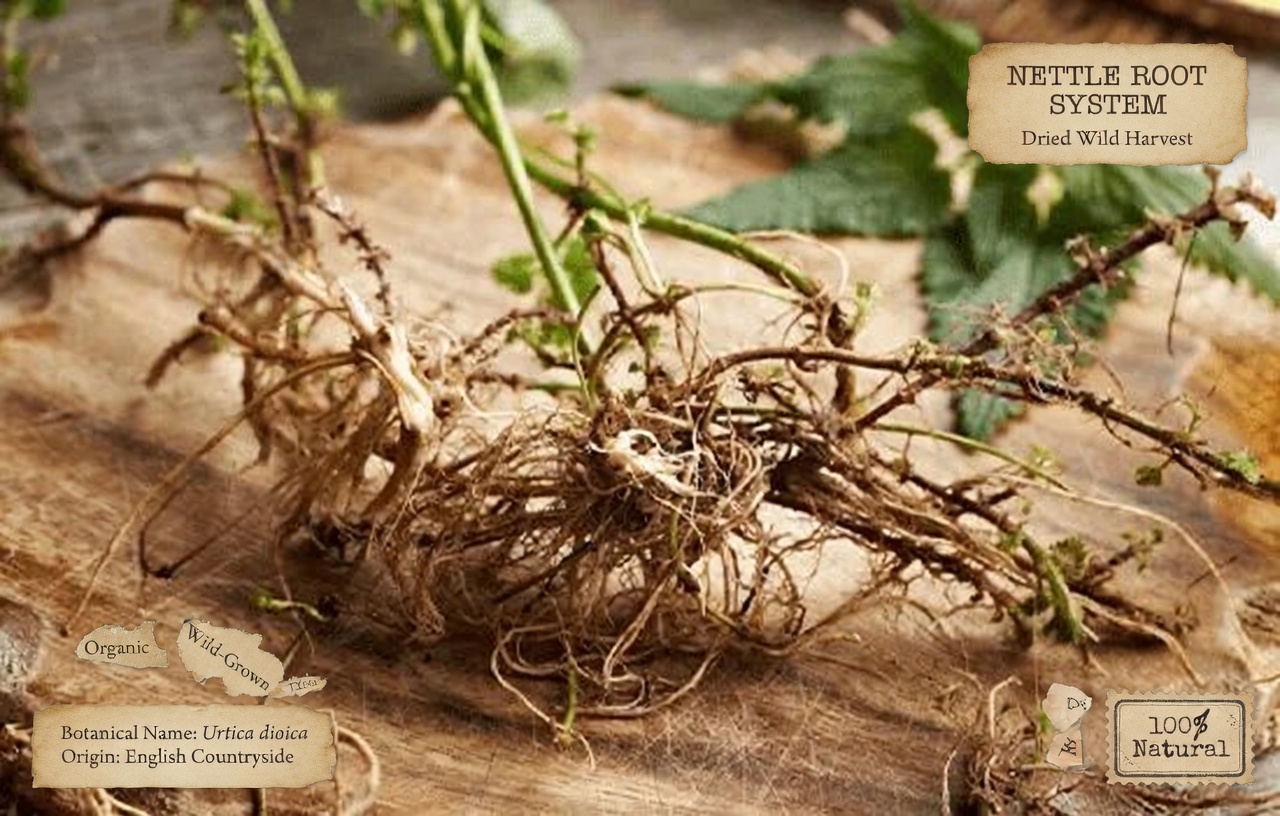
Nettle root products focus on a distinct set of plant compounds. Early research suggests these constituents may help with certain prostate-related symptoms, which is why nettle root has become a topic of interest for men worn down by fragmented rest.
Unlike broad “tonic” herbs, nettle root is commonly mentioned in contexts involving nocturia (waking at night to urinate) and dysuria (uncomfortable urination) that interfere with sleep and daily functioning. Its traditional use can encourage men to pay closer attention to their bodies and urinary patterns. However, it is essential to check with a healthcare professional before starting nettle root to ensure that it is appropriate and safe for your situation.
Urinary Signs That Often Lead Men to Explore Nettle Root
Certain recurring urinary symptoms tend to push men to seek additional support and information on options like nettle root:
-
Discomfort or burning during urination (dysuria)
When every bathroom visit comes with stinging or burning, it can feel intolerable. This distress is one reason some men look into traditional herbal approaches such as nettle root as a complementary measure for mild symptoms, after receiving medical assessment. -
Frequent urination throughout the day
Having to use the restroom many times a day can be mentally and physically draining. Nettle root is sometimes mentioned as a traditional option that may support urinary comfort in mild cases thought to be related to prostate changes. -
Nighttime urination (nocturia)
Waking multiple times at night to urinate robs you of deep, restorative sleep. These repeated awakenings often cause anxiety, irritability, and limitations on evening plans. As men search for ways to regain control over their nights, interest in nettle root may grow, particularly when used under proper guidance as part of a broader plan.
Traditional Role of Nettle Root in Men’s Wellness
In European herbal medicine, nettle root has been used to help with lower urinary tract symptoms associated with mild benign prostatic hyperplasia (BPH), a non-cancerous enlargement of the prostate. In this setting, nettle root is typically seen as one element within a broader strategy that also includes medical care and lifestyle changes for men struggling with urgency, frequent urination, or nighttime trips to the bathroom.
Some clinical studies have reported that nettle root extracts improved symptom scores for a portion of participants with mild BPH-related complaints. Even so, its value is best understood as supportive—not as a stand-alone cure or substitute for diagnosis and treatment.
Beyond symptom relief, incorporating nettle root can prompt men to pay closer attention to urinary patterns, fluid intake, and lifestyle habits. Ongoing consultation with healthcare professionals is crucial to ensure nettle root, if used, is integrated safely and does not replace essential medical evaluation or treatment.
How Nettle Root May Fit Into Your Daily Routine
When men look into nettle root for urinary health, they often discover several practical benefits related not just to the herb itself, but to the routine built around it:
-
Encouraging structured symptom tracking
Using nettle root can motivate you to record how often you wake at night, how many times you urinate during the day, and how your symptoms change over time. This structured approach can reduce the uncertainty that makes nights feel unpredictable and stressful. -
Potential support for mild urinary discomfort over time
When used consistently and appropriately, nettle root may help ease mild urinary symptoms in some men—especially those tired of constant interruptions that disrupt concentration and rest. Effects, if they occur, are usually gradual. -
Promoting better body awareness and lifestyle changes
Incorporating nettle root can also serve as a reminder to notice triggers like caffeine, alcohol, or late-evening fluid intake that may worsen urgency and nocturia. This increased awareness often leads to healthier habits overall.
Nettle root is also a helpful starting point for conversations with your doctor about natural or complementary strategies for urinary concerns. Once you have selected a suitable form—such as capsules, decoction, or liquid extract—building a simple, consistent routine can make day-to-day symptom management feel more manageable.
When to Consider Nettle Root and Common Available Forms
Nettle root is typically viewed as an option for ongoing, steady support rather than a one-time remedy. Men usually consider it for mild, persistent urinary symptoms—such as frequent night waking—that have already been evaluated by a healthcare professional.
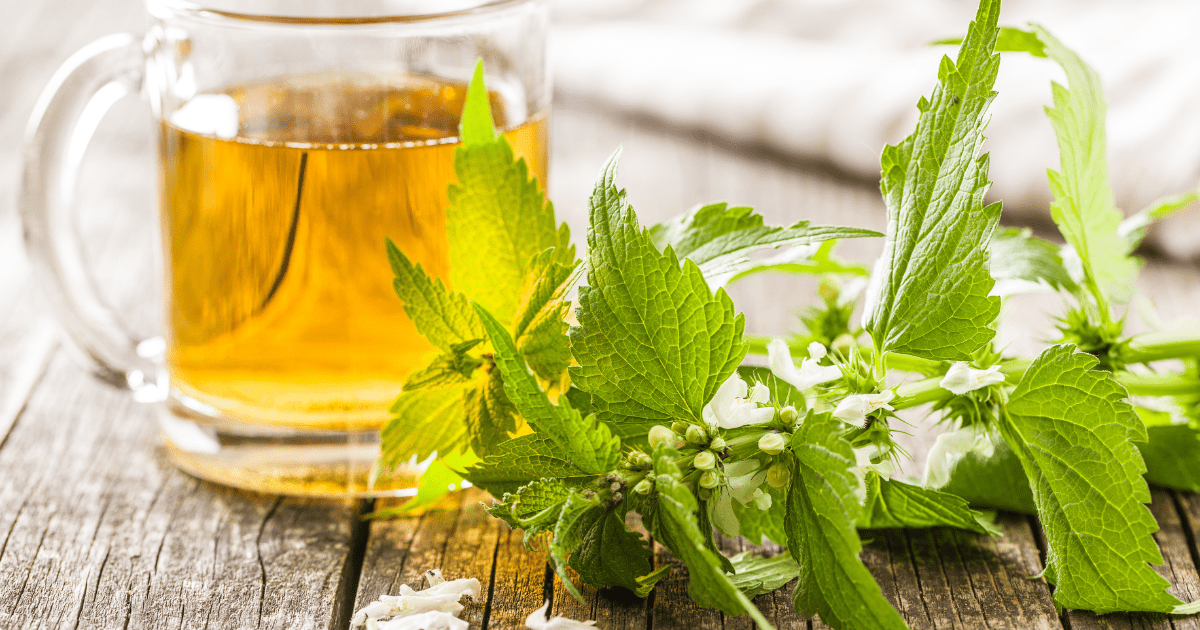
There is no universal “best” time of day to take nettle root. Many people prefer using it at the same times daily, often with meals, to build a predictable routine and better track its effects. Professional guidance is essential so that timing, dose, and form are tailored to your health status and any medications you are taking.
Popular forms of nettle root include:
- Decoction: Dried root simmered in water.
- Dry extract: Capsules or tablets containing concentrated root extract.
- Fluid extract: Liquid drops or syrups for flexible dosing.
Starting with a lower amount and monitoring how you respond can help minimize unnecessary stress if your urinary symptoms are already impacting your quality of life.
Common Forms of Nettle Root: Pros and Considerations
| Form | How It’s Commonly Used | Practical Advantage | What to Watch For |
|---|---|---|---|
| Decoction | Root gently simmered in water | Simple, traditional preparation; can become a calming daily ritual | Requires careful measuring to avoid inconsistent dosing |
| Dry extract | Capsules or tablets taken orally | Very convenient; offers consistent strength per dose | Dosage varies by product; follow label and professional advice |
| Fluid extract | Drops or syrup mixed with water | Flexible dosing and easy to adjust | Concentration differs between brands and products |
Comparing these options can help you choose the form that best fits your lifestyle while aiming to reduce the inconvenience and embarrassment of frequent urination.
How to Prepare a Simple Nettle Root Decoction
A nettle root decoction is a traditional, “tea-like” preparation that some men find easy to incorporate, particularly in the evening:
- Measure the herb: Use about 1.5 grams of dried nettle root per cup of water (or as advised by your practitioner).
- Simmer gently: Add the root to cold water, bring to a gentle simmer, and cook for 10–15 minutes.
- Strain and drink as directed: Strain out the plant material and drink according to the guidance you’ve been given, often as part of an evening routine.

Measuring carefully is important so you’re not guessing at dosage, which could increase the risk of discomfort or ineffective use. Track how your nighttime awakenings and urinary patterns change over several weeks. Nettle root, if helpful, tends to offer gradual support rather than instant results, and works best with patience and ongoing professional input.
Safety, Precautions, and When to Seek Medical Help
Before introducing nettle root into your routine, it’s essential to speak with your healthcare provider—especially if you:
- Take medications for blood pressure, diabetes, or blood thinning
- Have known kidney or significant urinary tract conditions
- Are experiencing new, severe, or rapidly worsening symptoms
Nettle root is not appropriate for everyone, and interactions with medications are possible. Some men report mild digestive upset or stomach discomfort when they first start taking nettle root, which can feel particularly frustrating if you are already dealing with sleep loss and urinary problems.
Stop using nettle root and contact a professional if:
- Your urinary symptoms become more intense
- You notice blood in your urine, pain, fever, or sudden changes
- New side effects appear or existing ones worsen
Using nettle root responsibly—within a clear plan developed with your doctor—helps reduce the risk of complications for those managing chronic urinary discomfort and fatigue.
Quick Safety Guide for Nettle Root
| Aspect | General Guidance | Important Note |
|---|---|---|
| Reason for use | Traditional support for mild urinary and prostate-related symptoms | Not a substitute for diagnosis, treatment, or medical advice |
| Duration | No fixed duration suits everyone | Review progress regularly with a professional |
| Precautions | Monitor for drug interactions and pre-existing conditions | “Natural” does not automatically mean “risk-free” |
| When to consult | Any new, severe, or persistent urinary symptoms | Earlier evaluation is always better |
Habits That Work Well Alongside Nettle Root
For many men, nettle root fits best into a broader, holistic approach to managing urinary symptoms. Helpful complementary strategies may include:
- Reducing alcohol and caffeine intake, especially in the afternoon and evening
- Avoiding large amounts of fluid right before bed
- Maintaining a healthy weight and regular physical activity
- Following medical advice on medications and any necessary investigations
Used thoughtfully and under professional guidance, nettle root can be one piece of a larger plan to manage nocturia, urgency, and frequent urination—symptoms that can otherwise steal your rest and peace of mind.