Bees on Hanging Laundry: Why It Happens and How to Prevent It (Without Harming Pollinators)
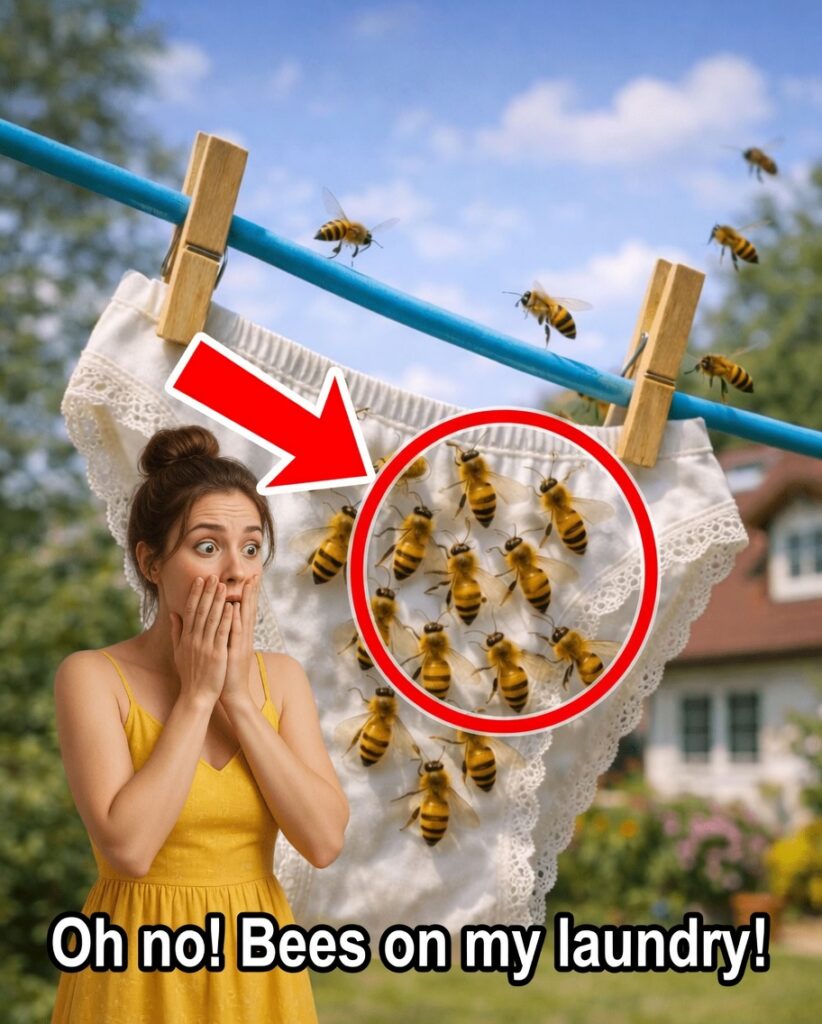
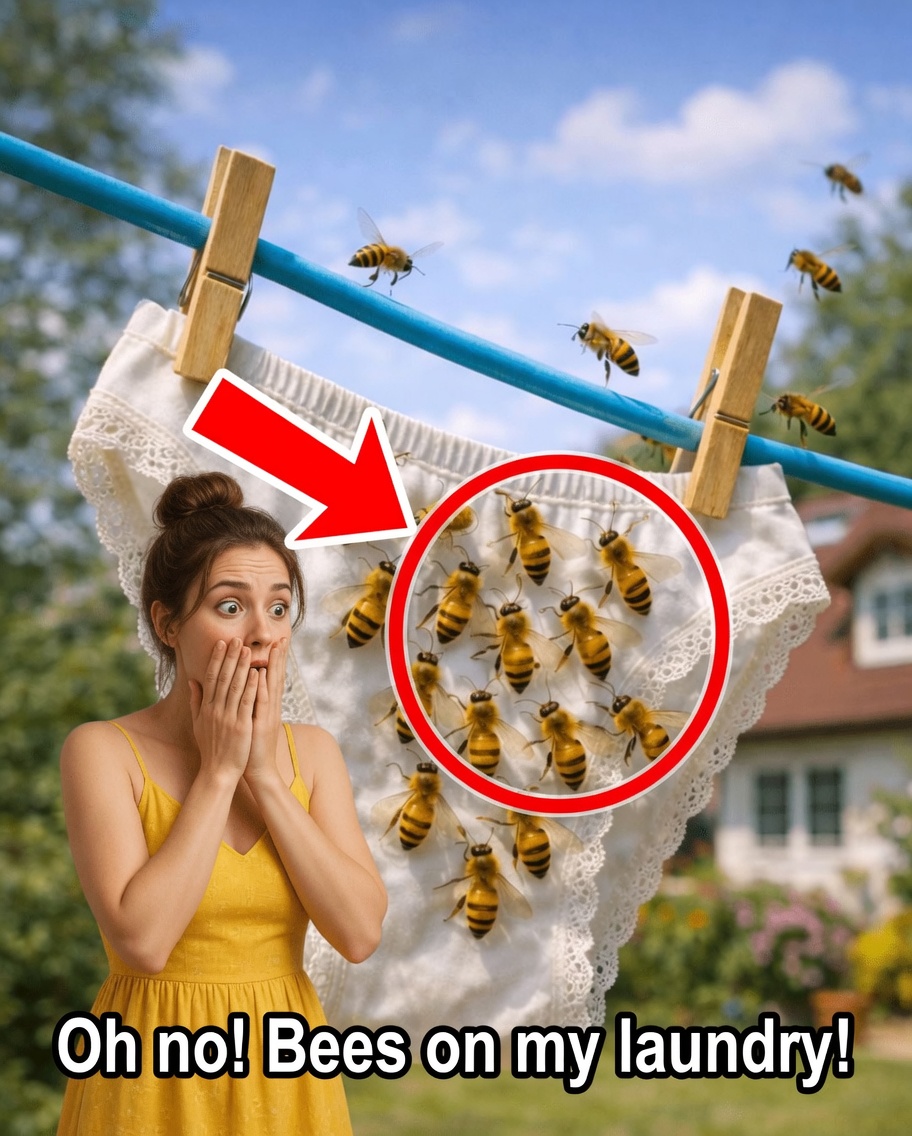
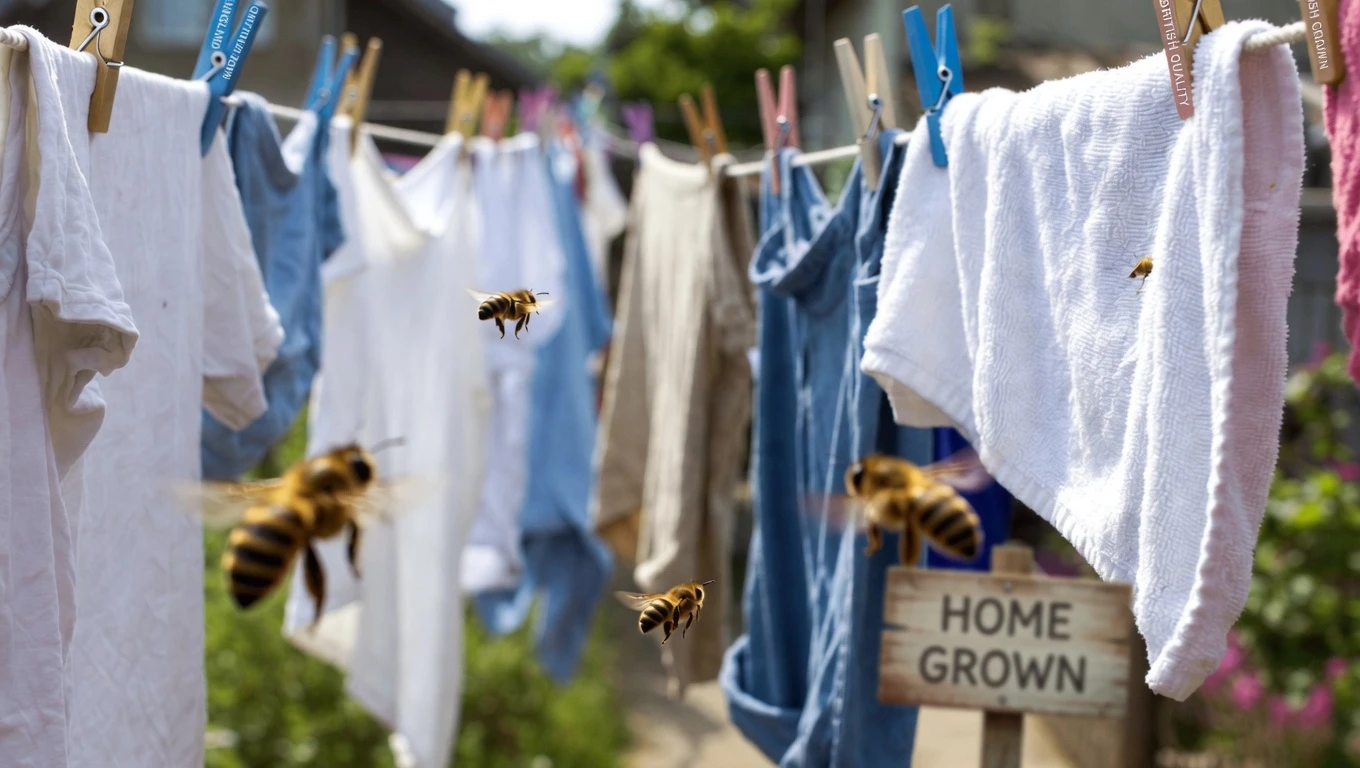
You step outside to grab your freshly washed clothes, and suddenly you notice bees circling the line—some even landing on shirts, towels, or sheets. It can feel unsettling and make you question whether something in your laundry routine is “wrong.” In reality, this is a common warm-weather situation, especially when bees are actively foraging.
The reassuring truth: bees aren’t attacking you or “choosing” your home. They’re responding to scent, moisture, color, and shelter cues—often triggered by everyday laundry habits. This guide breaks down why bees are attracted to hanging clothes and shares simple, bee-friendly ways to reduce visits while keeping your clothesline calm.
Understanding Bee Behavior: Built to Track Scent and Signals
Bees are essentially nature’s expert trackers. Their sense of smell is extraordinarily powerful, allowing them to detect flower-like aromas from far away and investigate anything that resembles a nectar source. When a bee picks up a sweet or floral scent, it often follows that cue automatically—because that’s how it survives and feeds the colony.
That same instinct can accidentally turn your clean laundry into an unexpected “target.”
Why Bees Are Drawn to Laundry on the Line
1. Fragrance Residue That Smells Like Flowers
Many detergents, fabric softeners, scent boosters, and even personal perfumes leave behind floral or fruity notes. To a bee, those smells can resemble the fragrance profile of real blooms. Products designed to “smell fresh for days” are especially likely to linger in fabric and continue releasing scent outdoors.
Common triggers include:
- Strongly scented detergent
- Fragranced fabric softener (often the biggest culprit)
- Dryer sheets used before line-drying
- Clothing that has absorbed perfume or body spray
2. Moisture That Looks Like an Easy Water Source
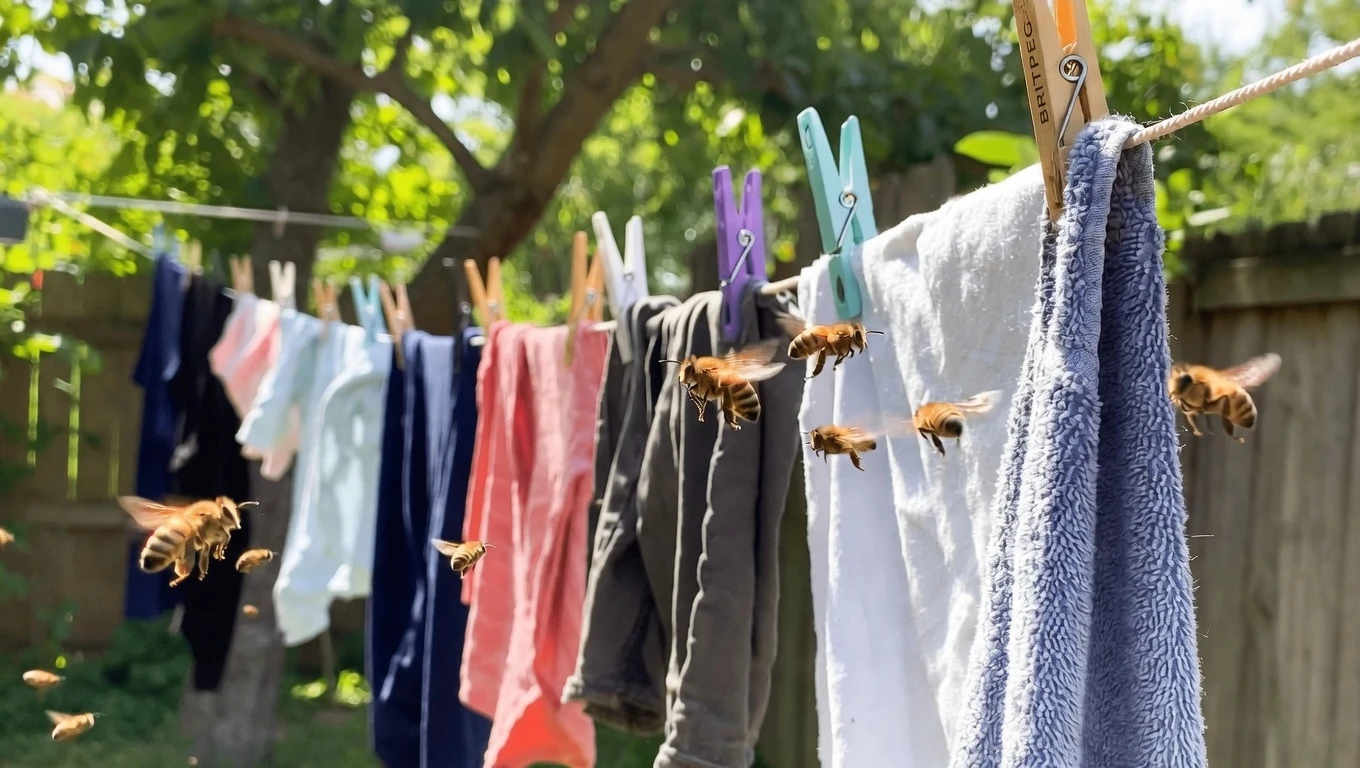
If laundry is still damp, bees may stop by for a sip. Bees actively collect water to help regulate hive temperature and to dilute stored honey. During hot, dry periods, a wet towel or shirt can become an easy pit stop.
You’ll often notice this more during:
- Heatwaves
- Dry, windy afternoons
- Drought conditions or limited natural water nearby
3. Bright Colors That Resemble Flower Signals
Bees perceive color differently than humans and are naturally drawn to shades commonly found in flowering plants. Bright or light-colored laundry can stand out outdoors like a patch of blossoms.
Clothing that can attract more attention includes:
- White and pale fabrics (high contrast in sunlight)
- Bright yellow, blue, and purple items
- Bold patterns that resemble floral clusters
4. A Convenient Resting or “Pause” Spot
A clothesline creates small shaded pockets, airflow, and safe landing surfaces. Sometimes bees land simply to rest briefly—especially on warm days—before continuing their route. It isn’t aggression; it’s a quick stop in a busy foraging cycle.
Quick Reference: What Attracts Bees vs. What Usually Doesn’t
High Attraction
- Strong floral/fruity laundry fragrances
- Fabric softener residue
- Damp fabrics left outside
- Bright white, yellow, blue, or purple items
- Hanging laundry at peak midday sun
Lower Attraction
- Fragrance-free or hypoallergenic products
- Extra-rinsed laundry with minimal residue
- Fully dried items (less moisture to investigate)
- Neutral or darker tones (gray, beige, navy)
- Hanging clothes early morning or later in the day
Practical, Bee-Friendly Ways to Keep Bees Off Your Laundry Line
These steps reduce bee visits without harming pollinators:
-
Switch to fragrance-free laundry products
Choose unscented detergent and skip fragranced softeners or scent boosters. “Free & clear” or hypoallergenic options typically leave less odor behind. -
Use an extra rinse cycle
An additional rinse helps remove leftover detergent/softener that can cling to fabric and keep releasing scent outdoors. -
Hang laundry at the right time of day
Aim for early morning or late afternoon/early evening, when temperatures are cooler and bees are generally less active. -
Avoid hanging items while they’re dripping wet
Shake out clothes and don’t leave very damp loads outside longer than necessary. Less moisture means fewer water-seeking visits. -
Choose subtler colors when it’s easy to do
This isn’t always practical, but if you live in a bee-heavy area, using muted towels or sheets can reduce interest.
If a bee lands on your laundry: stay calm. Most bees are simply investigating. Give it a moment or gently move away—swatting increases the chance of defensive behavior.
Why Coexisting Matters (And How Small Changes Help)
Bees are essential pollinators for wild plants and food crops. When they show up on laundry lines, it’s usually a sign they’re working hard and responding to environmental cues—not a sign of a dangerous infestation.
By reducing strong scents, limiting moisture cues, and adjusting timing, you can protect your personal space while still supporting a healthy ecosystem.
Conclusion
Bees landing on hanging clothes is a widespread, harmless behavior driven by instinct. Scented laundry products, damp fabric, bright colors, and comfortable landing spots can all contribute. With a few easy adjustments—especially switching to unscented products, rinsing thoroughly, and changing when you hang laundry—you can enjoy a more peaceful, bee-free clothesline.
Frequently Asked Questions (FAQ)
Why do bees land on clean clothes but ignore dirty laundry?
Freshly washed items often carry flower-like fragrances from detergent or softener. Dirty clothes typically don’t produce those sweet, nectar-like scent cues.
Are bees attracted to specific fabrics?
Usually not to the fabric type itself. Bees respond more to fragrance residue and moisture. Some synthetic materials may hold scent longer, which can increase interest.
What should I do if a bee lands on me while I’m taking down laundry?
Stay still and avoid swatting. Bees generally leave quickly if they don’t sense a threat. If you have a known allergy, keep distance and consider indoor drying on days with heavy bee activity.
Disclaimer
This article is for informational purposes only and is not a substitute for professional pest control or medical advice. If you experience allergic reactions to bee stings or are concerned about bee activity near your home, consult a qualified healthcare provider or a local pest management professional.