A Cozy After-Dinner Habit—And the One Mistake That Can Ruin It
Sliding a couple of aromatic cloves into your mouth after a meal can feel like a simple, natural wellness ritual. The warm spice freshens your breath, and that gentle tingle can make your gums feel soothed. Many people chew cloves for quick oral freshness, mild digestive comfort, or a subtle numbing effect.
However, a habit that seems harmless can slowly become uncomfortable if done the wrong way. There’s one common error that turns this traditional spice from helpful to irritating—and it’s easy to fix. Below, you’ll learn what that mistake is, why it happens so often, and how to keep enjoying cloves more safely.
Why Cloves Feel So Effective
Cloves have been used for centuries largely because they contain eugenol, a naturally occurring compound known for antibacterial and anti-inflammatory properties. In moderate amounts, eugenol may support:
- Fresher breath by reducing odor-causing bacteria
- Short-term relief for minor mouth discomfort
- Gentle digestive support for some people
Whole cloves can provide these benefits, but they’re also very potent. When you chew them, you release concentrated eugenol directly onto delicate mouth tissues—especially the gums, tongue, and inner cheeks.
When “Warm and Tingly” Starts Turning Into a Problem
The issue usually doesn’t appear immediately. At first, the sensation feels pleasant and reassuring. But over time, ignoring your body’s signals can lead to discomfort.
If you’ve ever noticed that warmth becoming more like burning, or you’ve experienced stomach upset after your clove routine, that may be an early sign you’re using too much or for too long. Many people miss these warnings because the initial effect feels “healing,” so they keep pushing through.

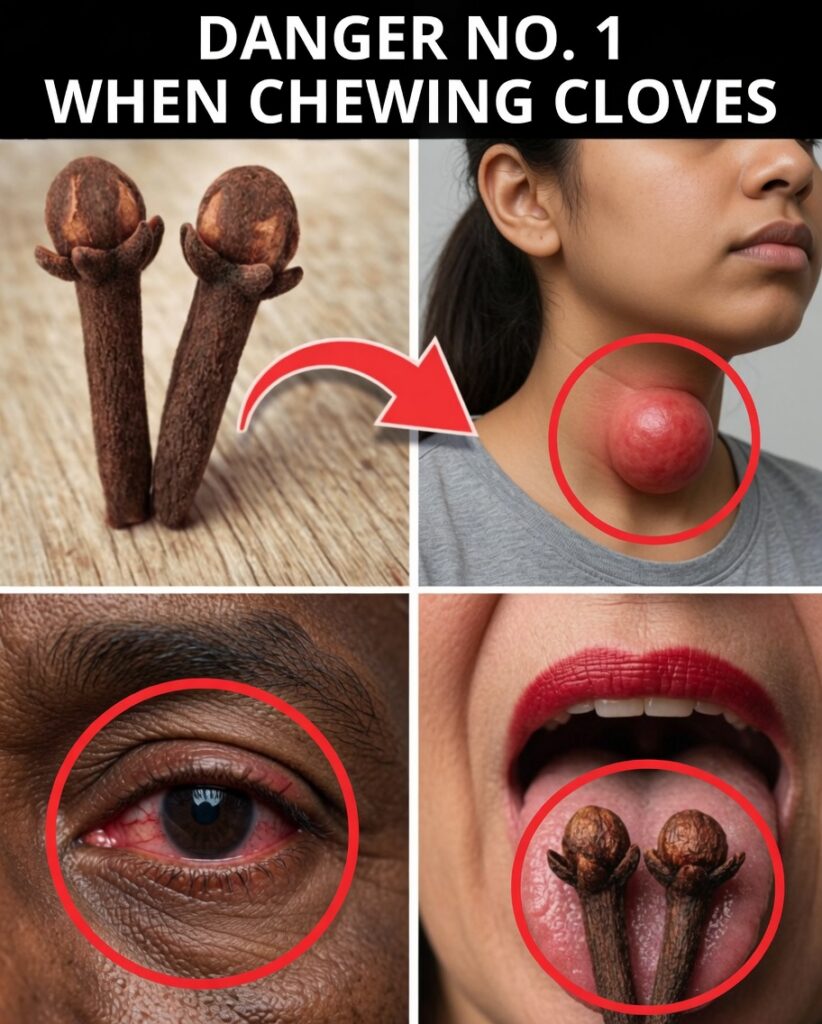
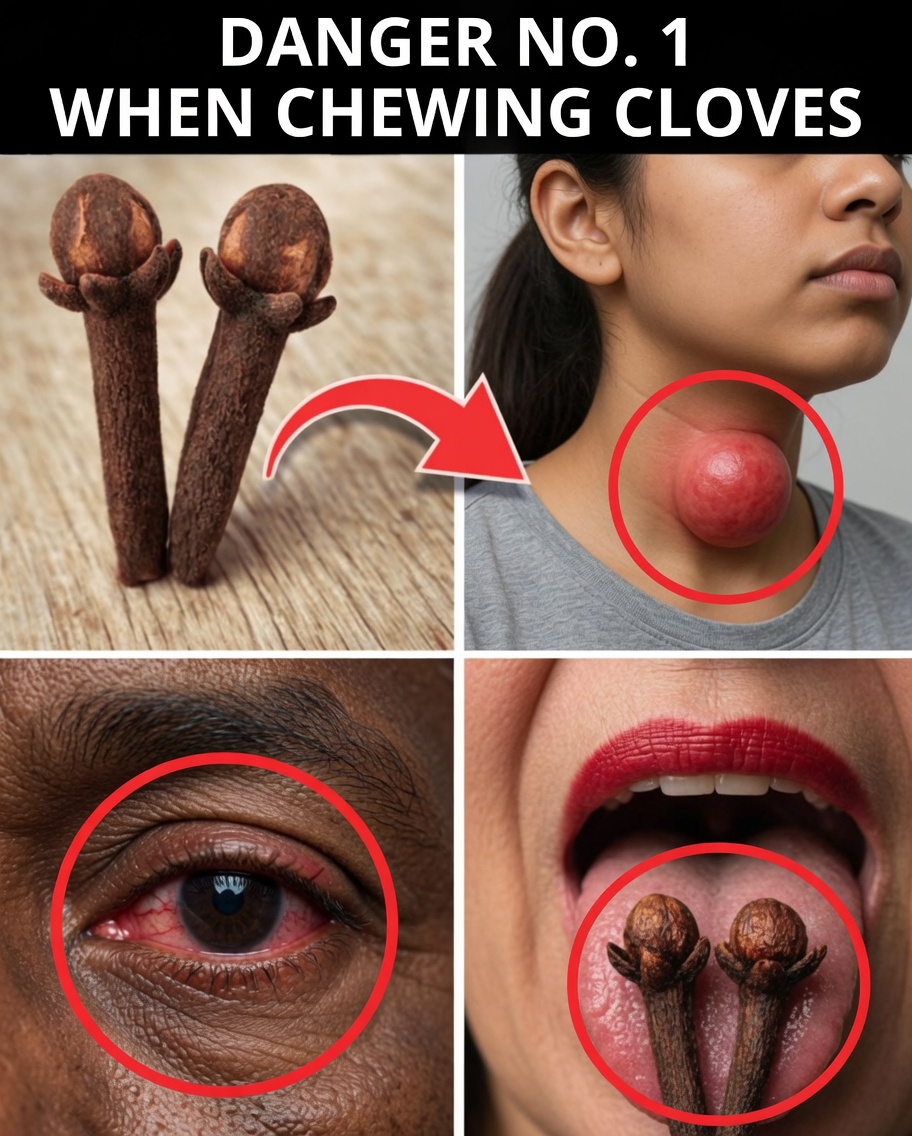
The #1 Mistake: Chewing Too Many Cloves (or Chewing Them Too Long)
The most common problem is overdoing it—either by chewing more than 1–2 cloves per day or keeping cloves in the mouth for an extended time.
Eugenol can be beneficial in small exposure, but prolonged or intense contact may irritate oral tissues. Possible effects include:
- Gum soreness or tenderness
- Swelling or increased sensitivity
- Mouth ulcers or small irritated patches
- A lingering burning sensation
Swallowing larger amounts (or doing this frequently) can also bother the digestive system, leading to:
- Nausea
- Heartburn
- Loose stools or stomach discomfort
Some health resources also note that higher exposures to eugenol can have blood-thinning effects and may influence blood sugar regulation—concerns that are more significant with concentrated clove oil than with normal culinary use, but still a reason to practice moderation. Severe problems are uncommon with typical spice amounts, yet the takeaway remains the same: more is not better.
Think of cloves like a strong herbal “spot treatment.” A little can feel great—too much can create the very irritation you were trying to avoid.
Safer Ways to Chew Cloves Without the Downside
You don’t need to quit cloves entirely. Most people do better by using a smaller amount, for a shorter time, and giving the mouth a chance to recover.
Use these safer habits:
- Stick to 1 clove at a time — Avoid exceeding 2 cloves per day, and consider using them occasionally rather than daily.
- Chew gently and briefly — Keep it to 5–10 minutes, then discard the clove (swallow only if it feels comfortable and doesn’t cause stomach upset).
- Rinse afterward — Swish with plain water to reduce residue and irritation.
- Choose high-quality cloves — Fresh, reputable, ideally organic cloves help reduce the chance of unwanted contaminants.
This approach often preserves the benefits—fresh breath and mild oral comfort—while lowering the risk of burning or soreness.

Gentler Alternatives to Direct Chewing
If chewing whole cloves feels too intense, you can get similar benefits with less direct contact.
1) Clove Tea (or Infused Water)
Lightly crush 1–2 cloves, then steep in hot water for 5–10 minutes. Sip slowly. This method is often used for a mild, soothing digestive effect without irritating mouth tissues.
2) Use Ground Cloves in Food
Add a small pinch of ground clove to everyday meals, such as:
- Oatmeal
- Rice dishes
- Smoothies
- Baked goods
This spreads the compound out, making it less harsh while still delivering aroma and antioxidants.
3) Diluted Clove Oil for Spot Use (Topical Only)
For occasional minor tooth sensitivity, use one drop of clove oil diluted in a carrier oil (such as coconut oil), applied with a cotton swab. Important safety notes:
- Never apply undiluted clove oil
- Do not swallow it
- Patch test first
Quick Comparison: Risky Habit vs. Safer Routine
- Daily amount:
- Common mistake: 3+ cloves or repeated sessions
- Safer approach: 1 clove max at a time; no more than 2/day, occasional use
- Duration:
- Common mistake: 15–30+ minutes
- Safer approach: 5–10 minutes, then discard
- Frequency:
- Common mistake: daily with no breaks
- Safer approach: take breaks and monitor your response
- Protection:
- Common mistake: no rinse, prolonged direct contact
- Safer approach: rinse after, keep exposure brief
Simple Steps to Try Tonight
If you want to keep the habit but reduce the risk, start here:
- Use only 1 clove after your next meal.
- Stop at 5–10 minutes, then discard it.
- Drink water and rinse to remove remaining residue.
- Pay attention to any burning, soreness, or stomach discomfort.
- Check with a clinician if you have bleeding concerns, diabetes, or take medications that affect blood clotting or blood sugar.
Many people find that once they cut back, sore gums fade while the breath-freshening effect remains. Others switch to clove tea and get digestive comfort without mouth irritation.
Key Takeaway
The biggest issue with chewing cloves is simple: too much, for too long. When you reduce the amount and limit contact time—or choose a gentler alternative—you can enjoy cloves’ natural benefits without turning them into a source of irritation.
For an even milder breath-freshening routine, some people pair a small amount of clove use with fennel seeds.
Medical Disclaimer
This article is for informational purposes only and does not replace professional medical advice. Always consult a qualified healthcare provider for personalized guidance, especially if you have a medical condition or take medications.