
Turn Your Morning Oatmeal Into a Health Powerhouse
For many older adults, a warm bowl of oatmeal is a familiar, soothing way to start the day. Oats offer hearty whole grains, plenty of fiber, and are known to support heart health and more stable energy. Yet a few common habits in choosing, storing, and preparing oats can quietly chip away at those benefits—or keep you from getting the most nutrition out of every bowl.
Over time, these small missteps may affect how well you absorb nutrients, your exposure to certain compounds, and how satisfied you feel after breakfast. The good news: a few simple tweaks can transform oatmeal into a consistently supportive part of a healthy routine. Stay with this guide to the end to discover a surprising upgrade that takes your oatmeal well beyond the basics.

Oatmeal’s Place in a Balanced Diet
Oats are popular for a reason. As a whole grain rich in beta-glucan (a type of soluble fiber), they’ve been studied for their role in helping maintain healthy cholesterol levels and supporting cardiovascular wellness. But those potential benefits don’t just depend on the grain itself—how you select, store, and cook your oats matters.
When those steps are overlooked, you may:
- Miss out on beneficial nutrients
- Introduce unwanted additives or residues
- Change the way oatmeal affects your blood sugar and satiety
Here are seven common oatmeal mistakes and how to fix them.
Mistake 1: Buying Conventional Oats Without Checking the Source
One of the most overlooked issues is grabbing any bag of oats from the shelf without evaluating how they were grown. Conventional, non-organic oats may carry residues from agricultural chemicals such as glyphosate, a herbicide that some organizations have labeled a “probable carcinogen.” Testing by groups like the Environmental Working Group has detected traces of such residues in various mainstream oat products, even if they fall within legal limits.
While the overall risk is still being studied, many people prefer to reduce unnecessary exposure where possible. Choosing organic oats is a straightforward way to move in that direction.
How to Choose Higher-Quality Oats
- Look for “USDA Organic” or equivalent organic certifications.
- Favor brands that publicly share their testing or sourcing standards.
- Try small packages from a few reputable companies to see which you prefer in taste and texture.
Mistake 2: Storing Oats in Warm, Damp Conditions
Even the highest-quality oats can lose their edge if stored poorly. Humidity and heat are the enemies of dry grains. In a moist or warm environment, oats are more prone to mold growth, which can lead to mycotoxins such as aflatoxins. At high exposures, these compounds have been linked to health concerns.
These problems don’t usually start on the supermarket shelf—but they can develop at home if oats are kept in places like cabinets over the stove or near a dishwasher where steam and warmth build up.
Simple Storage Steps to Protect Your Oats
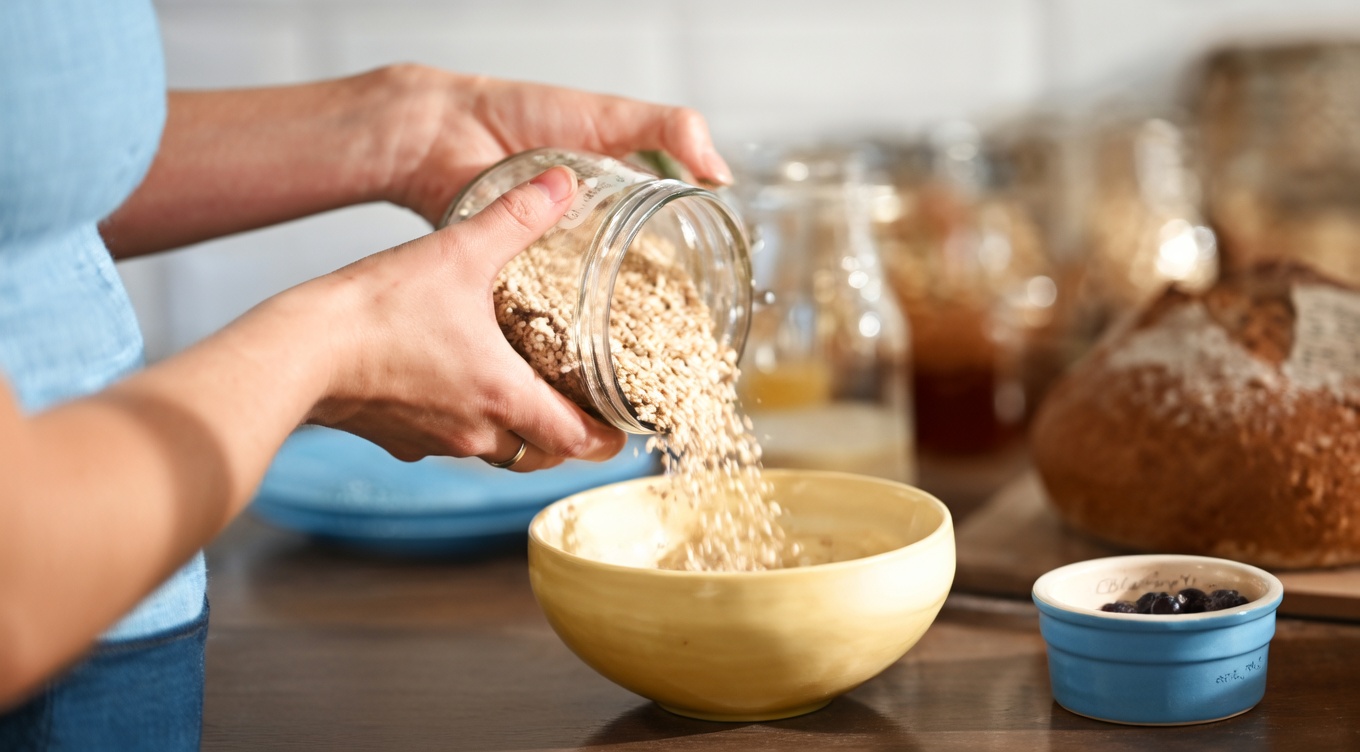
- Pour oats into airtight glass or sturdy plastic containers as soon as you open the package.
- Keep them in a cool, dry cupboard away from ovens, stoves, or direct sunlight.
- Periodically check for clumping, dampness, off smells, or discoloration, and discard any questionable batch.
Mistake 3: Cooking Oats at Very High Temperatures
How you cook your oats can change more than just flavor and texture. When starchy foods are exposed to very high, dry heat—such as in certain baking or intense toasting methods—they can form acrylamide, a compound some regulatory agencies classify as a probable carcinogen based on animal studies. While human evidence is still being investigated, many people prefer to minimize unnecessary acrylamide where they can.
Moist-heat methods like boiling or steaming do not promote acrylamide formation in the same way.
Gentler Cooking Methods to Consider
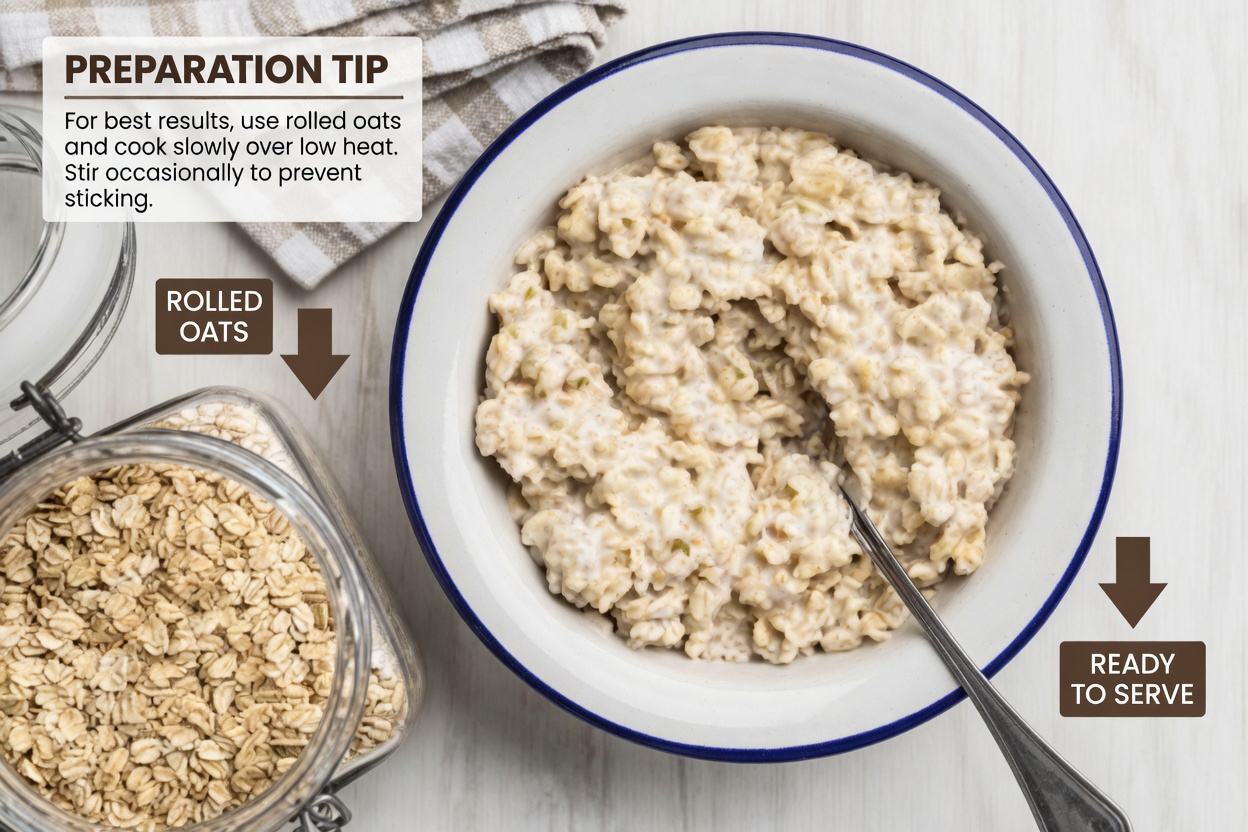
- Prepare oatmeal on the stovetop, simmered in water or milk.
- Use the microwave with sufficient liquid, avoiding “dry” cooking.
- Limit very high-temperature baking or prolonged toasting of oats when possible.
Mistake 4: Relying on Instant Oats Loaded With Sugar
Instant oatmeal packets are convenient, especially for busy mornings—but they often contain added sugars, flavorings, and other additives. Heavily processed oats tend to have a higher glycemic impact, meaning they can cause blood sugar to rise more quickly than less processed forms like steel-cut or traditional rolled oats.
For those aiming for long-lasting energy and more stable blood sugar—especially important for many seniors—this quick spike and crash pattern is not ideal.
Better Alternatives to Sweetened Instant Oats
- Choose plain steel-cut or rolled oats with no added sugar.
- Add flavor with cinnamon, vanilla, or unsweetened cocoa instead of sugar.
- Top your bowl with:
- Fresh or frozen berries for gentle sweetness and antioxidants
- A small handful of nuts for crunch and healthy fats
- Plain yogurt for creaminess and extra protein
Mistake 5: Skipping Protein and Healthy Fats
Oatmeal is naturally rich in carbohydrates and fiber, but on its own it can lack enough protein and fat to keep you full for long. Without those balancing nutrients, you might feel hungry again soon and be more prone to snacking or overeating later in the day.
Research consistently suggests that meals combining carbohydrates with protein and healthy fats are more satisfying and support better appetite control.
Easy Add-Ins to Build a Balanced Bowl
- Stir in a spoonful of peanut, almond, or cashew butter.
- Sprinkle chia seeds, flaxseeds, or hemp seeds on top.
- Swirl in a generous dollop of Greek yogurt or cottage cheese.
- Add a cooked egg on the side or mix in scrambled egg whites while cooking for extra protein.
Mistake 6: Ignoring Portion Sizes
It’s surprisingly simple to pour a portion of oats that’s larger than you need, especially when using a deep bowl. While oats are nutrient-dense, they are also relatively calorie-dense. Consistently eating more than your body requires may contribute to unwanted weight gain or digestive discomfort.
For most adults, about ½ cup of dry oats per serving is a common guideline, though individual needs can vary based on size, activity level, and overall diet.
How to Keep Portions in Check
- Measure dry oats with a measuring cup until you get used to what an appropriate serving looks like.
- Adjust slightly up or down depending on how active you are and how long you need the meal to sustain you.
- Pair your oats with protein and fats so you feel satisfied without needing a huge portion.
Mistake 7: Never Experimenting With Preparation Methods
If you always prepare oatmeal the same way, you may be missing out on both variety and potential digestive benefits. One example is soaking oats before eating, as in overnight oats. Soaking can help soften the grain and may reduce the effect of phytic acid, a naturally occurring compound in oats that can bind to minerals like iron and zinc.
The impact of phytic acid varies from person to person, but many find soaked oats gentler on digestion and easier to enjoy regularly.
How to Try Soaked or Overnight Oats
- Combine oats with water, milk, or a plant-based beverage in a jar or container.
- Add a splash of lemon juice, yogurt, or kefir if desired, which may further support mineral availability.
- Refrigerate overnight and enjoy cold or gently warmed the next day.
Comparing Common Types of Oats
Different oat types are processed to varying degrees, which influences how quickly your body digests them and how they might affect blood sugar.
| Oat Type | Processing Level | Approximate Glycemic Impact | Best Use Case |
|---|---|---|---|
| Steel-cut | Minimal | Lower | Slow-cooked, hearty porridge |
| Rolled | Moderate | Medium | Everyday stovetop or microwave oatmeal |
| Instant | Highest | Higher | Quick meals—check labels for additives |
Whenever possible, choose the least processed type that still fits your schedule and preferences.
A Simple Twist to Upgrade Your Oatmeal
By avoiding these seven pitfalls—from mindless shopping to unbalanced bowls—you can help oatmeal become a more powerful ally in your daily routine. The key is making informed, sustainable choices that match your health goals and lifestyle.
And here’s the unexpected upgrade: consider adding fermented foods as a topping. A spoonful of kefir, drinkable yogurt, or other fermented dairy or non-dairy options can introduce beneficial bacteria alongside the prebiotic fiber in oats. Early research suggests this combination may support a healthier gut environment while making your breakfast more flavorful and satisfying.
Frequently Asked Questions
What type of oats is best for everyday use?
Steel-cut and traditional rolled oats are often preferred for daily consumption. They’re less processed than instant oats, tend to have a gentler effect on blood sugar, and usually come without added sugars or flavors. Instant oats can still be useful when you’re short on time—just choose plain versions and add your own toppings.
How do I know if my oats have gone bad?
Signs that oats may be spoiled include:
- A sour, musty, or otherwise off smell
- Visible mold, dark spots, or unusual discoloration
- Clumping or damp texture instead of dry, loose flakes
Stored in a cool, dry, airtight container, many oats can last up to a year, but always trust your senses and when in doubt, throw them out.
Can everyone eat oatmeal?
Most people tolerate oats well, and they can be a great option for many seniors. However:
- Individuals with celiac disease or gluten sensitivity should choose oats labeled “certified gluten-free” to avoid cross-contamination.
- Anyone with specific medical conditions, digestive issues, or on certain medications should discuss oatmeal and overall diet with a healthcare professional.
This content is for educational purposes only and is not a substitute for personalized medical or nutritional advice. Always consult your doctor or a qualified dietitian for guidance tailored to your individual health needs.