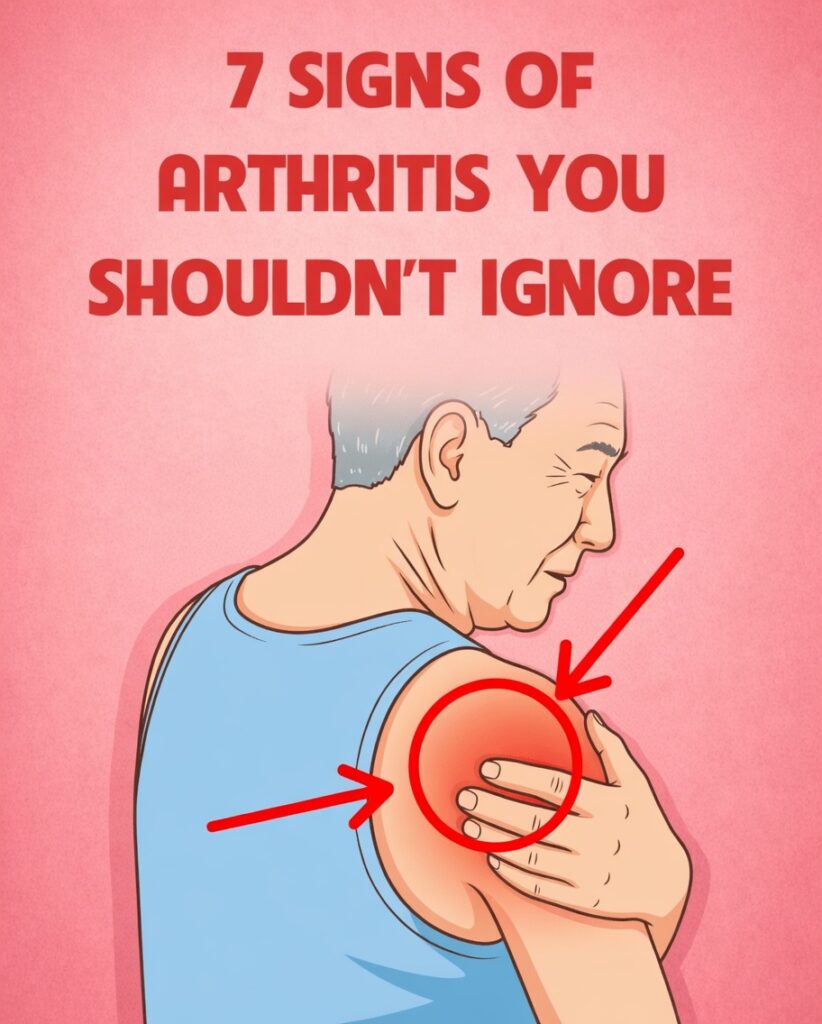
7 Early Signs of Arthritis You Should Never Ignore
Living with subtle, unexplained joint discomfort can quietly strip away everyday joys like walking your dog or playing with your grandchildren. Over time, that nagging pain can leave you worried about a future filled with limitations and reliance on others. This concern becomes even more real after age 40, when arthritis risk tends to rise.
Recognizing early warning signs of arthritis gives you a real chance to protect your mobility and independence. One of the most surprising clues? Even “ordinary” tiredness can be part of the picture. Below are 7 key signs of arthritis and the practical steps you can take right now.
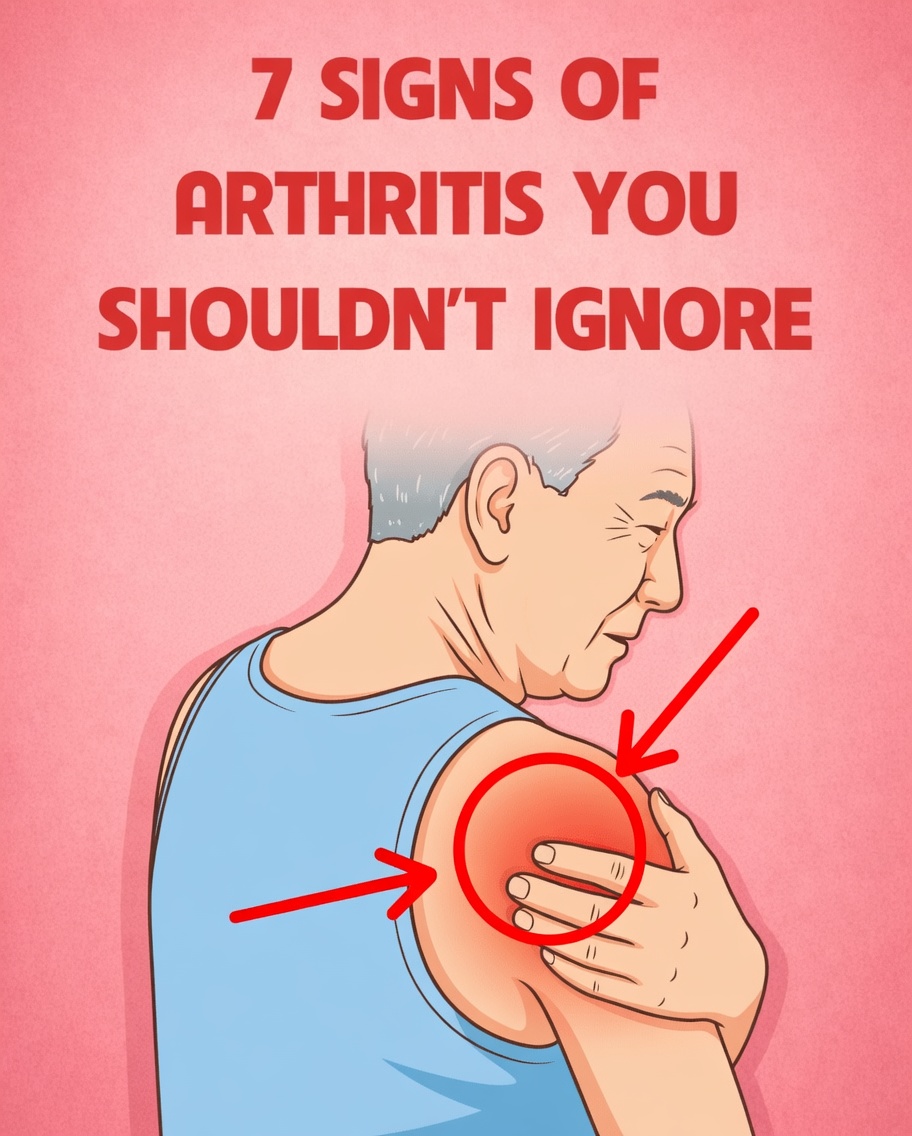
1. Persistent Joint Pain: A Classic Early Sign of Arthritis
A leading early sign of arthritis is ongoing joint pain that feels deep, dull, or aching—even during rest or after only light activity. This sort of pain may:
- Linger for weeks or months
- Flare after walking, climbing stairs, or standing
- Affect weight-bearing joints such as the knees, hips, feet, or spine
Over time, this persistent discomfort can make you dread simple movements and worry about losing your independence. The Arthritis Foundation notes that such gradual, ongoing pain is a common early feature of many types of arthritis.
Ignoring this kind of pain allows joint damage and inflammation to build quietly in the background.
2. Morning Stiffness Lasting Over 30 Minutes
Waking up feeling like your joints are “locked” or stuck for more than 30 minutes is another strong warning sign. This morning stiffness may:
- Make it hard to get out of bed or walk to the bathroom
- Ease only after gentle movement or a warm shower
- Return after long periods of sitting or inactivity
Starting the day by struggling just to move can be emotionally draining, affecting your work, family time, and overall mood. Research links prolonged morning stiffness to inflammatory processes in the joints, making it a key early signal that should not be overlooked.
Catching this pattern early can guide you toward supportive routines and medical care before damage progresses.
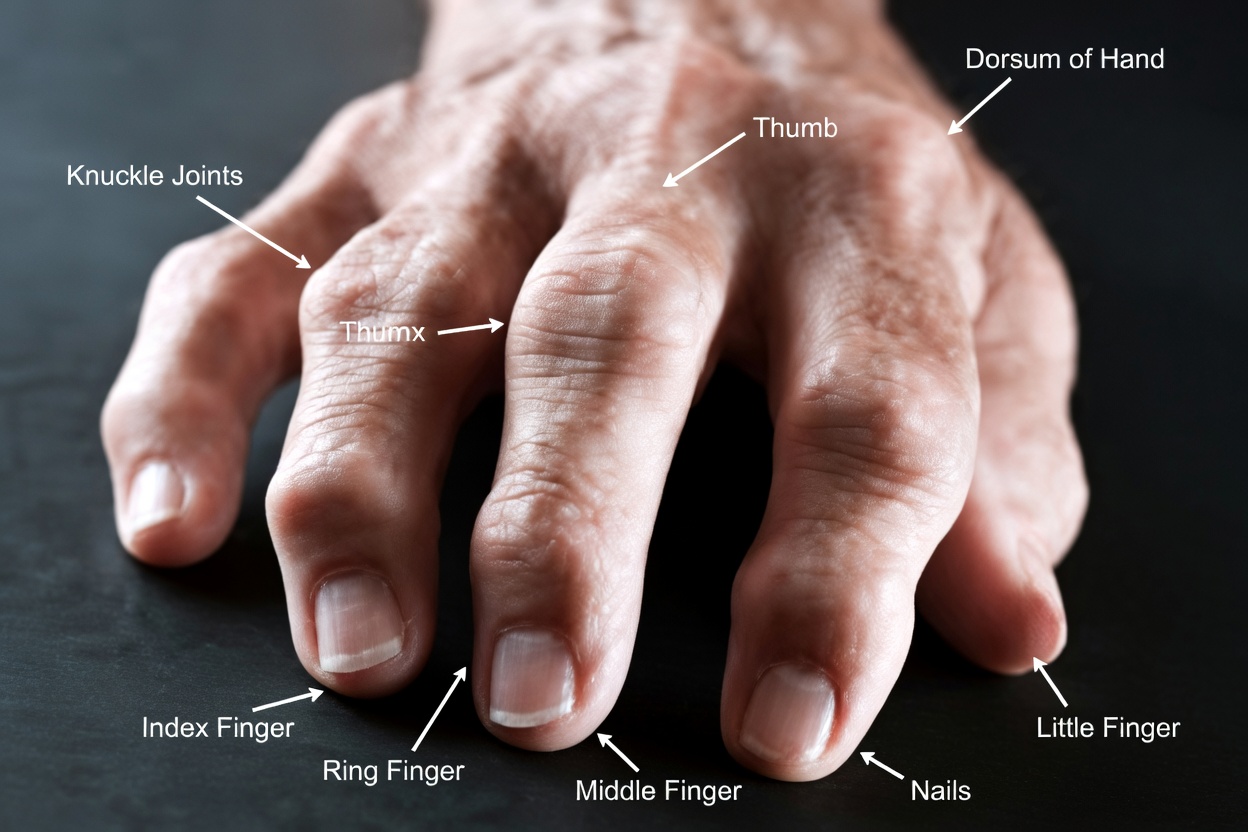
3. Joint Swelling and Tenderness
Visible swelling or puffiness around a joint is a major red flag for arthritis. You may notice that:
- The area around the joint looks enlarged or feels tight
- Pressing gently on the joint is painful or unusually sensitive
- Swelling persists for several days or keeps coming back
Watching your hands, knees, or other joints swell can be alarming and may raise fears about permanent changes or deformities. Medical observations show that swelling lasting more than a few days is a meaningful sign that should be evaluated by a professional.
These visible changes often appear along with other symptoms, painting a clearer picture of underlying arthritis.
4. Reduced Range of Motion and Stiff Movement
If you notice that a joint does not move as freely as it used to, this can be another important sign of arthritis. Limitations might include:
- Trouble fully bending or straightening a knee or elbow
- Difficulty turning your neck or back comfortably
- Struggling with daily tasks like reaching overhead, tying shoes, or opening jars
Gradually losing these abilities can feel frustrating and even frightening, as once-simple actions become challenging. Experts point out that loss of range of motion often progresses over time, especially when inflammation and joint damage go untreated.
Early awareness and evaluation can help slow or modify this decline.

5. Warmth or Redness Around Joints
Joints that feel unusually warm to the touch or appear red and irritated may be showing clear signs of inflammation. This can indicate active arthritis, especially inflammatory forms such as rheumatoid arthritis or certain autoimmune conditions. You might notice:
- Localized warmth compared with surrounding skin
- Redness or a flushed appearance around the joint
- Increased discomfort when the area is touched
These visible changes can trigger anxiety about your overall health and fears about rapid joint decline. However, they also provide a valuable clue: warmth and redness often mean the joint is actively inflamed and needs attention.
This symptom frequently appears alongside another overlooked sign—unexplained fatigue.
6. Unexplained Fatigue and Low Energy
Feeling unusually tired, even after resting, can be an early and easily missed sign of arthritis, particularly inflammatory types. This kind of fatigue:
- Goes beyond normal tiredness from a busy day
- May make routine tasks feel exhausting
- Does not fully improve with sleep or short breaks
Persistent fatigue can be isolating and discouraging, making you doubt your abilities and withdraw from activities you once enjoyed. Research shows that systemic inflammation associated with arthritis can drain energy and affect the whole body, not just the joints.
Treat this fatigue as a legitimate symptom, not something to dismiss. Addressing it alongside other joint signs often leads to better daily management and quality of life.
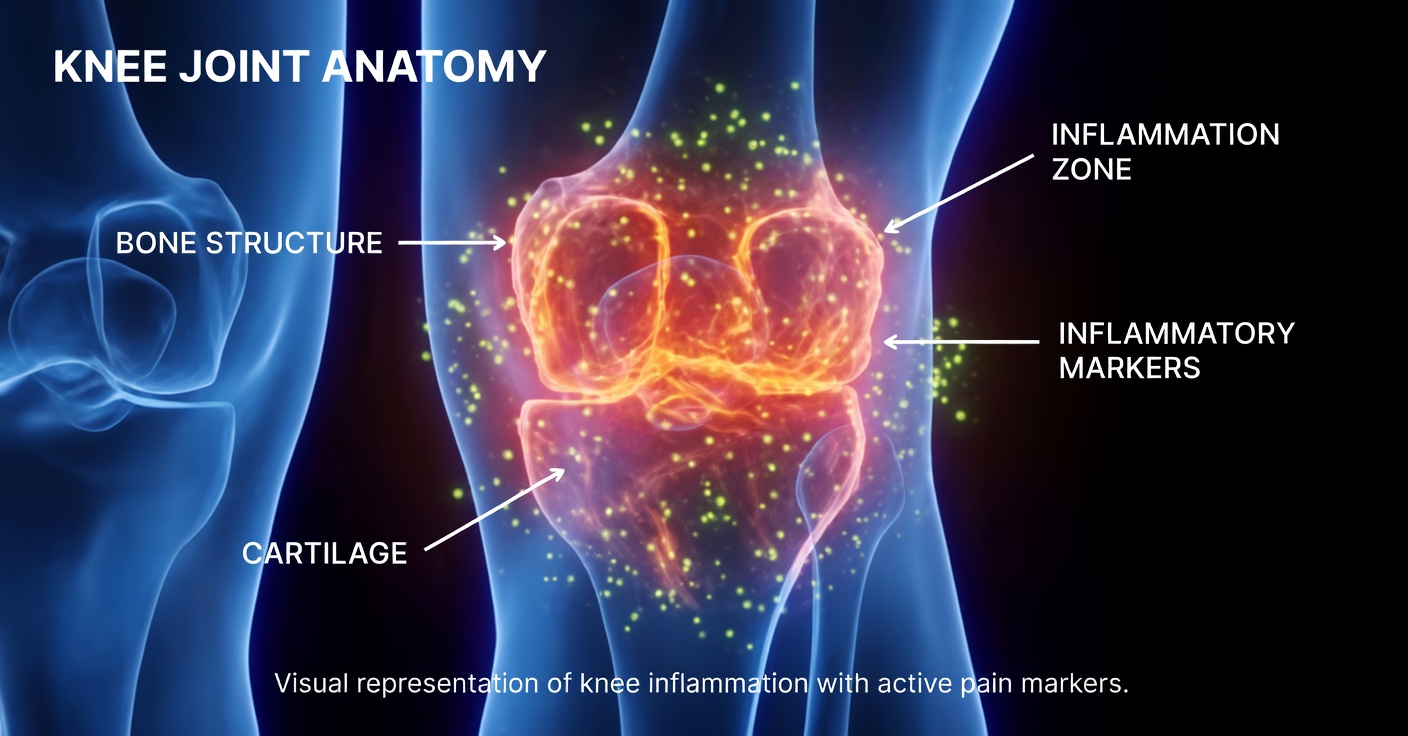
7. Grinding, Clicking, or Popping Sensations (Crepitus)
Hearing or feeling grinding, clicking, or popping in a joint—known as crepitus—can also be a subtle sign of arthritis. You might experience:
- A crunchy or gritty feeling when moving the joint
- Audible clicks or pops with bending or straightening
- Worry that bones are rubbing directly against each other
These sensations are often associated with cartilage wear or roughened joint surfaces. While not every sound means serious damage, crepitus commonly appears alongside other symptoms of arthritis and should not be brushed off, especially when pain or swelling is also present.
What to Do If You Notice These Signs of Arthritis
If you recognize any of these symptoms—especially if they are new, persistent, or worsening—do not simply wait and hope they disappear. Prompt action can protect your joints and reduce future problems.
Consider these steps:
- See a healthcare provider quickly: Aim for an appointment within a few days for new or rapidly worsening symptoms that interfere with daily life.
- Track your symptoms: Keep a simple journal noting when pain, stiffness, swelling, or fatigue occurs, what you were doing, and how long it lasts.
- Ask about basic evaluations: Your provider may recommend a physical examination, blood tests, or imaging (such as X-rays or ultrasound) to look for signs of arthritis.
- Discuss lifestyle factors: Talk about weight management, physical activity, sleep, and work habits that may affect joint health.
For milder but recurring signs, schedule a check-up within about a week. Ask about:
- Joint health assessments
- Blood pressure and general wellness checks
- Personalized recommendations to support joint comfort
Daily choices like gentle movement, a balanced diet, and maintaining a healthy weight can help you stay ahead of potential arthritis, though they cannot guarantee prevention.

Lifestyle Tips to Stay Proactive Against Arthritis
Beyond responding to symptoms, building supportive habits can help you manage current issues and reduce future risk:
- Choose low-impact exercise: Activities like walking, swimming, cycling, or yoga can keep joints mobile without excessive stress.
- Maintain good posture: Proper body alignment reduces unnecessary strain on joints in your spine, hips, knees, and shoulders.
- Prioritize quality sleep: Rest supports recovery, helps regulate inflammation, and improves overall resilience.
- Stay at a healthy weight: Extra weight increases pressure on weight-bearing joints such as knees and hips.
- Listen to your body: Alternate activity with rest, and avoid pushing through significant pain.
General health guidelines suggest that these practices support joint comfort and help you notice changes earlier, so you can seek care promptly.
Conclusion: Pay Attention to What Your Joints Are Telling You
Recognizing these 7 early signs of arthritis is one of the most effective ways to protect your mobility and reduce future hardship for yourself and your family. Your body sends these signals for a reason. When you listen, document what you feel, and consult qualified professionals, you gain clarity and control.
Awareness transforms worry into informed action—helping you stay as active and independent as possible for years to come.
FAQ About Signs of Arthritis
Q1: Can other conditions mimic signs of arthritis?
Yes. Many symptoms—such as pain, stiffness, and swelling—can also result from injuries, overuse, infections, or other health issues. Only a qualified healthcare provider can evaluate your situation accurately and safely.
Q2: Do lifestyle changes help reduce signs of arthritis?
Supportive habits like regular gentle exercise, a balanced diet, good sleep, and weight management may ease joint discomfort and help you detect changes earlier. While they are not a cure, broad health recommendations emphasize their role in joint and overall well-being.
Q3: Are signs of arthritis different for men and women?
Some signs, including fatigue, pain intensity, or morning stiffness, may be experienced differently by men and women. Hormonal factors, body structure, and lifestyle can all play a role. Everyone benefits from understanding the common early signs and seeking evaluation when something feels off.