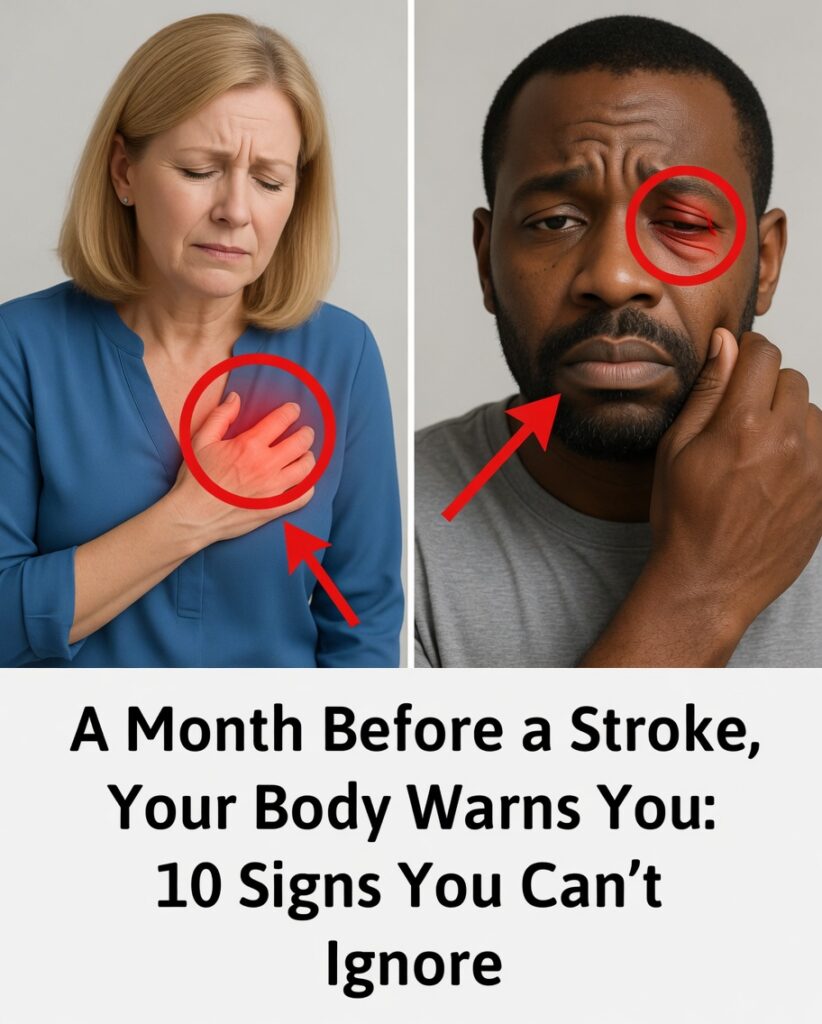
Stroke Warning Signs You Can’t Afford to Ignore
A stroke can transform a life in seconds, disrupting families and altering futures without warning. If you live with risk factors like high blood pressure, diabetes, smoking, or a family history of stroke, you may constantly worry about missing early warning signs.
Yet in many cases, your body sends out subtle alerts days or even weeks in advance. These stroke warning signs are your early chance to act, get checked, and potentially prevent permanent damage. Surprisingly, something as ordinary as ongoing hiccups can sometimes be one of those signals. Keep reading to learn the most important stroke warning signs and what to do if you notice them.
Why Recognizing Stroke Warning Signs Matters
The idea of suddenly losing your independence, mobility, or ability to communicate is frightening and emotionally exhausting. For many people at higher risk, the fear of a stroke can feel like a constant shadow.
Awareness changes that. When you understand common and lesser-known stroke warning signs, you gain the power to respond early instead of being caught off guard. Think of these signs as your body’s emergency language, telling you something is wrong before a major event happens.
1. Sudden, Intense Headache
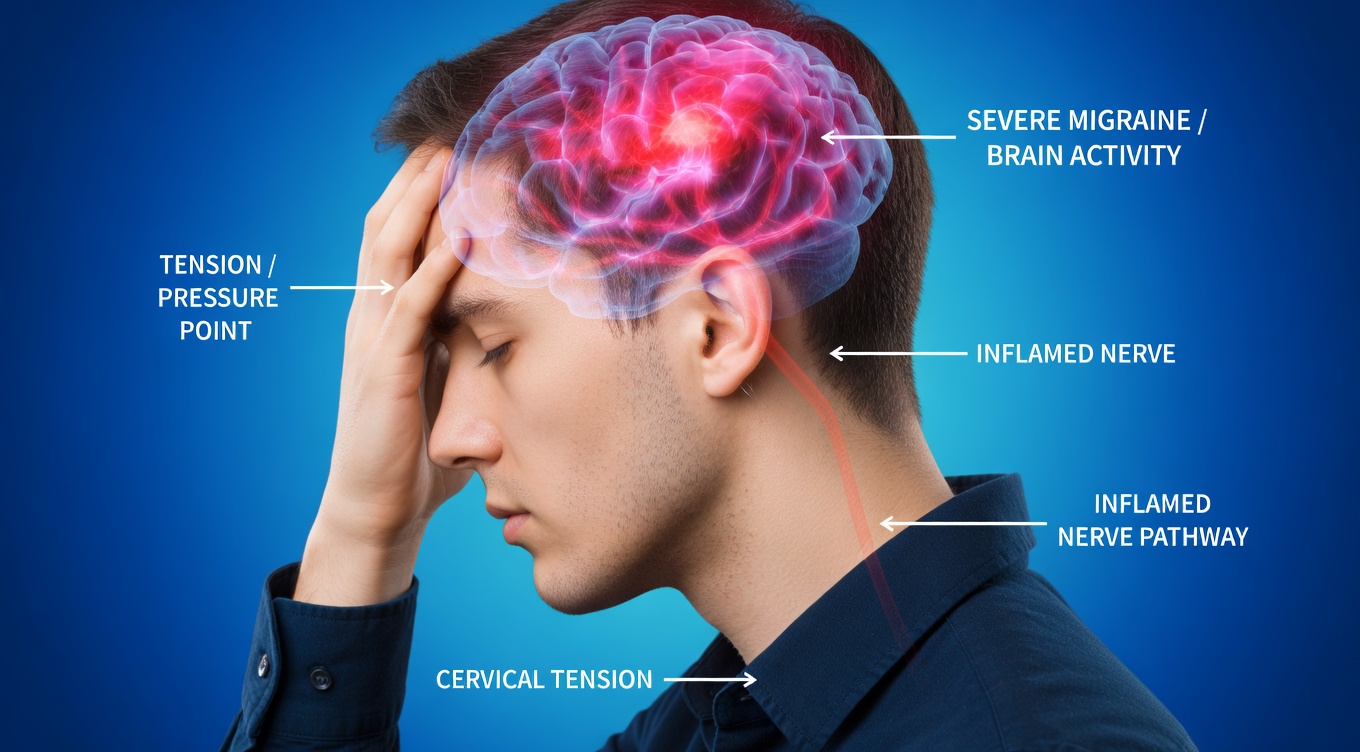
A new, severe headache that comes on abruptly—especially if you rarely have headaches—is a red flag. This kind of pain may feel like the “worst headache of your life” and can be linked to changes in pressure or bleeding in the brain.
If the headache is accompanied by:
- Vomiting
- Vision changes
- Neck stiffness
- Sudden confusion
it becomes even more concerning as a possible stroke warning sign. Research suggests sudden, extreme headaches should always be treated as an emergency, not something to “wait and see” about.
2. Abrupt Changes in Vision
Vision problems are common stroke warning signs and often feel dramatic, like:
- Blurry or double vision
- Loss of sight in one eye
- A dark curtain or shadow over part of your vision
Even if these episodes last only a few minutes and then disappear, they can indicate interrupted blood flow to the brain or eye. Temporary improvement does not mean everything is fine. Any unexpected vision change should be evaluated promptly as a potential stroke warning sign.
3. Slurred Speech, Trouble Speaking, or Confusion
Speech and language changes are classic stroke warning signs, such as:
- Slurred or unclear speech
- Difficulty finding the right words
- Saying words that don’t make sense
- Trouble understanding what others are saying
These changes can appear suddenly and may be subtle at first—maybe you just “sound off” or struggle to repeat a simple sentence. Communication problems can feel frightening and isolating, but they are medical emergencies. Quick action when speech changes occur can dramatically improve treatment options and outcomes.
4. Numbness or Weakness on One Side
Another core stroke warning sign is sudden weakness, tingling, or loss of sensation, especially on just one side of the body. You might notice:
- Drooping on one side of the face
- A heavy or weak arm or leg
- Clumsiness or dropping objects
Even if these symptoms fade after a few minutes, they are serious. Repeated episodes can be a sign of transient ischemic attacks (TIAs), sometimes called “mini-strokes,” which significantly increase the risk of a major stroke. Every episode deserves immediate attention.

5. Dizziness, Loss of Balance, or Poor Coordination
Unexplained dizziness or a spinning sensation (vertigo), especially when not related to suddenly standing up too quickly, can also signal a stroke. Watch for:
- Sudden difficulty walking
- Staggering or veering to one side
- Trouble coordinating movements
- Nausea or vomiting without a clear cause
These symptoms may reflect problems in the parts of the brain that control balance and movement. Ignoring recurrent dizziness as “just being tired” or “getting older” can mean missing a critical opportunity for early intervention.
6. Memory Problems or Mental Fog
Stroke warning signs are not always dramatic. Some are subtle, such as:
- New or worsening forgetfulness
- Getting lost in familiar areas
- Trouble concentrating or following conversations
- Feeling mentally “foggy” or slower than usual
If these changes appear suddenly or progress quickly without a clear explanation (like lack of sleep or major stress), they may be linked to reduced blood flow in certain brain regions. Because cognitive changes affect work, relationships, and independence, they warrant a professional medical evaluation.
7. Extreme Daytime Sleepiness or Unusual Fatigue
Feeling exhausted after a sleepless night is normal—but persistent, unexplained fatigue can be one of the lesser-known stroke warning signs, particularly in people with other risk factors.
You might:
- Struggle to stay awake during the day
- Feel drained despite adequate rest
- Find everyday tasks unusually difficult
This overwhelming tiredness can erode your quality of life and sense of control. Importantly, excessive fatigue may appear alongside other stroke warning signs, making it essential not to dismiss it as “just stress” or “getting older.”

8. Irregular Heartbeat (Atrial Fibrillation)
Heart rhythm problems, especially atrial fibrillation (AFib), greatly increase stroke risk and are considered major stroke warning signs. You may notice:
- A fluttering or racing heartbeat
- Skipped beats or a pounding sensation in the chest
- Shortness of breath, especially with exertion
- Episodes that come and go
Even if you feel fine otherwise, AFib can allow blood clots to form in the heart, which can then travel to the brain and cause a stroke. Because AFib is often treatable, getting your heart rhythm checked can directly lower your stroke risk.
9. Persistent Hiccups
Ongoing, hard-to-stop hiccups—particularly in women—can sometimes be linked to stroke, especially when associated with:
- Nausea
- Chest discomfort
- Sudden dizziness or weakness
Although rare and less well-known, these hiccups may reflect irritation in the brainstem, an area involved in vital functions. While most hiccups are harmless, persistent or unusual hiccups accompanied by other symptoms should not be ignored.
What to Do If You Notice Stroke Warning Signs
When it comes to stroke, time is critical. If you or someone near you develops sudden neurological changes, do not wait to see if they go away. Call emergency services immediately.
A simple way to remember the most urgent stroke warning signs is the FAST method:
- F – Face: One side of the face droops or feels numb. Ask the person to smile.
- A – Arm: One arm drifts downward or feels weak when both arms are raised.
- S – Speech: Speech is slurred, strange, or hard to understand.
- T – Time: Time to call emergency services right away.
For milder or recurring symptoms that are not clearly an emergency, arrange to see a doctor as soon as possible—ideally within 24 hours. Ask about:
- Blood pressure measurement
- Blood tests
- Carotid (neck) artery ultrasound
- Heart rhythm tests such as an ECG or Holter monitor
Managing key risk factors—like controlling blood pressure, quitting smoking, treating diabetes, and lowering cholesterol—supports both prevention and early recognition of stroke warning signs.

Lifestyle Habits to Stay Ahead of Stroke Risk
You can’t control every factor, but daily habits strongly influence your stroke risk and how easily you recognize warning signs. Helpful strategies include:
- Move regularly: Aim for consistent physical activity suited to your ability level.
- Eat for vascular health: Focus on vegetables, fruits, whole grains, healthy fats, and lean protein while limiting salt, added sugars, and highly processed foods.
- Prioritize sleep: Quality sleep supports brain and heart health.
- Manage stress: Techniques like deep breathing, meditation, or counseling can ease chronic stress that burdens your cardiovascular system.
- Avoid tobacco and limit alcohol: Both are linked to increased stroke risk.
These habits are not a guarantee, but they can improve your overall vascular health and make it easier to notice changes that may be stroke warning signs.
Conclusion: Turn Stroke Awareness into Action
Understanding stroke warning signs gives you a powerful tool to protect yourself and those you love. Your body often signals trouble before a major event—through headaches, vision changes, speech issues, weakness, dizziness, fatigue, heart rhythm changes, or even persistent hiccups.
Listening to those signals, acting quickly, and partnering with healthcare professionals can transform fear into informed, practical action. Staying alert today can safeguard your independence and quality of life tomorrow.
FAQ About Stroke Warning Signs
Q1: Can other conditions mimic stroke warning signs?
Yes. Many stroke warning signs overlap with conditions such as migraines, ear and balance disorders, low blood sugar, or anxiety. Because the symptoms can be similar, only a healthcare professional can safely determine the true cause.
Q2: Do lifestyle changes really help with stroke warning signs?
Healthy habits—regular exercise, a balanced diet, good sleep, and not smoking—support blood vessel health and may reduce overall stroke risk. They can also help you notice stroke warning signs more clearly instead of assuming symptoms are due to poor lifestyle alone.
Q3: Are stroke warning signs different in men and women?
Some stroke warning signs, such as unexplained fatigue or persistent hiccups, may be more common or reported differently in women. However, everyone—regardless of gender—should know both the typical signs (like facial drooping or arm weakness) and the less obvious ones.