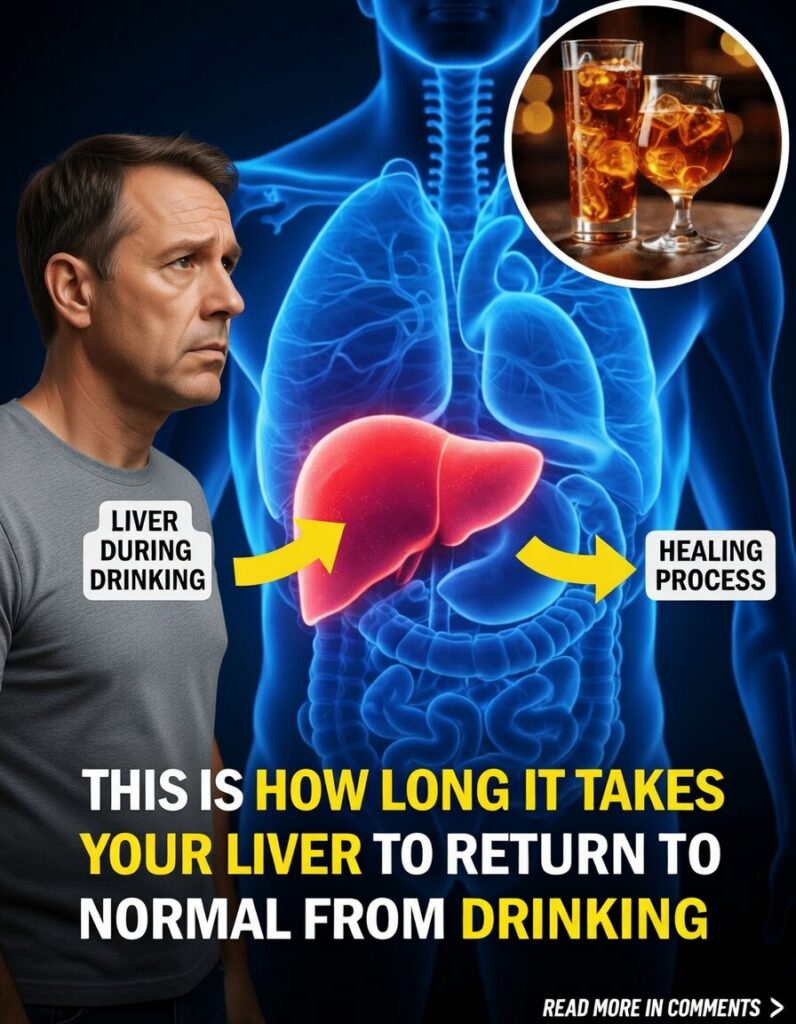
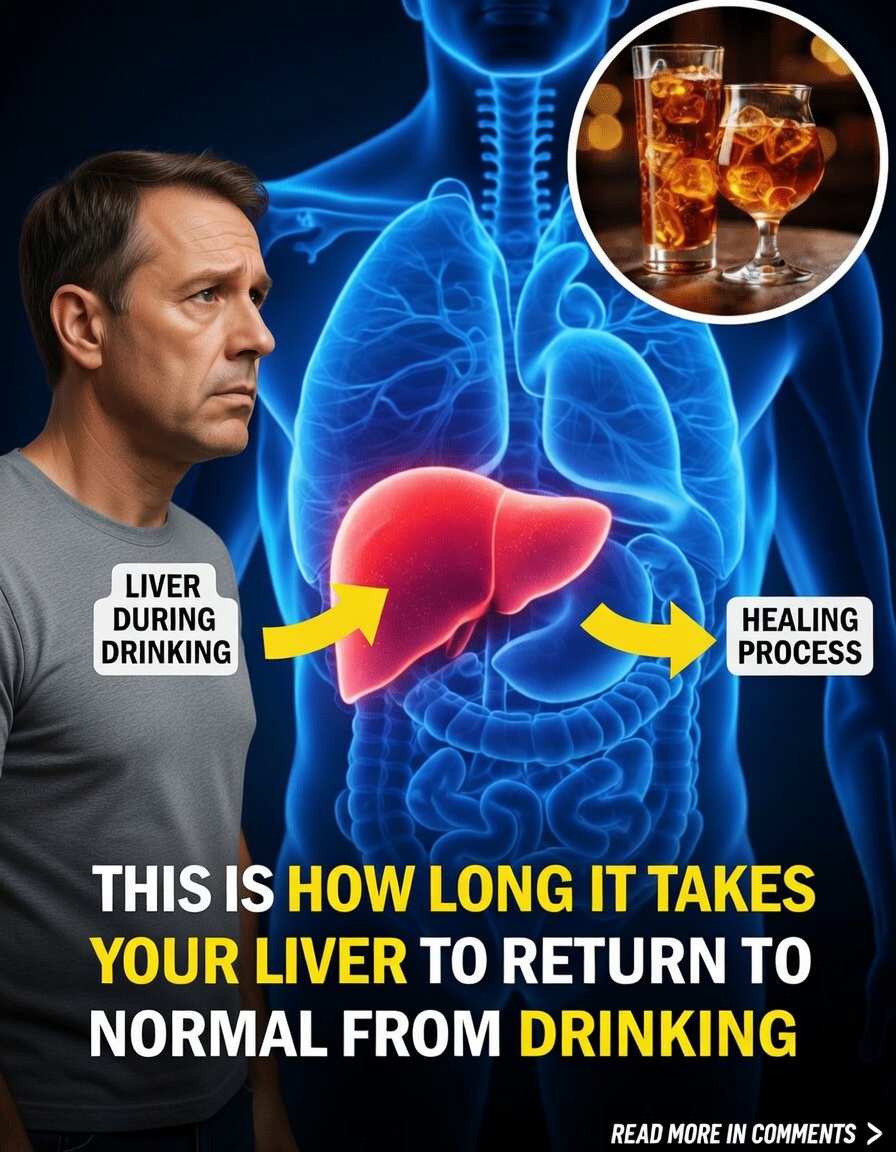
How Long Does It Take Your Liver to Get Back to Normal After Drinking?
That creeping worry after a night of heavy drinking—or years of “just a few”—is familiar to many people: lingering exhaustion, subtle bloating, or a nagging fear that your social drinking has quietly been wearing down your body. Constantly thinking about how alcohol is affecting your energy, mood, and long-term health can be draining.
Here’s the encouraging truth: your liver is extraordinarily resilient. The moment you stop drinking, it begins shifting from damage control to repair. Below is a clear timeline of how long it can take your liver to return toward normal after drinking, plus realistic steps you can take to support that recovery.
The First 24 Hours: Your Liver Finally Gets a Break
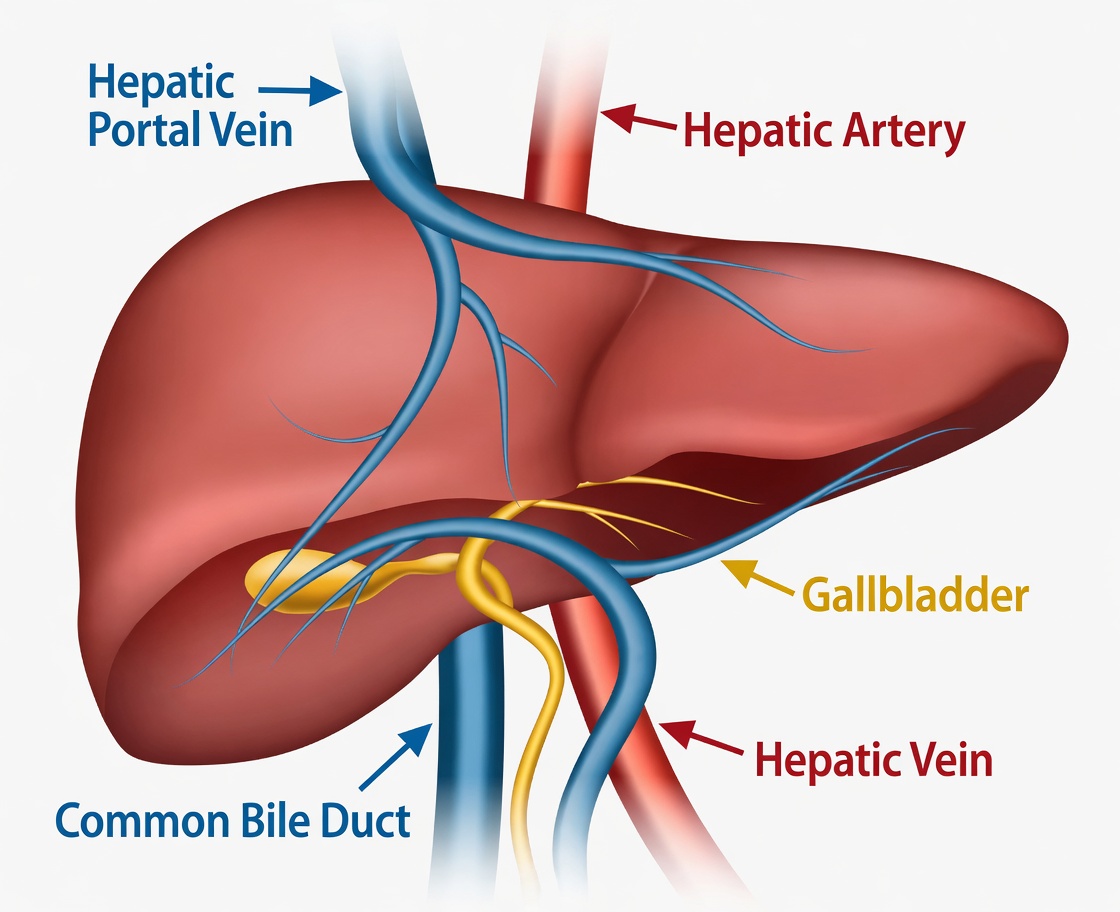
Your liver is not a passive organ—it’s one of the hardest working systems in your body, handling over 500 essential tasks every day. It acts as a built-in detox lab, energy warehouse, and biochemical factory all at once. Among its many jobs, your liver:
- Filters toxins from your blood
- Breaks down fats for energy
- Produces clotting factors so your blood can stop bleeding when you’re injured
When you drink alcohol, your liver immediately prioritizes breaking it down because alcohol is toxic in high amounts. That means other tasks get pushed aside while it works overtime. With repeated drinking, this constant strain can lead to inflammation, fat buildup, and eventually more serious damage.
So how long does it take your liver to return to normal from drinking? The reset begins surprisingly fast—within the first day.
In the first 24 hours after your last drink:
- Your liver is no longer in “emergency mode” processing alcohol.
- Inflammatory markers in your body begin to decrease.
- Liver cells can redirect energy from crisis management back to regular functions.
You might not feel a dramatic change right away, but inside, your liver has already started its healing program. Blood flow through the liver improves, oxidative stress eases, and the organ begins assessing and repairing alcohol-related damage. If you’ve been worried about what drinking has done to your body, this first day is the quiet but powerful turning point.
The First Week: You May Start to Feel the Difference
By the end of the first week without alcohol, your liver typically shows measurable improvements.
Research suggests that:
- Liver inflammation continues to settle down.
- Strain on liver cells is reduced as they catch up on normal functions.
- Key liver enzymes in blood tests often begin to trend in a healthier direction.
This early part of the timeline for how long it takes your liver to return to normal from drinking often brings subtle but encouraging changes: digestion may feel smoother, and your overall energy can start to improve.
Many people also notice:
- Better sleep – Without alcohol disrupting your sleep cycles and your liver working overtime at night, rest becomes deeper and more restorative.
- Less bloating – As fluid balance stabilizes and inflammation drops, you may feel less puffy or swollen.
The most important factor in this phase is consistency. Every alcohol-free day gives your liver more uninterrupted time to repair and recalibrate.
Weeks 2 to 4: Major Improvements for Many People
Between the second and fourth week, many people experience the most noticeable changes—especially if their liver was in the early stages of alcohol-related fatty liver.
Studies from organizations such as the Cleveland Clinic and the National Institutes of Health suggest:
- Excess fat in the liver can significantly decrease within 2–3 weeks of stopping drinking.
- For many, liver function tests show substantial improvement by around one month.
As your liver sheds excess fat and inflammation continues to decline:
- Fatigue often lessens as your liver becomes more efficient.
- Physical discomfort in the upper right abdomen—if you had any—may ease.
- Your skin may appear clearer, and your mood may feel more stable.
This is the point in the recovery timeline where how long it takes your liver to return to normal from drinking starts to feel truly hopeful. However, everyone’s journey is different. Your age, genetics, length and pattern of drinking, and overall health all affect how quickly your liver can rebound. That’s why medical check-ins and blood tests are so important for tracking your personal progress.
Beyond One Month: Deep Repair and Long-Term Recovery
Once you’ve stayed alcohol-free for a month or more, the liver continues its deeper restoration work.
Scientific reviews show that:
- Early fibrosis (mild scarring) can start to improve over 3–12 months of sustained abstinence.
- Healthy liver cells can gradually replace damaged ones, improving overall function.
As your liver keeps healing, you may notice:
- Feeling more “like yourself” again—mentally and physically
- Reduced worry about permanent damage as follow-up tests stabilize
- Improved immunity and fewer frequent illnesses over time
For people with advanced liver disease, complete return to “normal” may not be possible, and the focus often shifts to preventing further damage and managing complications. Still, stopping alcohol remains the most powerful step in protecting remaining liver function.
The longer you stay alcohol-free, the more your liver’s natural regenerative abilities can shine.
Practical Ways to Support Your Liver’s Healing
If you’re wondering how to help your liver return to normal from drinking as efficiently as possible, lifestyle habits matter. Small, consistent changes add up.
Here are evidence-informed strategies that support liver recovery:
- Avoid alcohol completely so your liver can continue healing without interruption.
- Stay well hydrated by drinking plenty of water throughout the day to support natural detox processes.
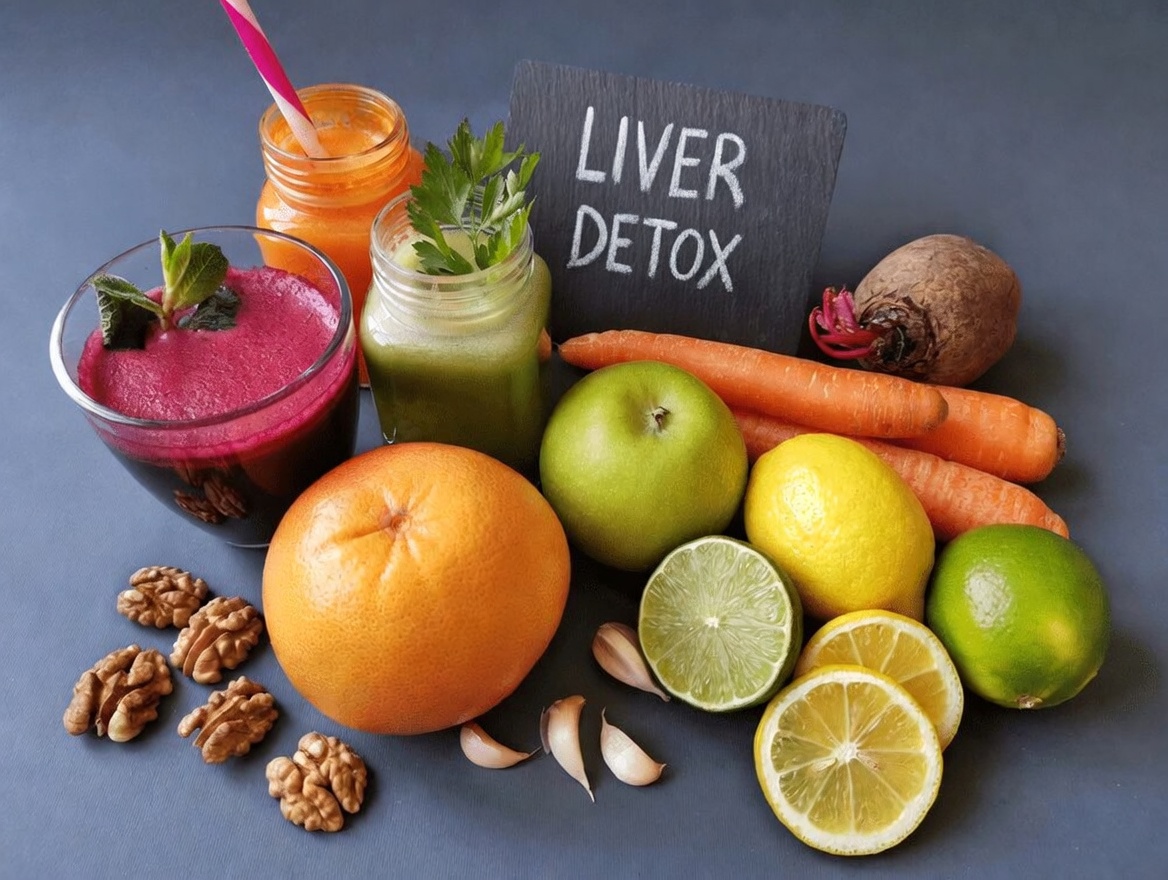
- Choose liver-supportive foods such as leafy greens, cruciferous vegetables, beets, berries, and nuts.
- Move your body regularly with walking, gentle cardio, or light strength training to improve circulation and metabolism.
- Prioritize quality sleep, aiming for 7–9 hours per night to allow for overnight cellular repair.
- Focus on a balanced, antioxidant-rich diet, including whole grains, lean proteins, and healthy fats; consult your doctor or a dietitian before making big changes or adding supplements.
These habits don’t just support your liver—they also help ease health anxiety by giving you a sense of control over your recovery.

Signs Your Liver Is Getting Healthier After Drinking
If you’re trying to gauge whether your liver is actually improving, pay attention to gradual shifts over weeks and months. Common signs of recovery include:
- More stable energy during the day, with fewer afternoon crashes.
- Clearer skin, and if you previously had yellowing of the skin or eyes, it may start to fade.
- Better digestion, with less bloating or discomfort after meals.
- Improved mood and sharper focus, as sleep and inflammation improve.
- Better blood test results, such as lower liver enzyme levels, as seen in follow-up check-ups.
While these signs can be reassuring, objective lab tests ordered by your healthcare provider are the most reliable way to track how long it takes your liver to return toward normal from drinking.
Myths About Liver Recovery You Can Ignore
Misconceptions about liver health can add unnecessary fear or false hope. A few common myths include:
-
Myth: “The liver never recovers once it’s damaged.”
Reality: For many people, especially in early stages of alcohol-related liver disease, the liver can heal to a remarkable degree once alcohol is removed and supportive habits are in place. -
Myth: “Detox teas or supplements alone can fix a damaged liver.”
Reality: No quick fix or single product can undo years of drinking. The most important factors in how long it takes your liver to return to normal from drinking are abstinence, time, and sustained healthy lifestyle changes.
Always discuss any supplements or “detox” products with your healthcare provider, as some can actually stress the liver further.

Your Liver’s Ongoing Journey
The encouraging reality is that your liver is one of the most forgiving organs in your body. Once you give it a break from alcohol, it immediately begins shifting from survival mode to repair mode.
Whether you’re on day one or several months into your alcohol-free journey:
- Every day without alcohol supports healing.
- Consistent healthy habits amplify your liver’s natural regeneration.
- The fatigue, brain fog, and worry linked to past drinking don’t have to define your future.
Your liver’s recovery is a process, not a single moment—but it’s a process that starts the very day you decide to stop drinking.
FAQ: Common Questions About Liver Recovery After Drinking
Can I go back to moderate drinking after my liver has had time to recover?
For many people—especially those who already have liver damage—experts often recommend remaining alcohol-free for the best long-term outcome. Even “moderate” drinking can reintroduce stress to a healing liver.
Because how long it takes your liver to return to normal from drinking (and how much it can recover) depends heavily on your individual history and test results, always discuss this question with your doctor before deciding to drink again.
What are the earliest signs that my liver is healing?
Some of the first improvements people notice in the initial weeks include:
- Better, more restful sleep
- Increased energy during the day
- Reduced bloating and digestive discomfort
These early changes can be reassuring and may help ease the lingering anxiety many people feel about the impact of their past drinking on their health. Over time, medical tests will give you the clearest picture of your liver’s recovery.