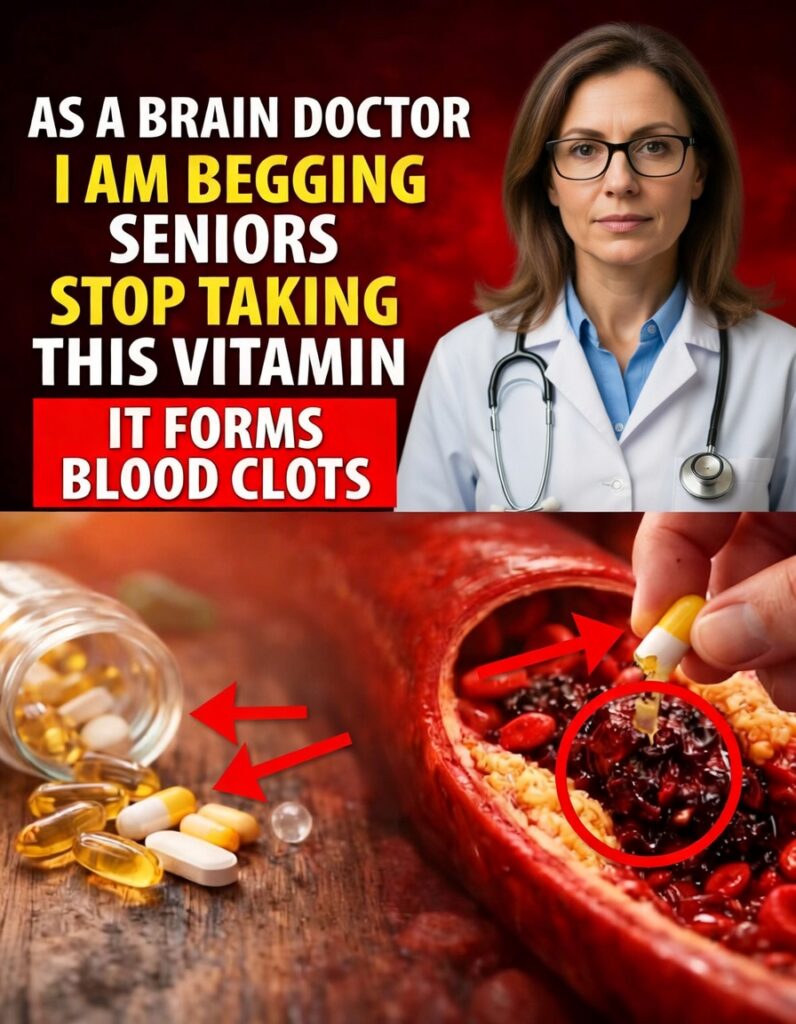
Are High-Dose Vitamin E Supplements Putting Seniors at Risk?
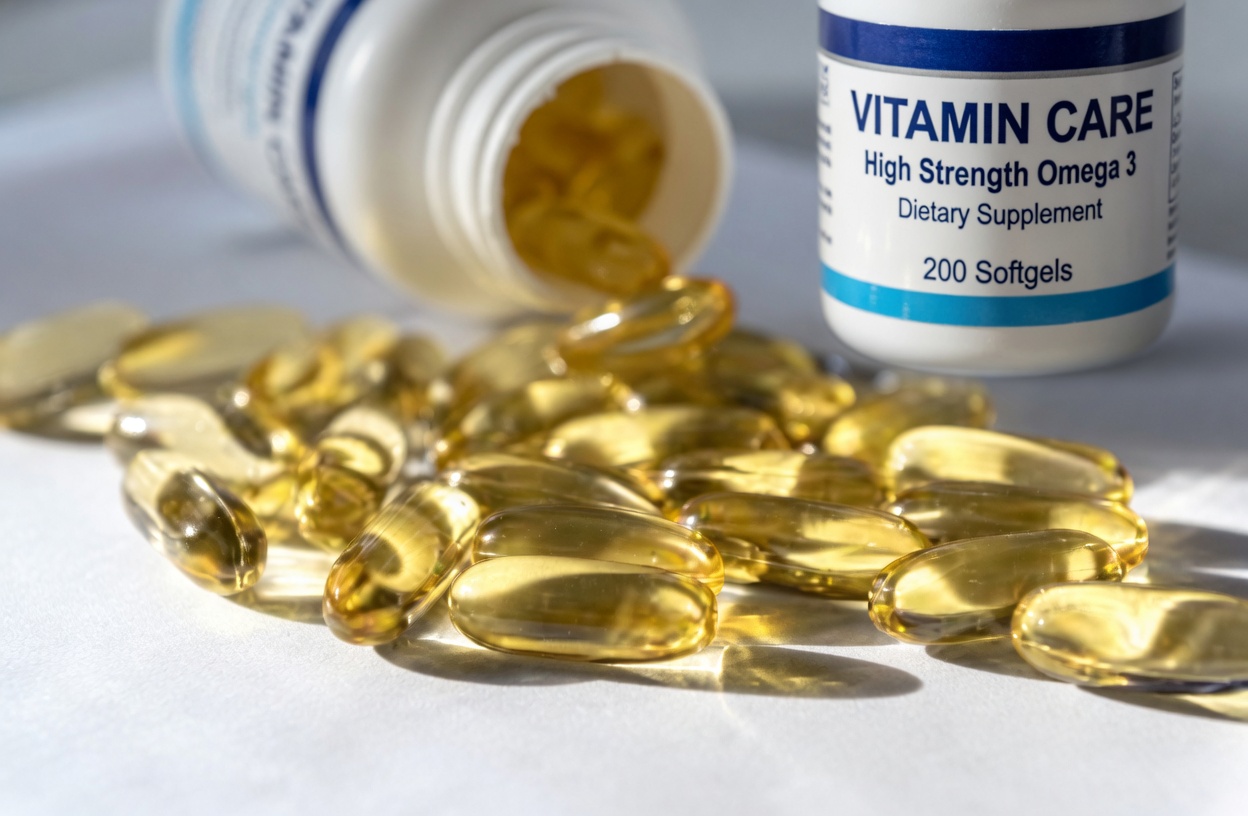
Many older adults swallow a large-dose vitamin E capsule every morning, convinced they are strengthening their heart and boosting antioxidants. The soft gel goes down easily, but few realize that high-dose vitamin E can quietly thin the blood more than intended, potentially increasing the risk of dangerous internal bleeding.
A growing body of research suggests that high-dose vitamin E supplements may raise the risk of certain types of stroke, especially hemorrhagic stroke, where a blood vessel in the brain ruptures. For seniors who value independence and stable health, these sudden, serious events can be life-changing.
The surprising twist? The very antioxidant support people are seeking from vitamin E capsules may, at high doses, interfere with blood clotting—sometimes in a relatively short time. The good news: there are safer ways to enjoy the benefits of vitamin E without unnecessary worry, which you’ll find in the practical tips below.
The Hidden Risk Behind Popular Vitamin E Capsules
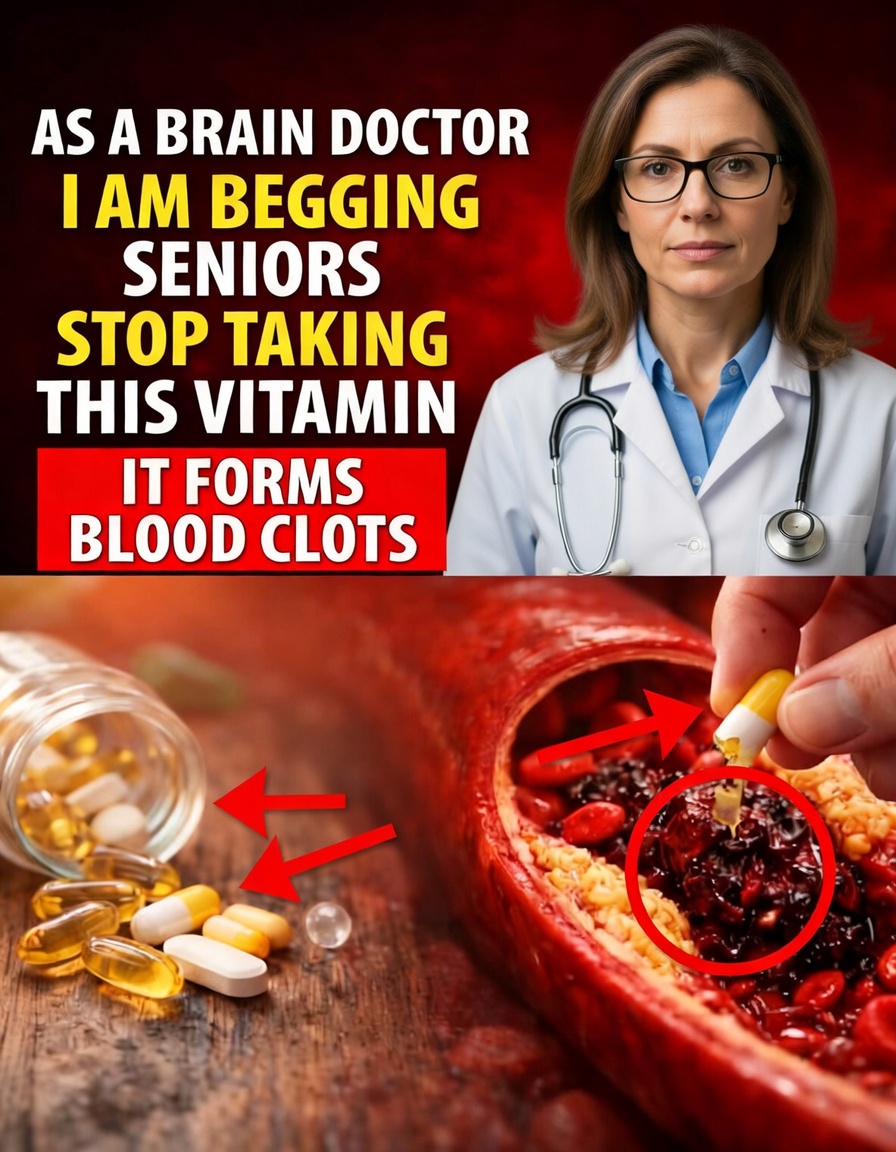
Many people reach for vitamin E supplements to support immunity, skin appearance, or general wellness. But high-dose vitamin E—especially 400 IU or more per day—can act like a mild blood thinner.
Studies indicate that large doses of vitamin E may:
- Increase the likelihood of hemorrhagic stroke (bleeding in the brain)
- Interfere with normal clot formation
- Exert stronger effects when combined with prescription blood thinners
For seniors already taking medications such as aspirin, warfarin, or other anticoagulants, high-dose vitamin E can amplify blood-thinning effects beyond what’s intended, catching both patients and doctors off guard.
Why Experts Are Concerned About High-Dose Vitamin E
Imagine Tom, a 70-year-old retiree who enjoys golfing. Hoping for more “energy and protection,” he adds a 400 IU vitamin E supplement to his daily routine. For a while, he feels perfectly fine. Then one day, he develops a sudden severe headache and weakness on one side.
Imaging scans reveal a small brain bleed. His doctors discover he has been taking high-dose vitamin E along with other medications.
Research suggests that high doses of vitamin E can:
- Reduce how “sticky” platelets are, making clots slower to form
- Shift the balance toward easier bleeding, especially overnight
- Increase bleeding risks in people already on blood-thinning therapies
This is why many stroke and cardiovascular specialists urge caution with long-term, high-dose vitamin E supplementation in older adults.
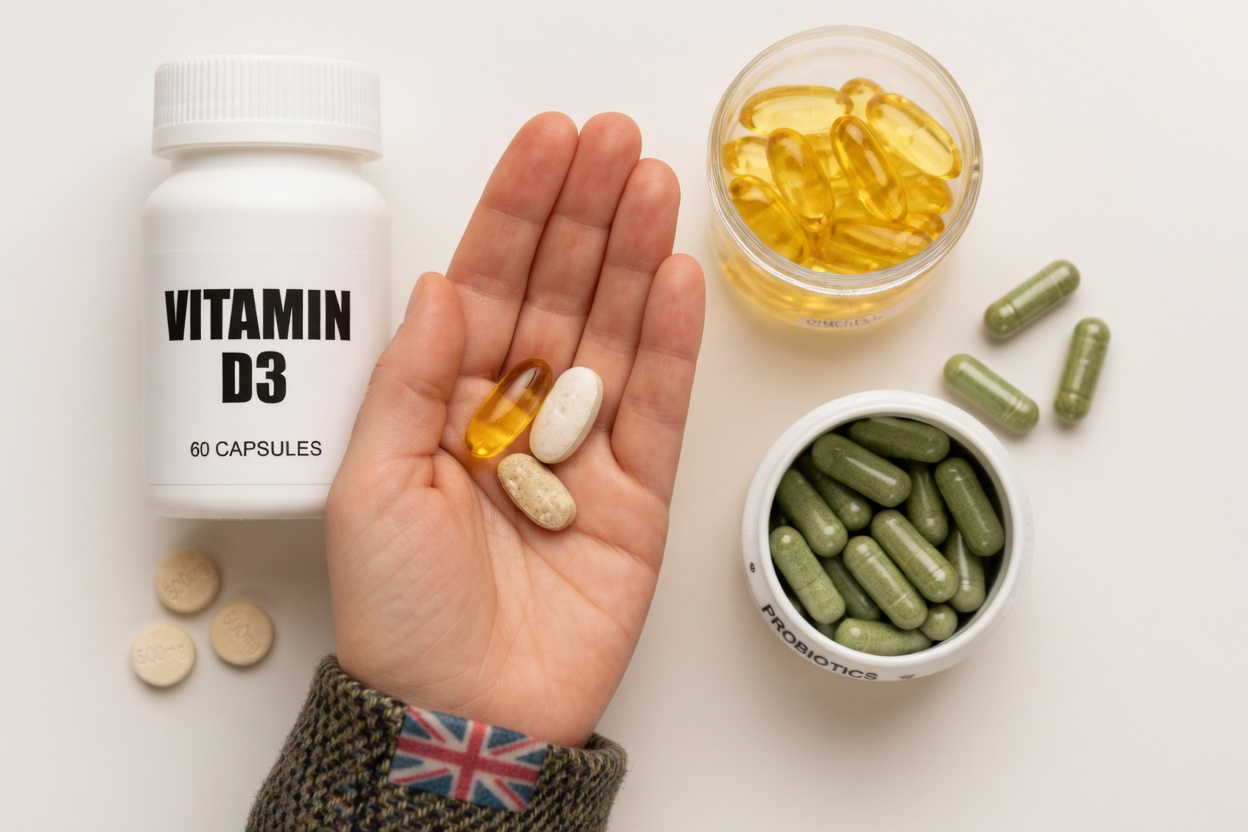
How Vitamin E Behaves in the Body: Food vs. High-Dose Supplements
Vitamin E from natural foods generally supports health in a gentle, balanced way. Nuts, seeds, and leafy greens provide vitamin E along with other nutrients and healthy fats.
However, high-dose vitamin E supplements—particularly synthetic forms taken in isolation—can act very differently in the body.
Key Differences in Vitamin E Sources for Seniors
| Aspect | Food Sources | Low-Dose Supplement | High-Dose (400+ IU) | Potential Concern for Seniors |
|---|---|---|---|---|
| Clotting Impact | Minimal effect | Mild support for normal levels | Noticeable blood thinning | Higher bleeding risk |
| Stroke Type Affected | None documented | Generally neutral | Possible increase in hemorrhagic stroke | Sudden, serious events |
| Absorption Pattern | Gradual, with meals | Predictable | Rapid rise in blood levels | Stronger overnight effects |
| Research Evidence | Often protective overall | Mostly neutral | Mixed; some studies show bleeding concerns | Meta-analyses urge caution at high doses |
| Daily Recommendation (Adults) | 15 mg (≈22 IU) from diet | Up to ~200 IU if needed | Long-term use discouraged without supervision | Seniors should consult their doctor |
For older adults concerned about stroke or on blood-thinning medications, these differences matter a great deal.
9 Ways High-Dose Vitamin E May Affect Your Health
Dose makes the difference with vitamin E. Here are nine potential issues researchers have linked to high-dose vitamin E supplements, especially in seniors.
-
Easier Bruising
If you’re noticing more bruises from minor bumps, high-dose vitamin E may be increasing blood thinning and making small vessels more fragile. -
Prolonged Bleeding from Cuts
Small cuts or nosebleeds that take longer to stop can signal altered platelet function from excess vitamin E. -
Stronger Interactions with Medications
When combined with aspirin, warfarin, clopidogrel, or other anticoagulants, high-dose vitamin E can intensify blood-thinning effects, raising bleeding risk. -
Headaches or Dizziness
Some people report sudden headaches or lightheadedness. In rare cases, these can be early signs of pressure changes from bleeding within the brain. -
Fatigue from Minor Internal Bleeds
Slow, small internal blood loss may gradually lower energy levels, even before obvious symptoms appear. -
Vision Changes
Although uncommon, pressure changes or bleeding in or around the eye can affect vision in susceptible individuals. -
Higher Fall Risk
Dizziness, weakness, or subtle neurological changes can make falls more likely—especially concerning if blood is already overly thin. -
Strain on Brain Blood Vessels
When clotting is weakened at night, small vessels in the brain may be more vulnerable if a bleed occurs. -
Increased Risk of Hemorrhagic Stroke
Several studies have linked high-dose vitamin E to a higher incidence of hemorrhagic stroke, the bleeding type that can occur suddenly and without warning.
Real-Life Experiences from People Like You
Stories from patients help bring the research into focus.
-
Elaine, 68
Elaine started taking 800 IU of vitamin E daily for “better skin and anti-aging.” She felt fine until one day she developed a sudden, severe headache. A scan showed a small brain bleed. After medical treatment, she discontinued high-dose supplements and now gets vitamin E primarily from foods like nuts and seeds. -
Frank, 72
Frank was already on prescription blood thinners when he added a high-dose vitamin E supplement he’d seen advertised. Weeks later, he experienced sudden weakness and went to the hospital. His doctors identified the combination of blood thinner and high-dose vitamin E as a likely contributor and adjusted his regimen.
These examples highlight a key point: just because a vitamin is “natural” does not mean unlimited supplemental doses are safe—especially in older adults or those on other medications.
Smarter, Safer Ways to Get Vitamin E
You can still benefit from vitamin E without exposing yourself to unnecessary risk.
Better strategies include:
-
Focus on food first
Nuts (like almonds), seeds (like sunflower seeds), vegetable oils, spinach, and avocado are excellent natural sources of vitamin E that work in harmony with other nutrients. -
Limit supplement strength
If you and your doctor decide a supplement is appropriate, many experts suggest keeping it at or below 200 IU per day, unless there is a specific medical reason for a higher dose. -
Check your actual needs
If you’re worried about deficiency, ask your healthcare provider whether testing is appropriate instead of guessing and taking large doses on your own. -
Respect your medications
If you take blood thinners or have a history of stroke, heart disease, or bleeding problems, always review vitamin E (and other supplements) with your clinician.
Practical Daily Tips and Safety Guidelines
Use these simple habits to enjoy vitamin E safely:
- Include a small handful of almonds or sunflower seeds in your daily snacks.
- Avoid taking more than 400 IU of vitamin E per day from supplements unless your doctor specifically recommends it.
- Add spinach, kale, or other leafy greens to salads, soups, or smoothies.
- If you’re on anticoagulants or antiplatelet drugs, ask your doctor before starting or continuing vitamin E supplements.
- Prefer natural mixed tocopherols (food-form vitamin E) over synthetic megadoses when supplements are needed.
- Watch for unusual bruising, frequent nosebleeds, or prolonged bleeding from cuts.
- Maintain a balanced diet with a variety of healthy fats, vegetables, and fruits rather than relying on pills.
- If you’ve used high-dose vitamin E long term, ask your healthcare provider whether routine blood work and medication reviews are appropriate.
- Enjoy avocado regularly as a tasty source of vitamin E and healthy fats.
- Never start or increase high-dose vitamin E on your own—get professional advice first.
Protect Yourself Starting Now
Ignoring the difference between food-based vitamin E and high-dose supplements can expose you to avoidable health risks, especially bleeding and hemorrhagic stroke. By choosing moderate doses and prioritizing food sources, you can support your health while reducing potential harm.
Research consistently points to a simple message:
vitamin E from whole foods offers benefits without the bleeding concerns seen in high-dose supplement trials.
You deserve confidence and peace of mind about your daily habits. With informed choices, you can support your heart, brain, and overall well-being—without assuming that “more is always better.”
A practical “hidden gem”:
A small handful of almonds most days of the week can provide a safe, natural amount of vitamin E as part of a heart-healthy diet.
FAQ About Vitamin E and Stroke Risk
-
Is vitamin E safe in low doses?
For most people, vitamin E from food and low-dose supplements is generally considered safe. The main concern arises with long-term use of high-dose vitamin E supplements, especially in seniors and those at risk for stroke or on blood thinners. Always ask your doctor what dose (if any) is right for you. -
What foods are best for natural vitamin E?
Top food sources include almonds, sunflower seeds, hazelnuts, spinach, Swiss chard, avocado, and vegetable oils such as sunflower or safflower oil. These foods supply vitamin E in a form the body handles well, without the heightened bleeding risk seen with high-dose pills. -
If I’m a senior, should I stop taking high-dose vitamin E?
Do not stop or change any supplement suddenly without speaking to your healthcare provider, especially if you have heart disease, a history of stroke, or take blood-thinning medications. Discuss your current dose, overall health, and medication list so your doctor can help you decide whether to reduce, discontinue, or adjust your vitamin E intake.
This information is for educational purposes only and does not replace personalized medical advice. Always consult your healthcare provider for guidance on vitamin E, supplements, and stroke or bleeding risk.