
Is Your Morning Oatmeal Secretly Working Against You?
Oatmeal has a reputation as a superstar breakfast, but the way you choose, cook, and top it can quietly undo many of its benefits. A few innocent missteps can trigger blood sugar spikes, nagging hunger, and stalled weight loss—even when you believe you’re making a healthy choice.
The upside: with some simple adjustments, your daily bowl of oats can once again support your energy, appetite control, and overall wellness. Before we get into exactly how to fix things, let’s walk through the most common oatmeal mistakes that trip people up and how to avoid them.

Mistake 1: Choosing Instant Oatmeal Instead of Whole Oats
Those convenient instant oatmeal packets are tempting when you’re rushing out the door, but they often come at a nutritional cost. Instant oats are heavily processed, which breaks down their structure and reduces the amount of intact fiber.
Because they digest very quickly, instant oatmeal can cause a rapid rise in blood sugar followed by a crash that leaves you tired, hungry, and craving more food shortly after breakfast.
Studies consistently show that less processed oats digest more slowly and help keep energy levels steady throughout the morning.
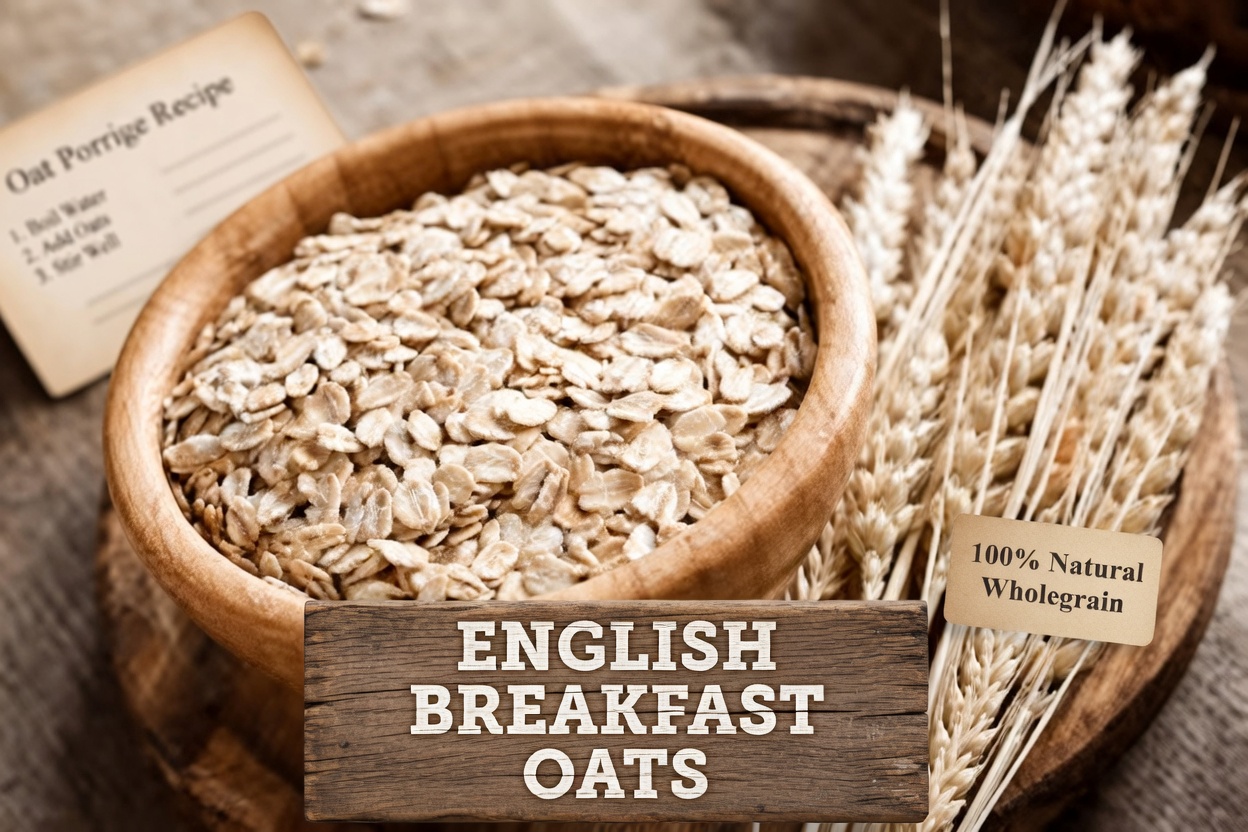
Better choice: Opt for steel-cut oats or old-fashioned rolled oats. These forms of oatmeal preserve more fiber, help regulate blood sugar, and provide longer-lasting energy.
Mistake 2: Turning Oatmeal into a Sugary Dessert
Plain oats are naturally low in sugar, but many bowls become closer to dessert than breakfast. Large spoonfuls of brown sugar, maple syrup, honey, flavored syrups, or chocolate chips can quickly transform oatmeal into a high-sugar meal.
This undermines one of the biggest advantages of oatmeal: its ability to support healthy blood sugar balance and reduce cravings.
If you find yourself rummaging for snacks soon after eating, your sweet toppings might be driving your appetite and energy crashes.
Healthier approach:
Flavor your oatmeal with naturally sweet, nutrient-rich ingredients like:
- Fresh or frozen berries
- Sliced banana or apple
- Cinnamon or nutmeg
- Pure vanilla or almond extract
These options enhance taste without loading your oatmeal with refined sugar.

Mistake 3: Ignoring Portion Sizes
Even a wholesome food like oatmeal can become an issue when portion sizes quietly increase. A typical serving of dry oats is about ½ cup, yet many people pour directly from the container into a large bowl and unintentionally double or triple that amount.
This can significantly increase calorie intake, making it harder to manage weight and maintain balanced energy.
If your oatmeal feels heavy, yet you still get hungry again soon, too-large portions without enough protein or fiber balance might be part of the problem.
Pro tip:
Measure your oats before cooking. Sticking to a consistent serving size helps regulate calories, support metabolism, and prevent “portion creep” over time.
Mistake 4: Skipping Protein in Your Oatmeal
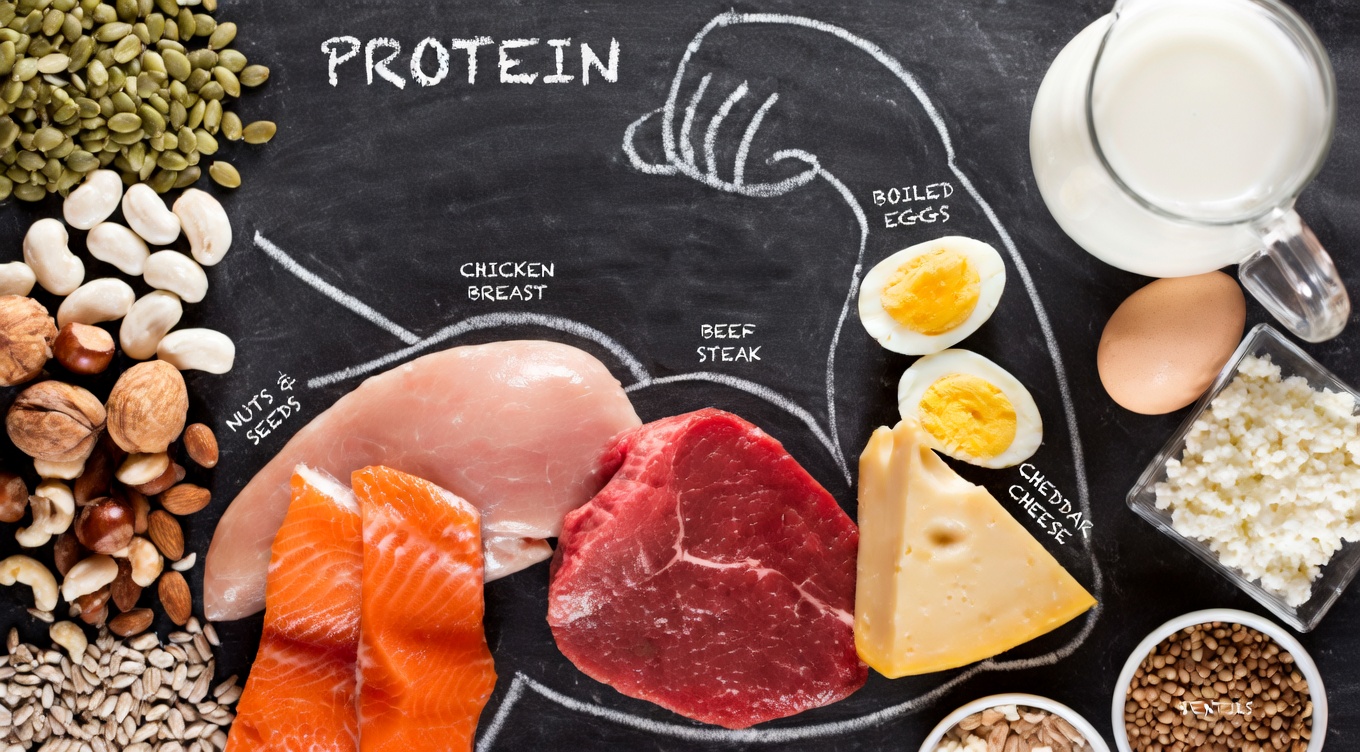
Oatmeal is naturally rich in complex carbohydrates and fiber, but it’s relatively low in protein on its own. When you eat a bowl of plain oats with no added protein, you’re more likely to feel hungry again well before lunchtime.
Protein slows digestion, stabilizes blood sugar, and increases satiety—key factors if you want your breakfast to keep you full and focused for hours.
If your oatmeal doesn’t carry you through the morning, missing protein is a likely reason.
Smart additions for extra protein:
- Greek yogurt
- Cottage cheese
- Chia seeds or hemp seeds
- Nut or seed butter (almond, peanut, sunflower)
- A scoop of your favorite protein powder
Combining oats with protein helps transform your oatmeal into a more balanced, satisfying meal.
Mistake 5: Overloading on High-Calorie Toppings
Toppings like nut butter, granola, and coconut flakes are often marketed as healthy add-ons—and they can be—but they’re also very calorie-dense. A couple of extra spoonfuls can send your bowl from moderate to very high in calories quickly.
If you’re trying to lose or maintain weight, this can stall progress even though your breakfast “looks healthy.”
When your oatmeal seems virtuous but your weight isn’t budging, an overabundance of rich toppings may be quietly working against you.
Better strategy:
- Use nut butters and granola in measured amounts.
- Prioritize fresh fruit, spices, and a small sprinkle of seeds or nuts.
- Think of calorie-dense toppings as accents, not the main event.
Mistake 6: Cooking Oats in a Way That Spikes Blood Sugar
The cooking method you use can affect how your oatmeal impacts your body. Zapping oats in the microwave with lots of water and overcooking them until they’re gluey can break down their texture and make them digest more rapidly.
When oats digest too fast, they can raise blood sugar more quickly and leave you hungry sooner.
If your oatmeal turns out mushy and you notice an energy slump not long after eating, the way you cook your oats might be part of the issue.
More effective cooking method:
- Cook rolled or steel-cut oats gently on the stovetop.
- Use a mix of water and milk (dairy or unsweetened plant-based) for better texture and nutrition.
- Stir occasionally and avoid overcooking to keep some structure in the oats.
This slower approach helps preserve their satisfying texture and the steady energy release oats are known for.
Mistake 7: Skipping Extra Fiber-Rich Add-Ins
Oats are already a good source of beta-glucan, a powerful soluble fiber that supports heart health and cholesterol control. However, stopping there means you might miss out on an opportunity to significantly boost your fiber intake.
Higher-fiber meals help improve digestion, enhance feelings of fullness, and support more stable blood sugar.
If you experience sluggish digestion or notice you’re hungry again too soon, your oatmeal might benefit from a fiber upgrade.
Great fiber-boosting add-ins:
- Ground flaxseeds
- Chia seeds
- Raspberries, blueberries, or blackberries
- Diced apple or pear
Combining oats with these foods can amplify the gut health and weight management benefits of your breakfast.
How to Prepare Oatmeal the “Professional” Way
To get the most health benefits from oatmeal, you want a bowl that’s balanced in carbohydrates, protein, healthy fats, and fiber. Here’s a simple, dietitian-approved framework:
-
Start with quality oats:
Use ½ cup of dry rolled oats or steel-cut oats. -
Cook gently:
Simmer with water, milk, or a mix of both until creamy but not overcooked. -
Add protein:
Stir in Greek yogurt, a scoop of protein powder, cottage cheese, or seeds like chia and hemp. -
Include healthy fats:
Add a small spoonful of nut butter, nuts, or seeds for satiety and nutrient absorption. -
Top with natural sweetness and fiber:
Finish with fresh fruit, spices like cinnamon, and fiber-rich add-ins such as ground flaxseeds.
This approach turns your oatmeal into a complete meal that supports steady energy, smoother digestion, and longer-lasting fullness.
Final Thoughts
Oatmeal can be a powerful, health-supportive breakfast—when it’s prepared thoughtfully. By:
- Choosing less processed oats
- Limiting added sugars
- Watching portion sizes
- Including plenty of protein and fiber
- Using a gentle, slower cooking method
- Being intentional with toppings
you can transform your oatmeal from a hidden saboteur into a reliable ally for energy, appetite control, and weight management.
Aim for oatmeal that is minimally processed, lightly sweetened, and packed with nutrients. When you build your bowl this way, you’ll set yourself up for a more energized, satisfied, and productive morning.
FAQ
What is the healthiest type of oatmeal to choose?
Steel-cut oats and old-fashioned rolled oats are generally the best options. They are less processed than instant oatmeal packets, retain more fiber, and digest more slowly, which supports stable blood sugar and longer-lasting fullness.
How much protein should I add to my oatmeal?
Aim for about 10–15 grams of protein per bowl. You can reach this by adding Greek yogurt, cottage cheese, a scoop of protein powder, or a combination of seeds and nut butter. This helps keep you satisfied and supports better blood sugar control.
Can oatmeal still support weight management if prepared correctly?
Yes. When you use whole oats, control portions, limit added sugars, and add enough protein and fiber, oatmeal can be an excellent tool for weight management. It promotes fullness, helps prevent energy crashes, and can reduce the urge to overeat later in the day.