7 Everyday Foods That May Make Amlodipine Side Effects Worse
Living with troublesome amlodipine side effects—like puffy ankles, facial flushing, or sudden spells of dizziness—can turn normal routines into a daily struggle. Even when you take your medication as prescribed and try to stay active, you might still find yourself battling tight shoes, visible swelling, or heat rushing to your face during important moments. Over time, this constant discomfort can chip away at your confidence and leave you wondering what else might be quietly making things worse.
A factor many people overlook is food. Certain everyday foods and drinks can change how amlodipine is processed in your body or influence fluid balance and blood pressure, potentially intensifying side effects without you realizing it.
In this guide, you’ll learn about 7 common foods and beverages that research links to worsening amlodipine side effects—and simple swaps that may help ease the burden.
1. Grapefruit and Grapefruit Juice: The Classic Hidden Trigger
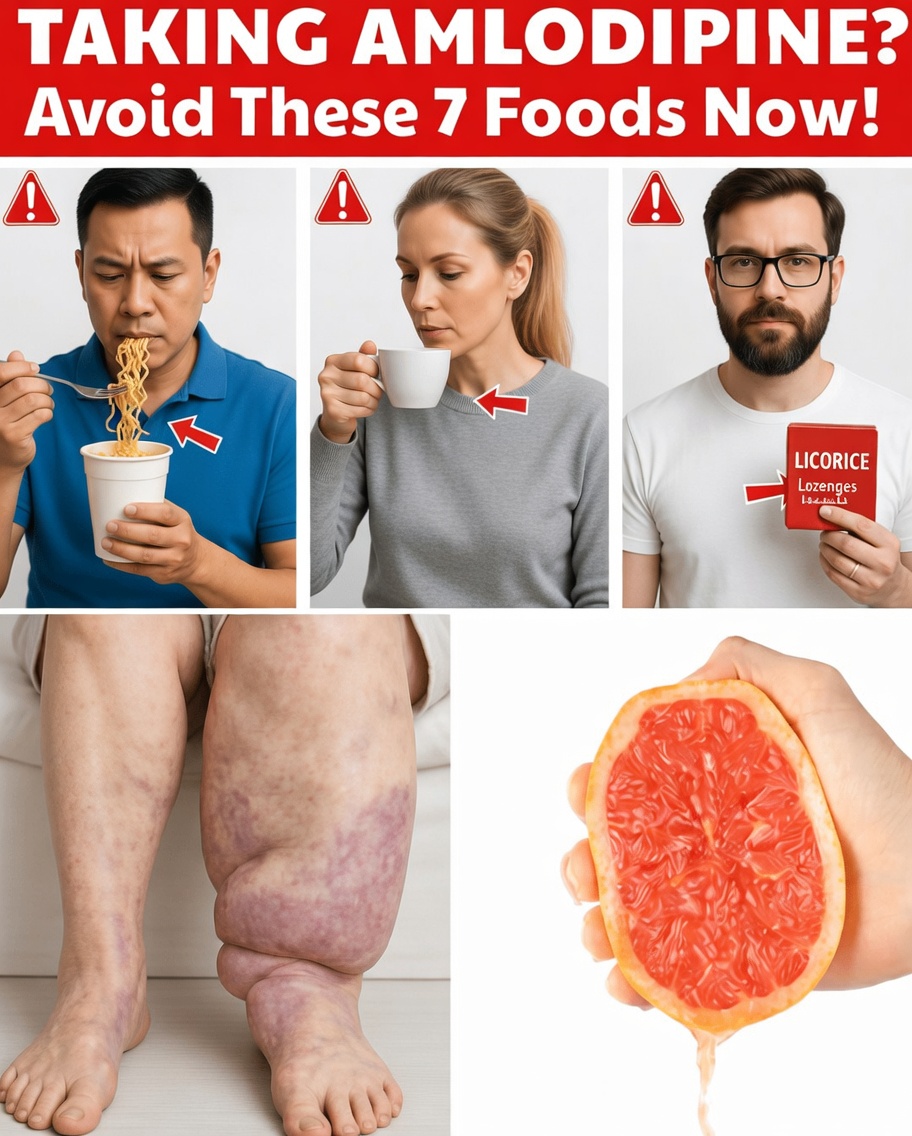
Grapefruit and grapefruit juice are often marketed as healthy, refreshing choices, but for people taking amlodipine they can cause real problems. Compounds in grapefruit inhibit a key enzyme in the liver that normally helps break down amlodipine. When that enzyme is blocked, more of the drug stays in your bloodstream for longer.
The result? A higher effective dose of amlodipine, which can translate into stronger side effects such as ankle and foot swelling, facial flushing, and sudden lightheadedness.
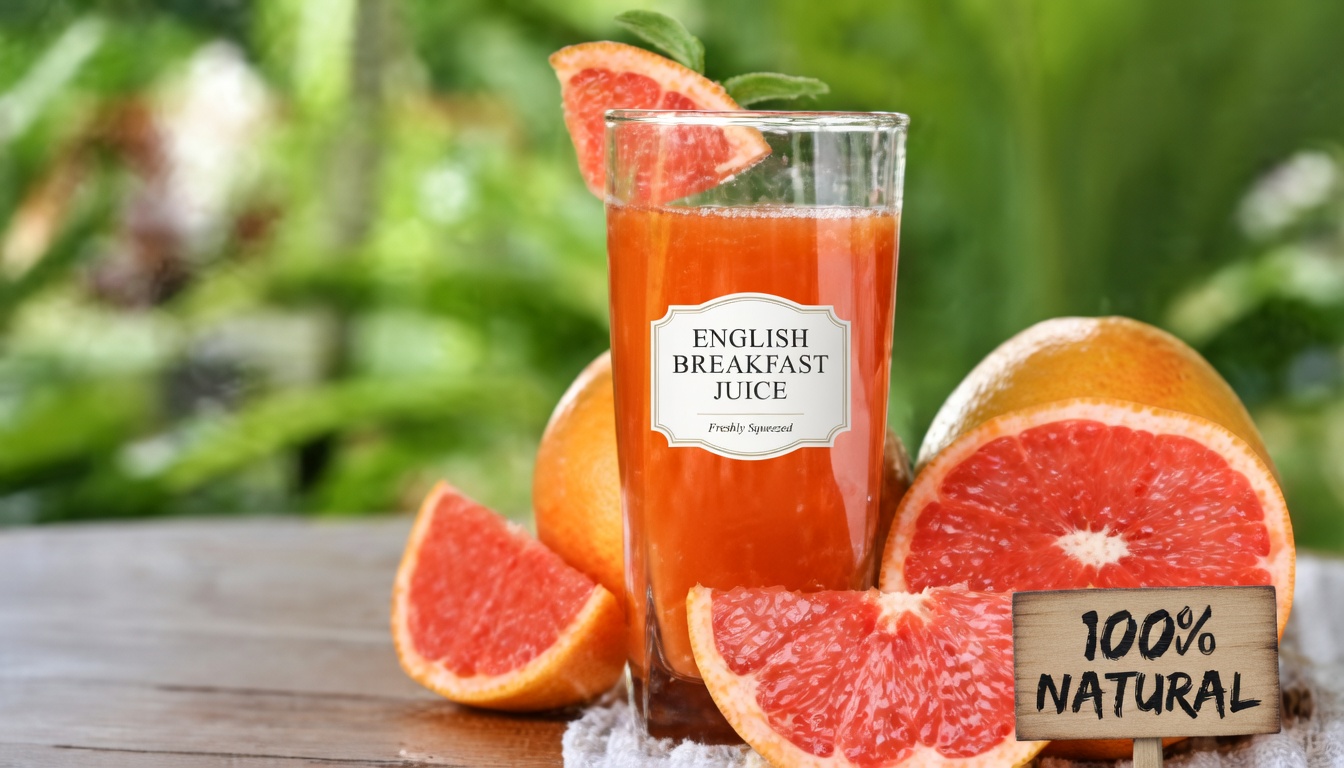
Studies have shown that even a single glass of grapefruit juice can alter amlodipine levels for several hours. If your legs feel more swollen by afternoon or you notice more flushing on days you drink citrus juices at breakfast, grapefruit may be playing a role.
Better choices instead of grapefruit:
- Choose oranges, tangerines, or mandarins for a similar citrus flavor and vitamin C.
- Add lemon or lime slices to water for a bright, tangy drink without the interaction.
- Rotate in berries, apples, or kiwi to keep your fruit intake varied and colorful.
Many people notice that their amlodipine side effects become more manageable once they consistently avoid grapefruit products.
2. Salty Foods and High-Sodium Meals: Fuel for Fluid Retention
Salt may not seem directly related to your medication, but high-sodium foods can significantly intensify one of the most common amlodipine side effects: swelling (peripheral edema). Excess sodium causes your body to retain more water. When this fluid buildup combines with the blood-vessel–widening effect of amlodipine, it tends to pool in the lower legs and ankles.
Common high-sodium culprits include:
- Packaged chips and crackers
- Canned soups and instant noodles
- Processed meats like ham, bacon, and deli cold cuts
- Bottled sauces, dressings, and soy sauce
Heart-health organizations repeatedly warn that most people consume far more sodium than recommended, which can make amlodipine-related swelling and discomfort harder to control. By the end of the day, this can leave your feet too swollen for your shoes and your legs feeling heavy and tired.
Simple strategies to cut down on sodium:
- Read nutrition labels and pick “low-sodium” or “no added salt” versions when possible.
- Season food with herbs, spices, garlic, onion, or lemon juice instead of reaching for the salt shaker.
- Choose fresh or frozen vegetables instead of canned varieties, or rinse canned vegetables under water before cooking.
Even modest reductions in salt intake can help ease fluid retention and lessen the swelling associated with amlodipine side effects.
3. Alcohol: A Double Hit on Blood Pressure
Alcohol may seem harmless in small amounts, but it can interact with amlodipine in ways that make side effects more noticeable. Alcohol itself widens blood vessels and can lower blood pressure. When combined with amlodipine—another vasodilator—the drop in blood pressure can be more dramatic than expected.
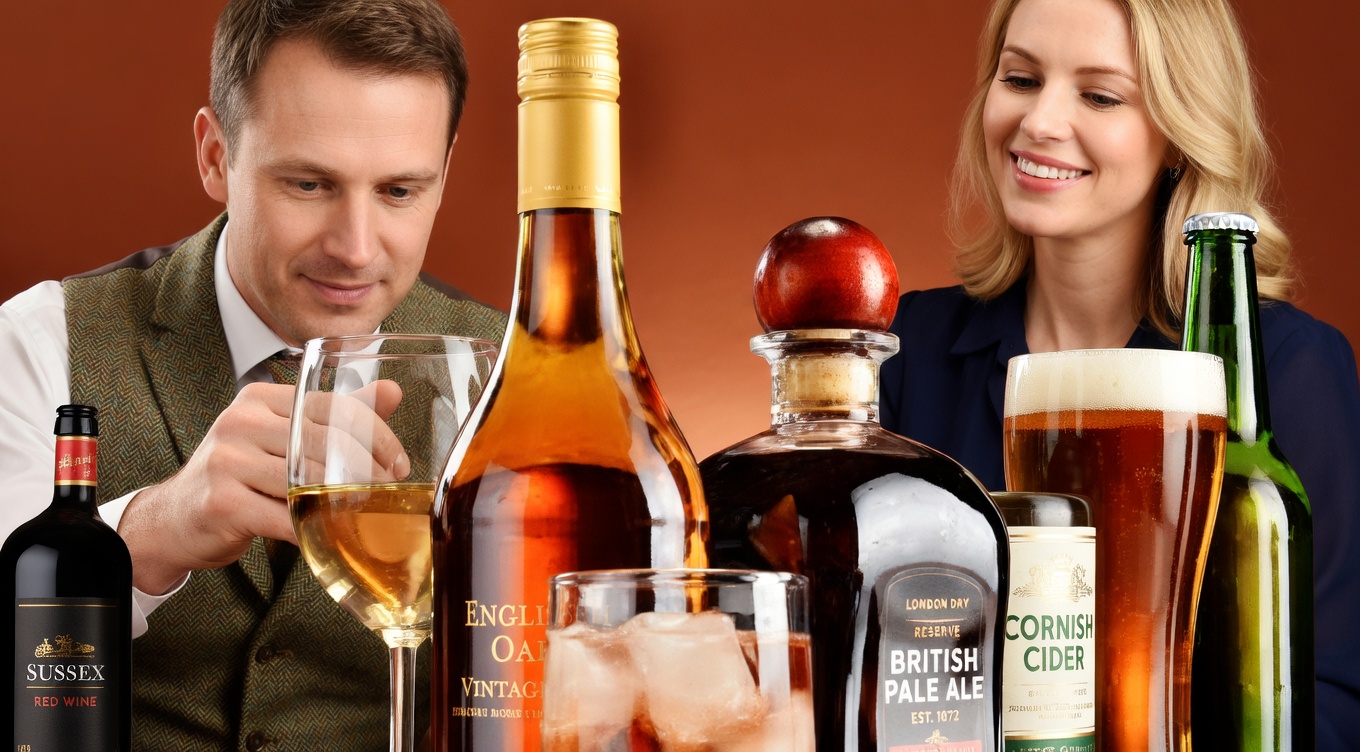
This can lead to:
- Dizziness or feeling faint when standing
- More intense facial flushing
- Lightheadedness, especially in warm environments or after standing up quickly
Alcohol also promotes dehydration, which can concentrate the drug in your system and intensify amlodipine side effects further. Darker alcoholic drinks may contain additional compounds that provoke headaches, adding to your discomfort.
If you notice that episodes of dizziness or flushing often follow social events or drinks in the evening, alcohol may be amplifying your side effects and undermining your sense of stability and confidence.
Gentler alternatives to alcohol:
- Sparkling water with lemon, lime, or a splash of fruit juice.
- Herbal teas served hot or iced.
- Alcohol-free versions of beer, wine, or cocktails, in moderation.
If you choose to drink, keep the amount small, have it with food, and monitor how your body responds. Reducing or avoiding alcohol often makes amlodipine side effects easier to live with.
4. Licorice (Candy, Tea, or Supplements): A Quiet Blood Pressure Disrupter
Licorice—whether in traditional candies, flavored teas, or herbal supplements—contains compounds that can upset your body’s fluid and mineral balance. Natural licorice can cause your body to retain sodium and lose potassium, changes that tend to raise blood pressure and encourage fluid buildup.
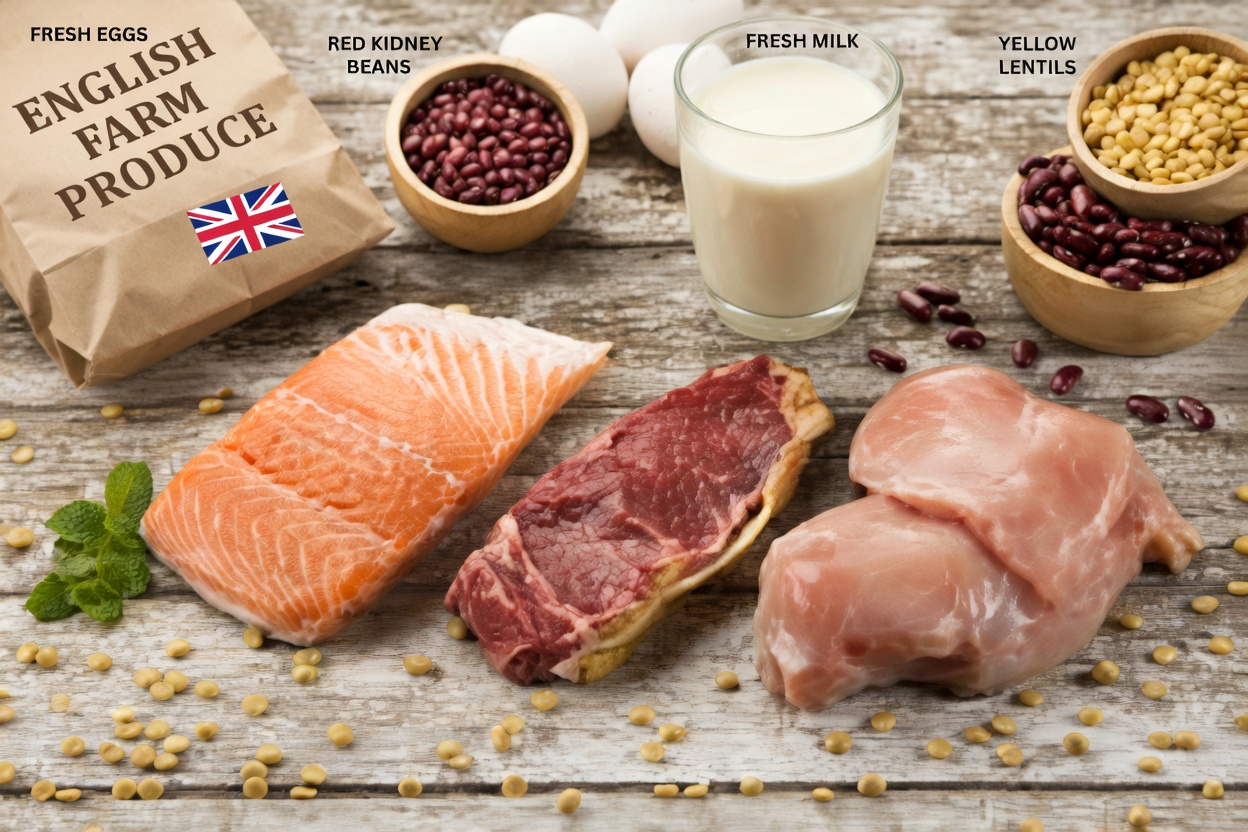
For someone on amlodipine, this means:
- Worsening leg and ankle swelling
- More difficulty keeping blood pressure under control
- Increased fatigue or muscle cramps in some cases
Many people don’t realize that “natural licorice” is present in certain teas, cough syrups, lozenges, and herbal products. This hidden ingredient can quietly undermine the benefits of amlodipine and make side effects more unpredictable and bothersome.
Safer options instead of licorice:
- Choose herbal teas like ginger, peppermint, rooibos, or chamomile.
- Check product labels carefully for “licorice root” or “glycyrrhiza glabra.”
- Opt for candies and lozenges that clearly state “no licorice” or use other flavorings.
Avoiding licorice-containing products often leads to more stable blood pressure control and fewer fluctuations in amlodipine side effects.
5. Heavy, High-Fat Meals: Making Symptoms Less Predictable
Very rich, greasy meals—think fast food, deep-fried dishes, or large portions of creamy sauces—can influence how your body absorbs and responds to medications, including amlodipine. While they don’t usually cause a direct drug interaction, heavy fats can slow digestion and alter the timing of absorption.
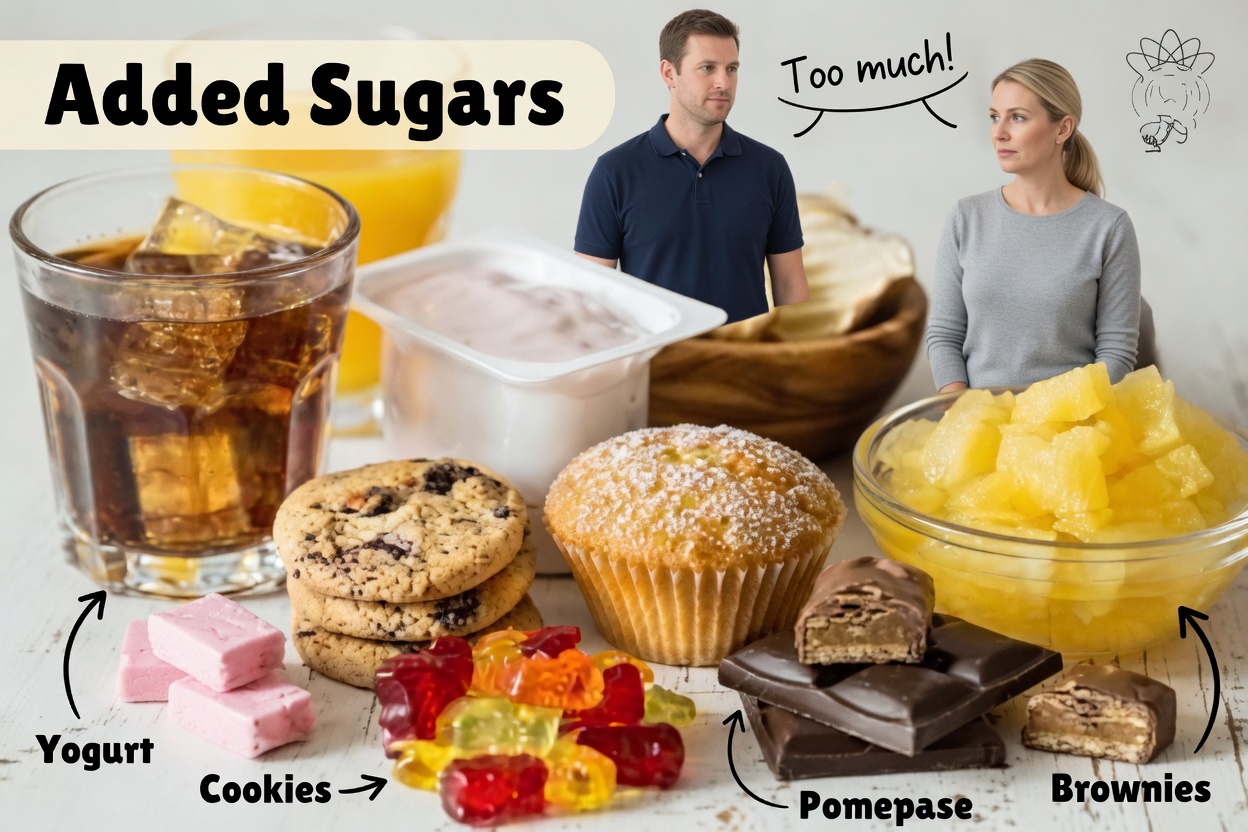
For some people, this may make side effects like flushing, dizziness, or fatigue feel more erratic, especially when a large meal is eaten close to their medication time. The added digestive discomfort, bloating, and sluggishness can layer on top of existing swelling and tiredness.
If you notice that your amlodipine side effects seem more intense or unpredictable after rich dinners or large restaurant meals, your eating pattern could be contributing.
Healthier ways to structure your meals:
- Include modest amounts of healthy fats from sources like avocado, nuts, seeds, and olive oil.
- Emphasize lean protein (fish, poultry, beans) and plenty of vegetables.
- Keep meals smaller and lighter around the time you take amlodipine, spacing heavier foods further away from your dose.
Balanced, less greasy meals can support more consistent comfort and may help keep amlodipine side effects from spiking.
6. Caffeine and Energy Drinks: Stimulants That Can Add to the Strain
Caffeinated drinks—such as coffee, black or green tea, cola, and energy drinks—act as stimulants. They can temporarily raise heart rate and blood pressure, especially in higher amounts or in people sensitive to caffeine.
For someone taking amlodipine, this stimulant effect can:
- Make headaches and facial flushing feel more intense
- Contribute to feelings of jitteriness or restlessness
- Worsen the sense of being “off balance” if dizziness is already an issue
The combination of caffeine-induced alertness and amlodipine-related dizziness or fatigue can leave you feeling unsettled for much of the day.
More caffeine-conscious habits:
- Limit yourself to one small cup of coffee or tea early in the day, rather than drinking it throughout the day.
- Try decaffeinated coffee or tea to maintain the ritual without the stimulant effect.
- Drink more plain water or lightly flavored water (with fruit slices or herbs) to stay well hydrated.
Many people find that dialing back on caffeine helps smooth out their daily experience with amlodipine side effects.
7. Processed and Packaged Foods: A Concentrated Source of Salt and Additives
Frozen meals, instant side dishes, packaged snacks, and many “ready-to-eat” products are loaded with sodium, sugar, and various additives. These ingredients can drive fluid retention, raise blood pressure, and generally make your body work harder to maintain balance—all of which can make amlodipine side effects more difficult to manage.
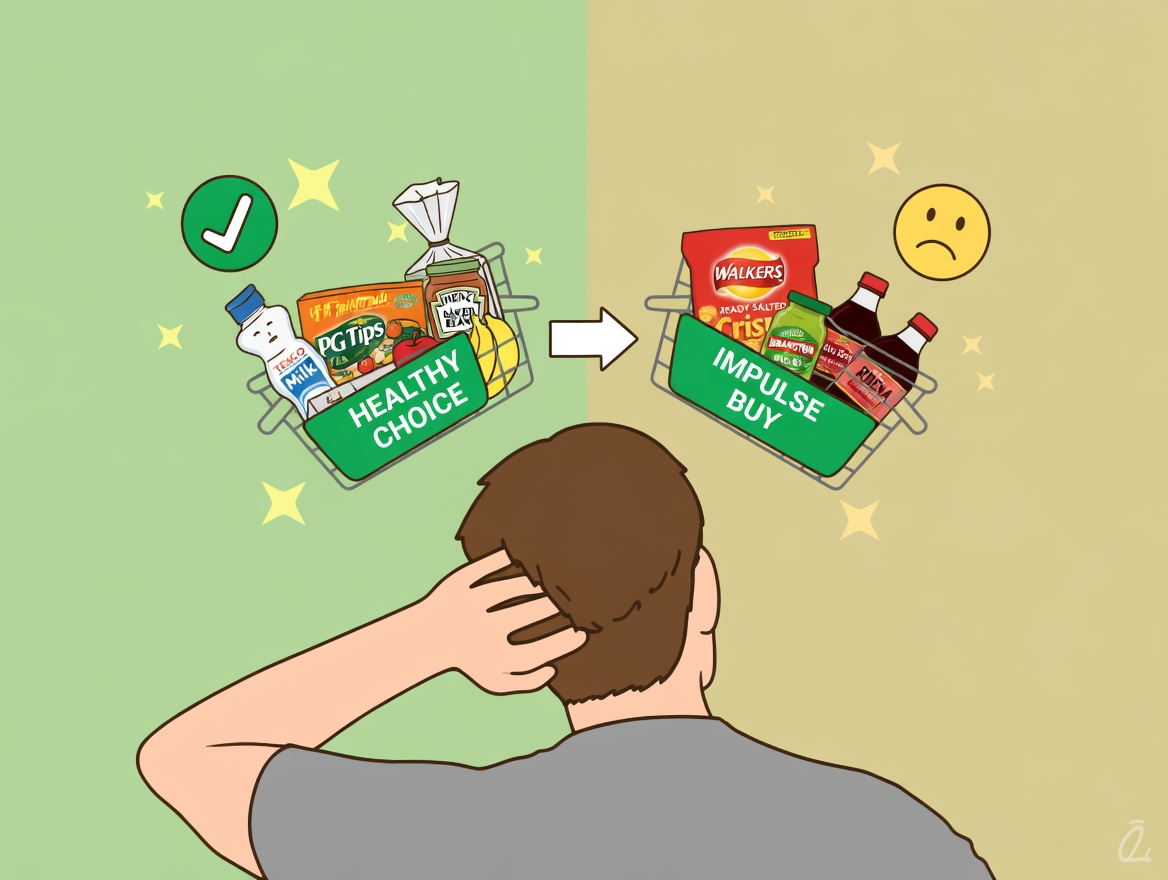
Regular reliance on these convenient options may lead to:
- More pronounced swelling in the feet, ankles, or legs
- Frequent headaches or a sense of pressure
- Extra fatigue and bloating that compound medication side effects
When you are already dealing with amlodipine-related issues, the extra burden from ultra-processed foods can leave you feeling tired, uncomfortable, and discouraged.
Practical step-downs from processed foods:
- Cook simple homemade versions of your favorite dishes using fresh ingredients.
- When you do buy packaged foods, choose items with short ingredient lists and less sodium and sugar.
- Base your meals around whole foods—fruits, vegetables, whole grains, beans, and minimally processed proteins.
Over time, shifting toward a more whole-food diet often brings noticeable improvements in swelling, energy, and overall comfort while taking amlodipine.
Quick Reflection: How Are Foods Affecting Your Amlodipine Side Effects?
Use these questions to check in with yourself and identify your biggest triggers:
- How many of the 7 food categories that may worsen amlodipine side effects show up in your regular weekly diet?
- Which amlodipine side effects (swelling, flushing, dizziness, headaches, fatigue) bother you the most right now?
- What is one realistic food or drink swap you can start this week to see if your symptoms improve?
Even small, consistent changes—like cutting back on salty snacks, skipping grapefruit juice, or choosing water instead of alcohol or energy drinks—can make a meaningful difference in how you feel day to day while taking amlodipine.