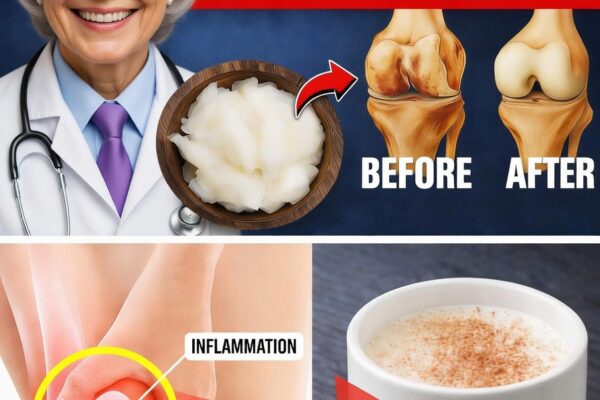
Waking Up with Morning Joint Pain After 50
Starting the day with stiff, aching joints can turn a good morning into an exhausting struggle, especially for adults over 50. When your knees, hips, hands, or lower back feel sore and rigid as soon as you get out of bed, even simple movements can feel like a chore.
This ongoing morning joint pain doesn’t just limit physical mobility; it can also create worry about staying independent, enjoying time with family, and keeping up with hobbies you love.

The good news: three key vitamins that many older adults don’t get enough of may play a meaningful role in joint support and in making those first few hours of the day more comfortable. Below, you’ll learn what they are and how to start adding them, beginning today.
Why Morning Joint Pain Often Gets Worse After Age 50
As we get older, it’s common for morning stiffness and joint pain to become more noticeable. Several age-related changes in the body can contribute:
- Cartilage gradually thins as natural collagen production declines
- Low-grade inflammation can build up overnight while you are inactive
- Calcium may not always be directed to bones, and can sometimes accumulate where it shouldn’t
All of this can lead to that familiar “creaky” feeling when you first move in the morning.
Many people over 55 report regular joint stiffness, and mornings are often the hardest time of day. Activities that once felt effortless—gardening, playing with grandchildren, walking the dog—can start to feel limited by morning joint pain.

You may have already tried stretching, over-the-counter pain relievers, or hot showers. While those can help temporarily, addressing key nutrients can provide deeper, long-term support for joint function at the cellular level. That’s where vitamins C, D, and K2 come in.
The 3 Vitamins That Can Help Support Joints and Ease Morning Stiffness
Research highlights vitamin C, vitamin D, and vitamin K2 as a particularly helpful trio for supporting joint structures and comfort. Together, they influence:
- Collagen production
- Inflammation balance
- Proper calcium use and placement
Each vitamin works through different mechanisms, but they complement one another, creating a synergistic effect that can support more comfortable mornings.
Vitamin C: Supporting Collagen and Cushioning in the Joints
If your joints feel dry, brittle, or fragile in the morning, vitamin C may be especially important. This vitamin is required for making collagen, the main structural protein that helps form and repair:
- Cartilage
- Tendons
- Ligaments
- Other connective tissues around the joints
Long-term observational studies have found that people with higher vitamin C intake often show slower progression of certain joint changes. Because vitamin C also acts as a powerful antioxidant, it helps combat oxidative stress, which is often linked to joint discomfort.
Many older adults notice that when they regularly increase vitamin C-rich foods, their daily flexibility and comfort improve over time. For example, a retired teacher who began adding more colorful fruits and vegetables to her meals reported feeling smoother, less stiff movement within several weeks.
To naturally increase vitamin C and support your joints, focus on:
- Red and yellow bell peppers
- Fresh kiwi, strawberries, or guava
- Broccoli, Brussels sprouts, or kale
- Citrus fruits such as oranges, grapefruit, and mandarins

Aim for consistent daily intake through food. If you use a supplement, talk to your healthcare provider first and consider splitting the dose throughout the day. This small habit can help build a stronger foundation for easing morning joint pain.
Vitamin D: Helping Calcium Absorption and Reducing Stiffness
Vitamin D deficiency is widespread among adults over 50 and can influence how joints feel, particularly in the morning. Vitamin D plays several key roles:
- Enhances calcium absorption from the gut
- Supports bone strength and density
- Modulates immune activity, which can affect inflammation levels
Clinical observations have linked healthier vitamin D levels with better joint markers and less stiffness in many individuals. A simple blood test can show whether low vitamin D might be worsening your morning joint pain.
Ways to boost vitamin D include:
- Spending about 10–15 minutes in midday sun on arms and legs (depending on skin type and climate)
- Eating vitamin D-rich foods such as salmon, mackerel, sardines, egg yolks, and fortified dairy or plant milks
- Using a vitamin D3 supplement if recommended by your healthcare provider, ideally taken with a meal that contains healthy fats for better absorption
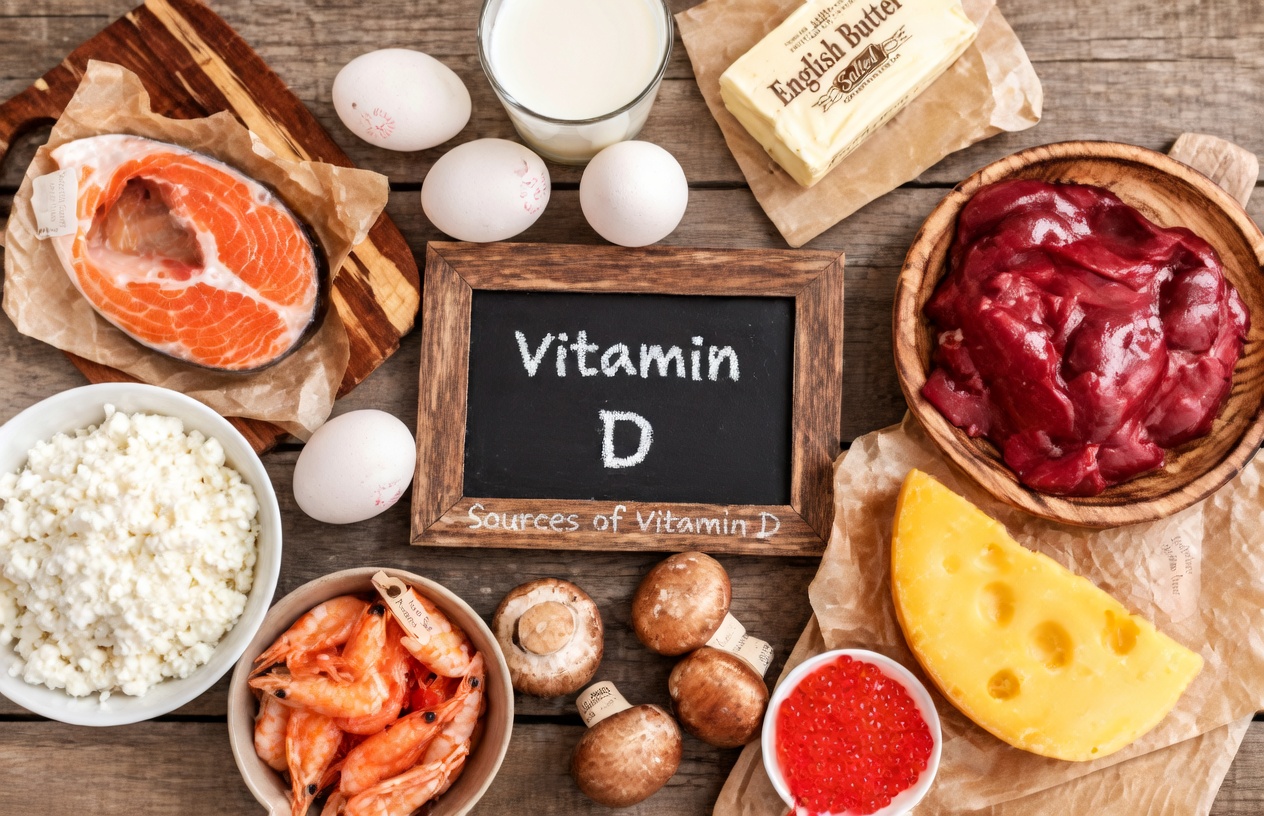
Many people report feeling more mobile and less stiff after bringing their vitamin D levels into a healthy range.
Vitamin K2: Guiding Calcium to the Right Places
Vitamin K2 is often overlooked but is crucial for proper calcium management in the body. It acts like a “traffic controller,” helping ensure calcium:
- Is directed into bones and teeth, where it belongs
- Is less likely to contribute to unwanted deposits in soft tissues, including arteries and potentially around joints
Vitamin K2 activates specific proteins, such as matrix Gla protein (MGP), that regulate calcification. Studies on these proteins suggest that adequate K2 intake supports healthier, more flexible tissues.
Good food sources of vitamin K2 include:
- Fermented cheeses like Gouda, Edam, and Brie
- Fermented vegetables such as sauerkraut
- Natto (a traditional Japanese fermented soybean dish, very rich in K2)
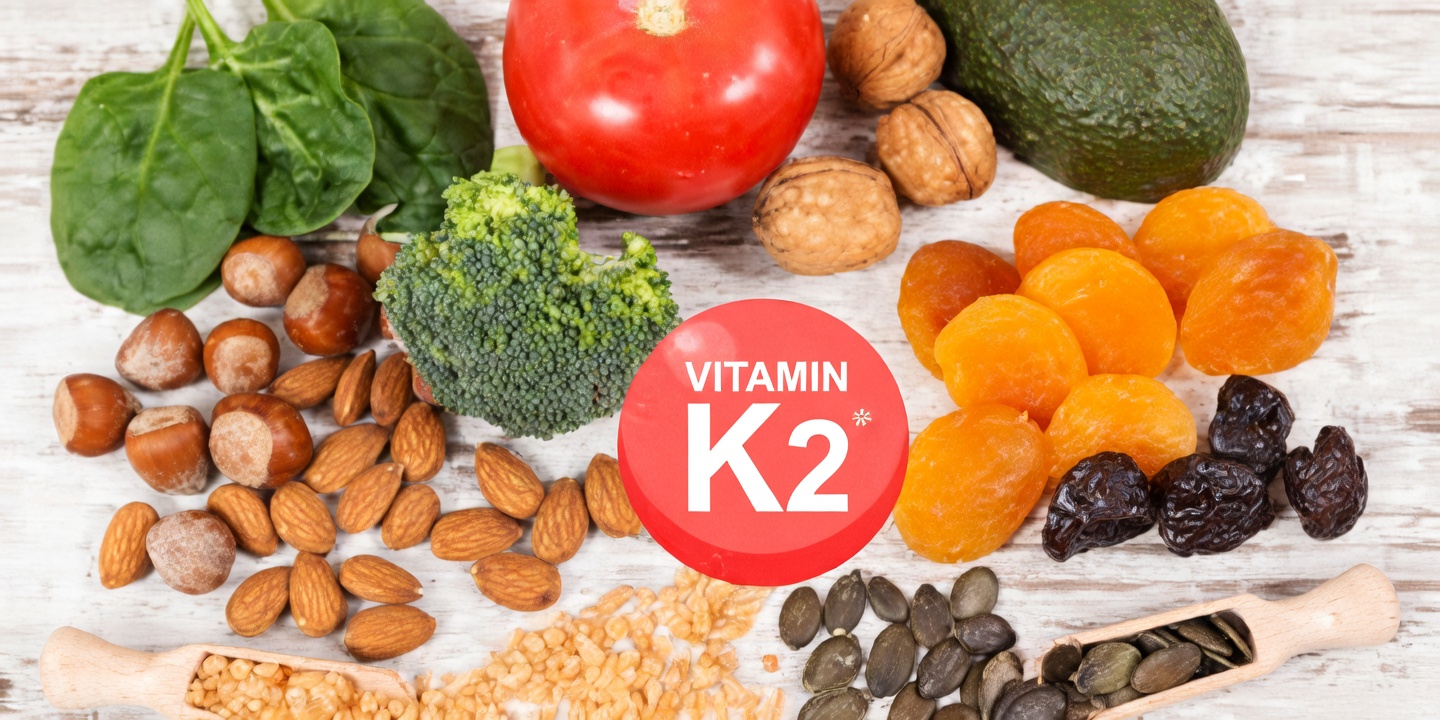
For supplements, the MK-7 form of vitamin K2 is commonly used because it stays in the body longer. However, if you take blood-thinning medications or have clotting disorders, talk with your doctor before adding K2, as it can interact with these drugs.
For some people, vitamin K2 is the “missing piece” when joint stiffness persists despite other efforts.
How Vitamins C, D, and K2 Work Together for Morning Joint Relief
These three vitamins form a strong team:
- Vitamin C helps build and maintain the collagen framework that cushions and supports your joints.
- Vitamin D helps your body absorb and use calcium, reinforcing bones and influencing immune and inflammation responses.
- Vitamin K2 helps direct that calcium into bones and away from soft tissues where it could cause problems.
If one of these is lacking, overall results may be limited. When all three are optimized, they provide more comprehensive support for joint comfort, especially in the morning.
Here’s a simplified comparison of these vitamins versus a common short-term option:
| Approach | Supports Collagen | Helps Calcium Balance | May Help Modulate Inflammation | Best Use Tip for Morning Joint Pain |
|---|---|---|---|---|
| Vitamin C | Essential | Indirectly | Yes, via antioxidant action | Eat colorful fruits and vegetables daily |
| Vitamin D | Indirectly | Yes | Yes, via immune support | Check blood levels; combine sun + food |
| Vitamin K2 | Indirectly | Critical | Indirectly | Include fermented foods; consider MK-7 with D |
| NSAIDs | No | No | Short-term, temporary relief | Use only as directed for short-term flare-ups |
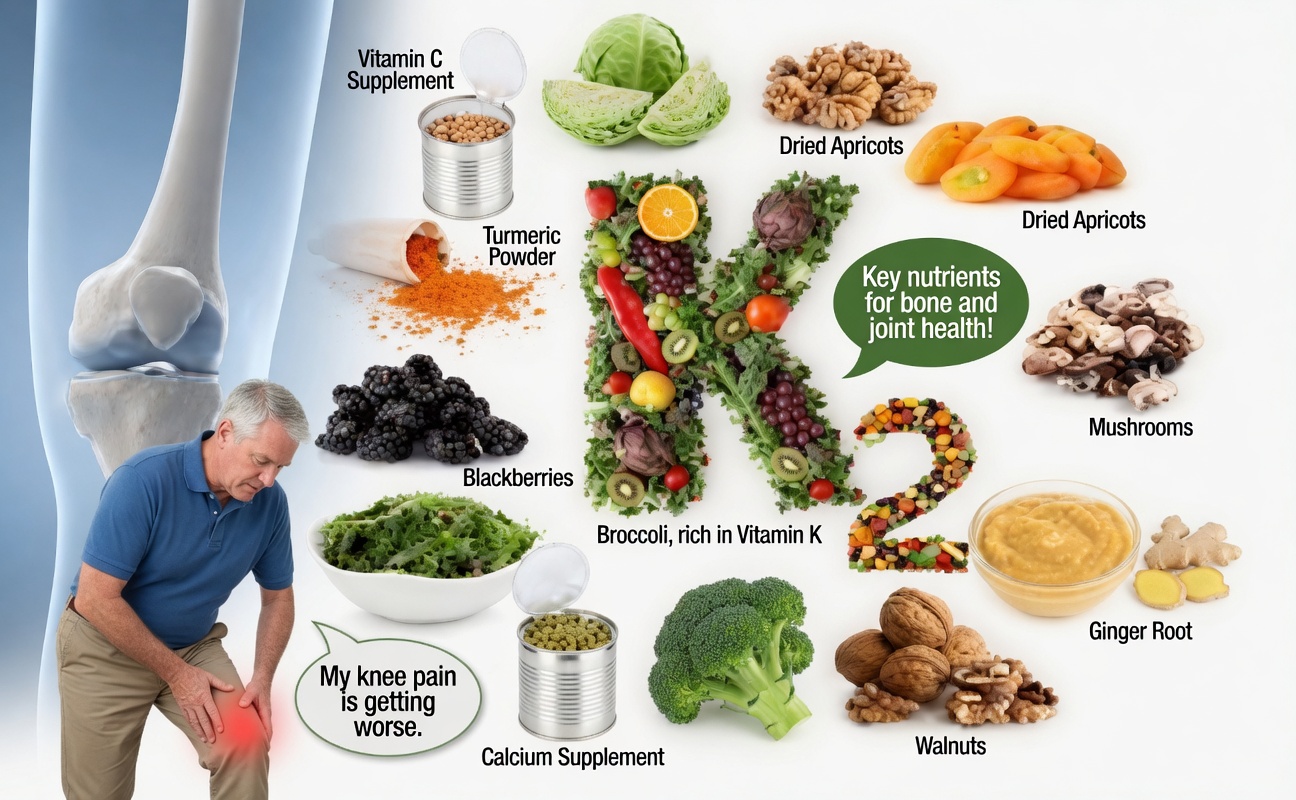
This synergy explains why many older adults see better and more lasting improvements when they address all three vitamins together rather than focusing on just one.
A Simple 30-Day Starter Plan for Easier Mornings
If you’re ready to take action, here is a gentle, step-by-step plan you can follow over the next month. Always adjust based on your healthcare provider’s advice.
Week 1: Focus on Vitamin C
- Add 2–3 servings of vitamin C-rich foods each day
- Include peppers, citrus, or berries with breakfast to start supporting morning comfort
- Consider adding a side of raw veggies or a fruit salad to lunch or dinner
Week 2: Add Vitamin D
- Spend 10–15 minutes in safe sunlight, if possible, most days of the week
- Include fatty fish or vitamin D-fortified foods in your meals
- Ask your doctor about a vitamin D blood test and whether you might benefit from a supplement
Weeks 3–4: Introduce Vitamin K2 and Build a Routine
- Include K2-rich foods (such as aged cheese or fermented vegetables) several times per week
- If appropriate, discuss a combined vitamin D3 + K2 supplement with your healthcare provider
- Keep a simple daily log: rate your morning joint pain from 1–10 to track any changes over time
- Continue your vitamin C and D habits for consistent support
For best absorption, take vitamin D and K2 with a meal that contains healthy fats, such as olive oil, avocado, nuts, or fatty fish.
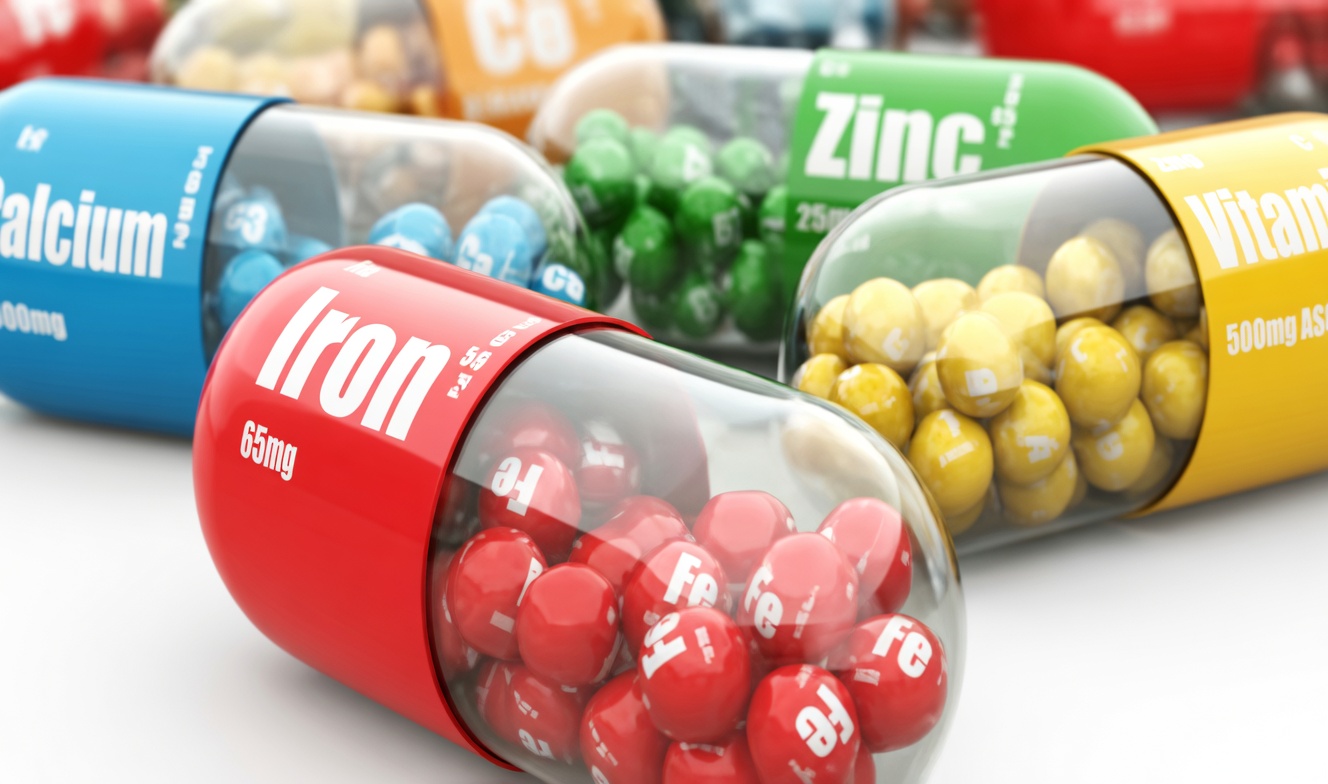
Many people find that within a few weeks to a few months of maintaining these habits, mornings become less stiff and more manageable.
Final Thoughts: Using Smart Nutrition to Tackle Morning Joint Pain
Morning joint pain does not have to be an unchangeable part of getting older. By focusing on:
- Vitamin C for collagen and connective tissue
- Vitamin D for calcium absorption and immune balance
- Vitamin K2 for guiding calcium into bones and away from soft tissues
you can build a stronger nutritional foundation for more comfortable joints.
Start with one simple step today—maybe a colorful salad loaded with peppers and citrus, or a brief walk in the sunshine—and gradually layer in the others. Over time, these small, consistent choices can support more active, enjoyable days with less morning stiffness.
FAQ: Morning Joint Pain and Vitamins
1. What is the best way to get these vitamins for morning joint pain support?
Whenever possible, aim to get vitamins from whole foods first. Whole foods provide not only vitamins but also fiber, minerals, and other beneficial compounds. Supplements can fill gaps when needed, but should ideally be used under professional guidance.
2. How soon might I notice a difference in my morning joint pain?
Results vary widely from person to person. Some individuals report better flexibility and less stiffness within 4–12 weeks of consistent changes. Factors such as overall health, activity level, diet quality, and underlying conditions all play a role. Patience and consistency are important.
3. Are there risks to taking vitamin supplements for morning joint pain?
Most vitamin supplements are safe when used correctly, but they can interact with medications or underlying health conditions, and excessive doses can be harmful. Consult your healthcare provider before starting new supplements, and consider blood tests to assess your current levels.
This article is for informational purposes only.