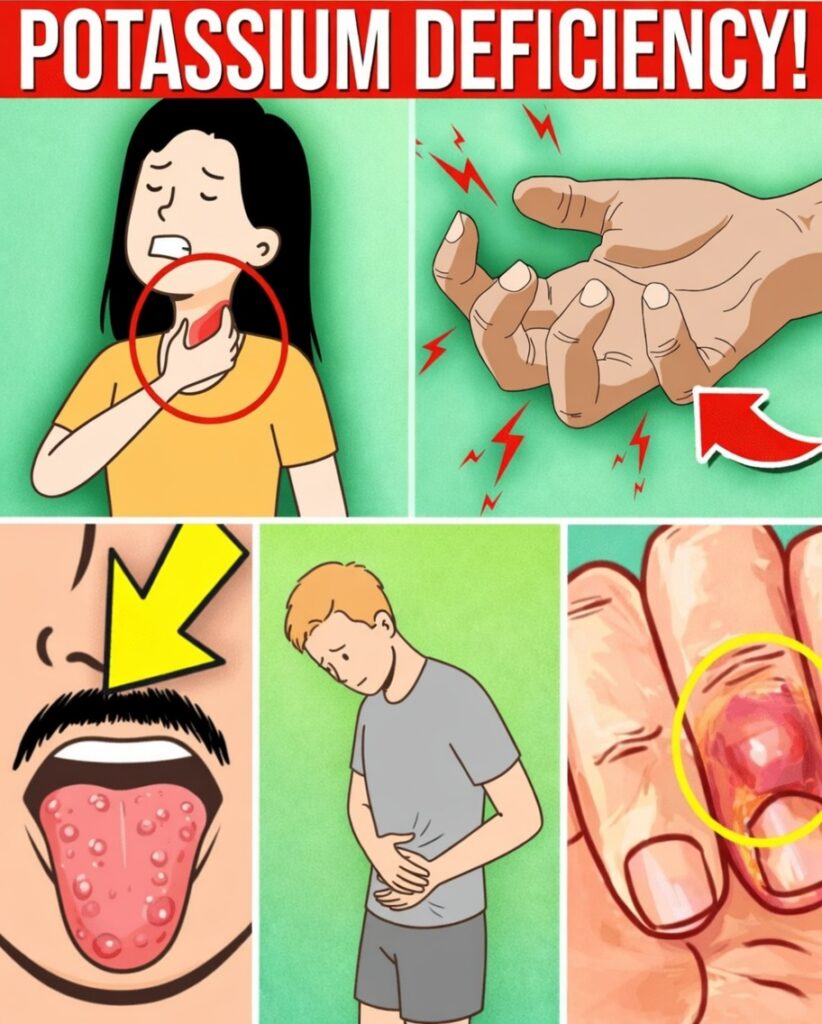
11 Early Warning Signs of Low Potassium in Adults Over 45
Many people over 45 wake up feeling utterly worn out, as if they’ve run a race in their sleep—heavy legs, a strange flutter in the chest, and an exhaustion they chalk up to stress or “just getting older.” Persistent fatigue caused by low potassium levels can slowly erode your energy, confidence, and motivation, making even simple tasks feel like a struggle.
The encouraging news: learning to recognize the subtle signs of low potassium can help you make smarter daily choices to support your energy and overall vitality. Keep reading, because one of the most surprising symptoms may finally explain why your heart sometimes feels “off” and what you should pay attention to right now.
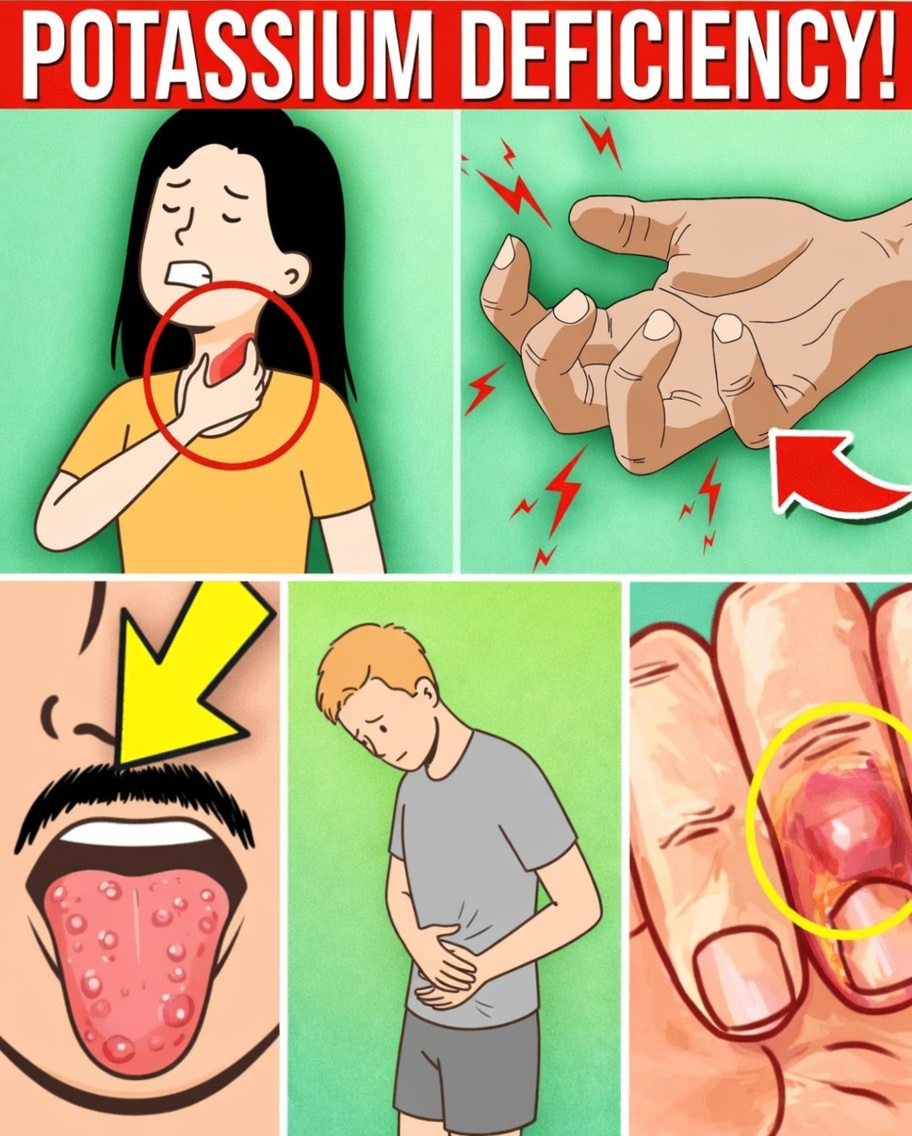
What Low Potassium Does to Your Body After 45
Low potassium (also called hypokalemia) often starts with vague symptoms that are easy to dismiss. However, research shows that even mildly low potassium can interfere with muscle function, nerve signaling, and energy production. That’s why so many adults feel drained, foggy, or unsteady without understanding what changed.
Below are 11 common signs of low potassium that many people over 45 notice first.
Sign 11: Constant Fatigue That Doesn’t Match Your Activity Level
One of the earliest and most frequent warning signs of low potassium is a deep, dragging tiredness that doesn’t improve with rest. You may:
- Wake up feeling unrefreshed, even after a full night’s sleep
- Need more breaks during the day than you used to
- Feel like your “battery” runs out long before the day is over
Because potassium plays a key role in how cells create and use energy, even a modest drop in levels can leave you feeling wiped out. If your usual routines suddenly feel exhausting for no clear reason, low potassium could be quietly contributing.

Sign 10: Muscle Weakness That Makes Everyday Tasks Harder
Climbing stairs, carrying groceries, or standing up from a chair might start to feel surprisingly challenging. Many adults over 45 describe this new weakness as the first clear sign their body is sending them a message.
Low potassium interferes with the electrical signals that tell your muscles to contract. As a result, you may notice:
- Heavy, sluggish legs
- Reduced strength in your arms or grip
- A general sense that your body “doesn’t respond” the way it used to
It’s easy to blame this on aging alone, but a drop in potassium can be a hidden factor in why movements feel more effortful.
Sign 9: Frequent Muscle Cramps That Disturb Your Sleep
Sharp, sudden leg or foot cramps—especially at night—are another classic sign of low potassium. People often report:
- Waking up with intense calf cramps that stop them in their tracks
- Nighttime leg spasms that break up their sleep
- Soreness afterwards that lingers into the next day
Potassium helps nerves communicate properly with muscles. When levels are low, these signals can misfire, producing painful spasms and cramps that seem to come out of nowhere. If you keep stretching and hydrating but the cramps persist, low potassium may be part of the picture.

Sign 8: Constipation or Slow Digestion That Affects Daily Comfort
Gut changes are another subtle but common sign of low potassium. You might notice:
- Infrequent bowel movements
- A sense of sluggish digestion
- Bloating or discomfort despite eating a reasonable amount of fiber
Potassium supports the smooth muscle movement that keeps food and waste moving through your digestive tract. When levels dip, these muscles can become too relaxed, slowing everything down. Many adults accept this as “normal” with age, but low potassium can quietly undermine your digestive comfort.
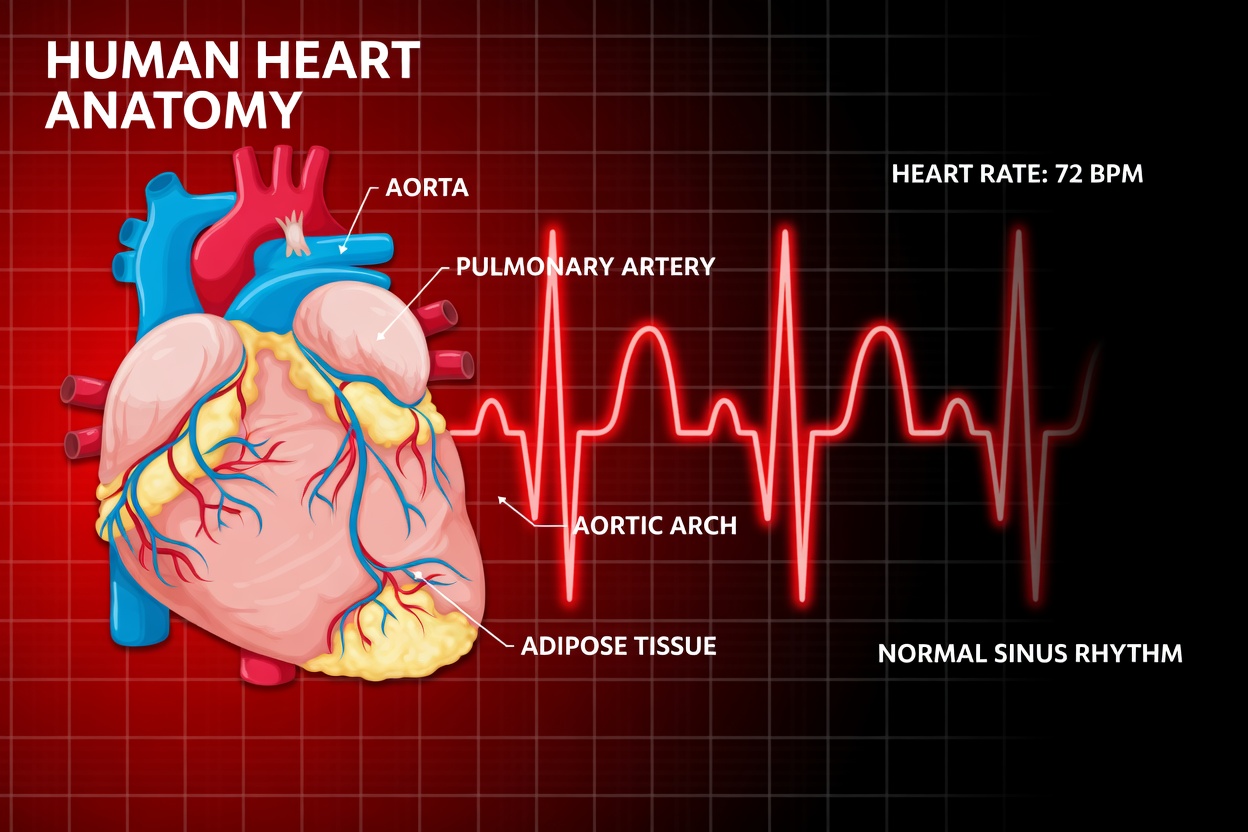
Sign 7: Heart Palpitations or Skipped Beats That Make You Stop and Notice
Feeling your heart flutter, race, or “skip” can be unsettling—especially when it happens at rest or during quiet moments. Many adults over 45 notice:
- Occasional pounding or irregular beats
- A fluttering or flip-flop sensation in the chest
- More episodes during stress, anxiety, or fatigue
Potassium is essential for the electrical activity that keeps your heartbeat steady. When levels drop, your heart’s rhythm can become more erratic, showing up as palpitations. While there are many possible causes of irregular heartbeats, low potassium is a well-recognized one.

Sign 6: Tingling or Numbness in Hands and Feet
Those pins-and-needles sensations in your hands, feet, or lower legs can sometimes be linked to low potassium, not just poor circulation or sitting too long. You may experience:
- Intermittent tingling (“pins and needles”)
- Numb patches that come and go
- A feeling that your hands or feet keep “falling asleep”
Because potassium helps regulate nerve signaling, low levels can disrupt how messages travel along nerves, leading to these odd sensations. If tingling or numbness appears frequently and without a clear reason, it’s a sign worth taking seriously.

Sign 5: Unexplained Blood Pressure Fluctuations and Dizziness
Some adults discover their potassium may be low after noticing changes in blood pressure or feeling unexpectedly lightheaded. This can look like:
- Higher blood pressure readings than usual
- Sudden bouts of dizziness or feeling “off”
- Moments of unsteadiness that interrupt daily activities
Potassium helps maintain normal fluid balance and supports healthy blood vessel function. When levels are too low, blood pressure can become more difficult to regulate, leading to unsettling swings and dizzy spells.
Sign 4: Increased Thirst or Frequent Urination
Another sign to watch for is a shift in your thirst and bathroom habits, such as:
- Constant dry mouth
- Feeling unusually thirsty, even when drinking regularly
- More frequent trips to the bathroom
Low potassium can affect how your kidneys handle fluids, sometimes leading to greater fluid loss in the urine. This can create a cycle of thirst and frequent urination that leaves you feeling off balance and slightly dehydrated, despite your efforts to stay hydrated.
Sign 3: Brain Fog or Difficulty Focusing
For many people over 45, changes in mental clarity are among the most frustrating signs of low potassium. You might notice:
- Trouble concentrating at work or during conversations
- Slower thinking or mental “sluggishness”
- Feeling less sharp or organized than you used to
Electrolytes like potassium don’t just affect muscles—they also influence brain function. When potassium levels are low, your ability to think clearly and stay focused can quietly suffer day after day.

Sign 2: Dizziness or Lightheadedness, Especially When Standing
Feeling woozy when you stand up or move quickly can be another warning sign. This may show up as:
- Brief lightheadedness when rising from a chair or bed
- A sensation that the room is spinning or tilting
- Needing to pause and steady yourself before walking
Low potassium can contribute to drops in blood pressure or changes in heart rhythm, both of which can cause these dizzy spells. If this is happening more often, it’s important not to brush it aside.
Sign 1: Abnormal Heart Rhythms or Severe Muscle Weakness
In more serious cases, low potassium levels can lead to potentially dangerous symptoms that require immediate medical attention, such as:
- Noticeably irregular or very rapid heartbeats
- Chest discomfort or a sense that your heart rhythm is “not right”
- Extreme muscle weakness that makes it hard to move, lift your arms, or stand
At very low potassium levels, muscles—including the heart—may struggle to function properly. This can result in severe weakness or serious arrhythmias (abnormal heart rhythms). These are urgent warning signs that should never be ignored.

When to Take Action
If several of these signs of low potassium sound familiar, especially if you are over 45, it’s wise to:
- Pay attention to patterns in your energy, muscles, and heart sensations.
- Discuss your symptoms with a healthcare professional.
- Ask whether checking your potassium and other electrolytes is appropriate for you.
Never self-diagnose or self-treat serious symptoms such as chest pain, severe weakness, or marked changes in heart rhythm. Prompt medical evaluation can help you understand what’s really going on—and guide you toward safe, effective steps to support your health and energy.