Processed Meat After 40: Hidden Risks and Simple Swaps
If you’re in your 40s or older and finding yourself reaching more often for bacon, sausages, hot dogs, or deli slices because they’re quick and convenient, you may not be seeing the gradual impact these foods can have on your long-term health. As we age, our bodies become more sensitive to what we eat, and higher intake of processed meat has been associated with an increased risk of serious health conditions that can leave you tired, anxious about your heart, and worried about missing meaningful time with family.
The encouraging news: when you understand why processed meat is linked to these health risks, you can make small, realistic adjustments that support your energy, longevity, and peace of mind—without completely changing your lifestyle.
What Exactly Is Processed Meat?
Processed meat refers to meat that has been preserved or altered through methods such as smoking, curing, salting, or adding chemical preservatives. Common examples include:
- Bacon
- Ham
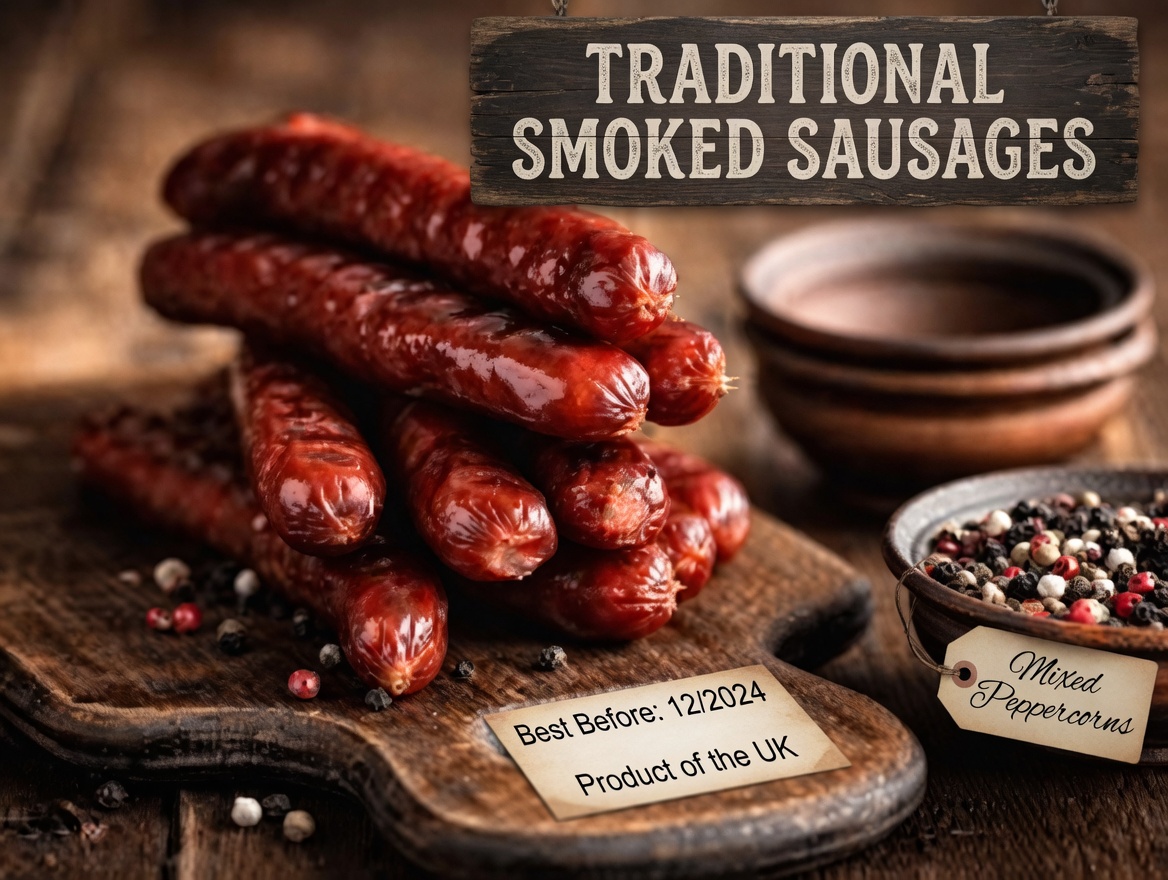
- Sausages
- Hot dogs
- Deli meats like salami, bologna, and sliced ham
For many people over 40, busy schedules make these foods an easy go-to. They’re fast, tasty, and require little preparation. However, this convenience can come with a cost. Regularly eating processed meat may quietly raise your risk for health problems over time, especially as age-related changes make your body less resilient.
By understanding what counts as processed meat and how it affects you, you can start to take control before everyday habits evolve into larger health concerns.
Why Processed Meat Is Linked to Higher Cancer Risk
Major health organizations classify processed meat as a carcinogen linked to colorectal (bowel) cancer. This means that regularly eating processed meat can increase the likelihood of developing certain cancers, and that risk becomes more significant as you move through your 40s and beyond.

For many midlife adults who want to stay active, travel, or enjoy future years with children and grandchildren, the idea that something as ordinary as bacon or deli meat could contribute to cancer risk can be deeply unsettling.
Here’s what researchers think is happening:
- Preservatives and additives such as nitrates and nitrites can form potentially harmful compounds in the body.
- High-temperature cooking methods like frying or grilling can create additional substances that may damage cells over time.
- Long-term exposure to these compounds is thought to play a role in changes at the cellular level, increasing the chance that cancerous cells may develop.
Even modest daily portions of processed meat have been associated with measurable increases in cancer risk. While that can sound frightening, knowing this connection allows you to make more intentional choices instead of feeling powerless—especially if you already have a family history of cancer.
How Processed Meat May Affect Heart Health
A growing body of research shows that higher intake of processed meat is linked to increased risk of heart disease and stroke—two conditions that become more common after 40. If you want to maintain stamina for work, family, and hobbies, this connection is important to understand.

Key reasons processed meat can be a concern for your heart include:
- High sodium content: Excess salt can raise blood pressure, a major risk factor for heart disease and stroke.
- Preservatives and additives: Some compounds used in processing may contribute to inflammation and vascular damage.
- Unhealthy fats: Many processed meats contain higher levels of saturated fat, which can influence cholesterol levels.
Unlike fresh meat, the problem with processed meat often lies not only in the meat itself but in how it has been treated—cured, smoked, or preserved. If you already monitor your blood pressure, cholesterol, or have a family history of heart issues, recognizing the role of processed meat can ease that constant, low-level worry about your cardiovascular future.
Processed Meat and Type 2 Diabetes Risk
Research also suggests a connection between processed meat consumption and a higher risk of type 2 diabetes. For adults over 40—often balancing work demands, family responsibilities, and health goals—this is particularly relevant.
The reasons may include:
- Nitrates and nitrites: These additives can affect how the body uses insulin and manages blood sugar.
- High saturated fat: This can contribute to insulin resistance over time.
- Overall metabolic impact: Regular intake of processed meat has been linked to changes in metabolic health that become more apparent with age.
Even relatively small increases in processed meat intake have been associated with shifts in blood sugar regulation. If you’ve ever felt uneasy after a week of relying on fast, processed options, this connection helps explain why—and gives you a clear opportunity to make changes that support more stable energy and long-term metabolic health.
Everyday Effects of Processed Meat After 40
Beyond major health risks like cancer, heart disease, and diabetes, processed meat may also influence how you feel day-to-day—especially after 40.
Potential everyday effects include:
- Low-grade inflammation that can contribute to aches, pains, or general discomfort
- Fluctuating energy levels that make routine tasks feel more draining
- Increased worry about long-term health and the ability to stay active with family and friends
Common processed meats to keep an eye on include:
- Bacon and breakfast sausages
- Sliced deli ham, turkey, and salami
- Hot dogs and frankfurters
- Smoked, cured, or heavily salted meats
These foods are the same items that studies link with the health changes mentioned above. The more aware you are of how often they’re showing up in your meals, the easier it becomes to protect your long-term well-being—and reduce that persistent concern about future health problems.
5 Practical Ways to Cut Back on Processed Meat
You don’t need a strict or complicated diet to reduce your processed meat intake. These simple, realistic steps are designed for life after 40 and can be implemented gradually.
-
Swap one meal a week
Replace processed meat in just one regular meal—such as a sandwich—with grilled chicken, turkey breast, or another fresh protein. Many people notice feeling less bloated and more energized, which can ease worries about hidden health risks. -
Check labels more closely
When buying meat, choose fresh cuts whenever possible. If the ingredients list includes terms like “cured,” “smoked,” “nitrate,” or “nitrite,” it’s likely processed. Being label-aware helps you feel more in control of your health. -
Keep healthier proteins on hand
Stock your fridge and pantry with eggs, beans, lentils, tofu, yogurt, nuts, or fish. Having these ready makes it easier to choose them over processed meat when you’re short on time. -
Use flavor, not processing, to make meals exciting
Instead of relying on processed meats for taste, experiment with herbs, spices, citrus, garlic, and marinades on fresh meats or plant proteins. Many adults over 40 find that food becomes more enjoyable and flavorful, with fewer health concerns attached. -
Plan and batch-cook ahead
Set aside time once or twice a week to cook larger portions of fresh proteins—such as chicken, turkey, beans, or fish—and store them for quick meals. This one habit can dramatically cut your dependence on processed meat and replace stress with confidence.
Healthier Alternatives That Still Taste Great
Cutting back on processed meat does not mean your meals have to be bland or unsatisfying. There are many delicious options that support better health after 40:
- Grilled or baked fish
- Skinless chicken or turkey
- Eggs and egg-based dishes
- Beans, lentils, and chickpeas
- Tofu, tempeh, and other soy-based proteins
- Mushrooms and other hearty vegetables in place of processed meats in stir-fries, pasta, or sandwiches
Many adults over 40 find that once they begin incorporating these alternatives, they experience steadier energy, improved digestion, and less anxiety about long-term health—all without feeling deprived.
Final Thoughts: Small Changes, Lasting Peace of Mind
Understanding how processed meat influences your risk of serious health issues gives you the power to make choices that protect your future while still enjoying food. You don’t have to eliminate processed meat overnight or forever, but being mindful of how often it appears in your diet—and making gradual swaps—can:
- Support heart health
- Help maintain more stable energy
- Lower your risk of certain cancers and type 2 diabetes
- Reduce stress about aging and future health
Small, consistent changes add up, helping you stay present and active for the people and moments that matter most.
FAQ
Is any amount of processed meat completely safe?
Current research indicates that there is no completely risk-free amount of processed meat regarding cancer and other serious health problems. However, the general guideline is: the less you eat, the lower your risk—especially after age 40.
What if my family loves processed meat dishes?
You don’t have to remove these foods all at once. Start by mixing in fresh options: use half the usual amount of processed meat in a recipe and add beans, mushrooms, or fresh chicken or turkey. Over time, you can gradually increase the proportion of healthier ingredients without causing conflict at mealtimes.
How quickly might I notice a difference if I cut back?
Everyone is different, but many people report feeling lighter, less bloated, and more energetic within a few weeks of reducing processed meat. While long-term disease risk takes years to change, these early improvements can be a reassuring sign that your choices are moving you in a healthier direction.