Cloves and Dr. Sebi’s Alkaline Approach to Healthy Aging
After 50, many people begin noticing everyday issues more clearly: joints feel stiff getting out of bed, bloating or indigestion can follow even simple meals, energy rises and falls throughout the day, and maintaining balanced blood sugar becomes more important for long-term health. Over time, these small challenges can make normal tasks feel more draining than before.
If you are interested in supporting your health through natural, plant-based strategies influenced by Dr. Sebi’s alkaline principles, cloves—one of the spices he approved—offer a gentle yet powerful option. By the end of this guide, you’ll see how this humble spice fits into his philosophy and how simple practices, such as clove tea or clove-infused water, may become part of your daily routine for greater comfort and vitality.
Dr. Sebi’s Alkaline Philosophy and How Cloves Fit In
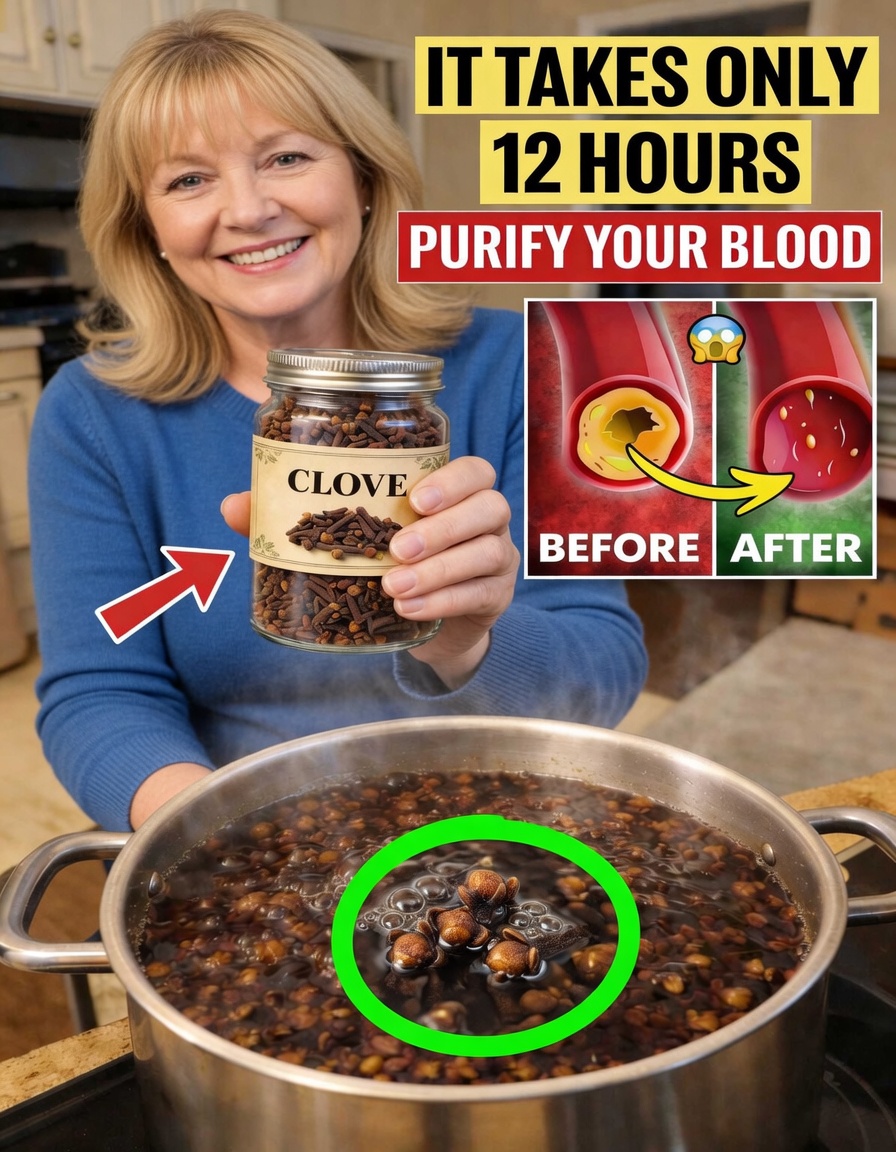
Dr. Sebi promoted an alkaline, mineral-rich, plant-based lifestyle to help the body reduce excess mucus, support internal balance, and age more gracefully. Within this framework, certain herbs and spices were considered “electric foods” because of their ability to nourish, energize, and gently assist the body’s natural cleansing processes.
Cloves appear on his list of approved herbs and are often highlighted in circles that follow his teachings. For adults dealing with stiff joints, sluggish digestion, or a sense of heaviness from long-term buildup, cloves fit well into this approach as a warming, stimulating spice that encourages circulation and movement.
Many people over 50 who are inspired by Dr. Sebi’s ideas value cloves for their traditional use in:
- Supporting blood flow and warmth in the extremities
- Helping the body manage oxidative stress
- Complementing an alkaline, plant-centered diet

Why Cloves Are a Nutrient-Dense Ally for People Over 50
Though tiny, cloves are remarkably concentrated in beneficial compounds, ranking among the foods with the highest antioxidant capacity in several laboratory measures. These antioxidants help the body combat everyday oxidative stress—one of the factors linked to fatigue and age-related concerns.
Key components in cloves include:
- Eugenol – a well-studied active compound known for its calming and protective properties
- Manganese – essential for bone health, enzyme activity, and antioxidant defenses
- Dietary fiber – supports regularity and overall digestive health
- Polyphenols – plant compounds that help protect cells from daily wear
For older adults focused on healthy aging, this dense nutritional profile is appealing because just a small amount of cloves can be added to teas, infusions, or meals without requiring major changes in diet.
Research indicates that the antioxidant capacity of cloves can surpass that of many commonly praised fruits, including certain berries. This makes cloves an attractive addition for those wanting to strengthen their natural defenses as they age.
Potential Benefits of Cloves for Joint Comfort and Mobility
Joint stiffness and aches often become more noticeable after midlife. Activities that were once easy—walking long distances, gardening, or climbing stairs—may now feel more demanding or uncomfortable.
Eugenol, one of the main compounds in cloves, has attracted research interest for its potential anti-inflammatory and soothing actions, which resemble the traditional way many cultures have used cloves to ease minor aches and soreness.
Common uses among adults include:
- Applying diluted clove oil preparations on knees, shoulders, or hands
- Enjoying a warming sensation that encourages local circulation
- Using clove-based remedies alongside stretching, movement, and other supportive therapies
While cloves are not a cure for conditions like arthritis, many men and women over 50 report that incorporating them—especially topically and in tea—helps them feel a bit more flexible and comfortable as part of a broader, active lifestyle.
Cloves and Digestive Comfort: Traditional Gut Support
As the digestive system ages, issues such as gas, bloating, or irregular bowel habits can become more frequent and can drain energy or make meals less enjoyable.
In herbal traditions, including those compatible with Dr. Sebi’s views, cloves are often used to:
- Support a healthy balance of microbes in the gut, thanks to their natural antimicrobial properties
- Stimulate digestive enzymes and stomach secretions
- Promote a cleaner, more comfortable digestive environment
Many older adults find that adding cloves to their daily routine helps them feel lighter and less weighed down after eating. This gentle digestive support fits well with Dr. Sebi’s emphasis on clearing stagnation and enhancing vitality through plant-based, alkalizing foods and herbs.
Cloves and Blood Sugar Balance for Healthy Aging
Keeping blood sugar within a healthy range becomes increasingly important after 50, affecting energy, appetite, weight management, and long-term wellness.
Some research suggests that eugenol and other compounds in cloves may:
- Support glucose metabolism
- Improve insulin sensitivity
- Help reduce sharp rises in blood sugar after meals when used as part of a balanced diet
For people managing prediabetes or simply wanting steadier energy throughout the day, cloves can be a supportive, natural addition to an overall healthy eating plan. Many individuals notice fewer sudden energy crashes when they consistently include this spice in their beverages or dishes.
This potential role in metabolic balance is very much in line with Dr. Sebi’s focus on plant-based foods to support the body’s natural regulatory systems.
Manganese in Cloves: A Mineral for Bone and Joint Health
Bone density and joint integrity gradually decline with age, raising concerns about fractures, posture, and long-term mobility. Manganese is one of the minerals needed for:
- Bone formation and mineralization
- Healthy cartilage structure
- Important antioxidant enzymes that protect tissues from oxidative damage
Cloves are a meaningful dietary source of manganese. For seniors, regularly using a small amount of cloves can contribute to overall manganese intake, alongside other plant-based sources and a well-rounded alkaline diet.
This subtle mineral support is another reason cloves are appreciated in natural approaches to aging, complementing calcium, magnesium, and other bone-supportive nutrients.
Three Simple Ways to Use Cloves Inspired by Dr. Sebi Followers
Bringing cloves into your routine is straightforward and fits easily into an alkaline, plant-based lifestyle. Here are three popular methods many people over 50 enjoy.
1. Warming Clove Tea
Ingredients:
- 1 teaspoon whole cloves
- 2 cups filtered water
Directions:
- Add the cloves and water to a small pot.
- Bring to a gentle boil and simmer for about 10 minutes.
- Turn off the heat and let the tea steep for another 10 minutes.
- Strain and sip warm.
This tea is often used to support circulation, ease mild discomfort, and promote smoother digestion.
2. Overnight Clove Infused Water
Ingredients:
- 4–5 whole cloves
- 1 cup warm water
Directions:
- Place the cloves in a cup or jar.
- Pour warm water over them.
- Cover and let steep overnight at room temperature.
- Strain and drink on an empty stomach in the morning.
Many people follow this for 7–14 days at a time, with breaks in between, as a gentle way to support cleansing, digestion, and morning energy.
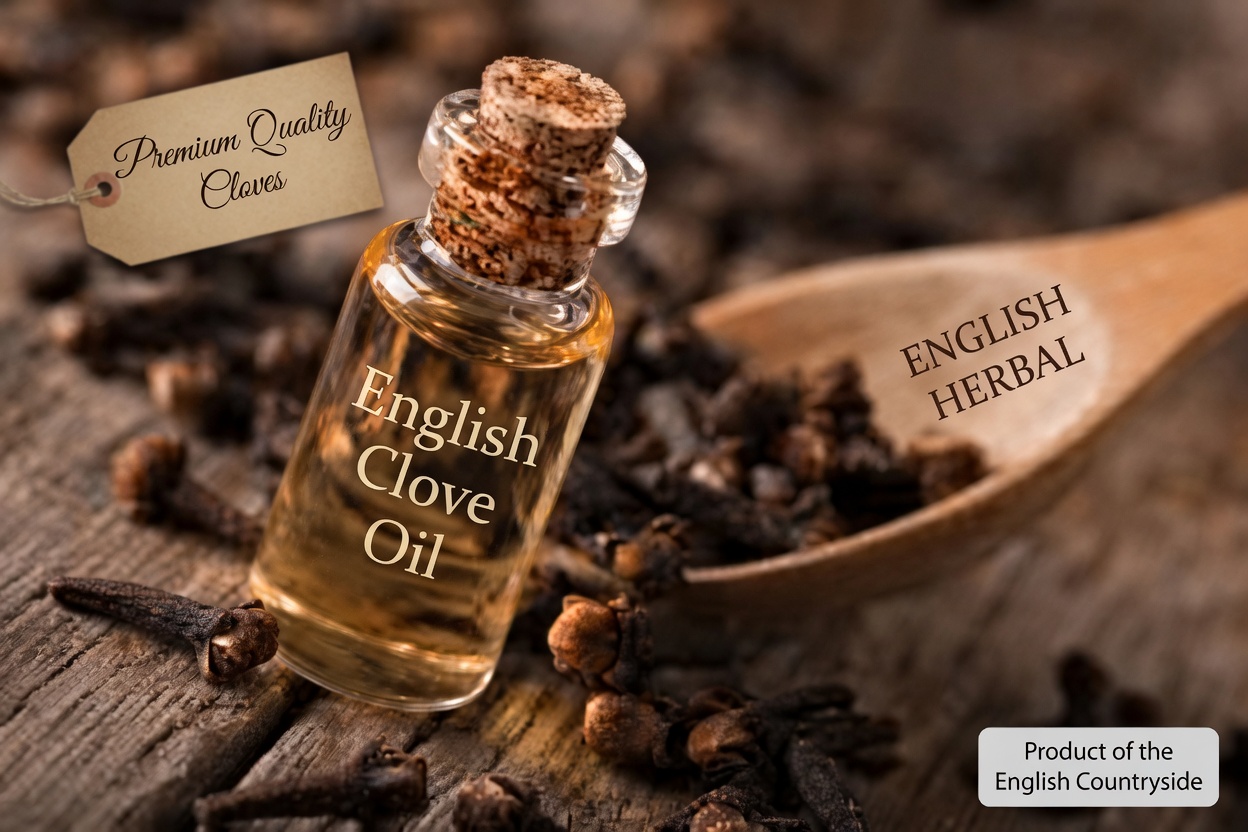
3. Topical Clove Oil Blend for Sore Areas
Ingredients:
- 1 tablespoon carrier oil (such as olive oil)
- 2 drops clove essential oil
Directions:
- Combine the clove essential oil with the carrier oil in a small dish.
- Mix well.
- Massage a small amount into areas of discomfort, such as knees, wrists, or shoulders.
This blend may provide a warming, soothing sensation and is often used as part of a self-care routine to support joint comfort.
Safety Guidelines for Using Cloves
Because cloves are highly concentrated, using them wisely is important, especially for older adults and those with health conditions.
- Use moderate amounts: Large quantities can irritate the digestive tract.
- Dilute essential oil: Never apply clove essential oil directly to the skin; always dilute it in a carrier oil to reduce the risk of irritation or sensitivity.
- Medication interactions: If you take blood thinners, diabetes medications, or have bleeding disorders, consult your healthcare provider before using cloves regularly. Eugenol may influence blood clotting and glucose regulation.
- Start slowly: Introduce cloves in small amounts and observe how your body responds before increasing your intake.
Why Cloves Remain a Valuable Herb for Senior Wellness
Cloves combine multiple supportive qualities—strong antioxidant activity, soothing properties, digestive support, potential blood sugar benefits, and a good supply of manganese for bones and joints—within one easy-to-use spice.
Within Dr. Sebi’s plant-based, alkaline framework, cloves are seen as a simple yet powerful herbal ally that can enhance daily comfort and overall vitality as you grow older. Even a modest amount added to your kitchen routine may contribute to feeling more balanced, energized, and at ease in your body.
Frequently Asked Questions About Cloves for Older Adults
How much clove can adults over 50 safely use each day?
Many people do well with small amounts, such as:
- 1–2 whole cloves in tea or infused water
- Light seasoning in meals
Some follow short protocols (for example, daily use for 1–2 weeks, then a break). The ideal amount varies by individual, so adjust based on your comfort level and guidance from your healthcare provider.
Can cloves replace medications for joint pain or blood sugar control?
No. Cloves may offer supportive wellness benefits but should not be used as a substitute for prescribed medications or medical care. Always work with your doctor before making any changes to your treatment plan.
Is it safe to drink clove tea every day?
Many people enjoy clove tea regularly, often 1–2 cups per day. However, if you have existing medical conditions, take medications, or are sensitive to strong herbs, discuss daily use with your healthcare provider to ensure it is appropriate for you.
This material is for educational purposes only and is not intended to diagnose, treat, cure, or prevent any disease. Always consult your healthcare provider before adding new herbs or supplements to your routine, especially if you are over 50, have underlying health conditions, or take prescription medications. Individual experiences and results will vary.