
Nighttime Nutrition for Overworked Eyes After 40
Once you reach your 40s or 50s, it’s common to notice that your eyes don’t bounce back from a long day the way they used to. Hours on digital devices can leave your vision feeling tired, your eyes may sting or feel dry, and driving or reading at night can seem slightly harder than it once was. Over time, these small frustrations can add up, raising concerns about how to maintain comfortable, clear vision while staying active and independent.
The good news: choosing the right foods in the evening may gently support the tissues of your eyes during the body’s natural nighttime repair and recovery cycle. Among the many options, one simple category of snacks stands out for delivering a powerful combination of vision-supporting nutrients right when your eyes may need them most. Keep reading to see which nutrients matter, what to eat before bed, and how to make this a realistic nightly routine for long-term eye wellness.
Why Eating for Eye Health Before Bed Can Help
In midlife and beyond, your eyes work hard all day—exposed to blue light from screens, air conditioning or heaters that dry out the air, pollution, and general environmental stress. By the evening, this constant strain can leave your eyes feeling gritty, tired, or irritated.
Eating targeted nutrients in the hours before sleep means they’re circulating and available while your body is busy with:
- Cellular repair
- Tissue maintenance
- Antioxidant defense
Research from eye-health organizations such as the American Academy of Ophthalmology highlights how diets rich in specific vitamins, minerals, and antioxidants can help preserve structures in the eye over time. Taking these nutrients in the evening gives them a chance to support natural recovery processes during rest.
In addition, large studies looking at age-related eye changes suggest that consistent intake of compounds like lutein, zeaxanthin, vitamin A precursors, and omega-3 fatty acids can:
- Support the health of the retina
- Help reduce oxidative stress caused by everyday visual demands
- Contribute to long-term visual function
No food will transform your vision overnight, but regularly supplying the “building blocks” your eyes depend on—especially before sleep—may help ease common issues like dryness and fatigue that accumulate after years of screen-heavy, high-demand lifestyles.
Key Nutrients Connected to Eye Comfort and Vision
Understanding which nutrients matter most makes it easier to choose smart bedtime snacks for eye support.
Vitamin A (and Beta-Carotene)
- Vitamin A is essential for maintaining a healthy cornea, the clear front surface of the eye.
- It plays a critical role in adapting to low-light conditions and night vision.
- Inadequate vitamin A can contribute to difficulties seeing in dim environments, a problem that tends to become more noticeable with age.
- Beta-carotene, found in many orange and dark-green vegetables, is a precursor your body can convert into vitamin A.
Lutein and Zeaxanthin
- These carotenoids are plant-based antioxidants that accumulate in the macula, the part of the retina responsible for sharp central vision.
- They act as natural filters for high-energy blue light and help defend against oxidative damage.
- Higher intake is linked to better macular pigment density in eye-health research, which may support long-term visual performance.
Omega-3 Fatty Acids
- Omega-3s help maintain healthy cell membranes in the retina.
- They contribute to the stability of the tear film, which can ease symptoms of dry, irritated eyes.
- This is especially valuable for adults over 40, who often produce fewer natural tears and experience more dryness.
Vitamin E and Zinc
- Vitamin E is a fat-soluble antioxidant that helps protect eye cells from free radical damage.
- Zinc assists in transporting vitamin A to the retina and plays a role in the production of protective pigments within the eye.
- Together, they complement lutein, zeaxanthin, and omega-3s, creating a synergistic nutrient profile many experts recommend obtaining primarily through whole foods.
Regularly consuming these nutrients from real foods—not just supplements—has been associated in multiple reviews with ongoing support for eye structures and defenses against oxidative stress.
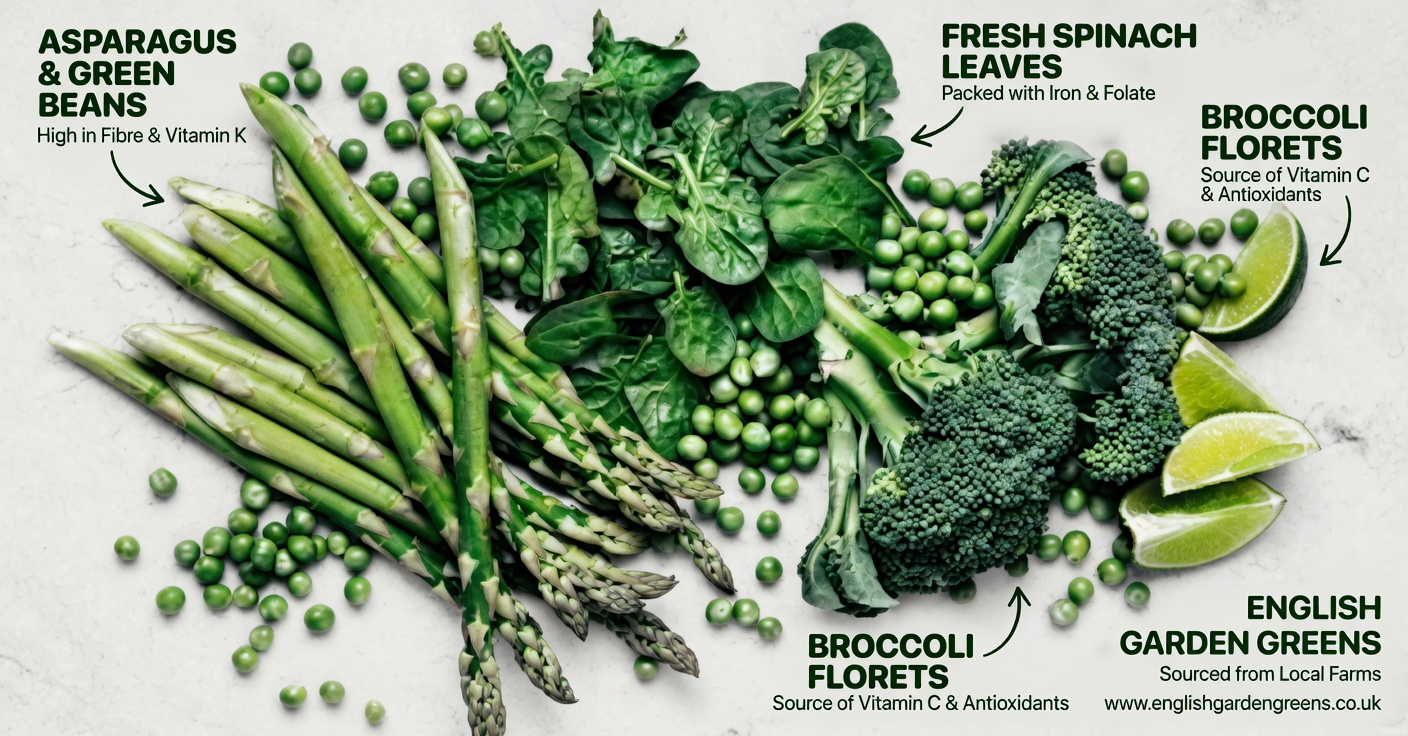
Bedtime Snack Ideas That Nourish Your Eyes
A small, nutrient-dense snack 1–2 hours before bed can provide eye-supporting nutrients without overwhelming digestion. Here are practical, evidence-inspired snack ideas that are easy to work into a nighttime routine.

1. A Small Portion of Nuts or Seeds (e.g., Almonds or Walnuts)
- Nuts and seeds are natural sources of vitamin E, which helps protect delicate eye tissues.
- Walnuts and some seeds also provide plant-based omega-3 fatty acids that support tear quality and lubrication.
- A modest handful can be especially soothing after a long day of screen time when eyes feel dry or sandy.
2. One Hard-Boiled Egg
- Egg yolks contain highly bioavailable lutein and zeaxanthin, along with zinc and healthy fats that aid absorption.
- Eating an egg in the evening offers a compact source of these key carotenoids, which build up in eye tissues over time.
- It also adds a bit of protein, helping you feel satisfied without a heavy meal.
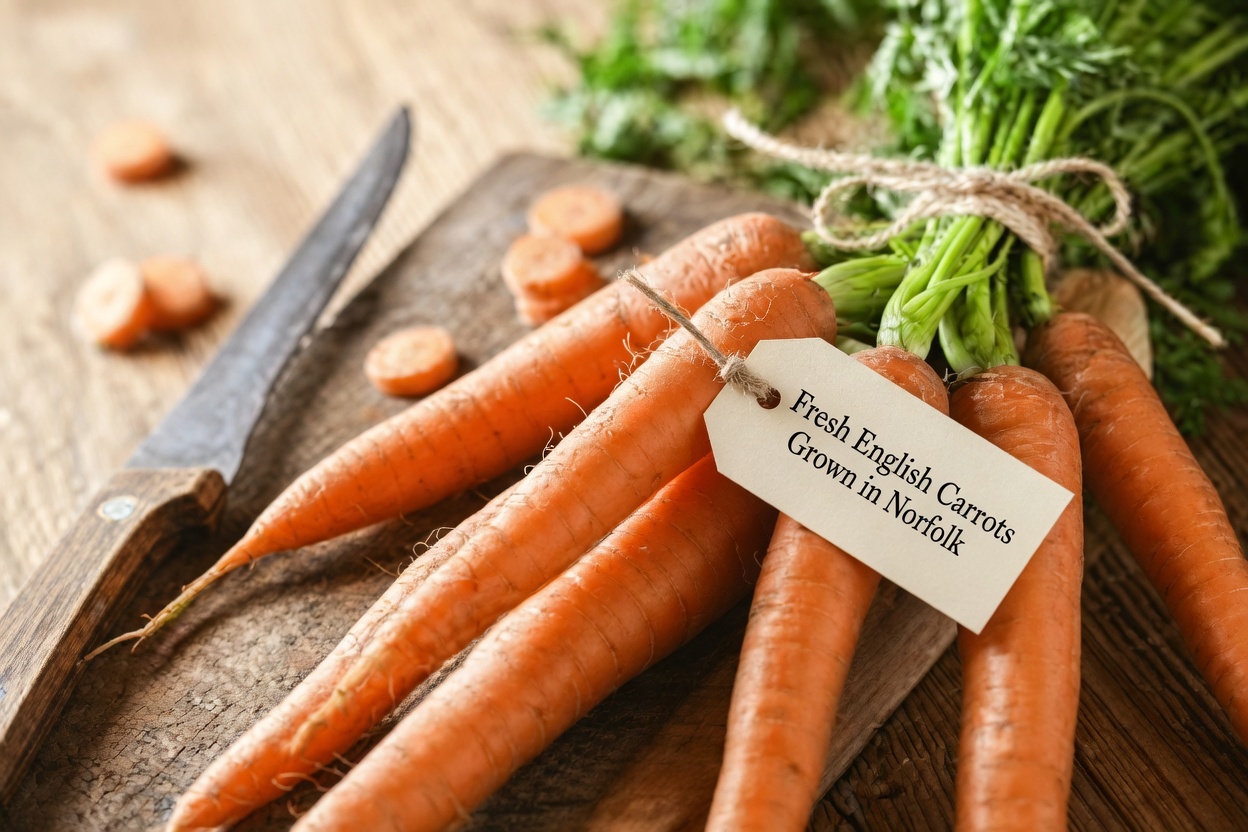
3. Slices of Carrot or Sweet Potato
- Both carrots and sweet potatoes are rich in beta-carotene, which your body converts into vitamin A to support corneal health and low-light vision.
- Enjoy a few carrot sticks or thin slices of cooked sweet potato with a light dip (such as hummus or yogurt-based dip) for a simple, pre-bed snack.
- Sweet potato generally contains even more beta-carotene than carrots and can be a cozy, warming option in the evening.
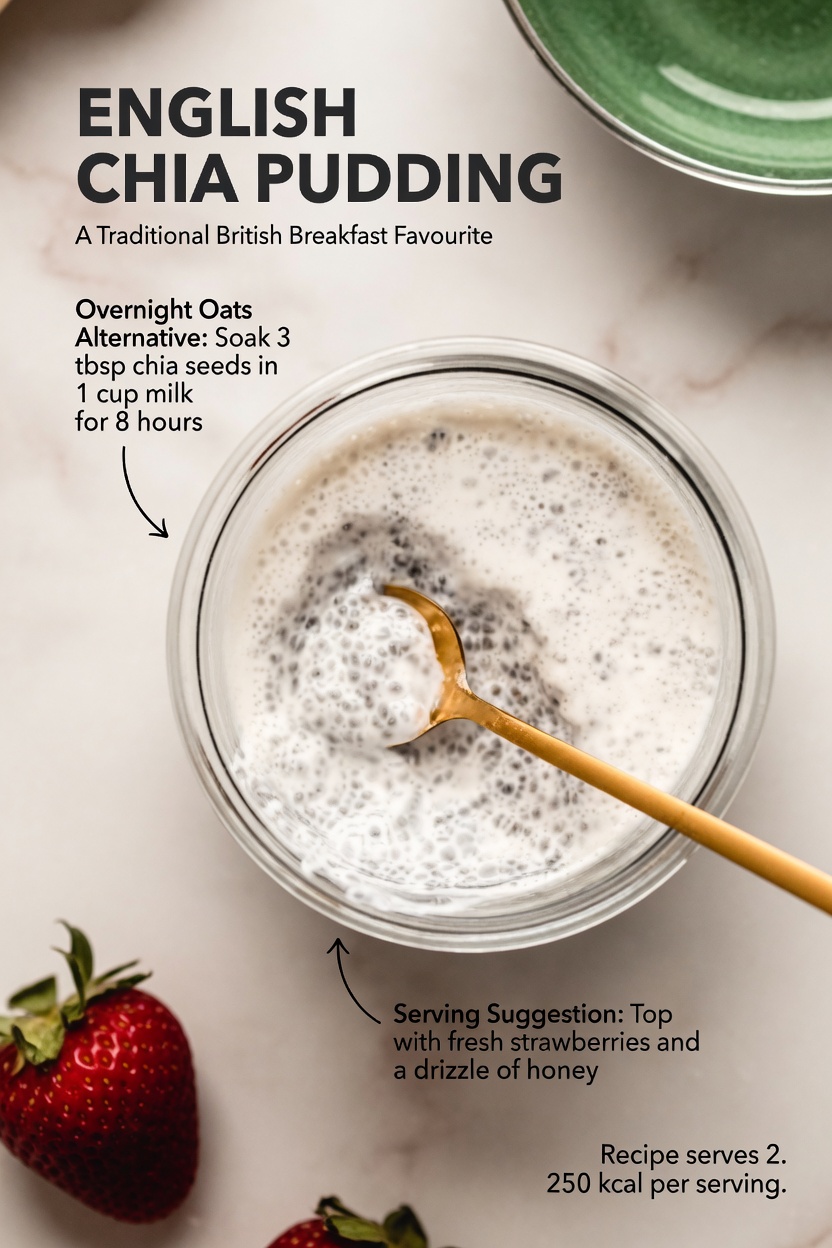
4. A Spoonful of Chia Seeds in Yogurt or Water
- Chia seeds supply plant-based omega-3s along with fiber and minerals.
- Soaking them in water, milk, or yogurt forms a gentle gel that many people find easy to digest before sleep.
- Combined with a small amount of healthy fat (like yogurt), this snack can deliver steady, slow-releasing nutrients through the night.
5. A Small Salad of Dark Leafy Greens
- Spinach, kale, and similar greens are among the richest natural sources of lutein and zeaxanthin.
- A small bowl of lightly dressed greens can boost evening antioxidant intake without feeling heavy.
- Even a handful added alongside another snack increases your total intake of eye-protective carotenoids.
Tips to Make an Eye-Friendly Bedtime Snack Routine Stick
To get the most from evening nutrition for eye health, focus on consistency and comfort.
Start Gradually
- Begin with just one eye-supportive snack a few nights per week.
- Let your digestion adjust, then increase frequency if it feels good for your body.
Stay Hydrated
- Drinking enough water throughout the day, and having a small amount of fluid with your snack, helps support tear production and overall eye moisture.
- Just avoid large amounts of liquid right before bed if it disrupts your sleep.
Pair Nutrients Wisely
- Many carotenoids (like beta-carotene, lutein, and zeaxanthin) absorb better when eaten with some dietary fat.
- Pair vegetables or leafy greens with foods that contain healthy fats (such as eggs, nuts, seeds, or olive oil) to optimize nutrient uptake.
Choose Whole Foods First
- Whenever possible, rely on minimally processed foods instead of packaged, heavily refined snacks.
- Whole foods deliver vitamins, minerals, fiber, and phytonutrients that work together to support eye and overall health.
Pay Attention to Your Body
- If you have food sensitivities or digestive issues, prioritize gentler choices, such as carrots, sweet potato, or small portions of seeds.
- If you have medical conditions or take medications, talk with a healthcare professional before changing your diet significantly.
Quick Comparison: Bedtime Snacks That Support Eye Health
Here’s a concise overview of what each option offers:
-
Egg:
- Rich in lutein, zeaxanthin, and zinc
- Provides protein and healthy fats for better carotenoid absorption
-
Carrots:
- Excellent beta-carotene source for vitamin A production
- Crunchy, light, and low in calories
-
Nuts and Seeds:
- Supply vitamin E and omega-3 fatty acids
- Satisfying texture and healthy fats that enhance absorption of fat-soluble nutrients
-
Leafy Greens:
- Among the strongest sources of lutein and zeaxanthin
- Easy to mix with other foods to diversify your evening plate
-
Sweet Potato:
- Very high in beta-carotene, often more than carrots
- Can be enjoyed warm for a comforting nighttime option
What People Often Notice with Consistent Evening Nutrition
When people adopt these eye-friendly snacks regularly for several weeks or longer, many report:
- Less dryness or discomfort upon waking
- More comfortable vision for nighttime activities, like reading or driving
- A feeling of taking proactive steps to protect eye health as they age
Individual experiences vary based on overall lifestyle, sleep quality, and general diet. However, because these foods are simple, accessible, and nutrient-dense, they offer a practical way to invest in long-term visual wellness.
Final Thoughts: A Simple Nightly Ritual for Eye Support
Incorporating a single, nutrient-rich snack before bed is a low-effort habit that aligns with your body’s natural overnight repair processes. By focusing on foods that deliver lutein, zeaxanthin, beta-carotene (vitamin A precursors), omega-3 fatty acids, vitamin E, and zinc, you give your eyes additional support as they recover from the demands of the day.
Your eyes handle thousands of visual tasks daily—offering them a small, thoughtful nutritional boost each night can be a meaningful act of self-care. Try adding one of these snacks this evening and see how comfortably it fits into your routine over time.
FAQ
What is the single best bedtime food for eye support?
There is no one “perfect” food, but eggs and dark leafy greens are standout options because they provide concentrated lutein and zeaxanthin, two key carotenoids for macular and retinal health. The best choice is the one you enjoy and can eat consistently within your dietary preferences.
How long does it take to notice a difference from eye-friendly evening snacks?
Nutrient-related benefits tend to build gradually. Many people think in terms of weeks to months of consistent intake rather than immediate changes. These foods are most valuable as part of a long-term strategy for supporting eye health, not as quick fixes.
Can anyone add these bedtime snacks for eye health?
Most healthy adults can incorporate these foods safely. However, if you have food allergies, digestive issues, chronic medical conditions, or are on special diets, consult with a healthcare provider or registered dietitian before making significant changes to your evening eating habits.