
Many women in midlife begin noticing small, easy-to-dismiss shifts—misplacing everyday items, waking up tired, or feeling unusually warm. It’s common to label these changes as “just stress” or “normal aging.” Yet during menopause and perimenopause, these subtle signals can stack up, creating frustration, self-doubt, and a sense that your body has become unpredictable. Recognizing what’s happening can restore clarity and self-compassion—and the final sign may explain that hard-to-name feeling of disconnection.

The Hidden Midlife Challenge Many Women Experience
Menopause rarely arrives with a clear announcement. Instead, symptoms often resemble everyday life pressures, leaving many women feeling confused or even alone in what they’re experiencing. When there’s little awareness about menopause symptoms, brief moments of discomfort can accumulate into a deeper fear of “losing control.”
Research consistently shows that women often interpret these changes as personal failure—rather than a hormonal transition. The real problem isn’t only the symptoms; it’s the misunderstanding that can prolong unnecessary emotional strain. When you understand menopause, you can start rebuilding trust in your body.
Why These Signs Feel So Confusing
During menopause, hormone levels fluctuate and influence multiple systems at once—sleep, temperature regulation, mood, metabolism, and cognition. Because the effects can look unrelated, it’s easy to doubt yourself:
- One night you sleep poorly.
- Another day your mood drops for “no reason.”
- Then you forget what you walked into the room for.
Studies suggest many women blame these scattered experiences on external stressors such as work or family demands. That confusion can increase anxiety and vulnerability. But once you connect the dots, the pattern often becomes easier to recognize.

The 9 Signs of Menopause (Countdown)
Later signs are often the most surprising—so keep going.
9. Sleep Feels Light, Broken, or Not Restorative
You may fall asleep quickly but wake up abruptly—wired, restless, and exhausted at the same time. Sleep disruption during menopause can ripple into the entire next day, amplifying fatigue and emotional reactivity.
Hormonal changes can affect both sleep cycles and temperature regulation, which may explain why rest suddenly feels “thinner.” Many women describe feeling exhausted at night yet never fully refreshed by morning. Identifying sleep changes as part of menopause can help you prioritize more supportive routines.
8. You Feel Warmer Than Usual (Even Without “Classic” Hot Flashes)
Not every temperature shift is a dramatic hot flash. Some women experience subtle waves of warmth—kicking off blankets, cracking a window, or feeling overheated in situations that used to feel normal.
This temperature sensitivity in menopause is often dismissed as weather, clothing, or room conditions, but it can be an early sign of hormonal change. Noticing when it happens—and how often—can bring relief by making the experience feel less random.

7. Your Mood Feels Less Predictable Than Before
During menopause, emotions can spike unexpectedly. A small inconvenience may suddenly feel overwhelming, and that intensity can create self-doubt: “Why am I reacting like this?”
Hormonal shifts can influence neurotransmitters involved in mood regulation. Many women report feeling more emotionally sensitive or less resilient than they were before—yet these mood changes during menopause are often part of the broader transition. Understanding this context can reduce internal conflict and help you respond with more patience.
6. Brain Fog and Forgetfulness Show Up More Often
“Brain fog” can be one of the most unsettling symptoms—forgetting a name, losing your train of thought, or walking into a room and blanking on why you’re there. These moments can trigger fears about long-term decline.
Research links estrogen to memory and cognitive processing, which helps explain why menopause brain fog can appear during this phase. For many women, these lapses are temporary. Insight alone can reduce the alarm and shame that often come with them.
5. Your Energy Drops in Unexpected Ways
Fatigue in menopause isn’t always proportional to what you did that day. You might feel fine in the morning, then hit a sudden wall mid-afternoon—despite “doing everything right.”
This menopause-related fatigue can affect motivation and create guilt about unfinished tasks. But it’s often your body adapting to significant hormonal change, not a sign of weakness. Recognizing the pattern can make room for gentler strategies that actually support recovery.
4. Your Body Composition Changes Without a Clear Reason
Many women notice clothing fitting differently—especially around the waist—even if eating and exercise habits haven’t changed much. That shift can quickly lead to self-criticism.
Hormonal changes during menopause influence fat storage, muscle maintenance, and metabolic processes. These body changes are not simply about effort or willpower. Seeing the change as physiology—not failure—can help you choose more compassionate, effective approaches.
3. Your Skin and Hair Feel Different
Skin may feel drier, less elastic, or less “springy.” Hair can become coarser or change texture. These sensory differences are easy to overlook, but they can affect confidence and comfort in your body.
For many women, skin and hair changes in menopause are among the earliest physical clues that hormones are shifting. Noticing them can add another piece to the bigger picture.
2. Your Periods Become Irregular or Change in Character
Cycles may become unpredictable—heavier, lighter, closer together, farther apart, or skipped entirely. This uncertainty can be stressful because it disrupts routines and raises questions about what’s coming next.
Period changes are often one of the clearest indicators of perimenopause, yet many women still second-guess them. If your cycle has shifted, it’s worth viewing that change as information rather than confusion.
1. You Feel “Not Like Yourself,” Even When Nothing Is Obviously Wrong
This is the sign many women struggle to explain: a quiet disconnection. You may still function well, but joy feels muted, patience runs thin, and you don’t feel fully like “you.”
This vague, off-balance experience can subtly erode confidence and increase isolation. Simply naming it—feeling unlike yourself during menopause—can be grounding. Understanding what it is often becomes the first step toward feeling more in control again.
Two Common Patterns Women Often Notice
Menopause symptoms frequently follow recognizable patterns, even when they initially feel chaotic:
- Symptoms come and go, which can create doubt and prolong emotional distress.
- Many small changes show up instead of one dramatic symptom, making it harder to link them to menopause.
- Emotional shifts may appear before physical ones, adding to confusion.
Seeing these patterns can support self-compassion and reduce the sense that you’re “making it up.”
What Research Suggests About These Changes
Many researchers describe menopause as more than a reproductive shift—it can also be a neurological and metabolic transition affecting brain function, muscles, bones, skin, and mood. Because the impacts vary widely, the experience can feel intensely personal—and isolating when it isn’t recognized.
Evidence suggests that awareness and education reduce distress, because understanding the “why” can soften fear and self-blame. Knowledge gives you options.
Simple, Safe Ways to Respond With More Awareness
You don’t need to fix everything at once. Start by observing patterns gently, without judgment:
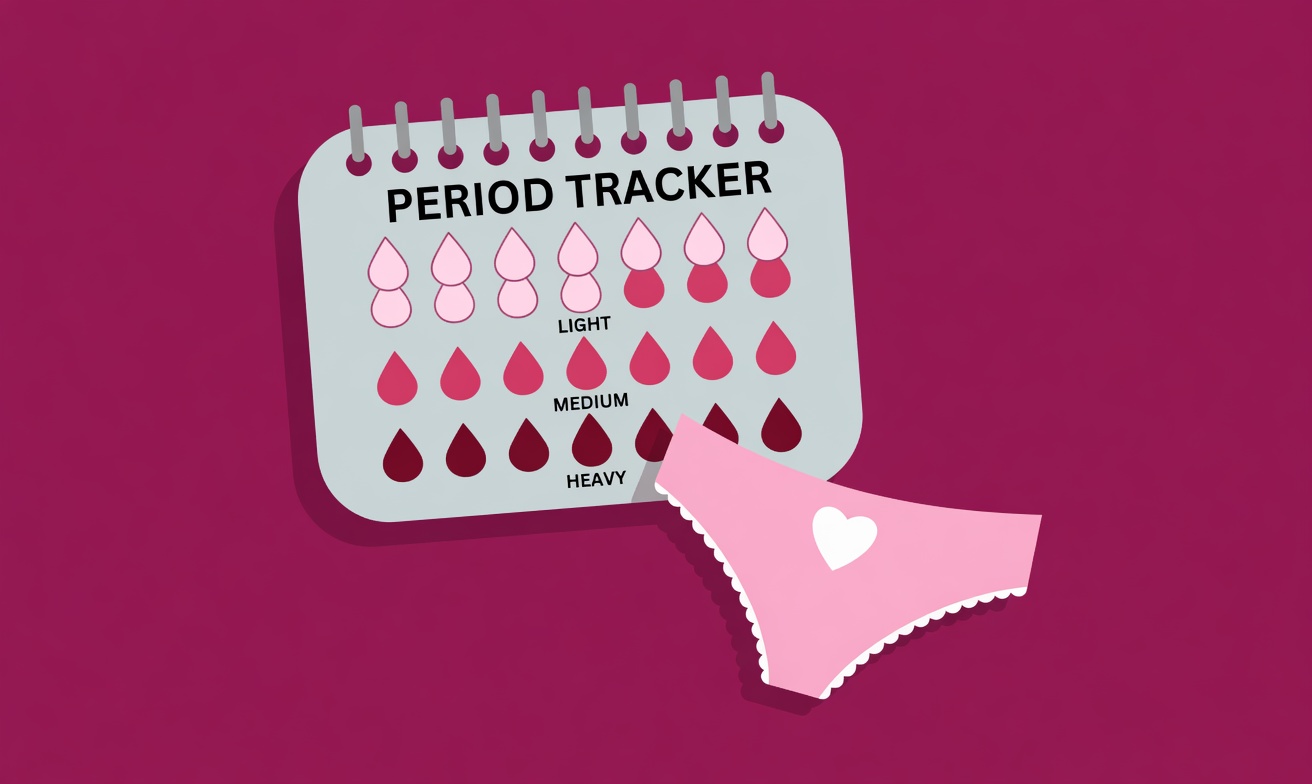
- Track sleep, mood, energy, and cycle changes in a notebook or app.
- Build a consistent wind-down routine (for example, dim lights earlier and keep bedtime steady).
- Add balanced movement you can sustain, such as walking or light strength work.
- Support basics like hydration and regular, balanced meals.
These are not miracle cures—but they can reduce the feeling of unpredictability and help you adapt with steadier footing.
Quick Overview: Common Changes and Gentle Focus Areas
- Sleep disruption → early waking, restless nights → focus on rest routines
- Mood shifts → increased sensitivity, irritability → focus on stress support
- Body changes → waist changes, strength shifts → focus on consistent movement
Practical Reminder: General Guidance
- Sleep: Maintain routines and adjust gradually.
- Nutrition: Aim for balanced meals; individual needs vary.
- Support: Professional guidance can help; personalized advice matters.
What If You’re Still Not Sure It’s Menopause?
It’s completely valid to wonder whether symptoms are menopause, stress, burnout, or something else—there is real overlap. Menopause isn’t diagnosed by symptoms alone. However, having the language to describe what you’re noticing can make conversations with healthcare providers clearer and more productive.
Why Recognizing Menopause Can Change Everything
When you recognize menopause for what it is, shame can shift into curiosity, fear into preparation, and confusion into choice. Many women find that understanding this transition improves quality of life and helps them feel more grounded—because it’s not an ending, it’s a new phase with new needs.
Your Next Step
Start small: choose one area to observe this week—sleep, mood, energy, or your cycle—and write down what you notice. The goal isn’t perfection; it’s clarity.