When Diabetes Symptoms Don’t Match “Normal” Lab Numbers
Living with diabetes can be confusing: your test results may look acceptable, yet your body keeps sending uncomfortable signals. Maybe your feet stay cold no matter how many socks you wear. Your toes tingle at night. Your hands feel numb when you reach for your keys. Some people also notice subtle changes in intimacy—often difficult to mention, even to a trusted partner.
These small shifts are commonly tied to reduced blood flow and increased nerve stress. Over time, they can limit mobility, disrupt sleep, and slowly chip away at confidence.
Why Poor Circulation and Nerve Irritation Are Common in Diabetes
Diabetes can gradually damage tiny blood vessels and irritate nerves. When circulation is compromised, less oxygen reaches the tissues, which may lead to:
- A “heavy legs” feeling
- Pins-and-needles sensations
- Cold hands and feet
- Numbness that interferes with daily comfort and focus
Many adults over 40 feel stuck: even with solid glucose control, these issues can remain. That’s where nutrient status becomes worth a closer look. Certain vitamin deficiencies are more frequent in people with diabetes, and when they exist, they may intensify circulation discomfort and neuropathy-like symptoms.
A simple self-check: on a scale of 1–10, how often do cold extremities or tingling disrupt your day? Keep that number in mind—you’ll be able to reassess after reading.

The Underrecognized Connection: Diabetes, Nutrient Gaps, and Circulation
This isn’t about replacing medical treatment. It’s about recognizing that diabetes (and sometimes diabetes medications) can affect nutrient absorption and utilization. When key vitamins run low, your vascular system and nerves may have fewer resources to stay resilient.
Research repeatedly shows higher rates of specific deficiencies among people with diabetes. Correcting those deficiencies—when confirmed by testing—may support blood vessel function, nerve comfort, and overall day-to-day well-being.
Vitamin D: The “Sunshine Vitamin” That May Support Blood Flow and Comfort
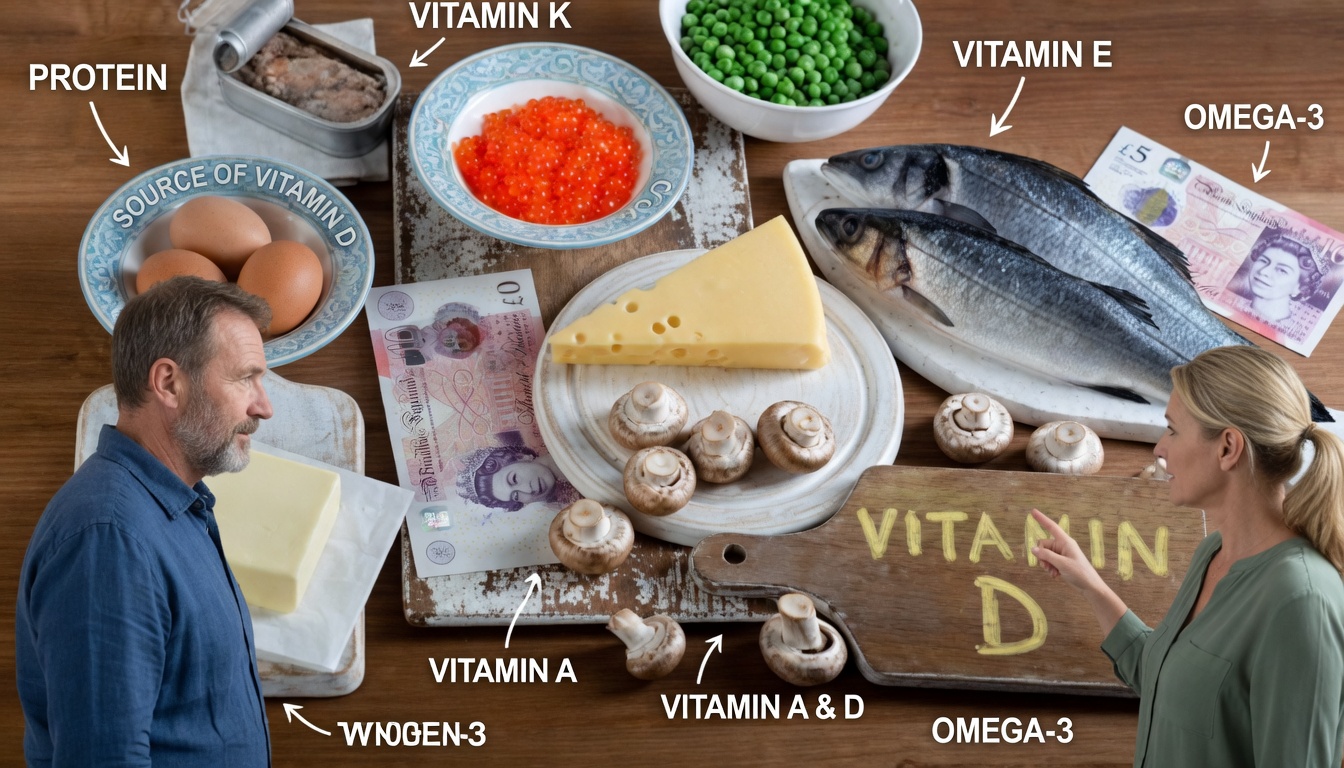
Vitamin D is widely known for bone health, but it also plays roles in muscle function and the health of blood vessel linings. Vitamin D receptors are present in tissues involved in vascular tone, and low levels have been associated in some studies with poorer circulation-related comfort in diabetes.
Because deficiency is common, low vitamin D may also show up alongside:
- Fatigue
- Reduced muscle support
- A “dragging” feeling in the legs by midday
Several studies, including randomized trials, suggest that restoring vitamin D levels when they’re low may help reduce short-term diabetic neuropathy pain and improve aspects of microcirculation. Many people describe the change as subtle but meaningful—such as warmer feet and steadier energy—without dramatic claims.
If your sunlight exposure is limited (rate it 1–10), or you frequently feel coldness in your hands or feet, asking your clinician about checking vitamin D may be a practical next step.

Vitamin E: An Antioxidant That May Help Protect Blood Vessels
Vitamin E is a fat-soluble antioxidant that helps defend cells from oxidative stress—something diabetes can increase over time. Oxidative stress may aggravate blood vessel lining function, which can contribute to numbness or that “half asleep” sensation in the evenings.
While large studies show mixed outcomes for broad heart-related endpoints, some research points to vitamin E’s potential value for endothelial (blood vessel lining) support and oxidative balance in diabetes-related contexts. People who regularly include vitamin E-rich foods often report mild improvements—such as fewer episodes of numbness or an easier sense of physical comfort.
A food-first strategy is typically the safest way to start. Vitamin E-rich options include:
- Almonds and other nuts
- Sunflower seeds
- Avocado
- Spinach

Vitamin B12: A Key Nutrient for Nerves—Often Affected by Metformin
Vitamin B12 is essential for nerve function, red blood cell production, and healthy neurological signaling. However, long-term use of metformin (a common diabetes medication) can reduce B12 absorption for many people.
When B12 is low, symptoms can overlap with diabetic neuropathy, including:
- Tingling
- Burning sensations
- Numbness
- Worsening discomfort at night
Multiple randomized trials and meta-analyses suggest that supplementing vitamin B12 (when deficiency is present) may improve neuropathy symptoms, pain scores, nerve conduction measures, and quality of life. Many people who correct low B12 report less “static” in the feet, improved sleep, and fewer distractions during daily activities—including intimate moments.
If you’ve used metformin for years and persistent pins-and-needles won’t fade, a simple blood test may help clarify whether B12 is part of the picture.

Quick Comparison: How These Vitamins May Help in Diabetes
-
Vitamin D — May support blood vessel tone and muscle function, especially when levels are low. Deficiency is common and may relate to fatigue and reduced circulation comfort.
- Sources: fatty fish, fortified dairy/alternatives, egg yolks, sunlight
-
Vitamin E — Provides antioxidant support that may protect vessel linings from oxidative stress associated with diabetes.
- Sources: almonds, sunflower seeds, hazelnuts, avocado, spinach
-
Vitamin B12 — Supports nerve function and energy pathways; deficiency risk increases with certain medications (notably metformin), potentially amplifying tingling and numbness.
- Sources: meat, fish, eggs, dairy, fortified foods
These vitamins are not cures. But if deficiencies exist, correcting them may help support the very systems diabetes tends to strain most: circulation and nerves.
9 Practical Ways These Vitamins May Improve Daily Comfort (Countdown)
- Less stubborn nighttime cold in toes and feet — Vitamin D and E may support vascular tone and oxidative balance.
- Tingling that becomes less attention-stealing — Normalizing B12 can reduce nerve “buzz” when levels are low.
- More relaxed evenings and better sleep quality — Improved nutrient status may reduce irritation and discomfort.
- More stable energy with fewer midday crashes — Vitamin D and B12 support pathways involved in oxygen use and vitality.
- Legs that feel lighter during routine movement — Better support for circulation and muscle function can make everyday tasks easier.
- Greater ease in intimacy as discomfort eases — Improved flow and sensation may reduce quiet frustration.
- A clearer plan instead of constant guessing — Testing vitamin D and B12 helps turn vague concerns into targeted actions.
- Simple habits that are easier to maintain — Food-based changes and clinician-guided supplementation are straightforward.
- A stronger sense of control — Small adjustments can remind you that not everything is “automatic decline.”
A Practical Food-First Plan + When to Check Your Levels
Start with nutrient-dense foods that naturally support these vitamins:
- For vitamin D: salmon or sardines
- For vitamin E: almonds, sunflower seeds, avocado
- For vitamin B12: eggs, fish, dairy (or fortified foods if needed)
If symptoms persist, consider discussing vitamin D and vitamin B12 testing with your clinician—especially if you use metformin. Personalized guidance is the safest way to address deficiencies effectively.
Safety Notes Before Using Supplements
- Talk with a qualified clinician before supplementing, because dose and interactions matter.
- Avoid high-dose vitamin E without oversight, especially if you use blood thinners.
- Track one measurable change (warmth, tingling, or energy) for 30 days to stay objective.
A Gentle 30-Day Timeline to Build Momentum
- Week 1: Add one vitamin-rich food daily and record your baseline symptoms.
- Week 2: If needed, schedule a discussion about vitamin D and B12 testing.
- Week 3: Follow the personalized plan consistently (food, supplements, or both, as advised).