Stiff Joints, Cold Hands, and Everyday Aches: A Simple Herbal Tea You Can Make at Home
Waking up with tight, achy joints that make it hard to get moving—or noticing your hands and feet feel cold even when the weather isn’t—can be discouraging. As we age, many of us deal with recurring discomfort in the knees, back, hips, or legs, often tied to normal wear and tear, slower circulation, or low-grade inflammation.
The encouraging part: gentle, traditional herbal practices can help support your body’s natural comfort and balance. One of the easiest options is a warming, aromatic herbal tea made with simple ingredients you may already have in your kitchen.
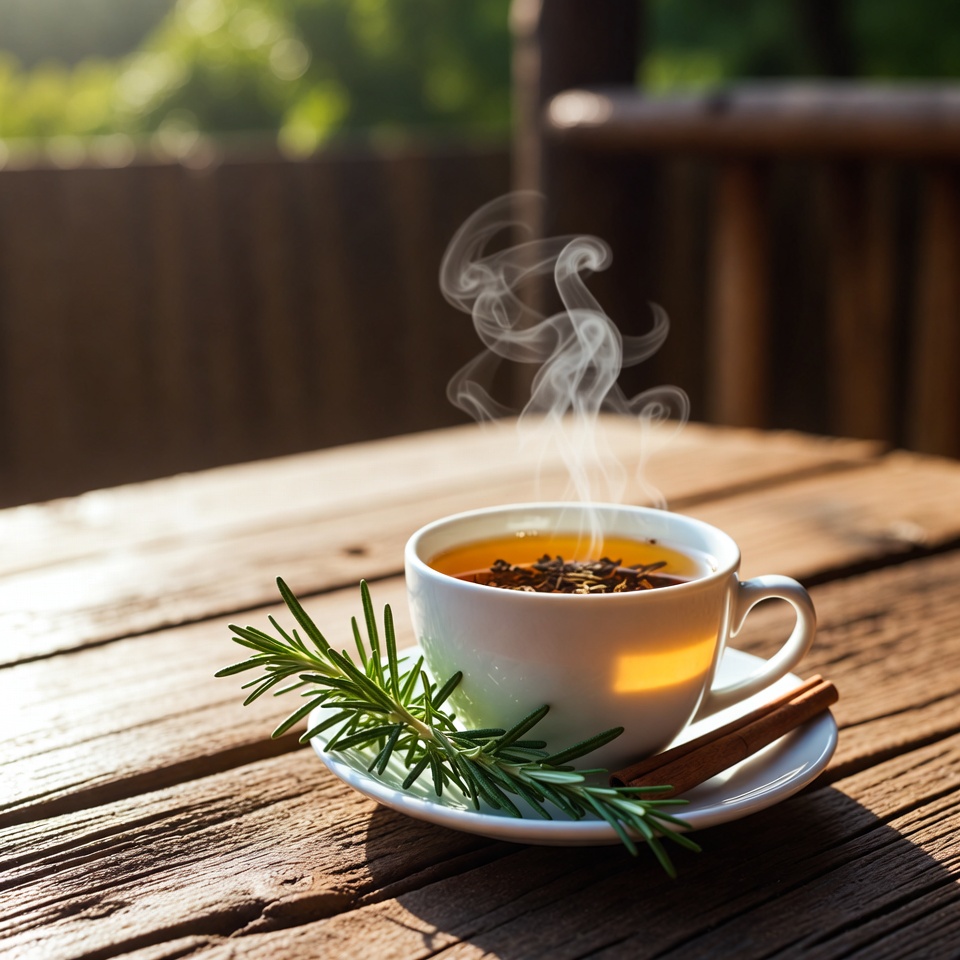
If you’ve been looking for a comforting daily ritual that supports relaxation, circulation, and overall wellness, this chamomile-rosemary-cinnamon tea blend is a practical place to start.
Why Herbal Tea Is a Popular Choice for Natural Comfort
Herbal tea is used around the world as a calming, low-effort way to support well-being. Beyond hydration and warmth, many herbs contain plant compounds studied for their antioxidant and inflammation-modulating effects.
Research has explored how:
- Chamomile may influence inflammatory pathways through compounds such as apigenin (shown in lab research and small human studies).
- Rosemary contains antioxidants (including rosmarinic acid) that may support circulation and overall vascular function.
- Cinnamon includes bioactive compounds like cinnamaldehyde and polyphenols that have been studied for metabolic support and inflammatory marker balance.
These findings help explain why so many people turn to herbal infusions as part of a broader wellness routine.
The Herbal Trio: Chamomile, Rosemary, and Cinnamon
This blend combines three well-known herbs/spices that complement each other in both flavor and traditional use.
Chamomile (Matricaria chamomilla)
Chamomile is widely associated with calm and comfort. It’s often used to promote relaxation, support sleep quality, and soothe digestion—factors that can indirectly help your body manage everyday stress and discomfort. Studies have also examined chamomile’s potential role in supporting a healthier inflammatory response.
Rosemary (Rosmarinus officinalis)
Rosemary brings a fresh, pine-like aroma and a rich antioxidant profile. Traditionally used to “warm” the body, it is often included in routines aimed at supporting circulation, especially for people who feel sluggish or tense after long days. Emerging research suggests rosemary compounds may help support healthy blood flow and mild inflammation balance.
Cinnamon (Cinnamomum verum / cassia)
Cinnamon adds natural warmth and depth. Clinical reviews have investigated cinnamon for its potential effects on blood pressure support, circulation, and inflammatory biomarkers, making it a common staple in daily wellness habits.
Together, these ingredients create a fragrant, golden-toned infusion that’s easy to drink and simple to repeat consistently.
Chamomile Rosemary Cinnamon Tea Recipe (Quick, 2 Servings)
This homemade herbal tea recipe takes about 15–20 minutes from start to finish.
Ingredients
- 1 tablespoon dried chamomile flowers
- 1 sprig fresh rosemary (or 1 teaspoon dried rosemary)
- 1 cinnamon stick
- 2 cups water
- Juice of 1/2 lemon (optional, for a brighter taste)
- 1 teaspoon pure honey (optional, for gentle sweetness)
How to Make It
- Bring 2 cups of water to a gentle boil in a small pot.
- Add the cinnamon stick and simmer for 5 minutes to draw out its flavor.
- Add the rosemary and chamomile.
- Turn off the heat, cover, and steep for 10 minutes.
- Strain into two cups. Add lemon or honey if desired.
For the most soothing effect, drink it warm.
How to Add This Tea to Your Routine (Without Overdoing It)
Consistency matters more than intensity. Many people use this schedule:
- Morning: 1 cup on an empty stomach (optional) to start the day feeling warmer and more flexible
- Evening: 1 cup to unwind and support relaxation
- Optional: If needed, add one mid-afternoon cup, but keep intake to no more than 3 cups daily
A common pattern is to drink it daily for around three weeks, then take a short break and reassess.
To amplify results, pair your tea routine with:
- Light daily movement (walking, stretching, mobility work)
- A colorful, nutrient-rich diet (vegetables, berries, healthy fats)
- Adequate sleep and stress management
What People Hope to Gain from This Herbal Blend
Herbal tea is not medical treatment, and individual results vary. Still, people often choose this combination because it may support:
- A healthier, calmer inflammatory response
- Circulation support, especially in hands and feet
- Easier muscle relaxation after physical strain or long sitting
- More restful sleep and a smoother evening wind-down
- Gentle digestion and less occasional bloating
- Daily antioxidant support against oxidative stress
- A comforting ritual that reduces everyday tension
Research on the individual ingredients—such as chamomile in studies involving discomfort markers, rosemary and blood flow support, and cinnamon and inflammatory biomarkers—helps explain why this tea is so widely appealing.
Everyday Experiences: What Some Tea Drinkers Report
While anecdotes aren’t the same as clinical proof, many people describe subtle but meaningful improvements when they stick with a consistent routine:
- “After a few weeks, I noticed less morning stiffness in my knees.” — Sarah, 55
- “My legs used to feel heavy by evening, and this tea has helped them feel lighter.” — Carlos, 49
Your response may be different, but these stories reflect why small daily habits can feel worthwhile.
Safety Notes and Precautions
This tea is generally considered gentle for most adults, but moderation is important.
- Limit intake to 1–3 cups per day
- Talk to a healthcare professional before using regularly if you:
- are pregnant or nursing
- have liver concerns
- have high blood pressure
- take medications—especially blood thinners or blood pressure drugs
Herbs can interact with medications in subtle ways, even when they seem mild.
Final Thoughts: A Warm, Simple Habit for Daily Comfort
A daily cup of chamomile, rosemary, and cinnamon tea can be an easy, pleasant way to support relaxation, circulation, and everyday joint or muscle comfort. With a soothing aroma, familiar ingredients, and a simple preparation process, it’s a ritual many people find easy to maintain—and potentially rewarding over time.
FAQ
Can I drink chamomile rosemary cinnamon tea every day?
Many people enjoy it daily in moderation (1–3 cups). Start with one cup and pay attention to how your body responds.
Is this tea safe for everyone?
It’s often well-tolerated, but anyone who is pregnant, nursing, managing a medical condition, or taking prescription medications should check with a healthcare provider first.
What if I don’t like the flavor?
Try adding a little lemon juice for brightness or a small amount of honey for sweetness without masking the herbs.
Disclaimer
This article is for informational purposes only and does not provide medical advice. Herbal teas may support wellness but are not a substitute for professional healthcare. Always consult a qualified healthcare provider before starting new remedies, especially if you have a health condition or take medications. Individual results vary.