Feeling Low on Energy or “Off” Despite Healthy Habits?
Many people deal with low energy, occasional digestive discomfort, uneven-looking skin, or a general sense of feeling run-down—even when they eat reasonably well and stay active. Often, these everyday concerns can be linked to gradual buildup from oxidative stress, minor nutrient shortfalls, or low-grade inflammation. Over time, that can leave you looking for a natural, non-stimulant way to support balance—without harsh measures.
What Are Moringa Seeds—and Why Are They Gaining Attention?
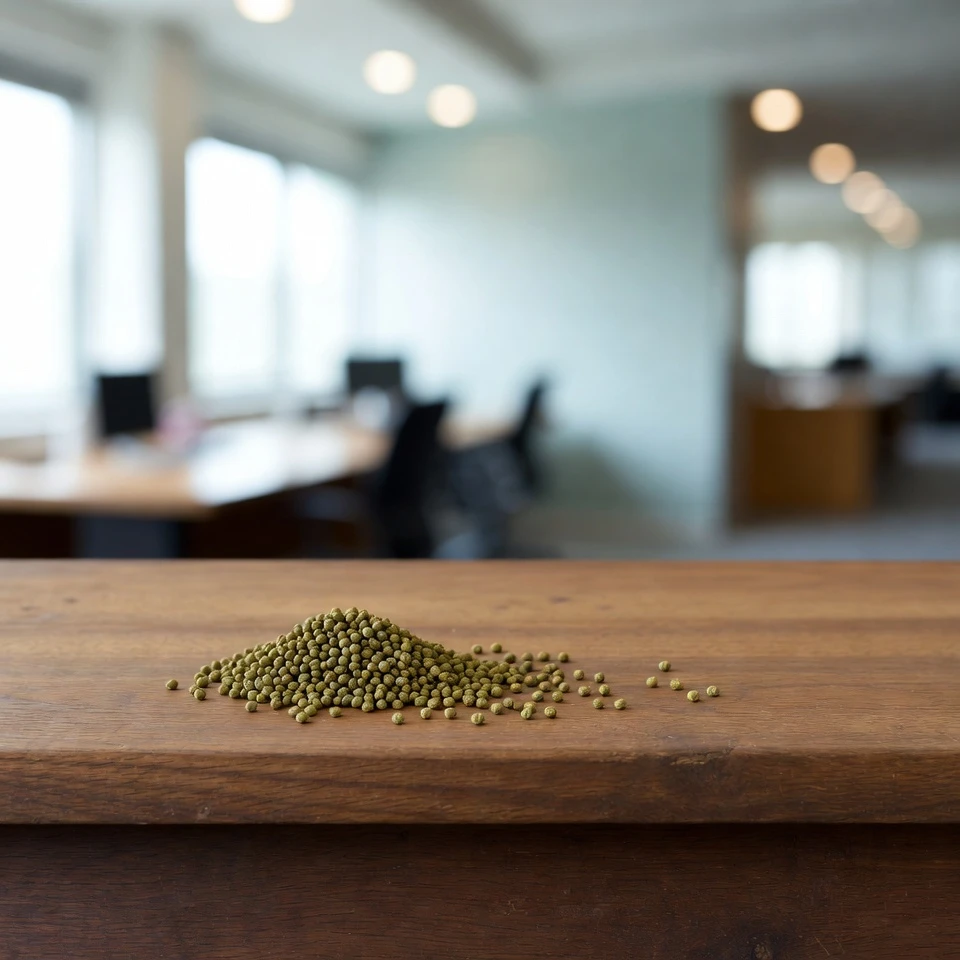
Moringa seeds come from the Moringa oleifera tree, a plant widely used in traditional wellness practices throughout parts of Africa and Asia. While moringa leaves tend to get most of the spotlight, the seeds offer their own standout nutritional profile—rich in protein, healthy fats, antioxidants, and bioactive plant compounds that researchers are actively studying for broader wellness support.
This guide breaks down 12 science-informed ways moringa seeds may support daily health, along with practical tips to use them safely. (Stay to the end for an easy habit that makes consistency simple.)

Why Moringa Seeds Are Considered Nutrient-Dense
Sometimes called the “miracle tree,” Moringa oleifera grows well in tropical climates and has been relied on for generations. The seeds are especially concentrated in key nutrients.
Notable components include:
- Complete plant proteins and essential amino acids
- Antioxidants such as polyphenols, quercetin, and glucosinolates
- Minerals including iron, magnesium, calcium, and zinc
- Heart-friendly monounsaturated fats, particularly oleic acid
- Vitamins such as C, E, and select B vitamins
Together, these nutrients help support the body’s baseline functions. Research frequently highlights moringa seed compounds for their potential role in helping the body manage oxidative stress, a contributor to everyday cellular wear.
Another plus: moringa seeds are easy to use—chewed in small amounts, brewed, or ground into powder for drinks and meals.
12 Potential Benefits of Moringa Seeds (Science-Informed)
1. May Support Natural Detox Pathways
Moringa seeds contain glucosinolates and antioxidants that research suggests may support the body’s detox-related systems—especially the liver—by helping neutralize free radicals and assisting waste-processing pathways. Lab research has explored potential hepatoprotective (liver-supportive) properties under oxidative stress.
When paired with an overall healthy routine, this may contribute to a lighter, clearer feeling.
2. Helps Promote Steady Energy Without the “Crash”
If you feel tired even with decent sleep, moringa seeds provide nutrients involved in energy metabolism, including iron, magnesium, and B vitamins. Nutritional research links these nutrients to cellular energy production (including mitochondrial function), offering support without the spike-and-drop pattern associated with caffeine.
Many people describe the result as more stable daytime vitality.
3. May Encourage Healthier-Looking Skin
Moringa seeds supply antioxidants such as vitamin E and polyphenols, which may help defend skin cells from environmental stressors and oxidative damage. Because moringa contains anti-inflammatory compounds, researchers have also explored its potential role in reducing inflammation-related skin dullness over time.
This is why some people use moringa seeds for a more natural “glow from within.”
4. May Help With Healthy Weight Balance
Moringa seeds contain fiber and bioactive plant compounds that may support satiety and digestive efficiency—both relevant for appetite regulation. Animal research has observed effects related to weight changes in high-fat diet contexts, potentially tied to metabolism and nutrient handling.
For best results, pair moringa with mindful eating and consistent movement.
5. May Support Balanced Blood Sugar
Early research suggests moringa may support healthy glucose metabolism, including more stable post-meal levels and improved insulin response in certain contexts. This aligns with long-standing traditional use for metabolic wellness and is supported by animal research and preliminary human insights.
For daily life, that can translate into fewer energy swings.
6. Supports Cardiovascular Wellness
With antioxidants plus monounsaturated fats, moringa seeds may help support heart-friendly routines—potentially contributing to healthier cholesterol balance and vessel function. Reviews of moringa research often discuss cardioprotective mechanisms connected to lower oxidative strain on the heart and blood vessels.
Think of this as a complement to core habits like movement, sleep, and a balanced diet.
7. May Improve Digestion and Gut Comfort
Moringa seeds contain fiber and plant compounds that may support regularity and help reduce occasional bloating. Traditional use also emphasizes gut support, and emerging research has explored moringa’s antimicrobial properties, which may contribute to a more balanced gut environment.
Many people use small amounts to ease mild digestive “off days.”
8. Helps Strengthen Immune Resilience
Moringa seeds provide nutrients like vitamin C and vitamin E, along with plant compounds studied for antioxidant and anti-inflammatory activity. These elements support the immune system’s ability to respond well during times of stress, travel, or seasonal changes.
Daily resilience often starts with consistent nutritional basics.
9. May Help Reduce Visible Signs of Premature Aging
Oxidative stress plays a role in how quickly cells show wear over time. Moringa seed polyphenols and antioxidants may help reduce daily oxidative impact, potentially supporting collagen integrity and overall vitality. Research exploring moringa’s “anti-aging” potential often focuses on cell protection mechanisms.
It’s a subtle, long-game approach—more prevention than instant transformation.
10. Supports Hair and Scalp Health
Hair health depends heavily on nutrient status. Moringa seeds offer minerals such as zinc and iron, plus vitamin A-related support, which may help nourish follicles and support scalp conditions needed for strong growth. Since nutrient gaps are frequently associated with shedding and thinning, moringa can act as a practical “nutrient top-up.”
Over time, many users report hair that looks stronger and shinier.
11. May Support Circulation and Overall Vitality
Healthy fats and micronutrients in moringa seeds may support circulation and physical vitality. Traditional applications also include use for libido and reproductive wellness, reflecting a more holistic view of energy and vigor rather than a single-target “fix.”
The goal is better whole-body performance, not stimulation.
12. May Promote Relaxation and Better Sleep Quality
Moringa seeds contain magnesium, a mineral known for supporting nervous system balance and relaxation. Some users find it easier to unwind in the evening or experience more restful sleep when moringa is used consistently in moderation—matching what you’d expect from its nutrient profile.
How to Use Moringa Seeds (Simple, Practical Options)
Because moringa seeds are concentrated, start with a small amount.
Try one of these easy methods:
- Raw (simple daily habit): Chew 1–2 seeds per day with water (remove the outer husk if needed).
- Moringa seed tea: Lightly crush 2–3 seeds, steep in hot water for 10 minutes, then strain and drink.
- Powder method: Grind into a fine powder and add ½ teaspoon to smoothies, yogurt, or soups.
Tip: Begin low and increase slowly only if you tolerate it well. Choose high-quality, preferably organic moringa seeds for best results.
Safety Notes and Precautions
Moringa seeds are generally well tolerated, but speak with a qualified healthcare professional before using them if you:
- are pregnant or breastfeeding
- take prescription medications
- have a medical condition that requires monitoring
Avoid large amounts, especially at first, as excessive intake may cause mild digestive upset. Moringa works best as part of a varied diet and healthy lifestyle, not as a standalone solution.
Why Moringa Seeds Deserve More Attention
Moringa seeds reflect a timeless idea: small, natural foods can provide broad, multi-system support—from energy and digestion to skin and overall resilience. As scientific interest grows around moringa’s antioxidant and nutrient profile, these seeds are becoming a practical addition to modern wellness routines.
One small step—like one seed a day or one cup of tea—may be enough to notice meaningful, gradual changes in how you feel.
FAQ
How many moringa seeds should I take daily?
Most people start with 1–3 seeds per day or about ½ teaspoon of moringa seed powder. Increase gradually only if you feel good with the initial amount.
Are moringa seeds better than moringa leaves?
They’re different. Moringa seeds tend to be higher in certain fats and proteins, while moringa leaves are often preferred for broader vitamin and phytonutrient content. Many people choose based on their goals—or use both in moderation.