
When was the last time you rose from your favorite chair and genuinely felt powerful—not just “capable,” but stable, confident, and almost impressed by how solid your body felt? After 70, that feeling can start to disappear. Suddenly, everyday moments—carrying groceries, stepping up a few stairs, or getting out of bed—can feel harder than they used to.
You’re not lazy, and nothing is “wrong” with you. This is often a normal age-related change in how muscles respond to nutrition and movement. Many older adults experience anabolic resistance, meaning the body becomes less efficient at using protein to rebuild and maintain muscle—even when your diet seems adequate. Over time, this can lead to month-by-month strength loss and growing concerns about independence.
The encouraging news: certain plant-based proteins—often underestimated—can support muscle health when you choose them wisely and use them with a simple timing strategy. By the end of this guide, you’ll have a clear, realistic approach that pairs protein + gentle movement to help your body get more from what you eat.

Understanding Anabolic Resistance After 70
After age 70, muscles typically don’t respond as strongly to the “build and repair” signals triggered by protein. That’s why it can feel frustrating to eat protein-rich meals and still notice less strength, lower stamina, or slower recovery from routine activity.
Many studies suggest older adults may benefit from higher daily protein intake, often around 1.0–1.2 grams per kilogram of body weight per day, especially when paired with regular activity (even light activity). Plant proteins can be part of that solution—bringing not only amino acids, but also fiber, minerals, and protective phytonutrients that support overall health.
Still, not all plant proteins are equally easy to digest or equally complete in amino acids. Below are four practical options that address common senior needs: digestive comfort, amino acid coverage, and nutrient density.

#4: Lentils — A Gentle, Everyday Way to Add Plant Protein
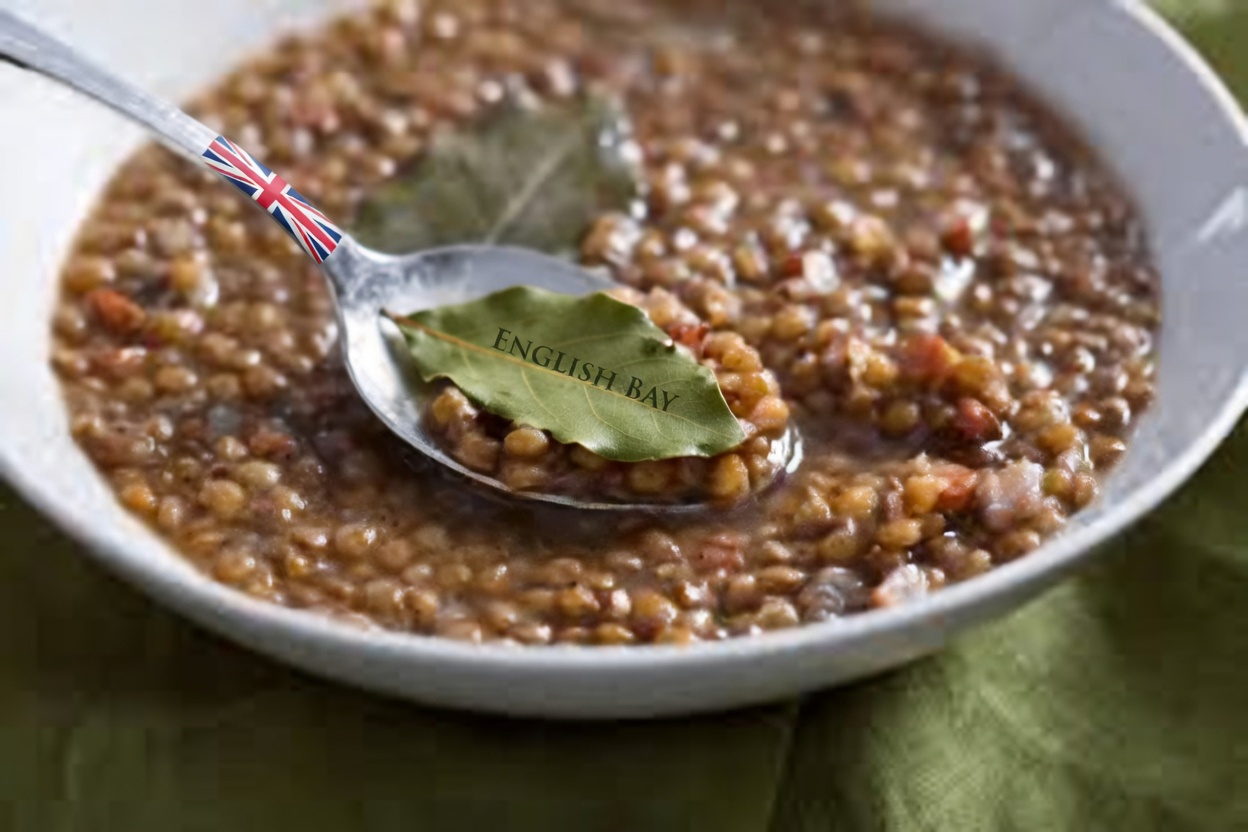
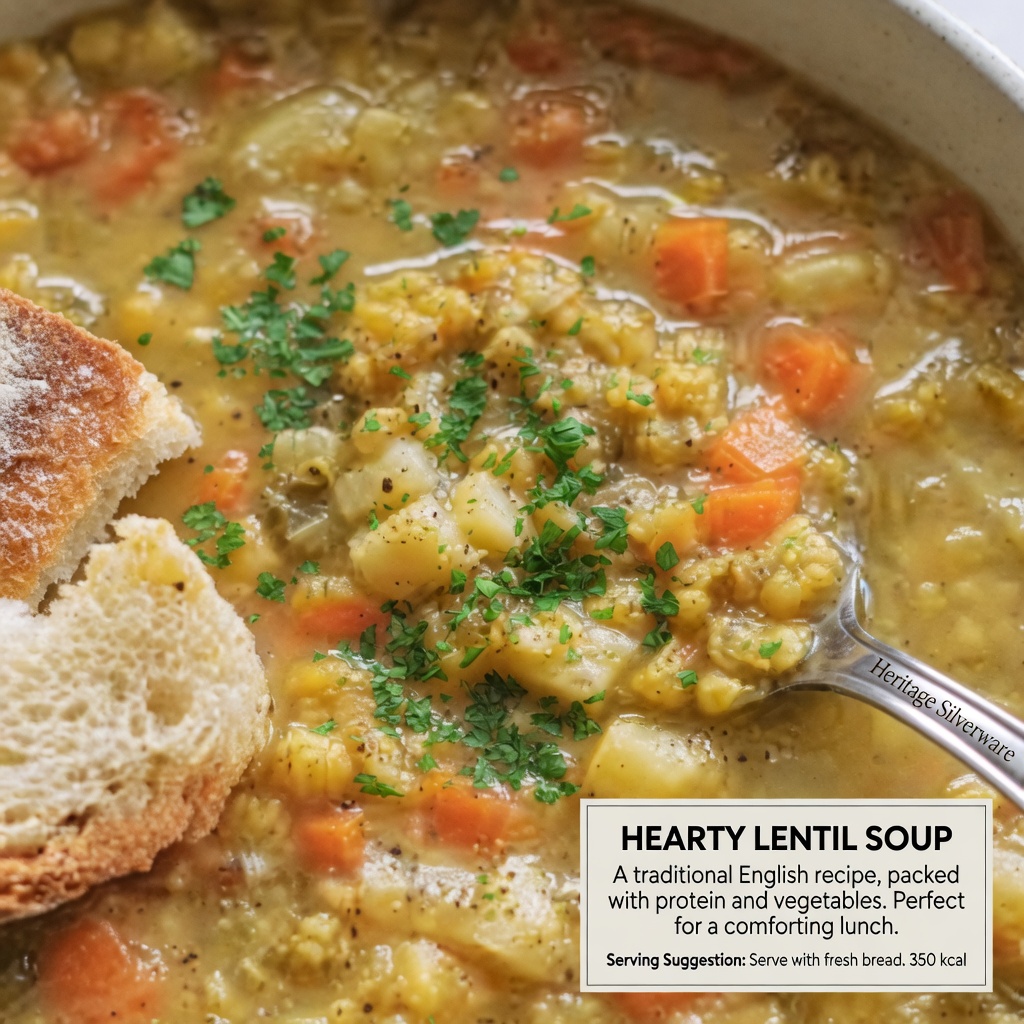
Lentils are an affordable, comforting staple that can be easier to manage than tough meats—especially if chewing feels harder or digestion has slowed. In soups and stews, lentils provide:
- Plant protein to support muscle maintenance
- Fiber that supports digestion and gut health
- Nutrients that may help with low-grade inflammation, which can interfere with muscle rebuilding
If you’re concerned about gas or bloating, start with a small portion and cook lentils thoroughly. Many people tolerate them well when introduced gradually.
Easy upgrade: pair lentils with vitamin C-rich foods (tomatoes, bell pepper, lemon) to support nutrient absorption.
Timing tip: try a bowl within 30 minutes after a short walk or light movement. That post-activity window can help muscles become more receptive to incoming nutrients.
#3: Hemp Seeds — A Simple “Complete Protein” Boost
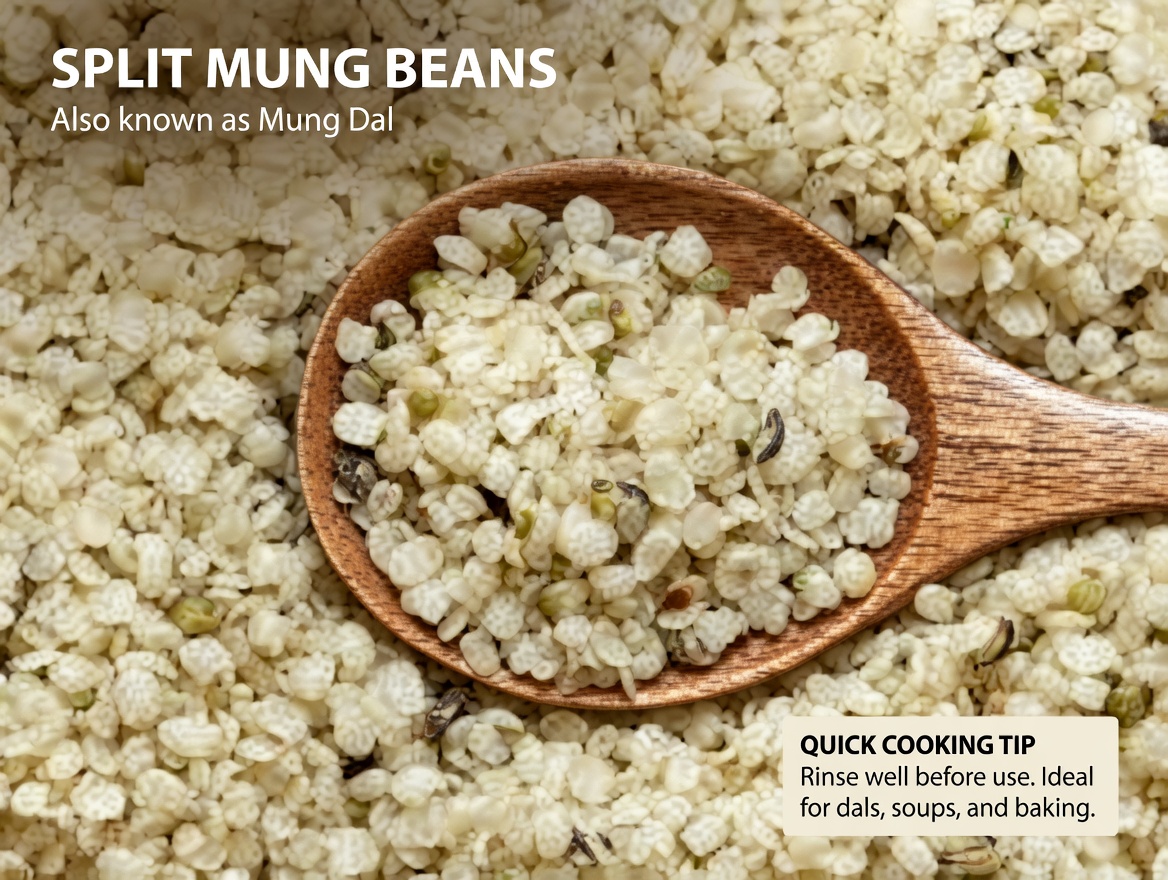
Hemp seeds are notable because they provide a complete amino acid profile, meaning they contain all essential amino acids. For adults over 70, this matters—because even one limiting amino acid can slow muscle repair.
Why they work well for seniors:
- Easy to eat (no heavy chewing)
- Simple to add to meals without large portions
- Provide healthy fats that support nutrient absorption
Many people skip hemp seeds thinking they’re complicated. They’re not—just sprinkle them on food.
How to use them:
- Stir into oatmeal
- Add to yogurt
- Top soups after cooking
To protect their delicate nutrients, add them after heating rather than cooking them for long periods.
Timing tip: add hemp seeds to breakfast after gentle chair exercises or a short walk to support muscle signaling when your body is most responsive.
#2: Spirulina — A Nutrient-Dense Add-In for Recovery
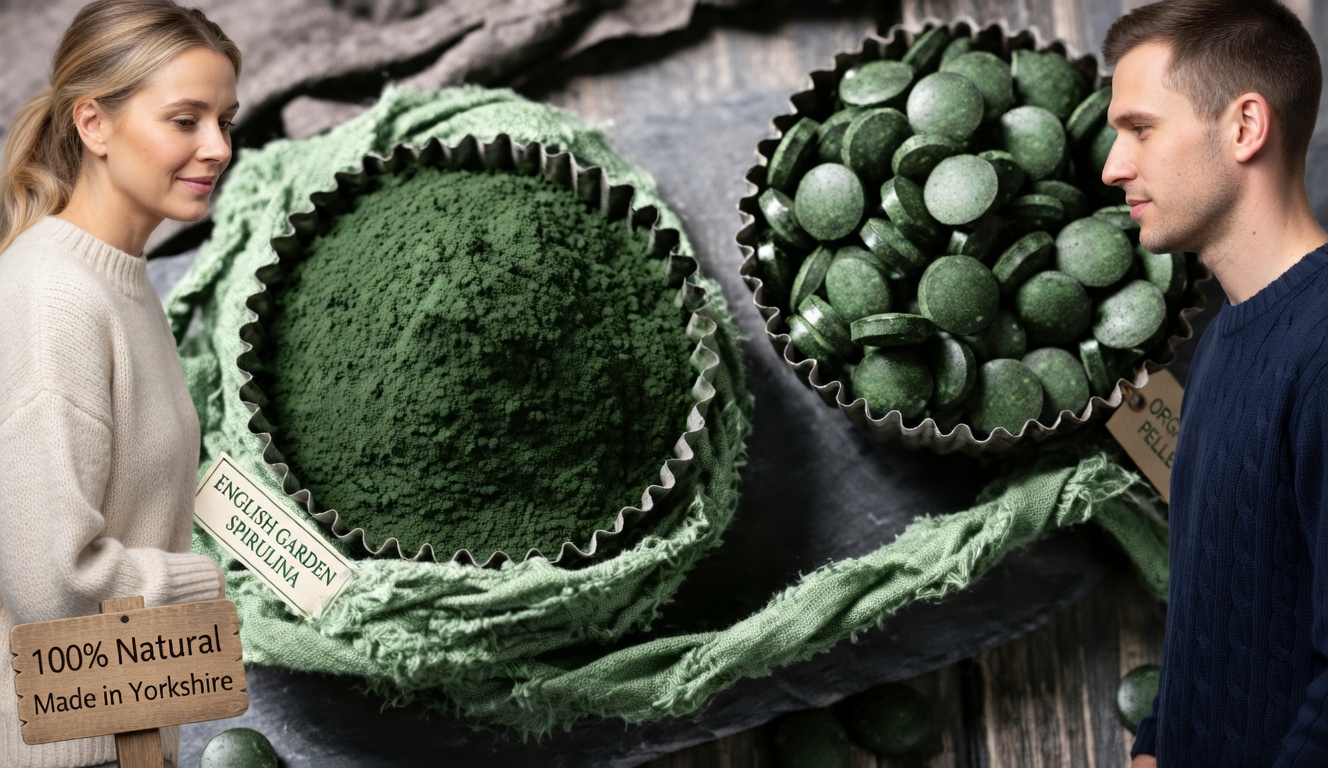
Spirulina is a concentrated blue-green algae that delivers protein and antioxidants in very small servings. This can be useful after 70, when appetite may decrease but nutrient needs remain high.
Potential benefits include:
- A compact source of protein
- Antioxidant support that may help with oxidative stress tied to aging muscles
- A convenient way to boost intake without large meals
Start slowly: many people do best beginning with ½ teaspoon mixed into smoothies or fruit-based blends.
Important: choose a high-quality product from a reputable brand to reduce the risk of contaminants. And if you take medications or manage chronic conditions, it’s smart to confirm with a clinician that spirulina is appropriate.
Timing tip: use spirulina after light stretching or a relaxed walk to align with the post-movement window.
#1: Yellow Split Peas — The Reliable, Easy-to-Digest Workhorse
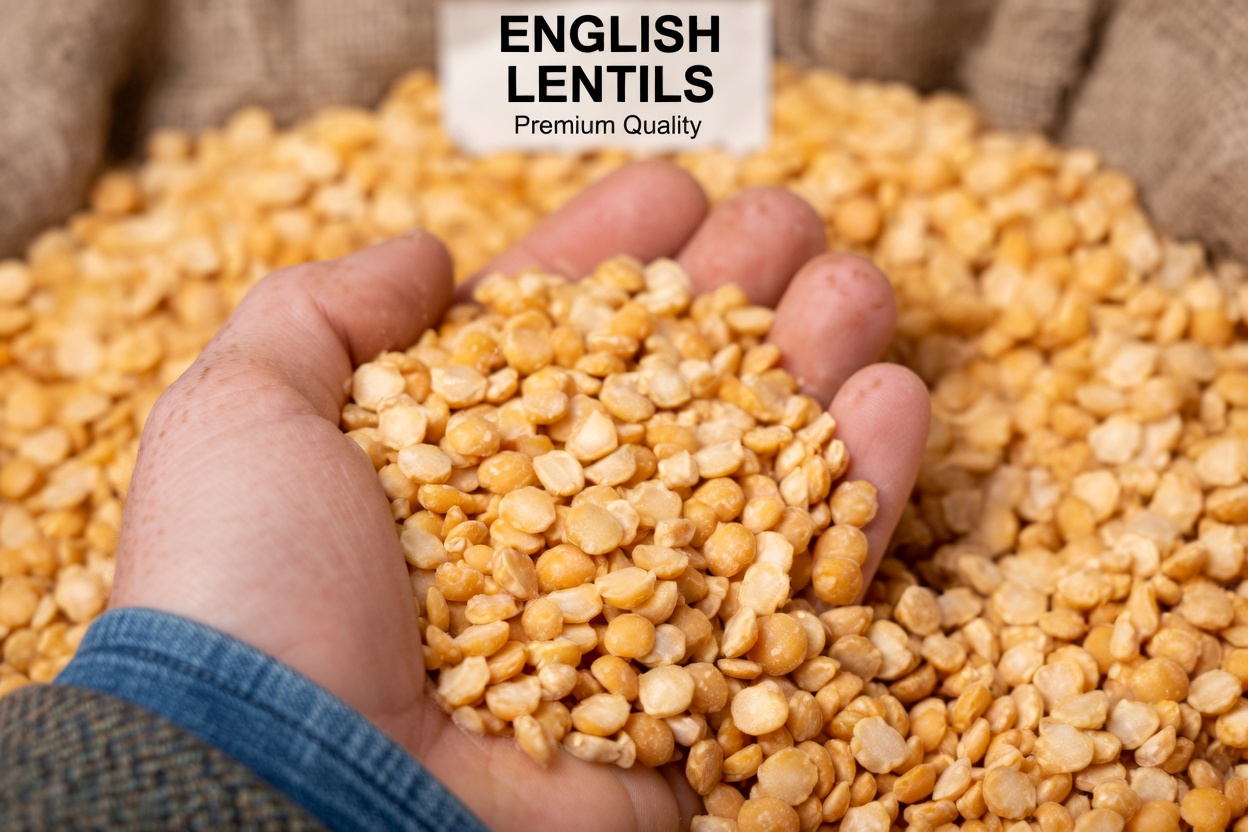
For many seniors, yellow split peas are one of the most practical plant proteins: they’re soft, satisfying, and easy to build into a daily routine. If heavy meals cause you to skip protein—or if chewing is challenging—split pea soup can be a consistent, gentle solution.
Why they stand out:
- Comfortable texture in soups and purees
- Steady amino acid delivery that supports muscle repair over time
- Easy to prepare in batches for regular intake
How to use them:
- Classic split pea soup with vegetables
- Blended into a smooth puree
- Split pea protein powder in smoothies (choose low-additive options)
Timing tip: a serving after gentle movement can reinforce the daily muscle-maintenance signal that many older adults need.
The Simple Timing Trick: Eat Protein Within 30 Minutes After Movement
The biggest “multiplier” isn’t only what you eat—it’s when you eat it.
Even mild activity (not a workout) can make muscles more receptive. Think:
- 10-minute walk
- Chair stands
- Light stretching
- Easy step-ups at home
When you consume protein within about 30 minutes after movement, you help direct nutrients toward repair and maintenance—particularly important when dealing with anabolic resistance.
You don’t need a gym. The goal is consistent gentle movement + consistent protein timing.
Practical daily combinations
- Breakfast: Oatmeal + hemp seeds + berries (optional: split pea protein)
- Lunch: Lentil soup with vegetables and lemon
- Snack (post-movement): Smoothie with banana, spinach, and a small amount of spirulina or split pea protein
Quick Comparison: Plant Proteins at a Glance
-
Lentils
- Benefits: digestion-supporting fiber, supports inflammation balance
- Easy use: soups, stews
- Typical protein: ~18g per cooked cup
-
Hemp seeds
- Benefits: complete amino acid profile, healthy fats
- Easy use: sprinkle on oatmeal, yogurt, soups
- Typical protein: ~10g per 3 tablespoons
-
Spirulina
- Benefits: nutrient-dense support for recovery
- Easy use: small amounts in smoothies
- Typical protein: ~4g per teaspoon
-
Yellow split peas
- Benefits: gentle digestion, steady support for regular intake
- Easy use: soups, purees, protein powder
- Typical protein: ~16g per cooked cup
A Realistic 6-Week Starter Plan
- Weeks 1–2: Pick one daily “anchor” meal (lentil soup or split pea meal). Once per week, rate your strength from 1–10.
- Weeks 3–4: Add hemp seeds to most breakfasts for more complete amino acid coverage.
- Weeks 5–6: If tolerated, introduce spirulina slowly, always paired with fruit. Keep the movement + protein within 30 minutes habit.
Simple progress marker
Track something practical, such as: standing up from a chair five times without using your hands. Improvements often show up quietly—but they add up.
Key Takeaway
These four plant proteins—lentils, hemp seeds, spirulina, and yellow split peas—offer realistic, accessible ways to support muscle health after 70. When you combine them with gentle daily movement and smart timing, you give your body a better chance to use protein effectively, even with anabolic resistance.
FAQ
How much protein do adults over 70 typically need per day?
Many guidelines suggest 1.0–1.2 g of protein per kg of body weight per day, distributed across meals, to help counter age-related changes in muscle response. Consistency and variety matter.
Are plant proteins as effective as animal proteins for supporting muscle in older adults?
Plant proteins can support muscle maintenance and strength, especially when you choose high-quality sources, combine foods for better amino acid coverage, and pair intake with regular activity and good timing.