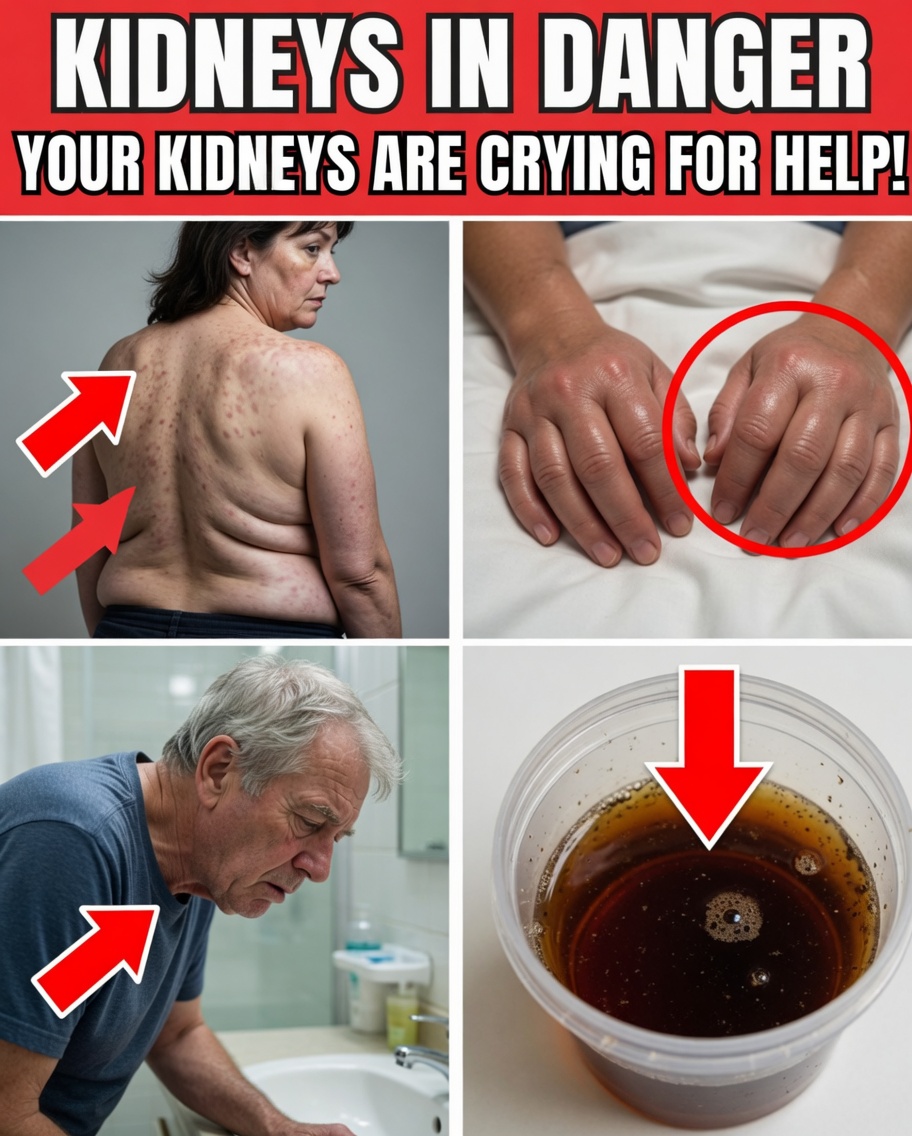
Chronic kidney disease (CKD) impacts millions of adults worldwide, and many people don’t realize they have it until the condition is already advanced. Estimates from major health organizations suggest that more than 1 in 7 U.S. adults may be living with chronic kidney disease, and up to 90% may be unaware during the early stages. Feeling unusually tired, noticing mild swelling, or sensing that “something is off” can sometimes be your body’s quiet way of signaling that your kidneys are under extra strain. These changes are easy to dismiss as stress, busy schedules, or normal aging—but catching patterns early can make a real difference.
If you’ve been experiencing a few “odd” symptoms lately, they may be worth taking seriously. Below are eight less-obvious signs that researchers and health experts often associate with potential kidney problems—so you can stay informed and take proactive steps.
Why Kidney Problems Often Stay Quiet at First
Your kidneys work around the clock to filter waste, balance fluids and minerals, and support healthy blood pressure. When kidney function declines slowly, symptoms may not appear immediately because the body can compensate for a while. That’s one reason early-stage CKD is frequently missed.
Noticing possible warning signs isn’t about self-diagnosing—it’s about knowing when to talk to a healthcare professional. Simple evaluations like blood tests and a urine test can provide valuable clarity.
1. Unexplained Swelling (Edema) in Legs, Feet, or Around the Eyes
Swelling in the ankles, feet, legs, or puffiness around the eyes—especially in the morning—can occur when the kidneys struggle to remove excess sodium and fluid. That extra fluid can collect in body tissues, leading to visible puffiness and “tight” sensations.
Ask yourself:
- Do socks leave deep marks on your ankles?
- Do shoes suddenly feel snug?
- Do rings feel tighter than usual?
Quick self-check: Press a finger into your shin for a few seconds. If a dent remains and refills slowly, note it and discuss it with your doctor.

2. Ongoing Fatigue That Doesn’t Improve With Rest
Everyone feels tired sometimes, but persistent exhaustion—even after adequate sleep—can be a meaningful signal. Kidneys help produce a hormone involved in red blood cell production. When kidney function drops, some people develop anemia, reducing oxygen delivery throughout the body.
Many describe this as:
- Feeling “heavy” or drained all day
- Hitting a wall in the afternoon
- Having trouble concentrating
Slower filtration can also allow waste products to accumulate, contributing to that worn-out feeling.
3. Urine Changes: Foamy Appearance, Color Shifts, or More Frequent Urination
Urine often offers early clues about kidney health. Watch for:
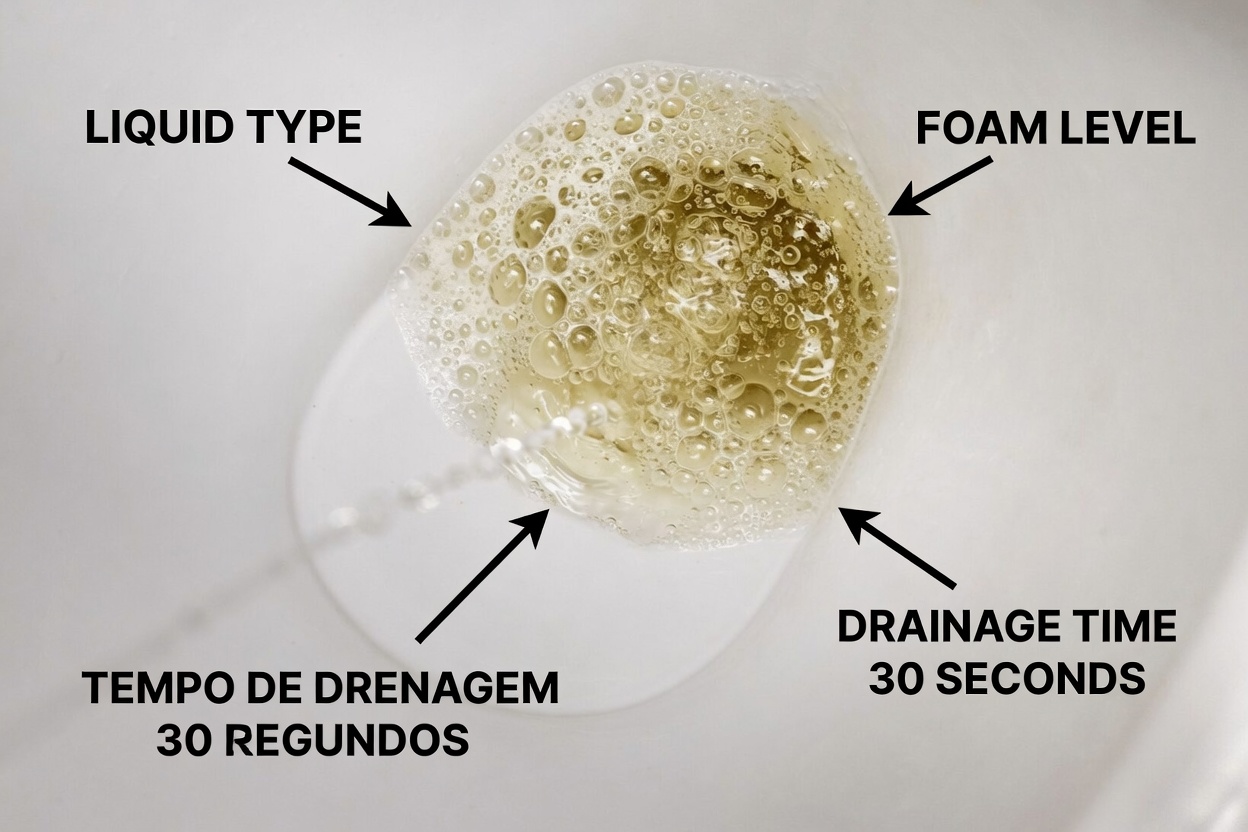
- Foamy or bubbly urine that doesn’t quickly disappear (possible protein in urine, also called proteinuria)
- Darker urine than usual
- Pink, red, or cola-colored urine (possible blood)
- Needing to urinate more often, especially at night
Healthy kidneys typically keep protein in the bloodstream. When filters are damaged, protein may leak into urine.
Tip: If foam persists for more than 30 seconds repeatedly, consider tracking it and bringing it up at your next appointment.

4. Shortness of Breath During Normal Activities
Getting winded from simple activities—like walking a short distance or climbing stairs—can sometimes relate to kidney issues. Two possible kidney-related contributors include:
- Fluid buildup, which may affect the lungs
- Anemia, which lowers oxygen transport
While shortness of breath can have many causes, persistent symptoms without an obvious explanation (like a cold or intense exercise) should be evaluated.
5. Dry, Itchy Skin That Doesn’t Settle
Long-lasting itchiness or dryness may occur when kidneys can’t effectively balance minerals such as phosphorus and calcium. This isn’t always the typical “winter dry skin”—it can feel deeper, more persistent, and harder to soothe.
Moisturizers may help temporarily, but ongoing symptoms may warrant a medical conversation, especially if they occur alongside other potential CKD signs.
6. Metallic Taste or Chronic Bad Breath
A metallic or ammonia-like taste in the mouth—or breath that doesn’t improve much with brushing—can occur when waste products build up in the blood. Some people also notice:
- Food tasting “off”
- Reduced appetite
- Less enjoyment of meals they usually love
Staying hydrated may help in the short term, but persistent taste and breath changes should not be ignored.
7. Sleep Problems: Trouble Falling Asleep or Staying Asleep
Poor sleep can be connected to kidney-related imbalances and toxin buildup. Some people wake often during the night or struggle to fall asleep despite good sleep habits. Sleep disorders such as sleep apnea are also more common in individuals with kidney disease.
If sleep issues are persistent and unexplained, consider them as part of a broader health picture—especially with other symptoms on this list.
8. High Blood Pressure That’s Difficult to Manage
Kidneys and blood pressure influence each other closely. When kidneys are damaged, blood pressure may rise. At the same time, uncontrolled hypertension can further harm kidney blood vessels, creating a harmful cycle.
Helpful steps include:
- Monitoring blood pressure at home
- Recording trends over time
- Discussing persistent elevations with a clinician
Simple Daily Habits That Support Kidney Health
You don’t need extreme measures—steady, realistic habits often help overall kidney wellness:
- Hydrate smartly: Many people do well with about 4–6 glasses of water daily, adjusted for individual needs and medical guidance.
- Move consistently: Aim for 30 minutes of walking most days to support circulation and blood pressure.
- Limit sodium: Choose fresh foods more often and check labels to keep salt intake moderate.
- Eat balanced meals: Focus on fruits, vegetables, and lean proteins while reducing heavily processed foods.
- Schedule routine checkups: Regular blood pressure checks and basic labs can catch changes early.
These steps are supportive—not cures—and align with widely accepted health guidance for long-term wellness.
Quick Reference: Symptoms and What They May Suggest
- Swelling in feet/ankles/around eyes — Possible fluid retention from reduced filtration
- Constant fatigue — Possible anemia and/or waste buildup
- Foamy urine — Possible protein leakage (proteinuria)
- Dry, itchy skin — Possible mineral imbalance
- Shortness of breath — Possible fluid overload or low oxygen delivery
- Metallic taste/bad breath — Possible waste accumulation
- Sleep disruption — Possible toxin/mineral imbalances or related sleep disorders
- High blood pressure — Increased strain on kidney blood vessels
Final Thoughts: Pay Attention Early and Get Clarity
Noticing these unusual signs early can help you have a more informed conversation with your healthcare provider. Simple urine and blood tests can clarify what’s happening and guide next steps. Protecting kidney health supports energy, comfort, and long-term quality of life.
FAQ
What are the most common early signs of kidney concerns?
Early indicators may include foamy urine, lower-body swelling, and unexplained fatigue—though many people experience few or no symptoms until later stages.
Can lifestyle changes really help kidney health?
Yes. Habits like staying hydrated, eating a balanced diet with moderate sodium, staying physically active, and managing blood pressure can support kidney function as part of overall health.
When should I see a doctor about these symptoms?
If symptoms such as swelling, extreme tiredness, shortness of breath, or persistent urine changes continue over time, consult a healthcare professional for evaluation and appropriate testing.
Disclaimer: This article is for informational purposes only and does not replace professional medical advice. Always consult a qualified healthcare provider about symptoms, diagnosis, and treatment.