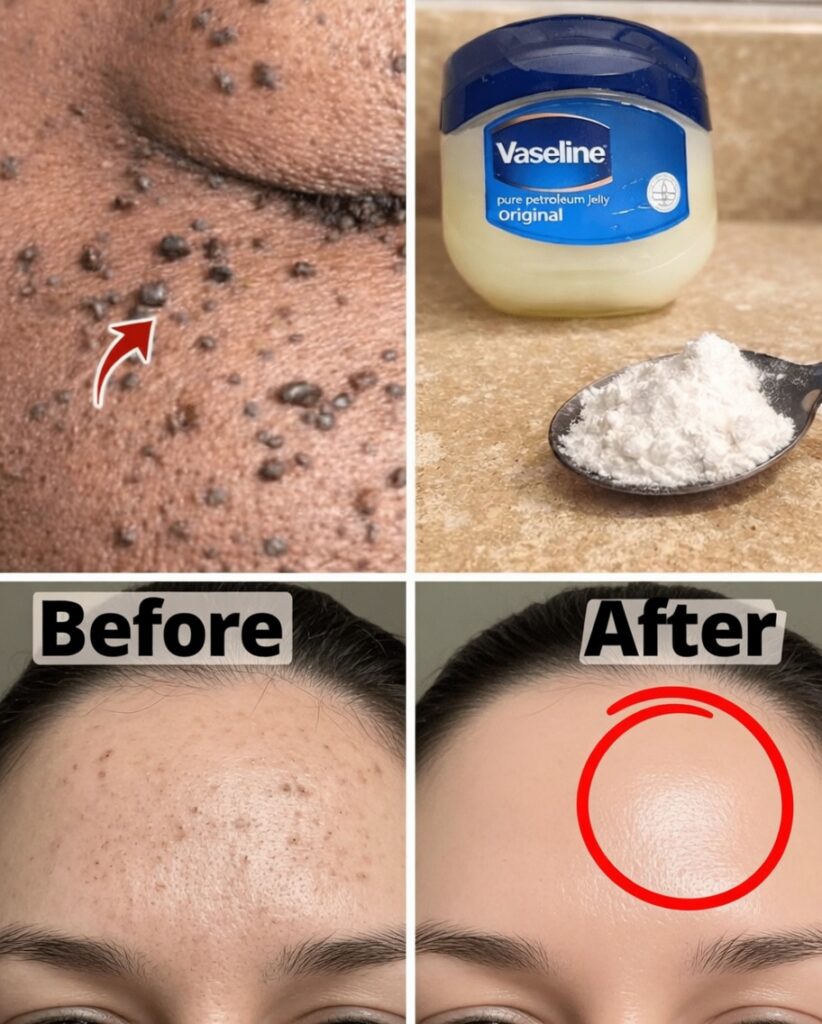
Many people notice tiny, stubborn white bumps on the face—most often around the eyes, cheeks, or forehead—and feel confused when they don’t improve with normal cleansing. These small spots can make skin look bumpy, interfere with how makeup applies, and chip away at confidence. Because they’re often mistaken for acne, people may try to scrub harder or squeeze them, only to see no change (or worse irritation).
The encouraging news: these bumps are usually milia, and understanding them can completely change your approach. This guide explains what milia are, what typically causes them, why viral “quick fixes” can backfire, and which dermatologist-aligned habits help skin look smoother over time.
The Common Mix-Up: Why These White Bumps Aren’t Acne (and Why It Matters)
As skin matures—often in your 30s and beyond—new texture issues can show up unexpectedly. Those firm, pearl-like dots are usually not inflamed, unlike many acne blemishes.
Here’s the key difference:
- Milia are tiny cysts filled with keratin (a natural skin protein) that get trapped under the surface.
- Acne is typically driven by clogged pores, oil, bacteria, and inflammation, which often leads to redness, tenderness, or swelling.
Why this matters: when you treat milia like acne (scrubbing aggressively, “drying out” the area, or picking), you can weaken the skin barrier and increase irritation—without actually removing the trapped keratin.
What Milia Are: Causes, Types, and Why They Often Appear on the Face
Milia form when dead skin cells and keratin don’t shed properly and become sealed beneath the surface. They’re usually firm, white bumps about 1–2 mm.
Common types of milia
- Primary milia: Appear on their own, commonly in adults around the eyelids, cheeks, and forehead.
- Secondary milia: Develop after the skin has been stressed or injured, such as from burns, rashes, long-term sun exposure, procedures, or products that overly block natural exfoliation.
Frequent triggers that can contribute
- Very thick moisturizers or heavy eye creams
- Occlusive products that seal the skin tightly (in some people and areas)
- Skin trauma or irritation
- UV exposure, which can contribute to secondary milia in susceptible skin
Milia are harmless, not infectious, and very common in dermatology settings. If your routine leans heavy—especially around the eyes—that could be part of why they persist.
Why Viral “Quick Fix” Recipes Often Fail (and Can Make Things Worse)
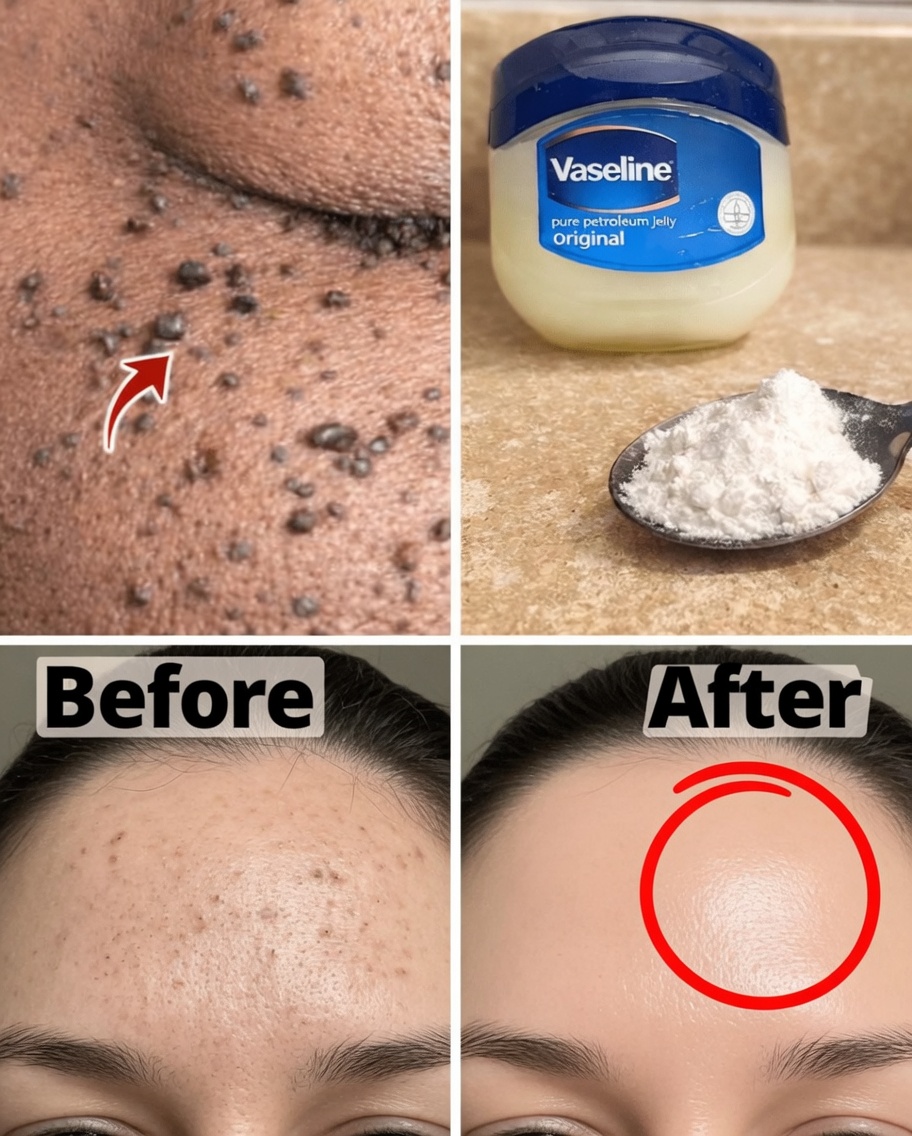
Social media often promotes DIY mixtures—like petroleum jelly paired with scrubs or strong exfoliants—as an instant solution. Dermatology guidance generally warns against this approach for two reasons:
- Occlusive layers can trap buildup: Petroleum jelly is highly sealing. In milia-prone areas, that “seal” may slow natural shedding and encourage more keratin to remain trapped.
- Abrasive scrubs can damage the barrier: Ingredients like baking soda, coffee grounds, or rough physical exfoliants may create micro-tears, disrupt pH, and trigger dryness or redness—making texture concerns more noticeable.
There’s no strong evidence that these DIY combinations remove milia reliably, while irritation and post-inflammatory marks are well-known risks. In practice, many people see better results by switching from “fast and harsh” to slow and gentle.
A Safer Path: Gentle Habits That Support Smoother Texture
Instead of attacking the bumps, focus on supporting normal skin turnover and keeping pores and surface cells balanced.
Skin-friendly habits to try
- Use mild chemical exfoliants 2–3 times per week
Look for products with salicylic acid (BHA) or glycolic acid (AHA) to help loosen dead skin gradually. - Introduce retinoids or retinol slowly
Over-the-counter retinoids/retinol support cell renewal. Start low, use a few nights per week, and increase only if your skin stays calm. - Switch to lightweight, non-comedogenic moisturizers
Aim for hydration that doesn’t feel heavy or waxy—especially around the eyes. - Wear broad-spectrum sunscreen daily
UV exposure can contribute to skin stress and secondary milia triggers, so daily SPF is a long-term protective habit.
Always patch-test new products and scale back if your skin becomes irritated.
Realistic Results: Why Consistency Beats “Instant” Solutions
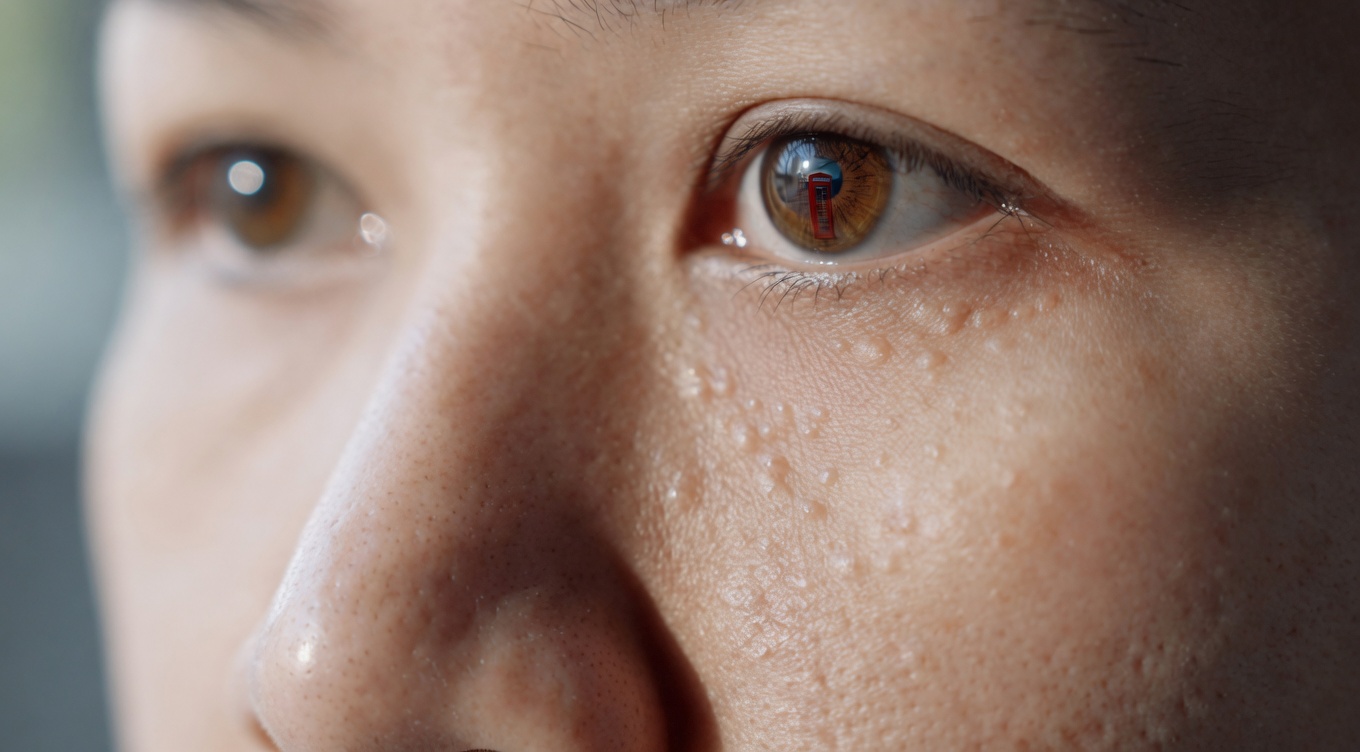
Many people report a similar pattern: persistent bumps around the eyes that don’t budge—until they simplify their routine. For example, switching to a retinol-based routine, reducing heavy occlusive layers, and sticking with gentle care can lead to gradual smoothing over a few months.
The main lesson is consistent across experiences: steady, barrier-friendly routines tend to outperform rushed fixes.
Daily Routine Upgrades for Milia-Prone Skin
Small, practical changes can make your routine more supportive:
- Use a warm compress for a few minutes before cleansing to soften the area.
- Choose non-comedogenic makeup and skincare to reduce the chance of trapping debris.
- Maintain hydration and barrier support (gentle cleanser, appropriate moisturizer).
- Don’t pick or squeeze—this can cause irritation, scarring, or lingering marks.
If your routine feels harsh or “stripping,” dialing it back can be one of the most effective changes.
When to See a Dermatologist
If the bumps are persistent or bothersome, a dermatologist can confirm the diagnosis and offer safe treatments. One of the most effective options is sterile, professional extraction, performed carefully to reduce trauma and complications.
Professional help is especially worth considering when:
- The bumps are near the eyes (a delicate area)
- Home care hasn’t helped after several weeks
- You’re unsure whether it’s milia or another condition
Prevention + Patience: The Long Game for Smoother-Looking Skin
Milia are common and typically improve with time, especially when you reduce triggers and support healthy shedding. Helpful prevention themes include:
- Avoiding overly heavy, occlusive layers where you’re prone to bumps
- Protecting skin from sun damage with daily SPF
- Using gentle exfoliation and retinoids consistently (without overdoing it)
Quick comparison: what tends to work best
| Approach | Evidence Level | Safety Profile | Likelihood of Helpful Results |
|---|---|---|---|
| Harsh DIY mixtures | Low | Higher risk (irritation, scarring) | Often temporary or counterproductive |
| Gentle skincare habits | Strong | Generally high | Gradual improvement + prevention |
| Professional extraction | High | Excellent when done by experts | Direct, targeted results |
Advanced habit checklist (simple and effective)
- Salicylic acid cleanser — supports gentle unclogging
- Retinoid/retinol — supports renewal; start slowly
- Light eye products — avoid overly heavy textures in prone areas
- Routine skin checks — periodic derm visits can clarify persistent concerns
Your Gentle Milia Support Plan (Start This Week)
- Replace one heavy product with a lighter alternative.
- Add gentle exfoliation 2–3 times weekly.
- Apply broad-spectrum sunscreen every morning.
- Track changes over 4–6 weeks (photos can help you notice gradual improvement).
The most reliable “secret” is not a hack—it’s gentle consistency and evidence-based care.
Frequently Asked Questions
How long do milia usually last?
Some milia fade on their own over weeks to months. A gentle routine can support smoother-looking skin over time.
Can milia be prevented?
Often, yes. Using non-occlusive products, consistent sun protection, and mild exfoliation can reduce the chance of keratin buildup.
Are milia painful or dangerous?
No. Milia are benign and typically painless, though they can be cosmetically frustrating.
Medical Disclaimer
This article is for informational purposes only and is not medical advice. For personalized recommendations or persistent symptoms, consult a dermatologist or qualified healthcare professional.