Clearer Vision After 60: How Cooked Vegetables at Dinner May Support Eye Health
Many adults over 60 start noticing subtle but persistent shifts in eyesight—trouble seeing in dim light, more eye strain, and a hazy blur that can make daily life feel less sharp. Age-related macular degeneration (AMD) is one major concern, affecting millions of people. Recent estimates suggest about 19.8 million Americans age 40+ live with some form of AMD, and the likelihood increases dramatically with age. These changes can be discouraging, especially when they interfere with simple pleasures like reading, driving at night, or enjoying vivid color.
What if your evening meal could do more than satisfy hunger—what if it also delivered nutrients your eyes can use during the body’s natural overnight repair cycle? Research suggests that cooking vegetables can improve the availability of certain protective compounds. Below, you’ll discover four familiar options—carrots, broccoli, kale, and zucchini—and how preparing them the right way may help support eye health through diet.
Why Vision Changes Often Feel Stronger After 60
Over time, your eyes face constant wear from sunlight exposure, screen use, and everyday environmental stressors. These contribute to oxidative stress and inflammation—especially in sensitive areas like the retina and macula, which are essential for detailed vision.
It’s common to experience:
- Dry, irritated eyes
- Increased sensitivity to glare
- Reduced sharpness and contrast
- Slower adjustment when moving from bright to dark environments
While solutions like artificial tears, stronger lighting, or blue-light glasses may improve comfort, they typically don’t address the deeper issue: whether the eye is getting enough nutritional support. Large research efforts, including the Age-Related Eye Disease Study (AREDS) series, point to the importance of specific antioxidants and nutrients in supporting retinal function and potentially slowing certain age-related changes.
The encouraging takeaway is simple: your diet can help—especially when vegetables are cooked in ways that improve nutrient absorption.
Why Dinner Can Be a Smart Time for Eye-Friendly Nutrition
Sleep is when your body increases tissue maintenance and cellular repair—including in the eyes. Eating a nutrient-rich dinner can provide the raw materials your body needs during this overnight “rebuild” window.
Cooking vegetables can be particularly useful because heat softens plant cell walls, often increasing the release and absorption of carotenoids such as:
- Beta-carotene
- Lutein
- Zeaxanthin
These compounds accumulate in the retina and macula, where they help filter light and reduce oxidative damage.
Because these nutrients are fat-soluble, pairing vegetables with healthy fats—like olive oil—can significantly improve absorption. In many cases, light steaming or gentle sautéing strikes the best balance: it boosts carotenoid availability while helping preserve delicate nutrients like vitamin C.
Next, let’s break down why each of the four vegetables earns its place on an eye-supportive dinner plate.
Carrots: A Classic for Low-Light Vision Support
Carrots are well known for their beta-carotene, which your body can convert into vitamin A. Vitamin A plays a key role in producing rhodopsin, a protein needed to help the eyes adapt to low-light conditions.
Why cooking matters:
- Heat can improve beta-carotene absorption by breaking down plant structures.
- Adding a little fat (such as olive oil) can further increase uptake.
If you notice more difficulty seeing at night or in dim rooms, consistently including cooked carrots may be a practical, food-first habit to try.
Broccoli: Lutein and Zeaxanthin for Macula Protection
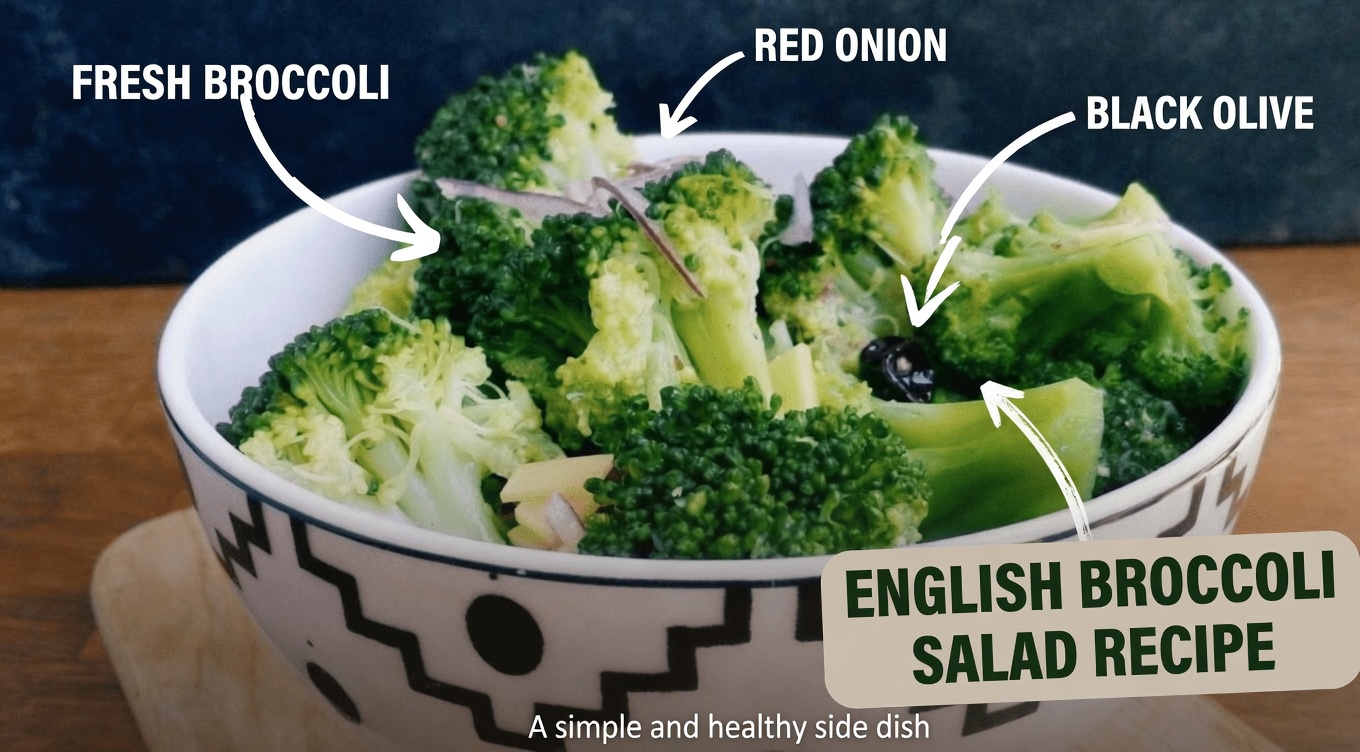
Broccoli contains meaningful amounts of lutein and zeaxanthin, the two carotenoids most concentrated in the macula—the part of the retina responsible for crisp, central vision. These nutrients act like internal “sunglasses,” helping filter high-energy light (including blue light) and supporting antioxidant defenses.
Helpful cooking tip:
- Light steaming can increase the bioavailability of lutein and zeaxanthin without destroying sensitive nutrients.
Research linked to AREDS2 suggests that higher intake of lutein and zeaxanthin may be associated with a reduced risk of progression in some AMD cases. For many people, regular broccoli intake may also support comfort during long screen time or bright-light exposure.
Kale: One of the Strongest Leafy Greens for Eye Nutrients
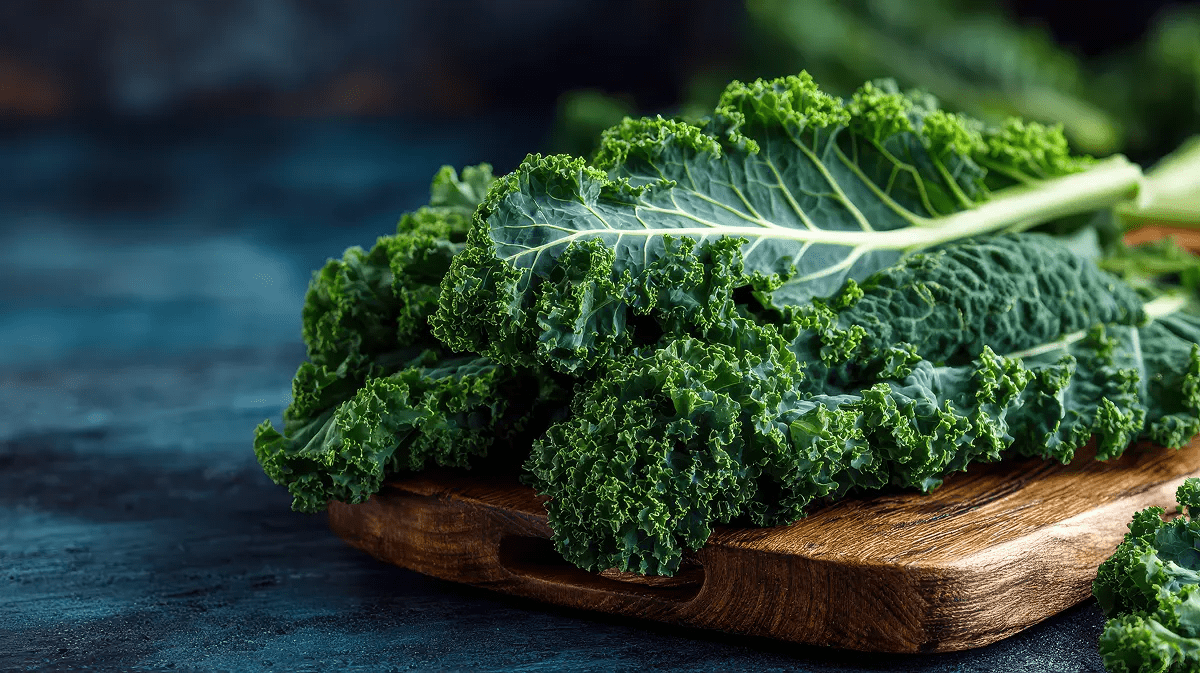
Kale is one of the most nutrient-dense vegetables for eye health, offering exceptionally high levels of:
- Lutein and zeaxanthin
- Vitamin C, which supports overall tissue health and blood vessel function (including in the eye)
Why gentle cooking can help:
- It reduces the volume (making it easier to eat more).
- It can increase carotenoid accessibility compared with raw leaves for many people.
If you want one leafy green with a strong eye-nutrition profile, kale is a standout choice.
Zucchini: Hydration-Friendly and Light on the Stomach
Zucchini is more than 90% water, which makes it a helpful food for overall hydration—important because dry eye symptoms become more common with age. It also supplies:
- Vitamin C
- Manganese
- Smaller amounts of lutein and zeaxanthin
When cooked gently, zucchini stays easy to digest while still providing antioxidants and hydration support. Some people find hydration-focused foods help reduce that “gritty” morning eye feeling.
Key Eye-Support Nutrients: Quick Comparison
Here’s a simple overview of what each vegetable is best known for and how it may support the eyes:
- Carrots — Beta-carotene (vitamin A precursor) — Supports low-light adaptation and retinal function
- Broccoli — Lutein, zeaxanthin, vitamin C — Macula support, blue-light filtering, antioxidant protection
- Kale — Very high lutein/zeaxanthin, vitamin C — Supports long-term retinal resilience and overall eye tissue health
- Zucchini — High water content, vitamin C, manganese — Hydration support for dry eyes and antioxidant defense
Note: These benefits are research-supported trends, but results vary by individual, overall diet, and existing eye conditions.
Best Cooking Methods for Nutrient Retention
For most people, these methods work well:
- Light steaming
- Gentle sautéing
- Roasting (not overly browned or burned)
Avoid heavy overcooking if you want to preserve heat-sensitive vitamin C, while still unlocking carotenoids.
A Simple Evening Routine to Build the Habit
Small changes are easier to maintain than a complete diet overhaul:
- Week 1: Add 1–2 servings of these vegetables to dinner a few nights.
- Weeks 2–3: Aim for 3–4 dinners per week, mixing them for variety.
- Week 4 and beyond: Combine all four and include olive oil to improve absorption and nutrient synergy.
With consistency, nutrients can build up in eye tissues over time, which may support daily comfort and visual resilience.
Easy Recipe: Warm Eye-Friendly Vegetable Bowl
A quick, repeatable dinner option:
- Warm 1 tablespoon of olive oil in a pan.
- Add diced carrots and zucchini; sauté for 4–5 minutes.
- Add broccoli florets and chopped kale.
- Pour in a small splash of broth, cover, and steam for about 5 minutes.
- Season with herbs and spices (no need to overload on salt).
Try it 3–4 nights per week alongside a balanced meal.
Why This Food-First Strategy Is Worth Considering
Compared with other common approaches:
- Cooked vegetable combination: Natural nutrient synergy, improved bioavailability, enjoyable and affordable
- Supplements: Convenient, but may not provide the full “whole food” matrix
- Symptom tools (drops, lighting changes, special glasses): Can offer quick comfort, but don’t build nutrient foundations
The key is consistency over time, not a single “perfect” meal.
Final Takeaway: Small Dinner Changes, Long-Term Eye Support
Adding cooked carrots, broccoli, kale, and zucchini to your evening meals is a practical way to deliver eye-supportive nutrients when your body is preparing for overnight repair. This is not a cure for AMD or age-related vision changes, but it aligns with what research suggests about nutrition’s role in protecting retinal and macular health.
A small dinner bowl tonight could be the beginning of a steadier, more supportive routine for tomorrow.
FAQ
1. What’s the best way to cook these vegetables for maximum nutrient absorption?
Choose light steaming, gentle sautéing, or roasting. These methods help release carotenoids while limiting vitamin loss. Avoid overcooking to preserve vitamin C.
2. Do I need to eat them every day to see benefits?
Daily isn’t required. Aim for 3–4 nights per week and stay consistent. Pair with healthy fats (like olive oil) to improve absorption.
3. Can this replace eye exams or medical treatment?
No. Nutrition is supportive, not a replacement for diagnosis or care. Keep regular eye exams and follow professional guidance for any vision changes.
Medical disclaimer: This article is for informational purposes only and does not replace professional medical advice. Consult a qualified healthcare provider before making significant dietary changes, especially if you have diagnosed eye conditions.