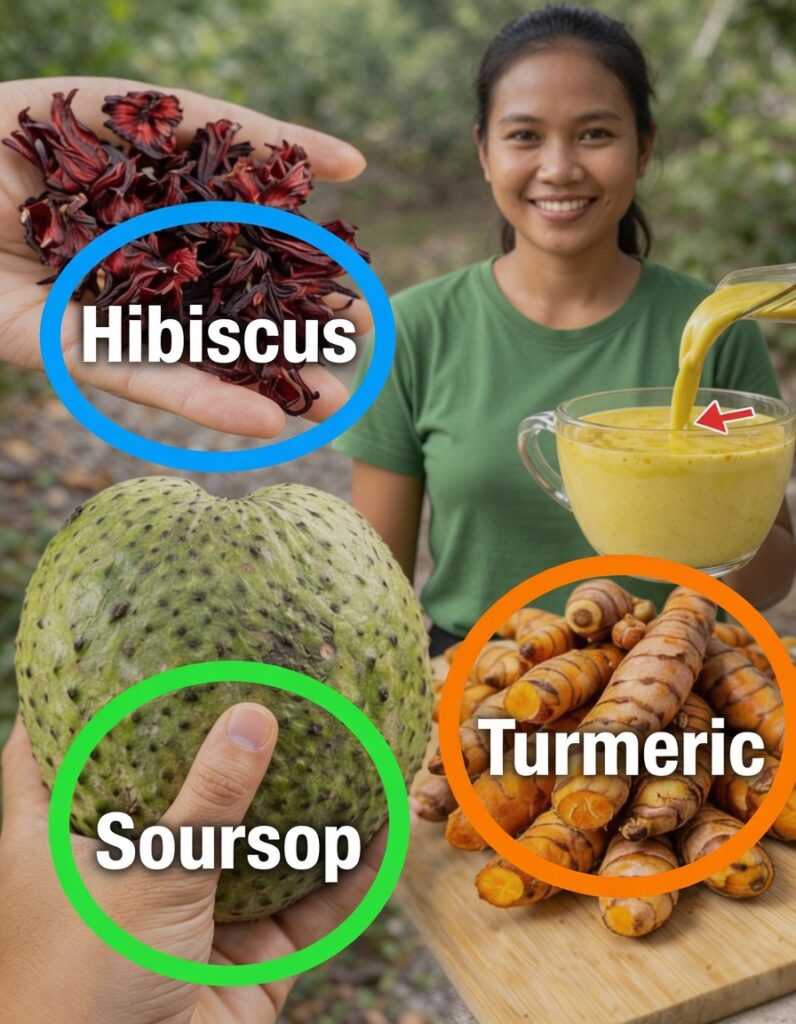
A Simple Herbal Tea for Daily Support: Hibiscus, Bay Leaf, and Cinnamon
Modern life often comes with subtle, long-term challenges—unstable blood sugar, higher blood pressure, and mid-day energy crashes are common concerns for many adults worldwide. These patterns can develop gradually, contributing to fatigue, discomfort, and more frequent checkups.
Both research and traditional wellness practices suggest that certain herbs may offer gentle, everyday support when used as part of a balanced lifestyle. One blend that’s become especially popular in health-focused communities is hibiscus, bay leaf, and cinnamon tea—a flavorful combination with a reputation for supporting multiple wellness goals. Below, you’ll find what makes this tea unique, how to prepare it, and the key safety points to keep in mind.
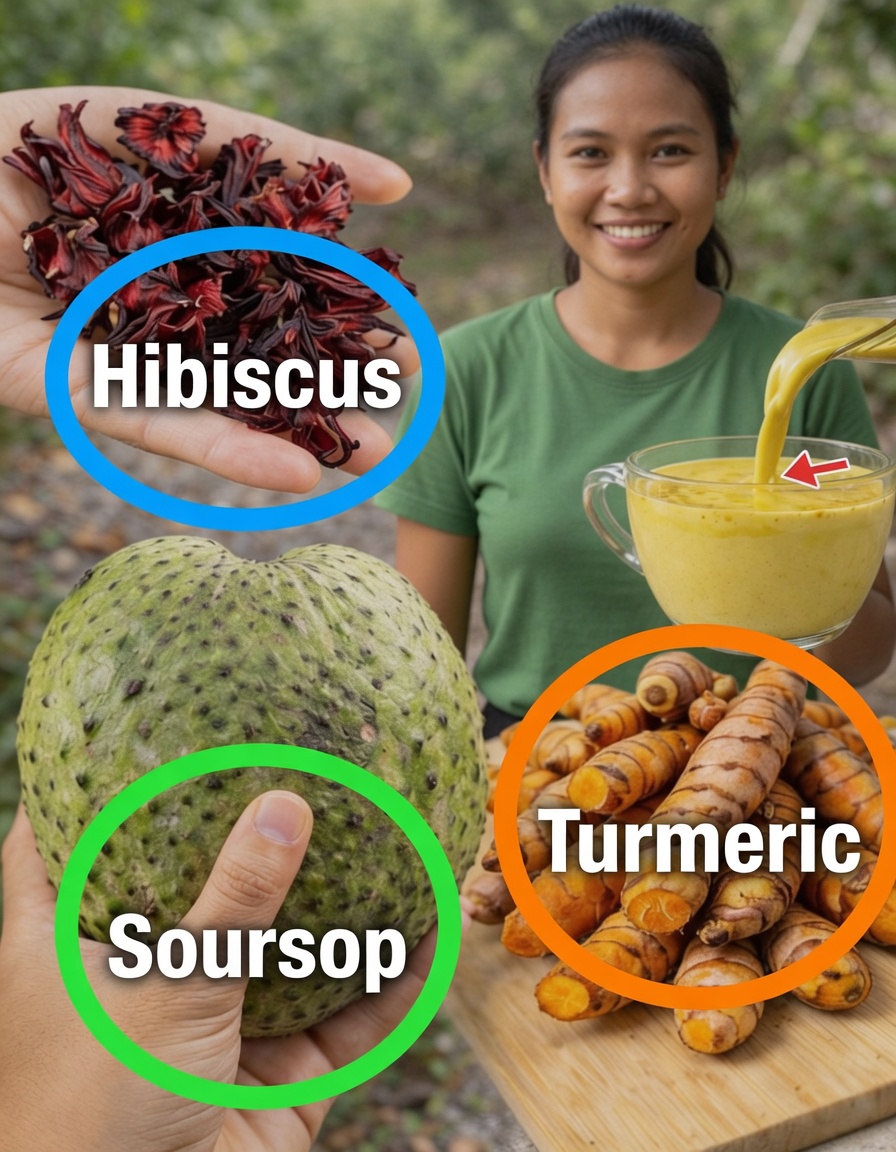
Why More People Are Turning to Herbal Wellness Habits
Globally, metabolic and cardiovascular concerns are increasing. Diabetes and prediabetes trends continue to climb, and hypertension remains one of the most widespread health conditions, often linked to stress, diet, and sedentary habits.
As a result, many people are looking for simple, low-cost, kitchen-based routines that can complement medical care—not replace it. Interest in herbal support has grown because:
- Plant compounds may help support metabolic balance and cardiovascular function
- Herbal rituals are easy to integrate into daily life
- Many people report improved energy, comfort, and consistency when paired with healthy habits
What Each Ingredient May Offer
This blend stands out because each herb brings different bioactive compounds that may support the body in overlapping ways.
Hibiscus (Hibiscus sabdariffa)
Hibiscus is known for its bright color and tangy flavor. Its calyces contain polyphenols and anthocyanins, which have been studied for their antioxidant activity. Clinical research (including meta-analyses) suggests hibiscus tea may help maintain healthy blood pressure, with reported average improvements in both systolic and diastolic readings in certain populations. Some studies also link hibiscus intake to support for oxidative balance and lipid markers.
Bay Leaf (Laurus nobilis)
Bay leaf adds a subtle, herbal aroma and contains compounds such as eugenol. While human research is still limited compared to hibiscus and cinnamon, early findings from small studies and animal research suggest bay leaf may support:
- Glucose metabolism
- Inflammation balance
- Digestive comfort
- Potential improvements in certain lipid measures
Cinnamon (preferably Ceylon)
Cinnamon contains cinnamaldehyde and other active compounds. Multiple meta-analyses of randomized trials indicate cinnamon supplementation may support:
- Fasting blood glucose
- HbA1c markers (especially in people managing type 2 diabetes concerns)
- Improved insulin signaling
- Healthier post-meal glucose response
For ongoing use, Ceylon cinnamon is often preferred due to its lower coumarin content compared with Cassia cinnamon.
When combined, these three create a drink that is both enjoyable and functional: tart hibiscus, warm cinnamon, and light bay-leaf notes in one daily cup.
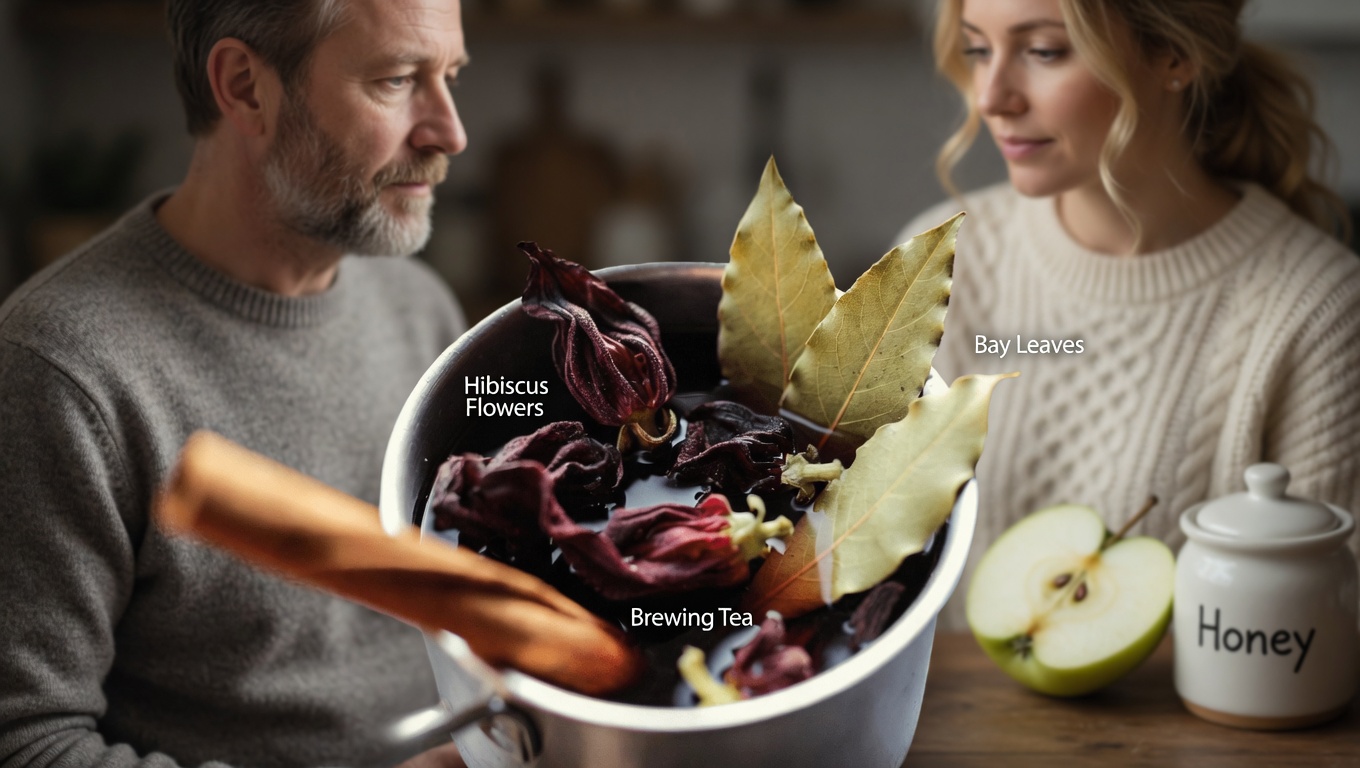
How to Make Hibiscus, Bay Leaf, and Cinnamon Tea at Home
This recipe is easy, affordable, and uses widely available ingredients.
Ingredients (makes about 4 cups)
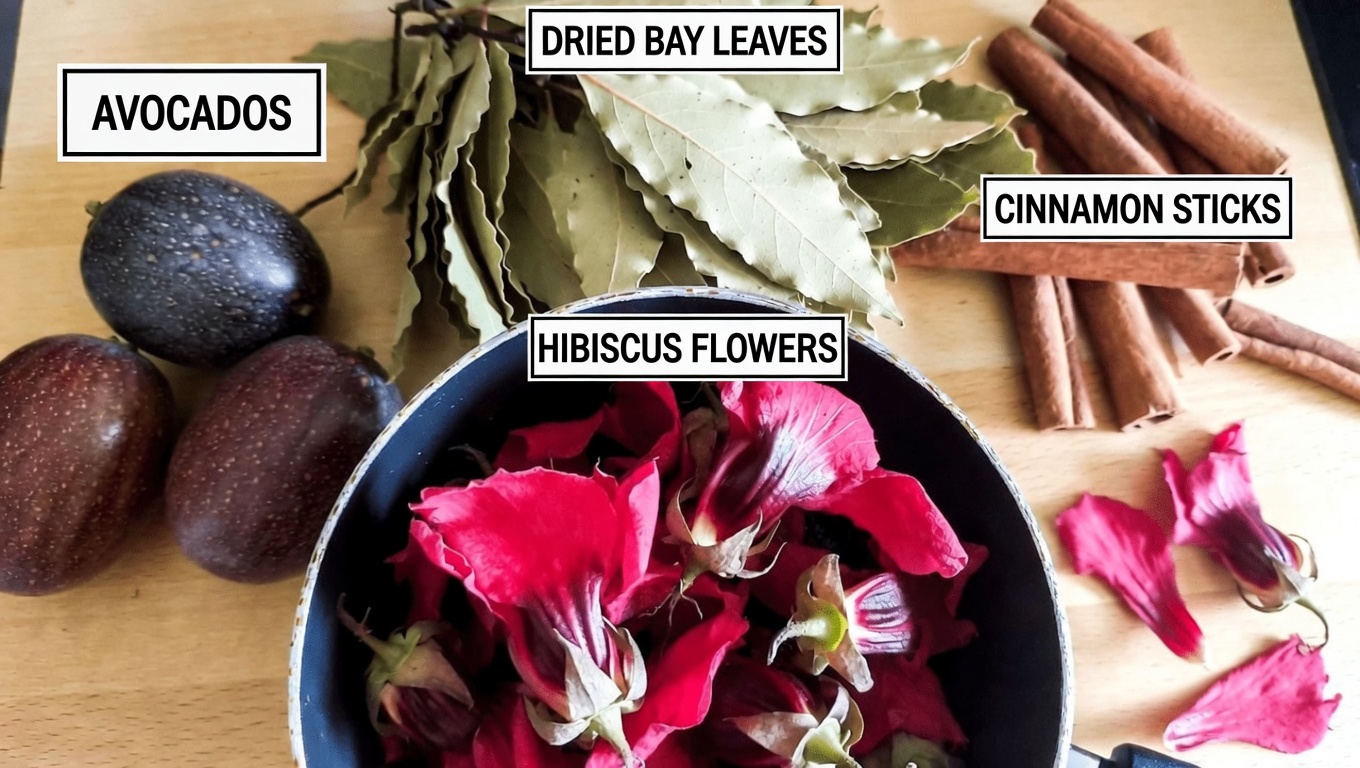
- ¼–⅓ cup dried hibiscus flowers
- 4–5 whole bay leaves (fresh or dried)
- 2 cinnamon sticks (or 1 tsp ground Ceylon cinnamon)
- 4 cups filtered water
Step-by-step instructions
- Add all ingredients to a pot.
- Bring to a gentle boil, then reduce heat.
- Cover and simmer for 12–15 minutes to extract the herbs thoroughly.
- Turn off heat and let it steep for another 5–10 minutes.
- Strain into a glass container.
- Store in the refrigerator for up to 4 days. Reheat gently or drink at room temperature.
Suggested daily routine
- Drink 1 cup in the morning, ideally on an empty stomach.
- Consider cycling: 15 days on, then 3–5 days off, and repeat if it suits you.
- Optional flavor additions:
- A slice of lemon
- A small amount of raw honey (keep it minimal, especially if monitoring blood sugar)
Quality tip: Choose organic herbs when possible and prioritize Ceylon cinnamon for longer-term use.
Optional Morning Blend for Eye Comfort (Popular Screen-Strain Ritual)
Eye fatigue is increasingly common due to prolonged screen time and daily demands. One trending home mixture combines nutrient-dense fruit with circulation-supporting ingredients.
Ingredients
- Pulp and seeds from 2 passion fruits
- 2 garlic cloves
- Juice of ½ lemon
- 1–2 tsp raw honey
How to use
- Blend until smooth and refrigerate.
- Take 1 teaspoon each morning for 7 days, then pause 3–5 days before repeating.
Why people use it:
- Passion fruit provides beta-carotene to support retinal health
- Garlic is commonly used to support circulation
- Lemon contributes vitamin C for blood vessel integrity
- Honey offers a soothing texture and taste
Many users report less eye strain and a feeling of clearer focus—though individual results vary.
Signs to Notice: Early Awareness of Fatty Liver
Fatty liver issues can progress quietly. Potential early warning signs may include:
- Ongoing bloating or a sense of fullness on the right side of the abdomen
- Unexplained tiredness
- Unexpected changes in weight
- Itchy skin without an obvious trigger
- Dark urine or pale stools
- Mild jaundice in later stages
Herbal teas rich in antioxidants may complement healthy routines that support liver function, but medical evaluation and monitoring are essential if symptoms appear.
Sleep and Heart Health: A Connection Many People Miss
Sleep quality plays a major role in cardiovascular wellness. Research suggests fragmented or insufficient sleep can increase inflammation markers associated with blood pressure and arterial changes. Pairing consistent sleep habits—such as a stable bedtime and reduced evening screen exposure—with a morning herbal routine may support a more balanced day overall.
Quick Comparison: Common Herbal Options for Daily Support
-
Hibiscus + bay leaf + cinnamon tea
- Blood sugar support: moderate to strong
- Blood pressure support: strong
- Cost/accessibility: very high / low cost
- Notes: enjoyable daily ritual with a multi-target profile
-
Cinnamon alone
- Blood sugar support: moderate
- Blood pressure support: mild
- Cost/accessibility: high
- Notes: easy to mix into meals and beverages
-
Hibiscus tea alone
- Blood sugar support: mild to moderate
- Blood pressure support: strong
- Cost/accessibility: high
- Notes: tart, bright, and refreshing
-
Medication (as prescribed)
- Blood sugar support: strong
- Blood pressure support: strong
- Cost/accessibility: prescription-based
- Notes: requires healthcare supervision
Practical Tips for Better Results
- Use filtered water to avoid affecting flavor and quality.
- Keep the pot covered during simmering to preserve aromatic oils.
- Pair your morning cup with light movement (a short walk or gentle stretching).
- Track simple signals weekly, such as:
- Morning energy
- Digestive comfort
- General sense of balance
Small, consistent habits often make the biggest difference over time.
Frequently Asked Questions
Can I drink this tea daily for the long term?
Many people prefer a cycle such as 15 days on and 3–5 days off. Start with a smaller amount and pay attention to how your body responds.
Can it interact with medications?
Yes. Hibiscus and cinnamon may influence blood pressure and blood sugar, so they can potentially interact with related medications. Speak with a qualified healthcare professional before using this routinely.
What if the flavor feels too intense?
Try a small squeeze of lemon or a minimal amount of honey to soften the taste without significantly changing the overall approach.
Important Note
This article is for informational purposes only and is not medical advice. Consult your healthcare provider before starting any new herbal routine—especially if you have a medical condition, take prescription medications, or are pregnant or nursing. Continue prescribed treatment unless your clinician advises otherwise, and monitor your health regularly.