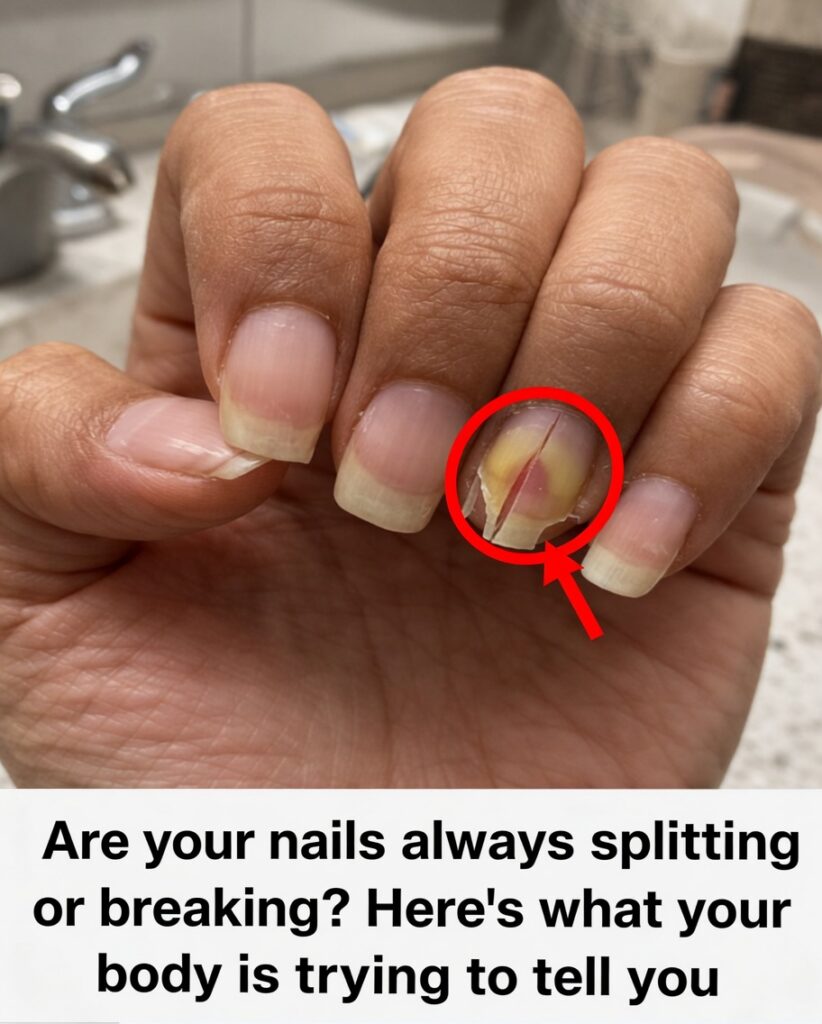
Brittle Nails: Why They Happen and What You Can Do About It
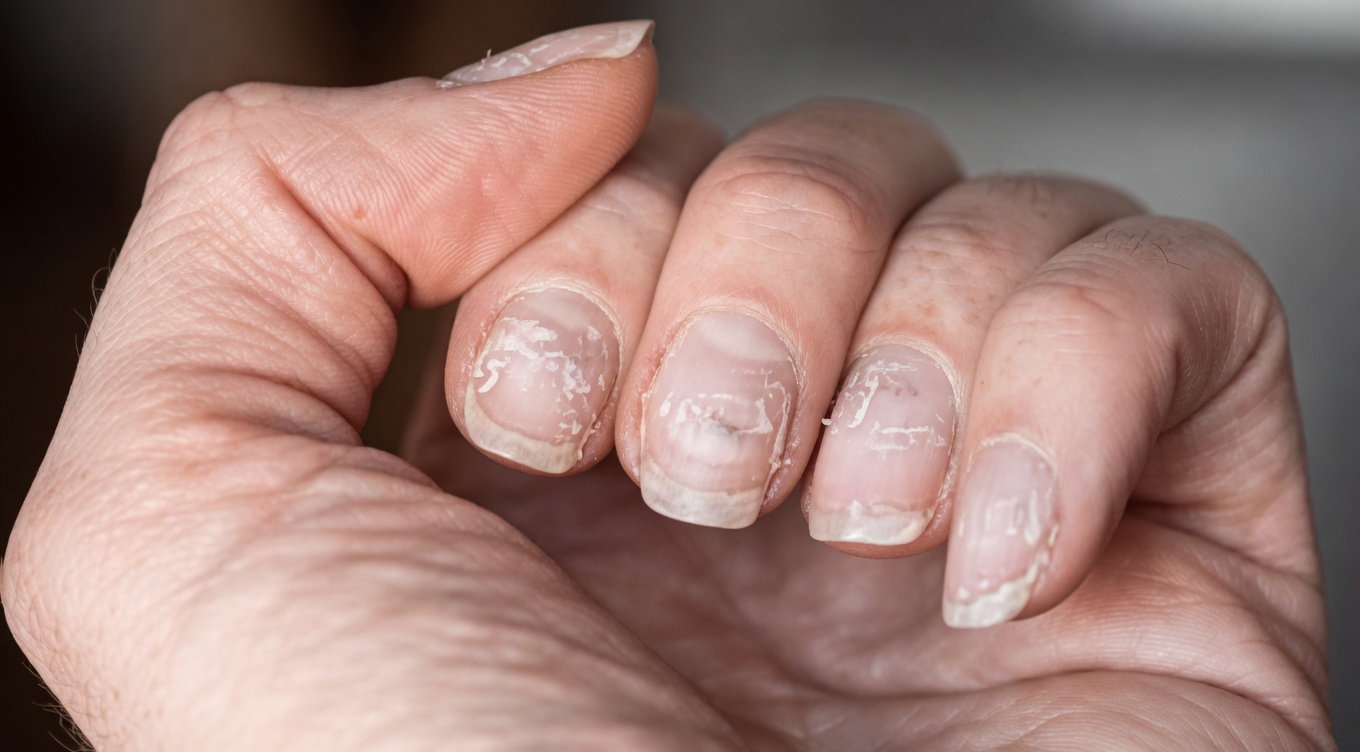
Brittle nails are extremely common, affecting up to 20% of people. They appear more often in women over 50, and certain patterns—such as onychoschizia (layered, lamellar splitting)—can be especially prevalent in this group. If your nails crack, peel, split, or break during everyday tasks, you’re not alone. For many people, the problem builds gradually due to daily routines, environmental exposure, and internal changes that influence nail strength over time.
Quick fixes like nail hardeners may offer temporary support, but long-term improvement usually comes from identifying what’s driving the brittleness and making consistent, realistic adjustments.
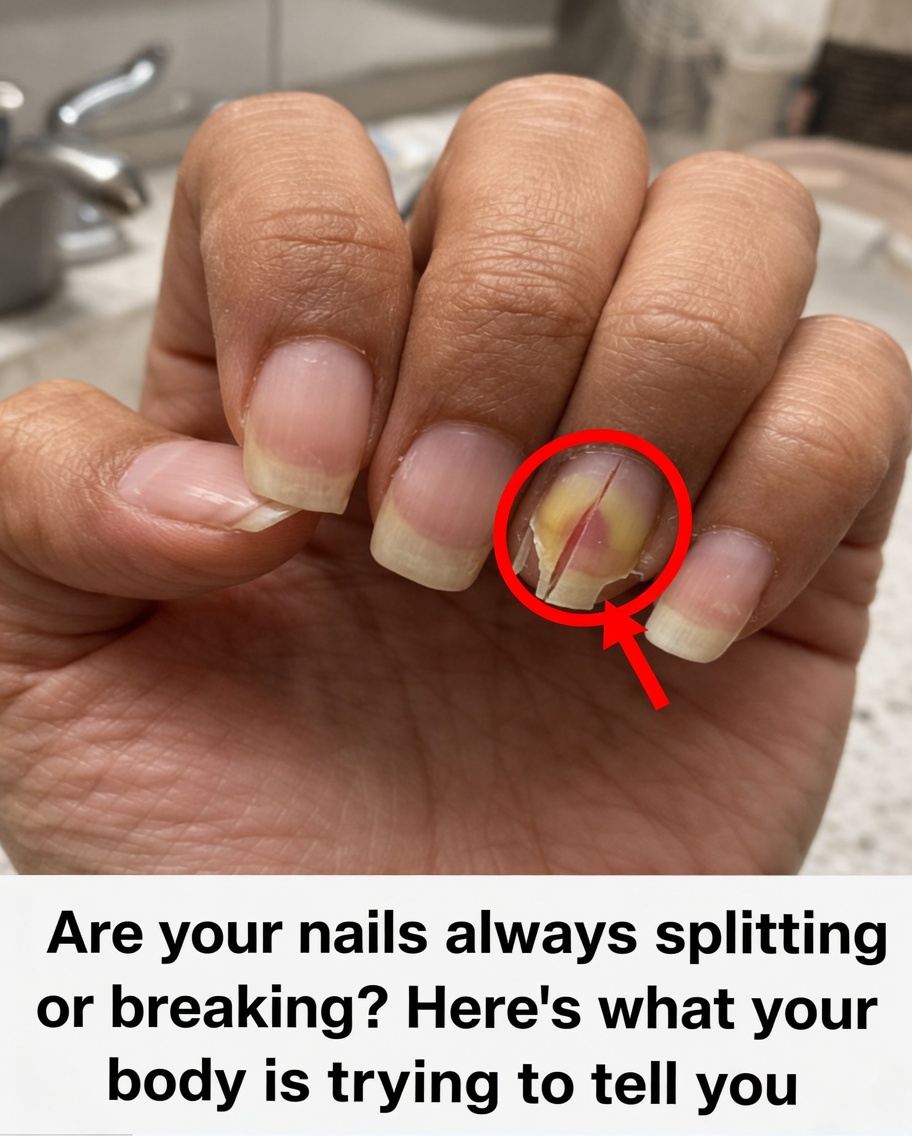
Why Brittle Nails Feel Like a Daily Battle
Nails often become more fragile with age—many people notice changes after 35–40, including peeling edges or repeated splitting. Suddenly, simple actions like opening a package, typing, washing dishes, or gardening can cause painful breaks. When nail layers peel away, the exposed surface may sting and catch on clothing, creating constant irritation.
Clinical discussions of brittle nail syndrome highlight that it is particularly frequent in adults (especially women) and is often connected to repeated water exposure, aging, and other common triggers. The encouraging part is that many cases respond well to targeted habit changes—without complicated treatments.
10 Evidence-Informed Causes of Brittle Nails (Plus Practical Fixes)
1. Nutritional Shortfalls (Especially Biotin)
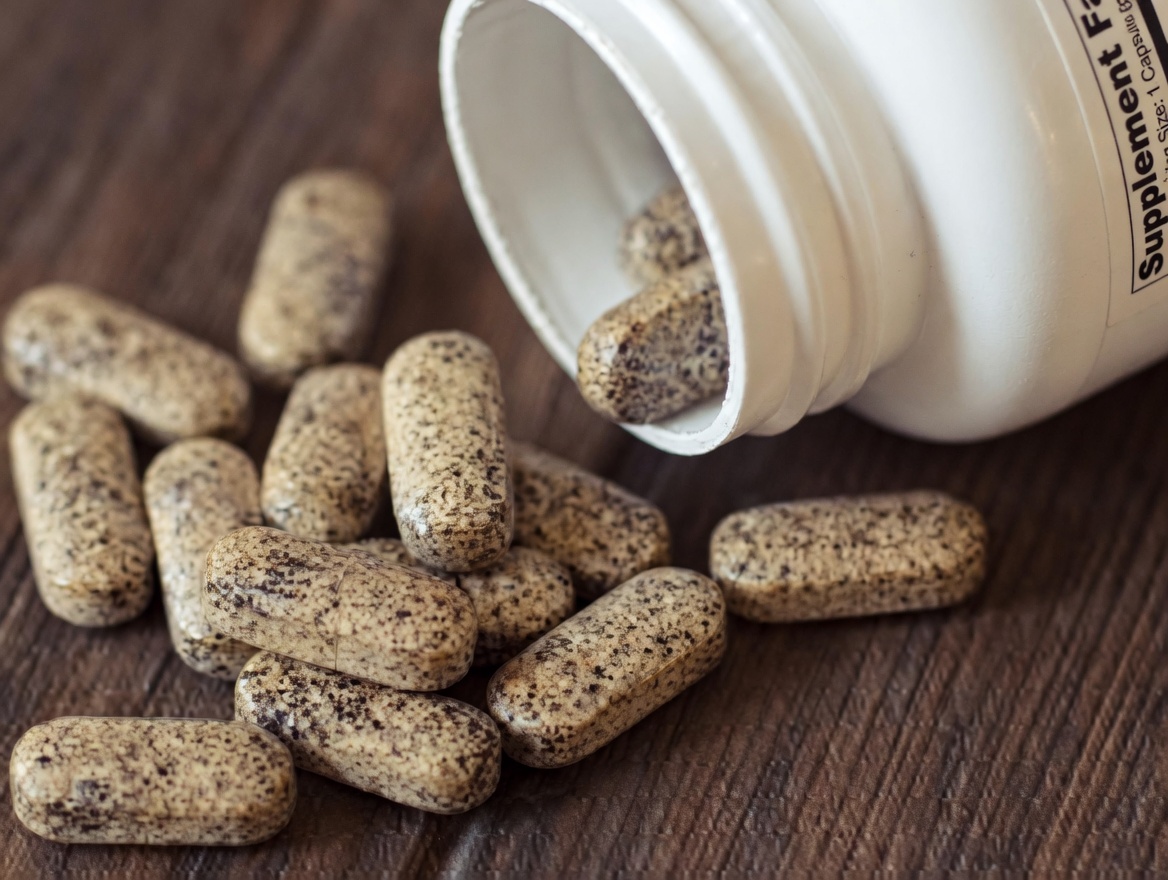
Biotin (vitamin B7) supports keratin infrastructure, and keratin is the main structural protein in nails. Small clinical studies suggest that regular biotin intake may improve nail thickness—sometimes by around 25%—in people with brittle nails when taken consistently for several months. Low intake can happen quietly if biotin-rich foods rarely appear in your routine.
Supportive steps
- Eat biotin sources more often: eggs, almonds, sunflower seeds, spinach, and other leafy greens.
- If diet is not enough, ask a clinician about supplements (often ~2.5 mg/day is used in studies). Many people report changes after 4–8 weeks of consistency.
2. Low Iron and Reduced Oxygen Support
Iron helps deliver oxygen to tissues, including actively growing nail cells. Iron deficiency can be associated with increased brittleness and may also show up as spoon-shaped nails (koilonychia). Some people notice fatigue or paler nail beds at the same time.
Supportive steps
- Increase iron-rich foods: lean red meat, lentils, beans, spinach, fortified cereals.
- Combine plant-based iron with vitamin C (citrus, bell peppers, berries) to improve absorption.
- If signs persist, consider a blood test through your healthcare provider.
3. Not Enough Protein to Build Keratin
Because nails are largely keratin, chronically low protein intake can contribute to nails that feel soft, bend easily, or break more often.
Supportive steps
- Include protein in most meals: fish, poultry, eggs, dairy, legumes, tofu, nuts.
- With steady intake, many people notice stronger nails over 6–12 weeks.
4. Dehydration or Repeated Wet–Dry Cycles
Nails need balanced moisture to remain flexible. Drinking too little water can contribute, but so can frequent cycles of soaking and drying (handwashing, cleaning, swimming), which can leave nails rigid and crack-prone.
Supportive steps
- Aim for roughly 8 glasses of water daily (adjust for body size, climate, and activity).
- Apply a fragrance-free hand cream after washing hands.
- Choose non-caffeinated fluids (like herbal tea) to support hydration, especially in the evening.
5. Regular Contact With Harsh Chemicals
Cleaning agents, detergents, and acetone-based nail polish removers can strip natural oils and worsen dryness over time.
Supportive steps
- Wear protective gloves for dishwashing and household cleaning.
- Use acetone-free remover and reduce how often you remove and reapply polish.
- Switch to mild soaps to help preserve the skin and nail barrier.
6. Dry Air, Cold Weather, and Low Humidity
Winter conditions and low-humidity environments pull moisture from nails, often making peeling and splitting worse.
Supportive steps
- Use cuticle oil or a thick moisturizer daily, especially before going outdoors.
- Wear gloves in cold temperatures to reduce exposure.
- Consider a humidifier during dry seasons.
7. Thyroid Imbalances
Medical reviews note that thyroid changes (both underactive and overactive thyroid function) can be linked to slow nail growth, ridging, and brittle nails.
Supportive steps
- Watch for related symptoms such as fatigue, weight shifts, feeling unusually cold/hot, or hair thinning.
- If concerns apply, a clinician can confirm with routine thyroid blood tests. With appropriate management, nail quality may improve.
8. Skin Conditions Such as Psoriasis
Conditions like psoriasis can involve the nails, potentially causing pitting, splitting, surface irregularities, or fragility.
Supportive steps
- Follow any prescribed skin/nail treatment plan consistently.
- Moisturize surrounding skin to reduce irritation and support the nail area.
9. Fungal Nail Infection
When nails become thickened, discolored, crumbly, or increasingly brittle, a fungal infection may be involved—especially when feet or hands stay damp for long periods.
Supportive steps
- Keep nails trimmed and dry, and avoid prolonged moisture exposure.
- If changes persist, seek evaluation for a diagnosis and targeted treatment options.
10. Repeated Trauma, Physical Stress, and Aging
Using nails as tools, frequent impact, aggressive manicures, or natural aging can reduce nail flexibility and moisture retention.
Supportive steps
- Cut nails straight across and file gently to prevent snags.
- Avoid prying, scraping, or opening items with your nails.
- Support flexibility with consistent moisturizing and consider omega-3 sources (fatty fish, chia seeds, flaxseed).
Quick Comparison: Common Strategies for Brittle Nails
- Nail hardeners / protective polish
- Benefit: short-term shielding
- Best for: temporary protection
- Moisturizers and cuticle oils
- Benefit: improves surface hydration
- Best for: dryness, winter brittleness
- Diet and hydration upgrades
- Benefit: addresses day-to-day contributors
- Best for: long-term support
- Professional evaluation
- Benefit: identifies infections, thyroid issues, iron deficiency, psoriasis, and more
- Best for: persistent or worsening symptoms
Simple Changes You Can Start Today
- Increase water intake (set reminders if needed).
- Add one biotin-rich snack daily (for example, a handful of almonds).
- Wear gloves for all wet chores this week.
- Apply a gentle cuticle cream or oil every night before bed.
- Track your nails for 4 weeks: note fewer splits, less peeling, and improved strength.
Small actions repeated consistently are often what create noticeable improvement.
Frequently Asked Questions
How long does it take to strengthen brittle nails?
Many people see progress in 4–12 weeks, depending on the cause and consistency. Nails grow slowly—about 3 mm per month—so lasting changes take time.
Is biotin safe for everyone?
Biotin is generally well tolerated, but you should check with a healthcare provider—especially if you take medications or need lab testing. High-dose biotin can interfere with certain test results.
When should I see a doctor about brittle nails?
Seek medical advice if brittleness is accompanied by fatigue, skin changes, discoloration, nail thickening, pain, or if it doesn’t improve after several weeks of habit changes. A professional assessment can help identify specific, treatable causes.
Medical Disclaimer
This content is for informational purposes only and does not replace professional medical advice. Always consult a qualified healthcare provider for guidance tailored to your health situation.
Your nails often reflect both daily routines and overall well-being. Start with one manageable change today, and observe how your nails respond over the next week.