Pumpkin Seeds for Everyday Wellness: A Simple Traditional Food with Modern Appeal
Many people find it hard to stay energized from morning to evening while also trying to support overall health, including blood sugar balance and cholesterol levels. When daily wellness goals feel difficult to maintain, it is easy to worry about the long-term effects. The good news is that some of the most practical habits begin with simple foods. One example is pumpkin seeds, a traditional ingredient that has been used for generations in everyday diets. In this article, you will learn why pumpkin seeds are drawing renewed interest and discover an unexpected way to prepare them that may become part of your regular routine.
What Are Pumpkin Seeds and Why Are People Talking About Them?
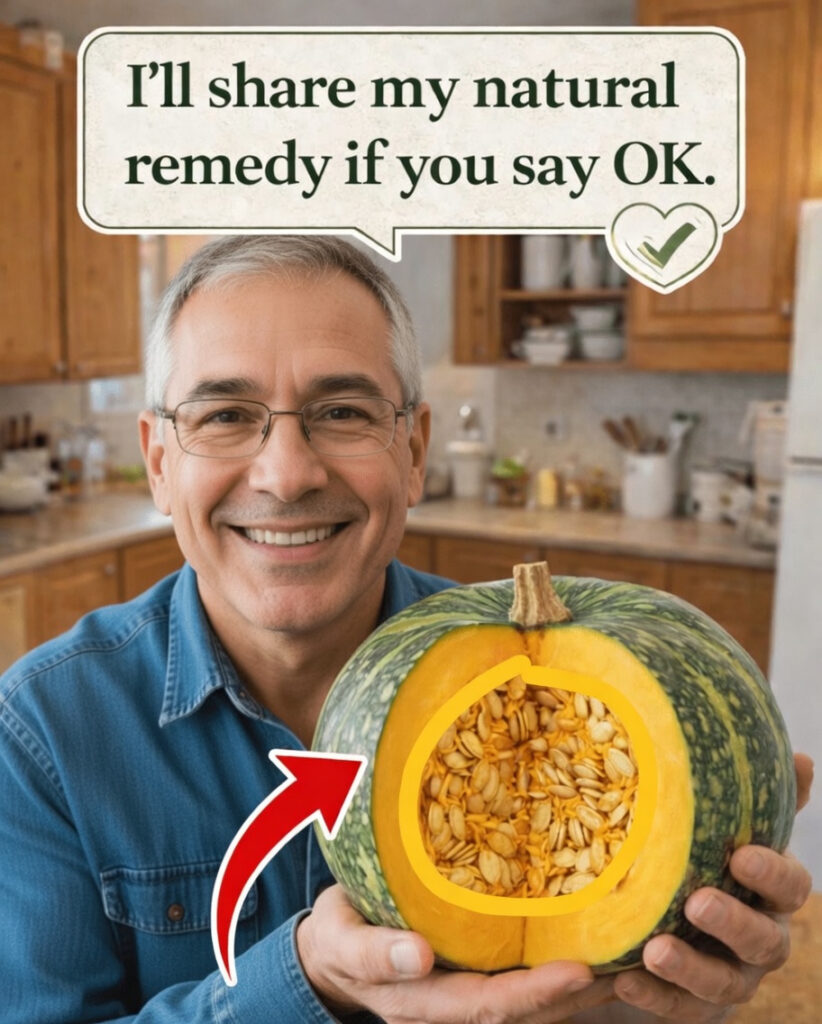
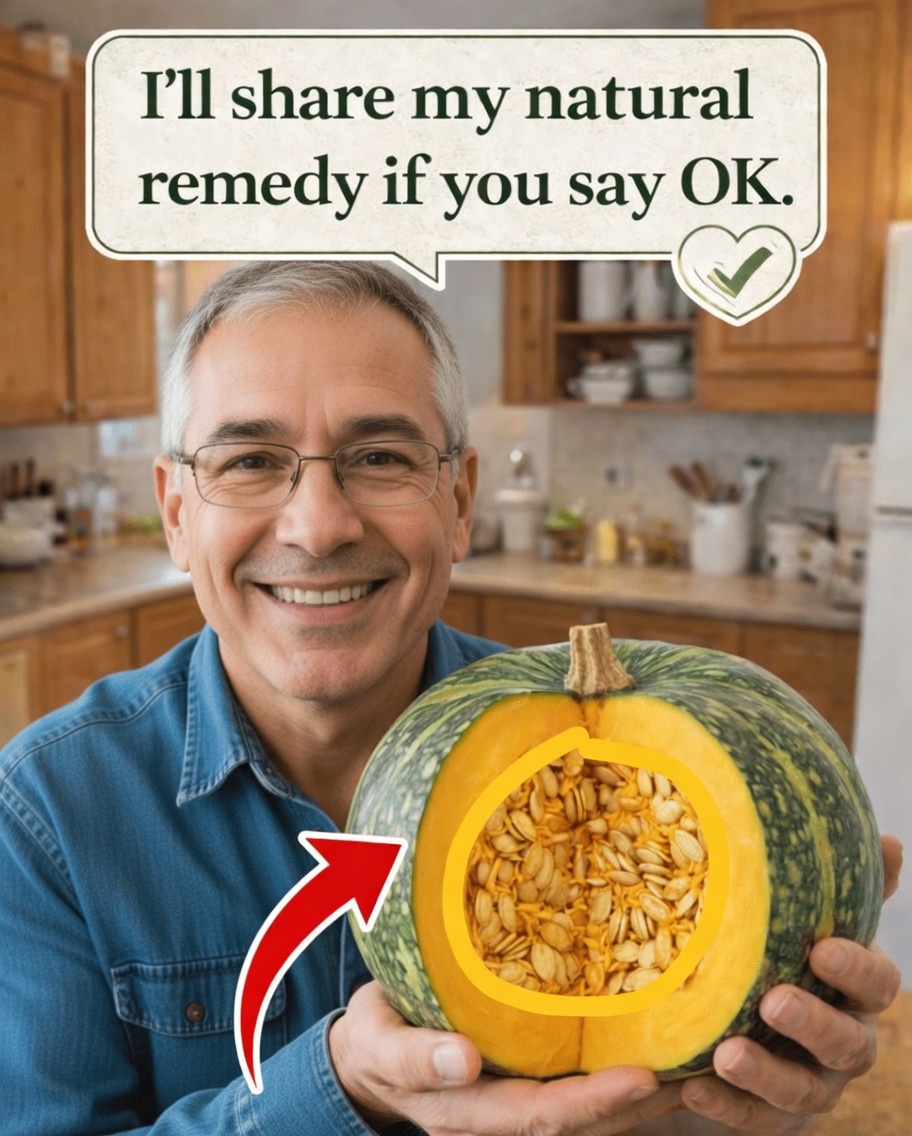
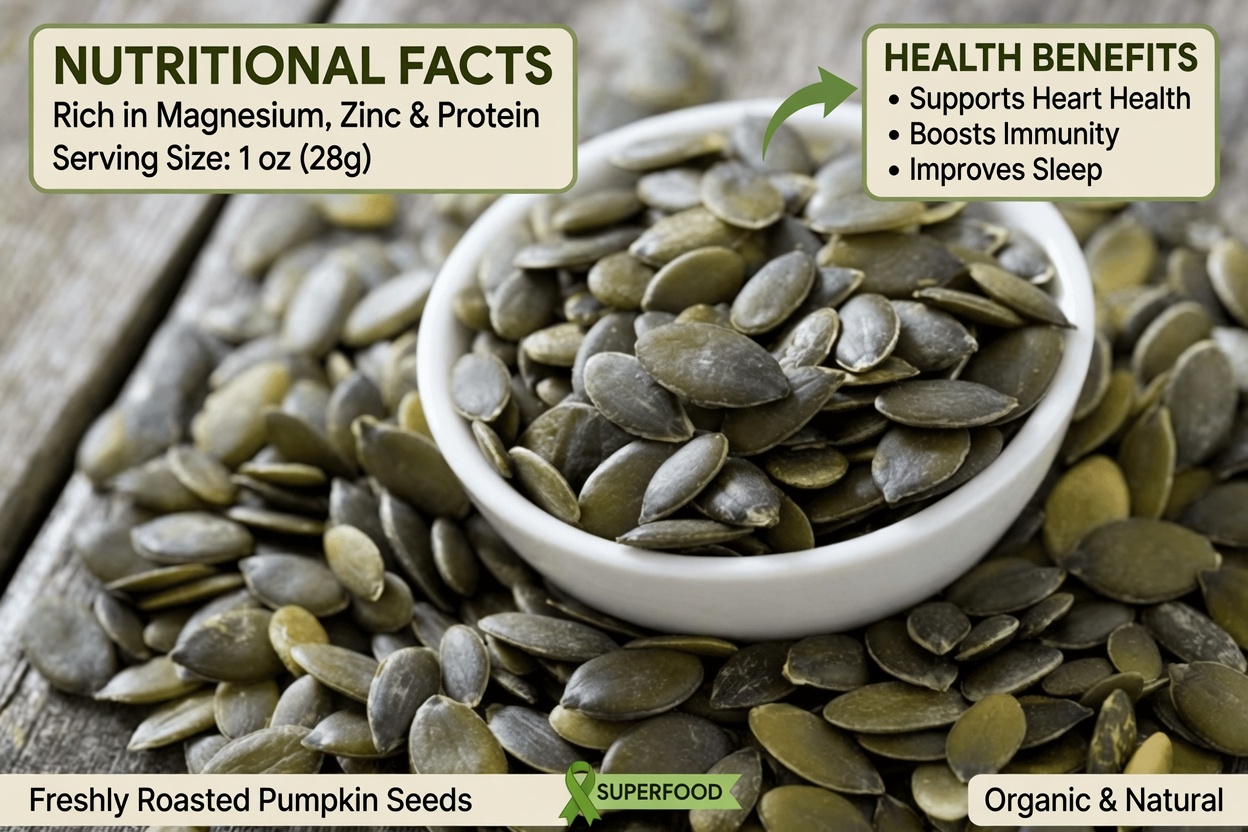
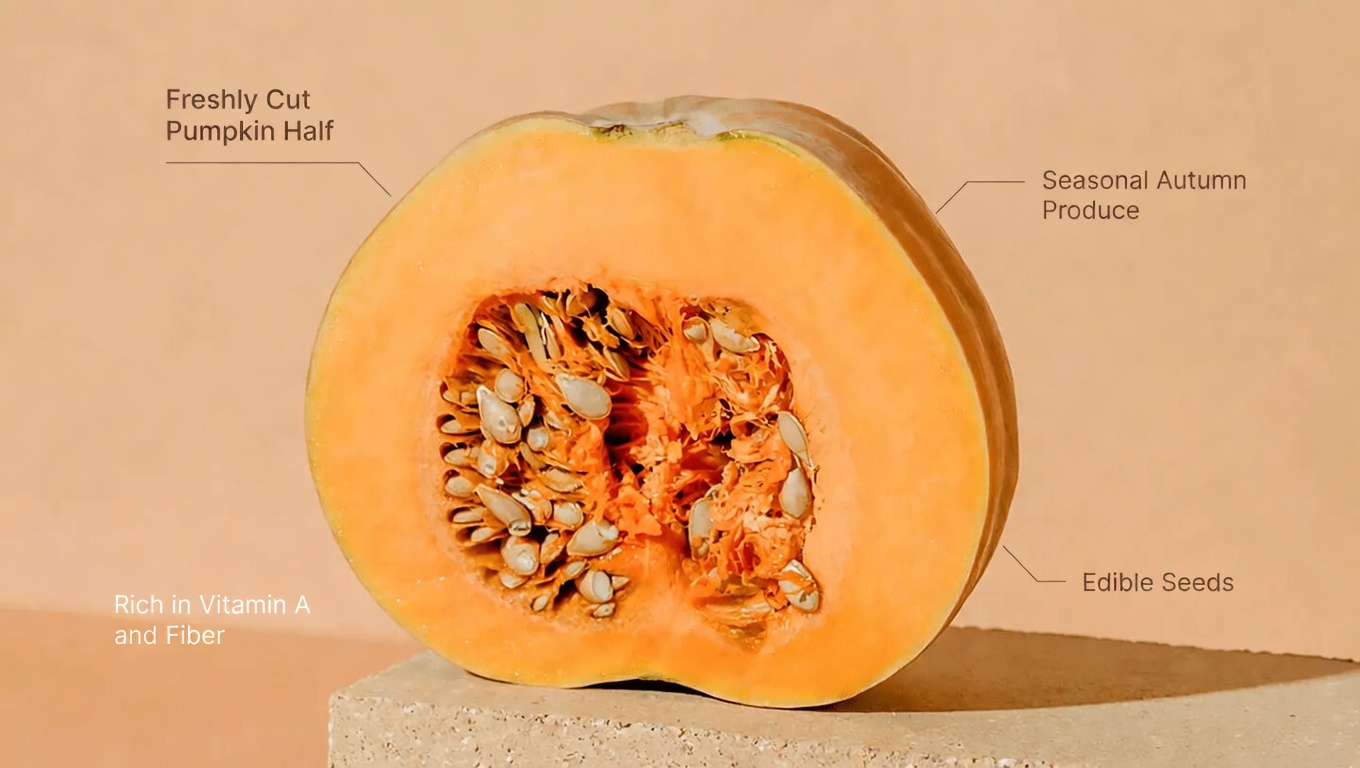
Pumpkin seeds, often called pepitas, are the edible seeds found inside pumpkins. These small, flat seeds have a mild, nutty taste and have long been valued in traditional food practices across regions such as Central America and parts of Europe. For centuries, they have been included in folk wellness routines because of their rich nutrient content and ease of use.
Today, pumpkin seeds are receiving more attention for another reason: they are convenient, versatile, and naturally nutrient-dense. Information from institutions such as the National Institutes of Health points to their valuable nutritional profile, including magnesium, zinc, and healthy fats. These nutrients are involved in many important body processes, which is why pumpkin seeds are often included in balanced eating patterns.
Unlike many highly processed supplements, pumpkin seeds are a whole food. They are easy to buy in stores, simple to prepare at home, and even possible to collect from fresh pumpkins. That accessibility makes them an appealing choice for people who want natural, practical ways to support everyday wellness.
Pumpkin Seeds Nutrition at a Glance
To see how pumpkin seeds may fit into a daily diet, it helps to understand what they contain. A one-ounce serving, roughly a small handful, offers a mix of protein, fiber, and important minerals.
Key nutrients in pumpkin seeds include:
- Magnesium: Helps support hundreds of biochemical processes, including those involved in energy production.
- Zinc: Plays a role in immune health and metabolic function.
- Healthy fats: Mostly unsaturated fats that fit well into a balanced diet.
- Antioxidants: Compounds such as vitamin E that help the body handle everyday oxidative stress.
- Iron: Supports oxygen transport, which contributes to maintaining normal vitality.
Research published in sources like the Journal of Medicinal Food suggests that these nutrients may help support an overall nutritious eating pattern. For example, the fiber in pumpkin seeds can promote digestive health, which may indirectly influence how steady your energy feels throughout the day.
One of the best parts is that using pumpkin seeds does not require complicated recipes. Many people simply roast a batch and keep them on hand for a quick snack.
How Pumpkin Seeds May Help Support Blood Sugar Balance
For people who pay close attention to diet, maintaining stable blood sugar is often a priority. Pumpkin seeds may be useful in this area because they have a low glycemic impact, meaning they are less likely to cause sharp rises when eaten as part of a meal or snack.
Observational research reported in the American Journal of Clinical Nutrition has linked magnesium-rich foods with better insulin sensitivity. Since pumpkin seeds are naturally high in magnesium, they may be a smart addition to a broader healthy lifestyle approach.
A simple way to use them in the morning:
- Blend your preferred fruits and vegetables into a smoothie.
- Add a tablespoon of ground pumpkin seeds.
- Enjoy a more nutrient-rich start to your day.
Pumpkin seeds may also help with fullness. Adding them to meals or snacks can make it easier to stay satisfied longer, which may reduce the temptation to reach for sugary foods between meals.
Pumpkin Seeds and Cholesterol Support
Diet plays a major role in cholesterol management, and pumpkin seeds contain plant compounds called phytosterols. These compounds are structurally similar to cholesterol and may help by competing with it for absorption in the digestive tract.
A review published in Nutrients found that foods rich in phytosterols are associated with modest improvements in lipid profiles in population-based research. That makes pumpkin seeds a thoughtful option for people aiming to build more heart-conscious eating habits.
An easy everyday idea is to sprinkle roasted pumpkin seeds over salads. This adds crunch and flavor while also contributing useful nutrients to the meal.
Interestingly, roasted seeds are not the only option. Raw pumpkin seeds can also be included in a healthy diet and provide a softer, fresher texture for variety.
A Natural Way to Support Daily Energy
If you often feel tired in the afternoon, pumpkin seeds may help as part of a smart snack strategy. Their combination of protein and healthy fats can offer more lasting energy than heavily processed snacks that lead to a quick rise and fall.
Their iron and magnesium content also matters. According to educational resources such as Harvard Health Publishing, these nutrients are linked to oxygen delivery and normal muscle function. This is one reason pumpkin seeds are often included in snacks chosen by active people and those with busy routines.
Try making easy homemade energy bites:
- Combine pumpkin seeds with dates, nuts, and a small amount of honey.
- Mix until the ingredients hold together.
- Roll into bite-sized balls.
- Refrigerate until firm.
- Keep them ready for a quick snack when energy dips.
Many people find that regular use of nutrient-dense snacks like these helps them feel steadier and more alert.
Pumpkin Seeds and Heart-Friendly Eating Habits
Heart health depends on many factors, but food choices are one of the most important. Pumpkin seeds contain small amounts of omega-3 fatty acids, along with other beneficial fats and antioxidants, which may contribute to anti-inflammatory support.
Epidemiological research, including findings from the European Journal of Nutrition, has associated regular intake of nuts and seeds with positive cardiovascular health markers. While pumpkin seeds are not a cure-all, including them in your meals can be one meaningful step within a broader heart-supportive lifestyle.
A practical idea is to add pumpkin seeds to homemade trail mix with dried fruit and other nuts. This creates a portable snack that is easy to take to work, school, or while traveling.
When combined with other healthy habits such as regular movement and balanced meals, the benefits of pumpkin seeds may become even more valuable.
Easy Ways to Add Pumpkin Seeds to Your Routine
If you are ready to use pumpkin seeds more often, there are plenty of simple options.
Quick Recipe Ideas
- Roasted pumpkin seeds: Toss with olive oil and a little salt, then bake at 350°F for about 20 minutes.
- Baked goods: Stir them into muffins, breads, or granola for added texture.
- Meal toppings: Sprinkle over yogurt, oatmeal, soups, or salads.
- Smoothie booster: Blend ground pumpkin seeds into fruit or vegetable smoothies.
- Trail mix ingredient: Mix with nuts and dried fruit for a convenient snack.
Comparison of Preparation Methods
| Method | Time Needed | Flavor Profile | Nutrient Retention |
|---|---|---|---|
| Raw | None | Mild, nutty | High |
| Roasted | 20–30 minutes | Toasty, savory | Moderate |
| Soaked | 8 hours | Softer, less bitter | May improve digestibility |
This comparison shows that pumpkin seeds can be prepared in different ways depending on your taste and routine. Some research suggests soaking may help improve mineral absorption and make the seeds easier to digest.
Smart Tips for Getting More from Pumpkin Seeds
If you want to go beyond basic snacking, there are several creative options to consider.
- Make pumpkin seed butter: Blend the seeds into a spread similar to nut butter and use it on toast.
- Use in breakfast meals: Add them to porridge, yogurt bowls, or overnight oats.
- Include in savory dishes: Stir them into grain bowls, roasted vegetables, or soups.
- Infuse oil: Use pumpkin seeds to create flavored oil for cooking or finishing dishes.
One especially surprising preparation method is lightly fermenting them by soaking the seeds overnight in saltwater. This can deepen the flavor and may also improve how well some people tolerate them.
Possible Considerations and Who May Benefit Most
Pumpkin seeds are generally considered safe for most adults when eaten in normal food amounts. However, if you eat a large amount right away, the fiber content may cause mild digestive discomfort. It is usually best to begin with a small serving and increase gradually.
People who are pregnant, have food allergies, or follow specific medical nutrition plans should check with a qualified healthcare professional before making major dietary changes. Still, available research suggests pumpkin seeds are broadly suitable for many people as part of a balanced diet.
Traditionally, they have often been enjoyed seasonally, especially around harvest time, when pumpkins are fresh and widely available.
Conclusion
Pumpkin seeds offer a simple and natural way to support everyday wellness goals, including steady energy, balanced blood sugar habits, cholesterol-conscious eating, and heart health. Because they are easy to prepare and simple to add to meals and snacks, many people find them practical for long-term use. If you want to try something different, soaking them overnight in saltwater for a light fermentation effect may bring out new flavors and make them an even more enjoyable part of your routine.
Frequently Asked Questions
How many pumpkin seeds can I eat each day?
A common starting point is about one ounce, or a small handful. This amount provides useful nutrients without adding too many calories. You can adjust based on your dietary needs.
Can pumpkin seeds be eaten raw?
Yes. Raw pumpkin seeds are nutritious and easy to add to salads, smoothies, or yogurt. Roasting them simply changes the flavor and texture.
Do pumpkin seeds have side effects?
Most people tolerate them well. Eating too many at once may lead to mild stomach discomfort because of their fiber content. Starting slowly is usually the best approach.
Disclaimer
This article is for informational purposes only and is not intended as medical advice.