
Ibuprofen After 40: Why It’s So Popular—and Why More People Are Rethinking Frequent Use
If you’re over 40 and you occasionally deal with headaches, back aches, or sore joints, ibuprofen has probably been your “quick fix” more times than you can remember. It’s inexpensive, easy to find, and often effective for everyday discomfort.
But aging changes how the body handles common medications. In recent years, health authorities and medical experts have placed stronger emphasis on the potential downsides of frequent or higher-dose use of ibuprofen and other NSAIDs (nonsteroidal anti-inflammatory drugs). Research and regulatory updates have highlighted possible increases in cardiovascular risk—especially when these medications are used regularly, not just once in a while.
The encouraging part is that some gentler, everyday strategies may help support comfort, including well-researched natural options like turmeric. Later in this article, you’ll find simple, at-home ways to use it right away.

Why Ibuprofen Works (and Why Doctors Discuss It More Today)
Ibuprofen is an NSAID, a category of medications designed to reduce pain and inflammation. It works by blocking certain chemical messengers involved in the body’s inflammatory response. For short-term needs—like a mild headache, post-workout soreness, or a minor muscle strain—many people find it helpful.
The concern grows when use becomes frequent. Over time, agencies such as the U.S. FDA have issued and strengthened safety communications about NSAIDs. Updates beginning in 2005 and reinforced in 2015 noted that NSAIDs may raise the likelihood of heart attack or stroke. Importantly:
- The risk can begin within weeks of consistent use.
- The risk typically increases with higher doses or longer duration.
- Even people without a prior heart problem may be affected, while those with existing cardiovascular risks may face greater concern.
After 40, baseline cardiovascular changes become more common, which makes these warnings more relevant for many adults.
Medical sources also point to other possible effects, including potential increases in blood pressure and, in rare situations, liver strain with prolonged or excessive use. The main point isn’t panic—it’s awareness. The more often NSAIDs are used, the more reasonable it becomes to consider ways to reduce reliance.
What Research and Safety Guidance Say About Heart Risk and Other Concerns
FDA drug safety communications have emphasized several consistent takeaways:
- Cardiovascular risks can appear early, sometimes within the first weeks.
- Dose and duration matter—higher doses and longer use are generally linked to higher risk.
- The warning applies broadly, though some groups are more vulnerable.
Medical education resources and expert commentary from organizations and outlets such as Harvard Health and Mayo Clinic often advise extra caution for people who take NSAIDs frequently or feel they “need them” to get through daily life. Ibuprofen remains widely used and can be appropriate in many situations, but ongoing use is something to discuss with a healthcare professional.
Regarding the liver: serious problems are uncommon at typical doses, but rare reports of liver stress do exist—most often connected to long-term, high-dose use or misuse.
A simple way to think about it:
- Occasional, short-term use: typically lower concern for many people
- Regular or high-dose use: may increase cardiovascular risk (per FDA warnings)
- Over-40 considerations: heart-health factors become more important, so moderation matters
This is not about fear. It’s about making informed, long-term choices.
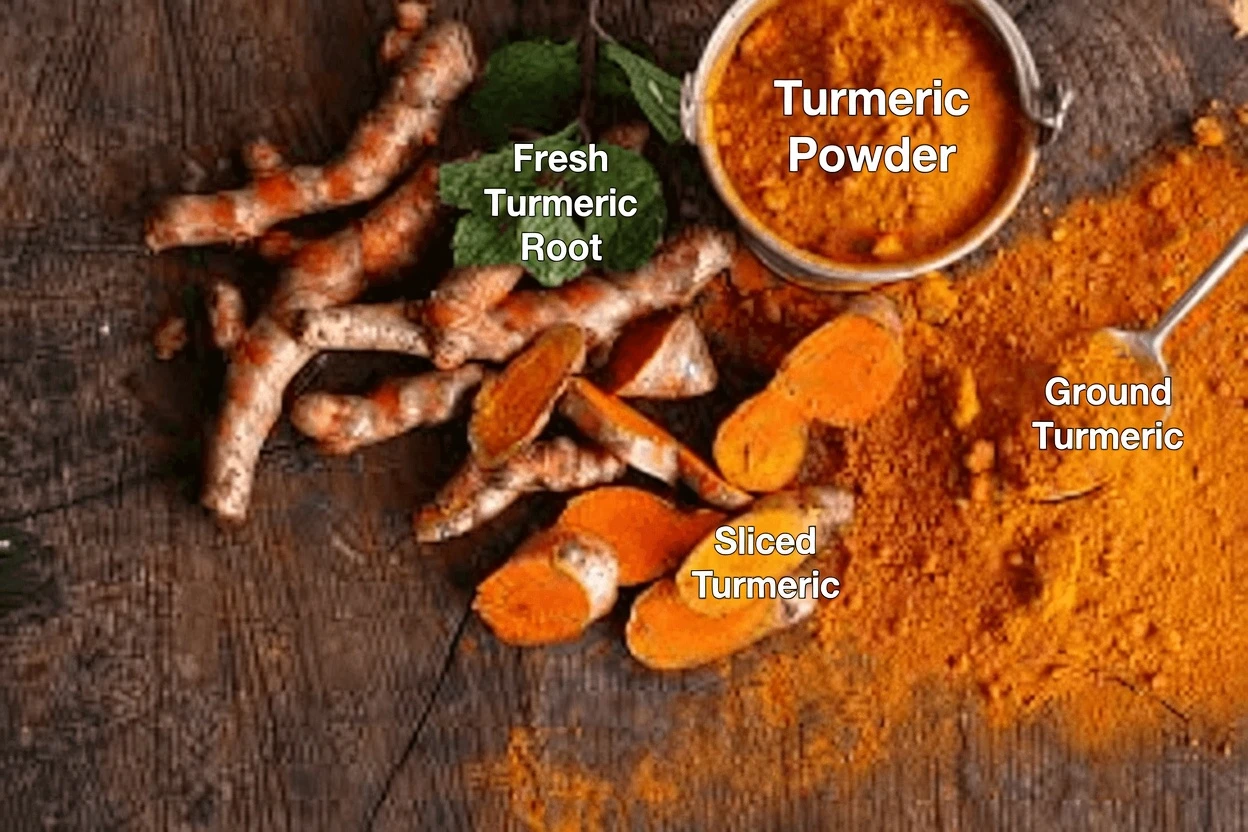
A Food-Based Option Getting Attention: Turmeric and Curcumin
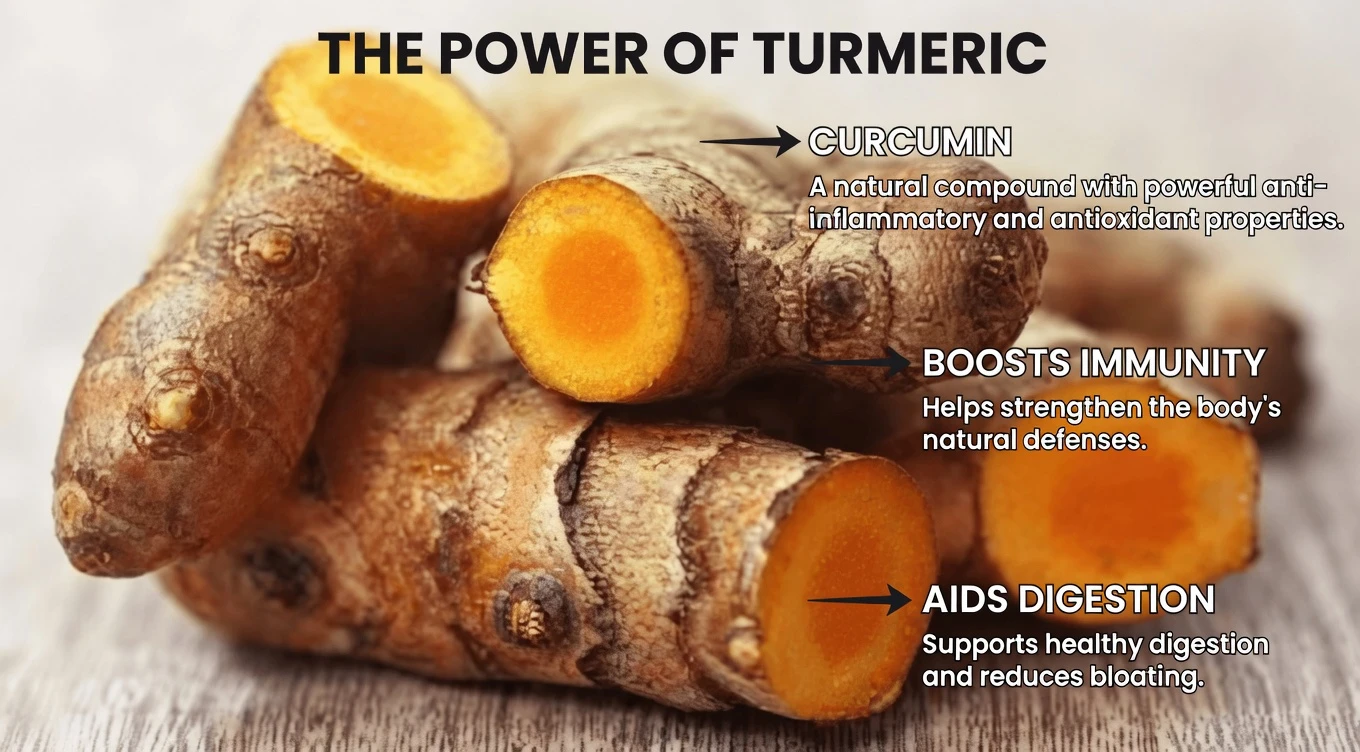
Turmeric—the bright golden spice used in many global cuisines—contains a compound called curcumin, which has been widely studied for its anti-inflammatory activity. Unlike a single-target medication, curcumin is often described as working through multiple pathways involved in inflammation, which may offer a more gentle support profile for many people.
Several studies and reviews have explored curcumin for discomfort related to inflammation, including research involving knee osteoarthritis. Some trials have compared curcumin extracts to ibuprofen and reported similar improvements in pain and function over several weeks for certain participants, often with favorable tolerability.
Another reason turmeric appeals to many people is practicality: it’s food-based, easy to use, and fits naturally alongside other supportive habits (movement, sleep, balanced nutrition).
To improve curcumin absorption, many experts recommend pairing turmeric with:
- Black pepper (contains piperine, which can enhance absorption)
- A source of healthy fat (such as coconut oil or other dietary fats)
Next, you’ll find two simple ways to use turmeric at home.
Easy, At-Home Ways to Use Turmeric for Everyday Comfort Support
These ideas are meant as supportive routines—not medical treatment. If you have health conditions or take medications, check with a qualified professional before making changes.
1) No-Bake Turmeric “Energy Bites” (Convenient and Portable)
Ingredients
- 1/3 cup organic ground turmeric
- A generous pinch of ground black pepper
- 3 tablespoons raw organic honey
- 1 tablespoon melted coconut oil
Instructions
- Add all ingredients to a bowl and stir until a smooth paste forms.
- Scoop small portions and roll into bite-sized balls.
- Freeze for about 1 hour to firm them up.
- Store in a glass jar in the refrigerator.
- Many people use 2–3 per day, taken with water or tea.
Why this combo helps: black pepper and coconut oil may improve the body’s ability to utilize curcumin effectively.
2) Warm Turmeric + Honey + Lemon Mix (A Simple Daily Ritual)
Ingredients
- 1 tablespoon turmeric powder
- 1 cup raw honey
- Juice of 1 fresh lemon
Instructions
- Mix turmeric, honey, and lemon juice in a jar until well combined.
- Stir 1 teaspoon of the mixture into warm (not boiling) water or herbal tea.
- Sip 2–3 times per day, as desired.
Many people report better results with consistent use, though individual responses vary—pay attention to how your body feels.
Additional Habits That Can Reduce Over-Reliance on Pain Pills
Turmeric is only one piece of the puzzle. Small daily choices can meaningfully support comfort over time:
- Hydration and sleep to reduce common headache triggers
- Gentle activity (walking, mobility work, light stretching) to ease stiffness
- Heat or cold therapy for targeted relief
- Anti-inflammatory eating patterns, emphasizing foods like berries, leafy greens, and fatty fish
When combined, these habits often decrease the need for “quick fixes.”
Final Thoughts: Smarter Comfort Strategies as You Age
As the body gets older, what you take—and how often you take it—matters more. Ibuprofen can still be useful for occasional, short-term needs, but the potential cardiovascular concerns tied to frequent or high-dose NSAID use make it worth reconsidering routine reliance.
Turmeric (and its key compound curcumin) stands out as a promising, research-supported option that many people find gentler for everyday support. Start with small changes, track your results, and speak with a clinician if you’re managing ongoing discomfort or using NSAIDs regularly.
FAQ
Is it safe to stop ibuprofen suddenly if I’ve been taking it often?
Many people can stop occasional use without issues. If you’ve been taking ibuprofen daily or using it for a medical condition, talk with your healthcare provider first to avoid potential rebound symptoms or complications.
How long does turmeric take to show benefits?
In many studies, meaningful changes are seen after 4–8 weeks of consistent use, though some people notice subtle improvements sooner. Results vary, and supportive lifestyle habits tend to improve outcomes.
Can turmeric interact with medications?
Turmeric is often well tolerated, but it may interact with blood thinners or certain medications. Confirm safety with your doctor or pharmacist—especially if you take prescription drugs or have a chronic condition.
Disclaimer
This article is for informational purposes only and does not provide medical advice. Always consult a qualified healthcare professional before starting any supplement, changing medication use, or addressing health concerns.