Amlodipine and High Blood Pressure: What to Expect and How to Stay Comfortable
Managing high blood pressure often means taking long-term medication, and amlodipine is one of the most widely prescribed options. As a calcium channel blocker, it helps relax and widen blood vessels, improving blood flow and lowering the strain on your heart.
For many people, amlodipine works well—but some notice everyday changes such as ankle swelling, fatigue, or occasional dizziness, which can make normal routines feel harder than expected. These reactions can be discouraging, especially when symptoms appear gradually and are easy to blame on stress, age, or a busy schedule.
The good news: most side effects are manageable once you understand what’s happening and know what to monitor. And near the end, you’ll find a simple (and often overlooked) tracking method that can sharpen how you manage your blood pressure day to day.
Why Amlodipine Side Effects Often Feel “Unexpected”
Amlodipine lowers blood pressure by widening blood vessels. While this is the intended benefit, the body may also respond with fluid shifts and temporary adjustments in circulation.
Medical references such as the Mayo Clinic note that a noticeable portion of users—often cited around 10–15%—experience side effects early in treatment. The challenge is that these symptoms can look like normal life issues (for example, “I’m tired because I didn’t sleep well”) rather than a medication effect.
Instead of guessing, tracking symptoms helps reveal patterns. Many people improve as their bodies adjust over time, but awareness reduces unpleasant surprises and supports safer decision-making with your clinician.
How Side Effects Can Affect Daily Routines
Because blood vessels relax, some people experience mild fluid pooling (especially in the lower legs) or brief changes in blood pressure that can affect balance and stamina.
You might notice:
- Puffy ankles after standing or sitting for long periods
- Feeling lightheaded when getting up too fast
- Less energy for activities like walking, errands, or exercise
According to NHS guidance, many of these effects are typically mild—but they can become more disruptive when ignored or when other factors (diet, heat, inactivity, or other medications) add to the problem.
Real-world experiences reflect this. Some people report reduced mobility until they began monitoring symptoms and made small adjustments with their healthcare provider.

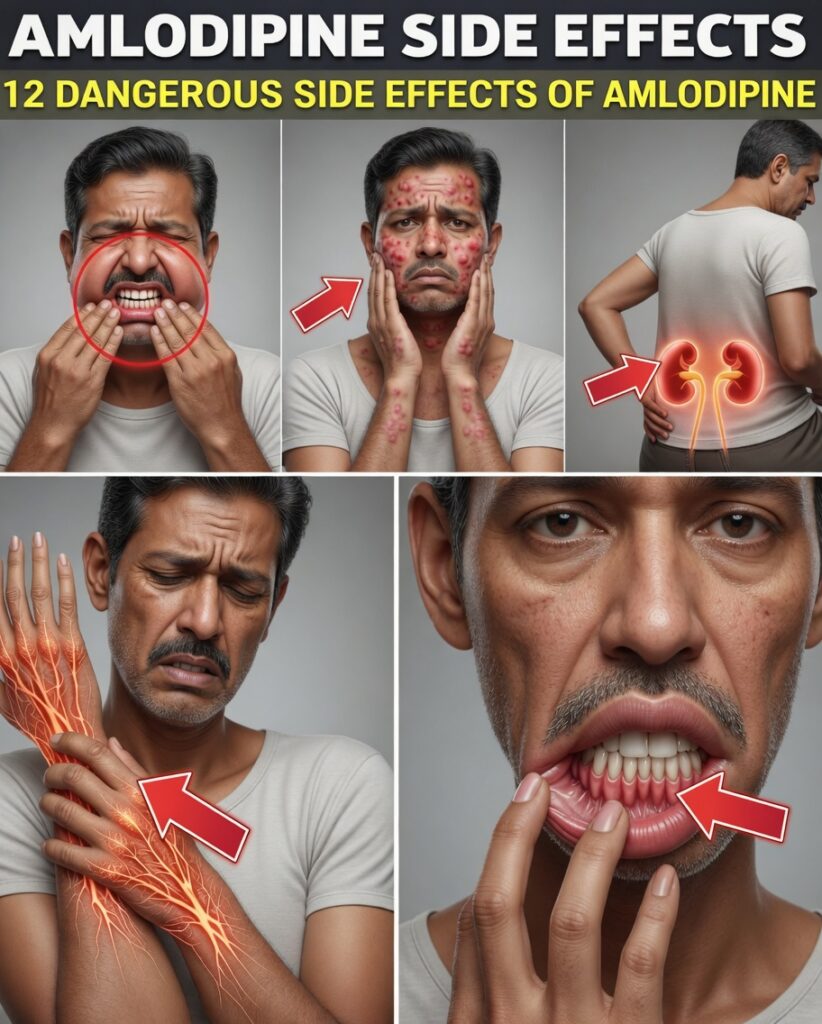
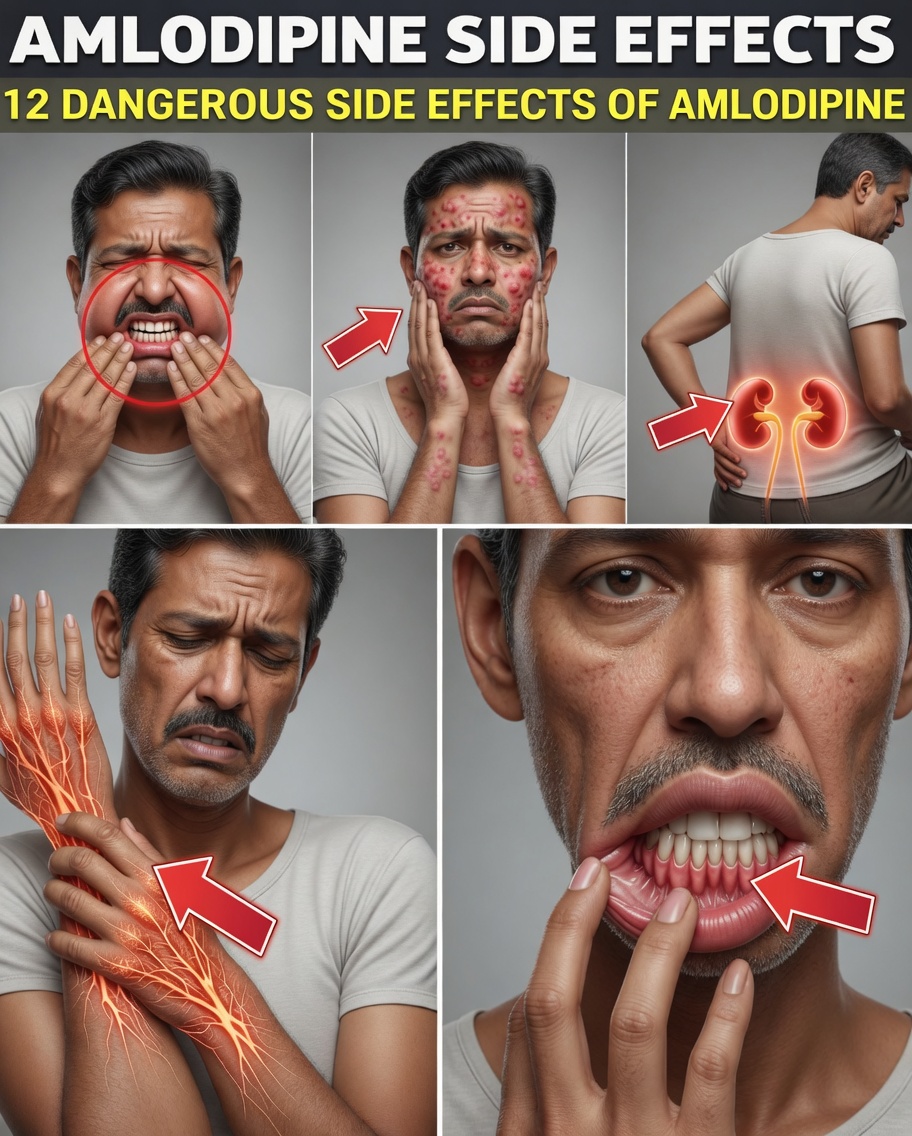
12 Common Amlodipine Side Effects to Monitor
Based on trusted references such as Drugs.com and MedlinePlus, here are common side effects people may notice while taking amlodipine. Individual reactions vary, so always consult a medical professional for personalized advice.
-
Flushing or a warm sensation
Blood vessel widening can trigger warmth in the face or upper body. This often fades with time; hydration may help. -
Nausea or stomach discomfort
Mild queasiness can occur, especially early on. Some people feel better taking the dose with a small snack (if approved by their clinician). -
Fatigue or sleepiness
Persistent tiredness can affect motivation and daily functioning. Many people report improvement after routine adjustments and time. -
Headache
Headaches are common during the first weeks as circulation adapts. Check with your clinician before using over-the-counter options. -
Palpitations or a racing heartbeat
Some people notice skipped beats or increased heart awareness. This is worth recording and discussing, particularly if it repeats or worsens. -
Dizziness or lightheadedness
A drop in blood pressure—especially when standing—can increase fall risk. Move slowly and use support when needed. -
Gum overgrowth (gingival enlargement)
This is uncommon but documented. Regular dental care and early detection matter (Cleveland Clinic notes the importance of monitoring oral changes). -
Shortness of breath
Less common, but important to track. It may relate to fluid changes or other conditions that require review. -
Swelling (edema), especially ankles and feet
This is one of the most frequently reported reasons for dose review. Elevating legs and reducing sodium can help. -
Allergic reactions (rash, itching, hives)
Rare, but any signs of allergy should be taken seriously. Breathing difficulty requires urgent care. -
Symptoms of low blood pressure
Severe dizziness, fainting, or extreme weakness may indicate blood pressure is too low and needs assessment. -
Chest pain or worsening angina symptoms
Rare but potentially serious. If chest pressure, sweating, or radiating pain occurs, seek emergency help as recommended by sources like the Mayo Clinic.
Understanding which symptoms are mild versus urgent makes it easier to respond appropriately.
Common vs. Serious Side Effects: A Practical Comparison
This simplified overview—based on guidance commonly referenced by the Mayo Clinic and NHS—can help you decide when to monitor versus when to seek medical support.
-
Typically mild (monitor and document):
- Ankle/foot swelling
- Mild dizziness
- Headache
- Flushing
- Mild nausea
- Tiredness
-
Potentially serious (seek prompt medical advice):
- Chest pain or worsening chest tightness
- Severe rash, facial swelling, or throat swelling
- Fainting
- Breathing difficulty
- Persistent or worsening irregular heartbeat
Age, dosage, underlying heart conditions, and drug interactions can influence how strong these effects feel—so personal context matters.

Real-Life Experiences: What People Often Report
Personal stories can make these side effects easier to recognize.
-
John (70) noticed ankle swelling that made errands and walking uncomfortable. After elevating his feet regularly and discussing symptoms with his provider, his plan was adjusted and the swelling became more manageable.
-
Lisa (65) experienced dizziness early in treatment. By standing up slowly, tracking when it happened, and noting possible triggers, she saw improvement within a few weeks.
For many, the biggest turning point isn’t “pushing through,” but recording symptoms clearly and bringing that evidence to medical appointments.
When to Talk to Your Doctor About Amlodipine
If something feels off, don’t wait for it to “maybe go away.” Early conversations can prevent unnecessary discomfort and reduce risk.
Bring useful details such as:
- When the symptom started
- How often it happens
- What seems to trigger it (heat, meals, activity, missed sleep)
- Any new medications or supplements
Helpful monitoring habits
- Measure blood pressure at home consistently
- Keep a symptom log with dates, timing, and severity
- Schedule follow-ups regularly (often every few months, or as advised)
Safety reminders
- Do not stop amlodipine suddenly without medical guidance
- Report persistent symptoms early
- Seek emergency care for chest pain, severe allergic symptoms, or breathing difficulty
A simple action guide
- Monitor: mild swelling, occasional headache
- Track daily and mention at the next check-up
- Discuss soon: ongoing fatigue, frequent dizziness
- Book an appointment for review
- Urgent: chest pain, facial swelling, breathing trouble
- Seek emergency help immediately
Practical Ways to Manage Amlodipine Side Effects
These strategies are commonly recommended as general lifestyle support (not a substitute for medical care):
-
Track symptoms consistently
Write down what you feel, when it happens, and what you ate or did beforehand. A simple notes app works fine. -
Reduce swelling with routine changes
- Elevate legs for 15–20 minutes, twice daily
- Limit sodium gradually (common guidance suggests staying under 2,300 mg/day, unless your clinician advises lower)
-
Hydrate and keep light movement
Water can support comfort with flushing or nausea. Gentle walking improves circulation—start with 10 minutes and build slowly. -
Use safer movement habits
If dizziness occurs:- Sit before standing
- Stand up slowly
- Hold onto a stable surface
-
Share your log with your clinician
Side effects often improve with dose adjustments, timing changes, or alternative medications—especially when your records show clear patterns.
Stay Confident and Informed About Your Treatment
Amlodipine helps many people control hypertension, but side effects—especially swelling, dizziness, and fatigue—deserve attention. When you recognize symptoms early, document them clearly, and make small habit changes, you can protect both comfort and long-term health.
The unexpected monitoring technique that can make a real difference: combine your symptom journal with weekly blood pressure averages. Looking at trends (not just single readings) helps you and your clinician connect how you feel with how your blood pressure is behaving—making treatment decisions far more precise.