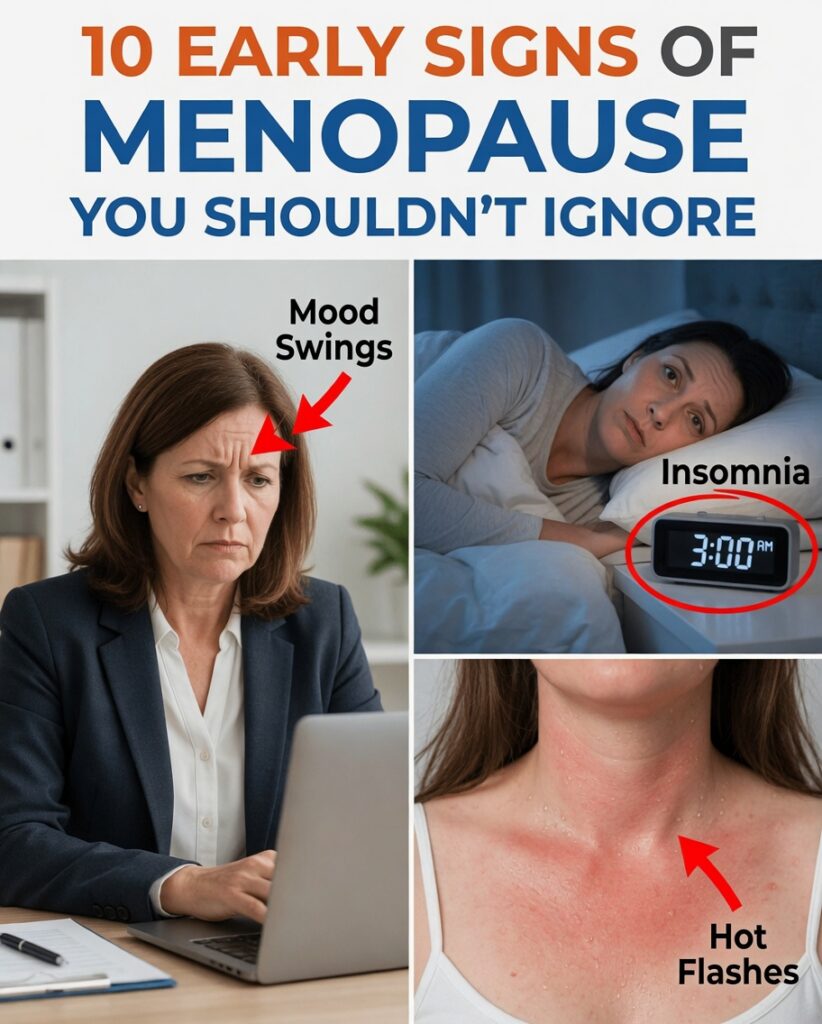
Early Menopause Signs: Why Subtle Symptoms in Your 40s and 50s Deserve Attention
Many women in their 40s and 50s begin to notice small but unsettling shifts—like waking up with a pounding heartbeat, or feeling so tired that even routine tasks seem heavier than they should. These early menopause signs can be easy to dismiss at first, yet they often interfere with work, relationships, and everyday pleasures (such as enjoying food without discomfort or staying focused during a conversation without mental haze).
Understanding that these changes may be part of a hormonal transition can replace confusion with clarity—and help you choose strategies that protect your well-being. Stay with this guide to the end to learn one simple daily habit that may ease several early menopause signs at the same time.
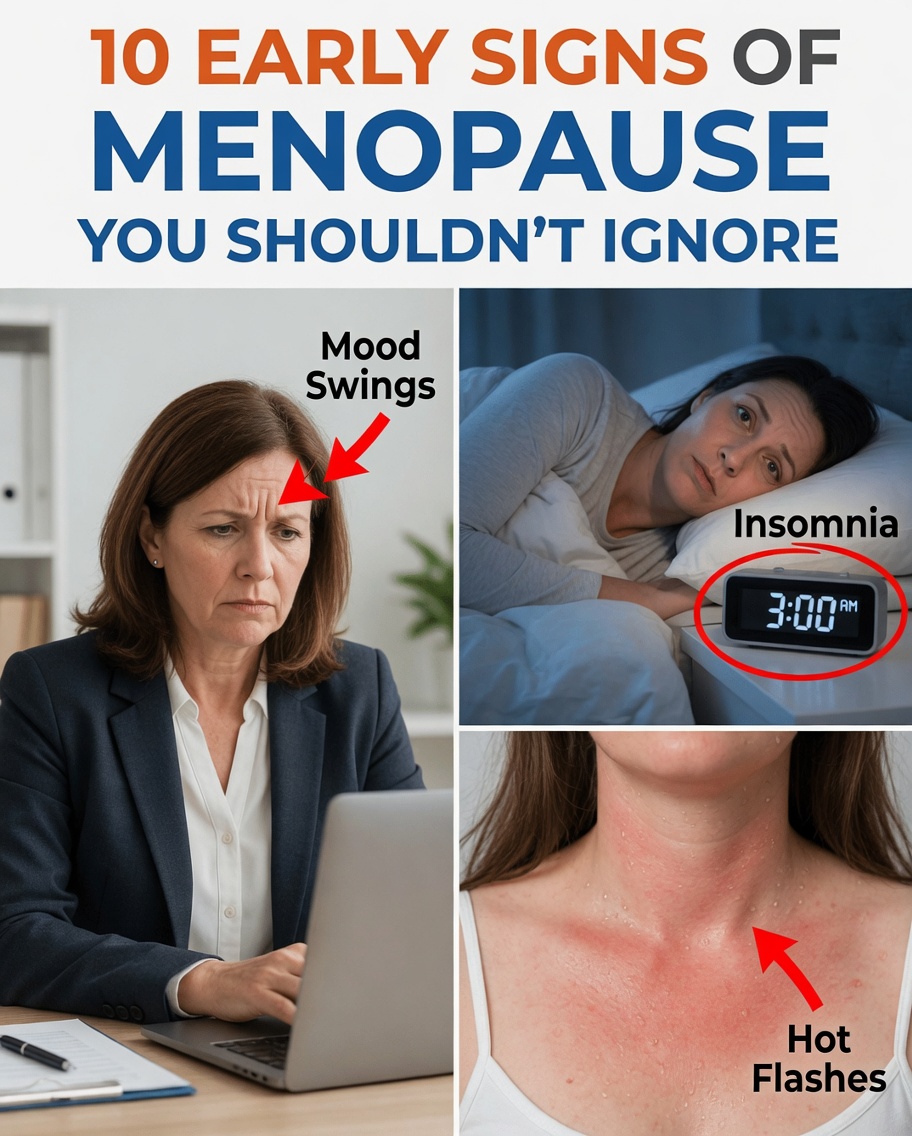
Understanding Early Menopause (Perimenopause) and How It Affects the Body
Most early menopause signs appear during perimenopause, the phase leading up to menopause when estrogen and progesterone fluctuate. Because these hormones influence multiple systems—brain, skin, eyes, joints, digestion, and more—symptoms can look unrelated or random.
Many people chalk these shifts up to “stress” or “getting older.” But ongoing discomfort can slowly erode confidence, energy, and quality of life. Organizations such as the North American Menopause Society emphasize that these changes are common—yet frequently overlooked. The good news: recognizing early menopause signs helps you seek informed support sooner.
Hormonal changes can also show up in unexpected sensory or physical ways. If you ignore them, you may miss simple lifestyle adjustments that bring real relief. Tracking symptoms over time often reveals patterns connected to hormone swings—and many women discover that small changes can produce meaningful improvements.

10 Lesser-Known Early Menopause Signs to Watch For
Early menopause doesn’t always announce itself with the most “classic” symptoms right away. Below are 10 lesser-known early menopause signs, starting with the more surprising ones and moving toward symptoms that commonly disrupt everyday life. Each one is linked, directly or indirectly, to shifting hormone levels—and recognizing them can reduce worry and uncertainty.

10) Burning Mouth or a Metallic Taste
If meals suddenly come with a persistent burning feeling or an unusual metallic taste, it can ruin enjoyment and trigger concern about allergies or other health issues. Research in oral and dental health suggests estrogen influences saliva and nerve sensitivity, which may help explain this symptom.
Helpful approaches:
- Sip water regularly throughout the day
- Chew sugar-free gum to stimulate saliva
- Limit irritants (spicy foods, alcohol-based mouthwash) if they worsen symptoms
9) Dry Eyes and Subtle Vision Changes
That gritty, stinging eye discomfort—especially after screen time—may be more than routine fatigue. As estrogen declines, tear production can drop, leading to dryness and irritation. This can make reading, driving, or extended computer work feel harder than it used to.
Helpful approaches:
- Use preservative-free artificial tears
- Eat omega-3-rich foods (fatty fish, chia, flax)
- Take screen breaks to reduce eye strain
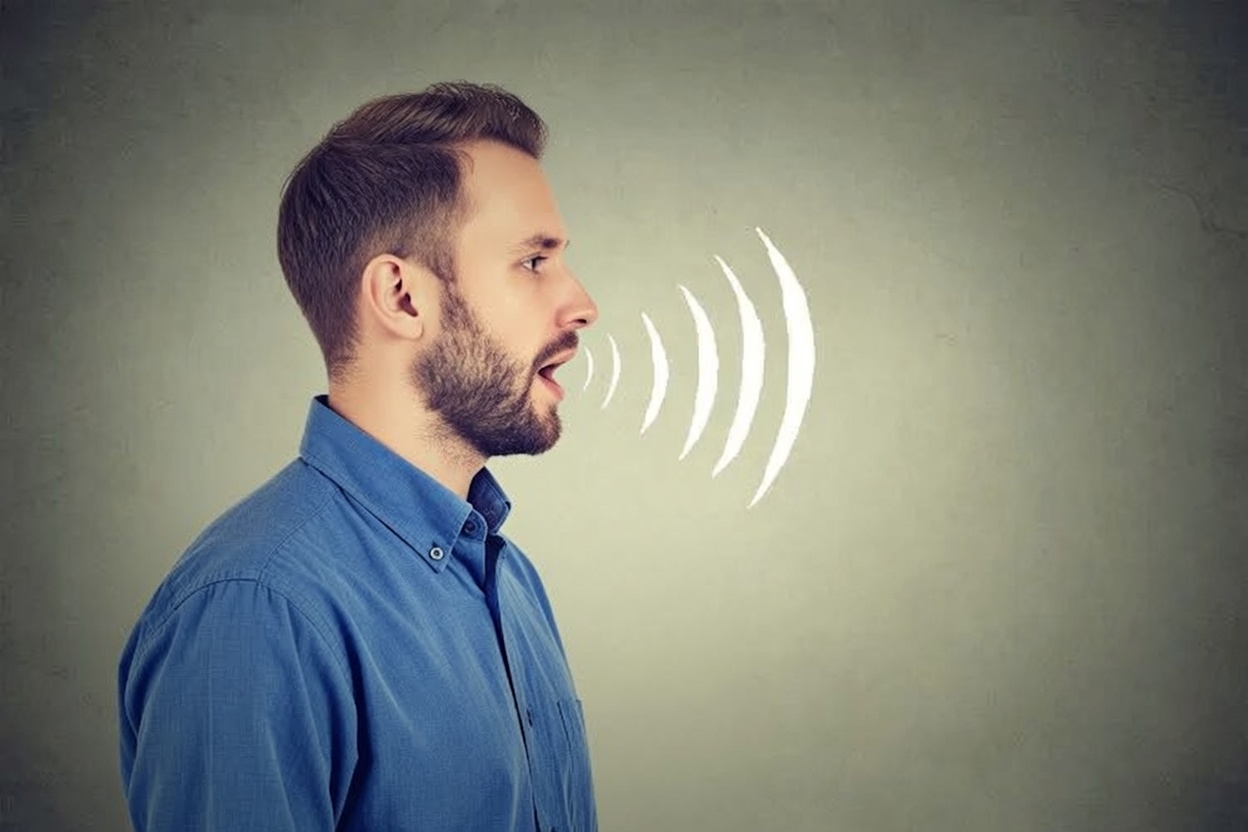
8) Voice Changes or Unexplained Hoarseness
Some women notice their voice becomes raspier, cracks more easily, or tires out quickly—especially during long meetings or frequent conversations. Hormonal shifts can affect mucosal tissues, including those around the vocal cords, which may contribute to vocal fatigue.
Helpful approaches:
- Hydrate consistently
- Reduce throat-clearing and vocal strain
- Prioritize vocal rest after heavy speaking days
7) Tinnitus (Ringing or Buzzing in the Ears)
A persistent ringing or buzzing—especially noticeable at night—can affect sleep, focus, and mood. Because the ear contains hormone receptors, fluctuations may contribute to tinnitus in some women, and surveys suggest a notable minority experience it during midlife hormonal transitions.
Helpful approaches:
- Use sound masking (white noise, fan, apps)
- Practice stress-reduction techniques (breathing, gentle stretching)
- Reduce caffeine or alcohol if they worsen ringing
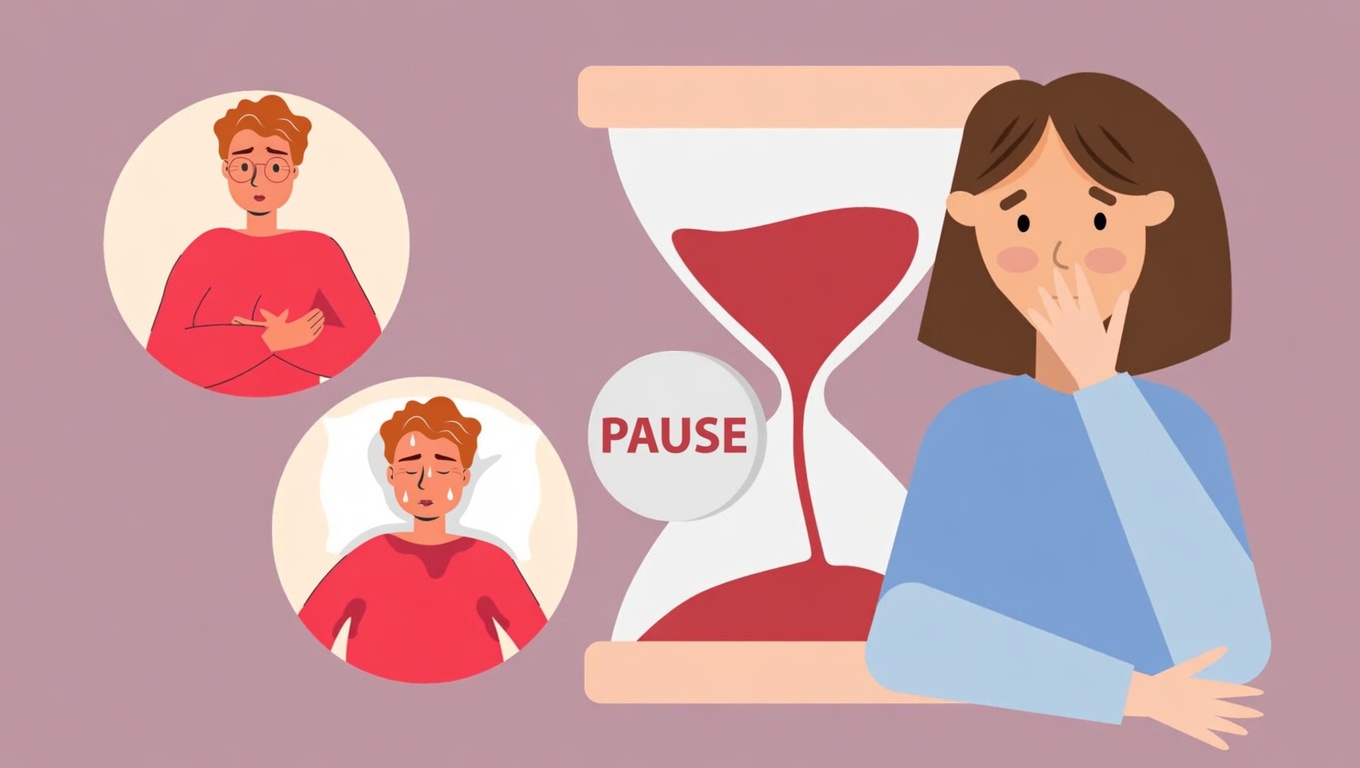
6) Dizziness or Vertigo-Like Episodes
Feeling lightheaded when standing or experiencing brief spinning sensations can be frightening and may limit day-to-day confidence. Hormonal shifts can influence blood flow and inner-ear balance systems, which may contribute to dizziness in perimenopause.
Helpful approaches:
- Stand up slowly and avoid sudden position changes
- Add balance-focused movement (yoga, tai chi)
- Stay hydrated and eat steady, balanced meals
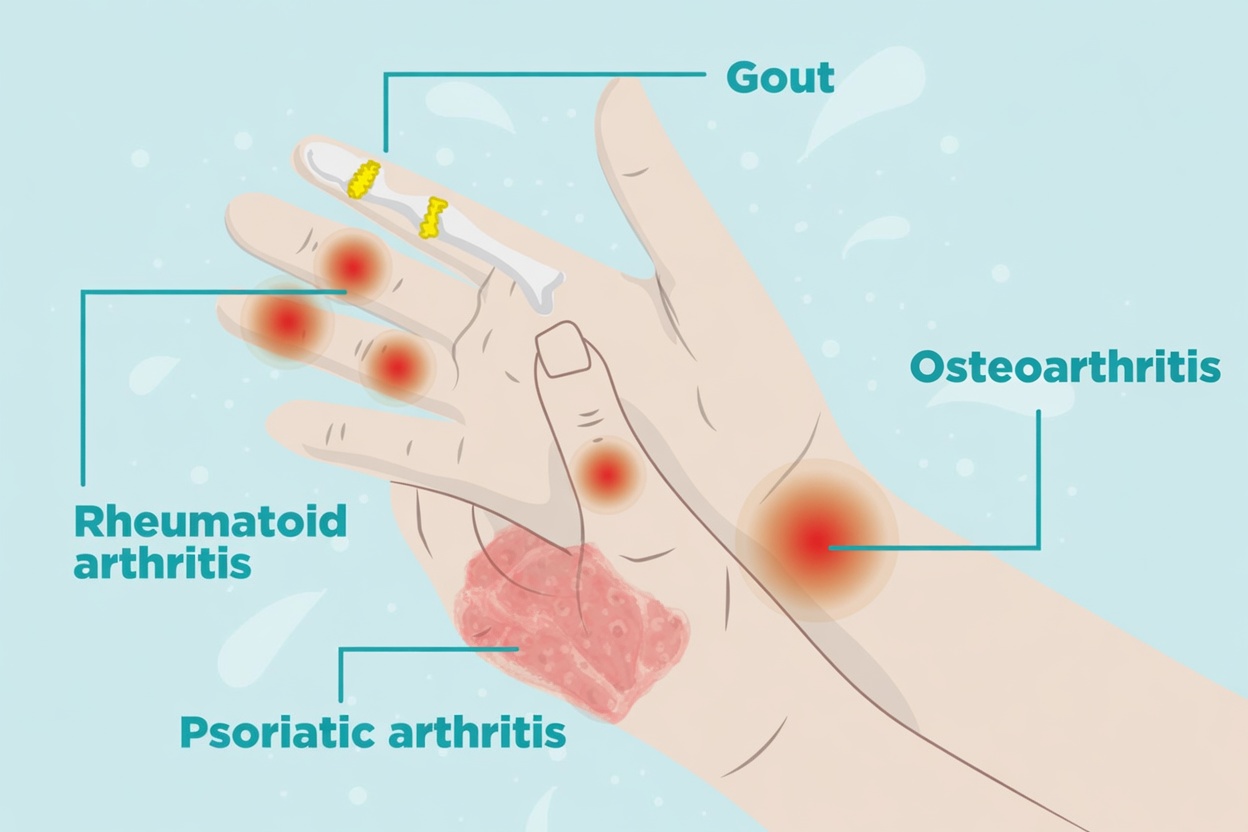
5) Joint Pain and Stiffness (Not Explained by Arthritis)
Waking up with stiff, achy joints—hands, knees, hips, shoulders—can make simple movements feel harder. Research suggests estrogen has anti-inflammatory effects, and its decline may increase inflammation and discomfort even without arthritis.
Helpful approaches:
- Gentle daily mobility work (walking, stretching)
- Heat therapy for stiffness (warm shower, heating pad)
- Emphasize anti-inflammatory foods (olive oil, leafy greens, omega-3s)
4) Tingling or “Electric Shock” Sensations
Sudden brief “zaps” or tingling—often in arms, legs, or hands—can feel alarming and raise fears about nerve problems. During hormonal fluctuation, the nervous system may become more sensitive, making these sensations more likely for some women.
Helpful approaches:
- Prioritize relaxation (breathing exercises, slow stretching)
- Consider magnesium-rich foods (nuts, seeds, legumes)
- Reduce triggers like sleep deprivation or high stress
3) Brain Fog and Memory Slips
For many, brain fog is one of the most discouraging early menopause signs: difficulty focusing, forgetting names, misplacing items, or struggling to stay sharp at work. Research frequently reports cognitive complaints during perimenopause, and the experience can seriously impact confidence.
Helpful approaches:
- Maintain consistent sleep routines
- Use simple organization tools (lists, reminders)
- Do light cognitive training (puzzles, learning, reading)

2) Changes in Body Odor or Digestive Shifts
Unexpected body odor changes or digestive issues such as bloating can feel embarrassing and hard to talk about. Hormonal shifts can influence metabolism, sweat composition, and gut balance—creating changes that may seem to come “out of nowhere.”
Helpful approaches:
- Increase fiber gradually (vegetables, oats, legumes)
- Add probiotic foods (yogurt, kefir, fermented vegetables) if tolerated
- Track food triggers that worsen bloating
1) Fatigue or Persistent Tiredness
Chronic tiredness that doesn’t improve with rest is one of the most common early menopause signs—and one of the most disruptive. Hormonal imbalance can affect sleep quality, mood, metabolism, and recovery, leaving you feeling depleted even after a full night in bed.
Helpful approaches:
- Keep blood sugar steady with balanced meals (protein + fiber + healthy fats)
- Protect sleep with a consistent bedtime and lower evening screen exposure
- Build in recovery time, not just productivity
Quick Reference: Early Menopause Signs, Possible Links, and Practical Support
| Early Menopause Sign | Possible Hormonal Connection | Everyday Management Ideas |
|---|---|---|
| Burning mouth / metallic taste | Oral tissue and saliva changes | Hydration, avoid irritants, sugar-free gum |
| Dry eyes / vision discomfort | Reduced tear production | Artificial tears, omega-3s, screen breaks |
| Voice changes / hoarseness | Thinner mucosal tissues | Hydration, vocal rest |
| Tinnitus | Auditory pathway sensitivity | Sound masking, relaxation, reduce triggers |
| Dizziness / vertigo | Blood flow and inner-ear shifts | Rise slowly, hydration, balance exercises |
| Joint pain / stiffness | Increased inflammation | Gentle movement, heat therapy, anti-inflammatory foods |
| Tingling / “electric shocks” | Nervous system sensitivity | Magnesium-rich foods, relaxation, sleep support |
| Brain fog | Cognitive effects of hormone fluctuation | Sleep hygiene, reminders, mental exercises |
| Body odor / digestive changes | Metabolic and gut changes | Fiber, probiotics, identify triggers |
| Fatigue | Whole-body hormone impact | Balanced meals, rest routines, sleep consistency |
Actionable Ways to Manage Early Menopause Signs (Without Overcomplicating It)
If you’re experiencing several early menopause signs, focus on a few high-impact moves rather than trying everything at once:
-
Track symptoms for 2–4 weeks
- Note sleep quality, cycle changes (if still cycling), stress levels, food triggers, and symptom timing.
-
Stabilize your sleep routine
- Aim for consistent sleep and wake times, and create a wind-down routine that reduces stimulation.
-
Support the nervous system daily
- Short relaxation practices (5–10 minutes) can reduce symptom intensity for many women, especially when stress amplifies them.
-
Prioritize movement that improves circulation and mobility
- Walking, gentle strength training, yoga, and stretching can support joints, mood, sleep, and energy.
-
Adjust nutrition for steady energy
- Emphasize protein, fiber, healthy fats, hydration, and foods that support gut balance.
A Simple Habit That May Help Multiple Early Menopause Signs
A single, low-effort habit that often supports several early menopause signs at once is a daily 10–20 minute brisk walk (ideally outdoors, earlier in the day).
This routine may help by:
- improving sleep quality and circadian rhythm
- reducing stress and nervous system overactivation
- supporting joint mobility and circulation
- stabilizing energy and mood
- enhancing mental clarity over time
If symptoms are persistent, worsening, or affecting your safety (such as severe dizziness or significant heart palpitations), consider discussing them with a qualified healthcare professional for personalized evaluation and support.