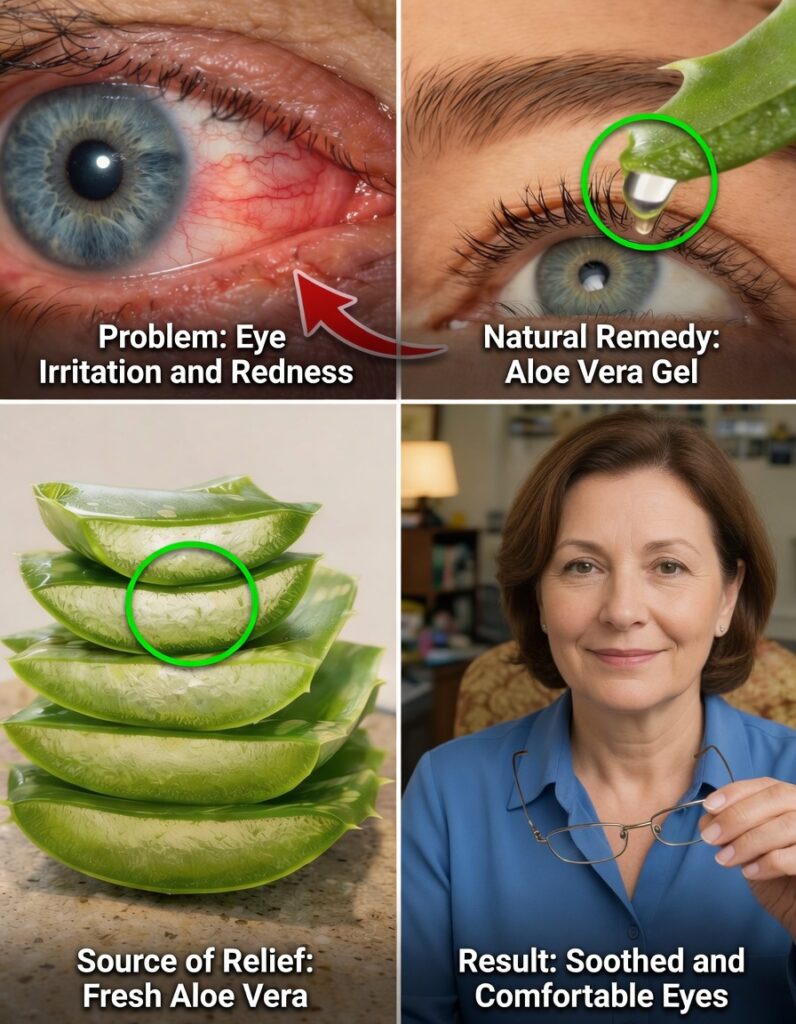
Dry, red, and irritated eyes affect millions of people worldwide, turning routine tasks—reading, staring at a monitor, driving, or even relaxing—into an uncomfortable struggle. Many describe the classic “gritty” or burning feeling that tends to flare up with age, long hours of screen time, air conditioning, heating, wind, or dry climates. Not surprisingly, surveys consistently show that a large share of adults experience recurring eye discomfort, underscoring how widespread dry-eye symptoms have become in modern life.
Could a well-known, traditional plant like aloe vera play a supportive role in easing these symptoms? Early scientific interest and small clinical observations suggest that carefully formulated aloe vera extracts may help support eye comfort. Below, you’ll find an evidence-informed look at how it may work, what to consider in real life, and the key safety rules that matter most if you’re thinking about trying it.
The Rising Problem of Dry, Irritated Eyes
Dry-eye discomfort commonly shows up as:
- Redness
- Stinging or burning
- A sandy/foreign-body sensation
- Watery eyes (often a reflex response to irritation)
- Blurred or fluctuating vision, especially during screen use
Research estimates that millions of adults in the U.S. alone experience dry-eye symptoms regularly. The increase is often linked to tear-film instability and ocular surface stress driven by:
- Digital device overuse (reduced blink rate and incomplete blinking)
- Aging (changes in tear production and quality)
- Environmental triggers (wind, smoke, dry air, pollution)
- Lifestyle factors (sleep disruption, dehydration, certain medications)
This discomfort can chip away at concentration, productivity, and sleep. Rubbing your eyes may feel relieving for seconds, but it can worsen irritation and inflammation over time. While many people rely on over-the-counter artificial tears, others report drawbacks such as short-lived results or sensitivity to preservatives. That gap is one reason interest in gentler, plant-derived options—including aloe vera—continues to grow.
How Aloe Vera May Help Support Eye Comfort
Aloe vera gel naturally contains polysaccharides, vitamins, minerals, and other bioactive compounds associated with hydration and soothing effects in skin care. When it comes to eye comfort, the interest is not in applying raw gel directly to the eye, but in filtered, low-concentration aloe extracts used in sterile ophthalmic products.
Lab and early clinical observations suggest a few plausible supportive mechanisms:
- Moisture retention: Aloe-derived polysaccharides may help support hydration and stabilize the tear film.
- Soothing effect: Certain compounds are associated with calming visible irritation.
- Inflammation-related markers: Small studies involving aloe-enhanced lubricants have reported improvements in measures linked to ocular surface stress over time.
Some investigations have looked at aloe vera combined with common lubricating agents such as hyaluronate or hypromellose, noting improvements in symptom reports and ocular surface findings after consistent use. These results are promising, but they do not prove aloe vera is a cure, and outcomes can vary from person to person.

Potential Benefits (Supportive, Not Curative)
Based on in vitro findings and small-scale clinical observations, aloe vera in properly prepared eye formulations is discussed for these potential supportive roles:
- Hydration support: Polysaccharides may help reduce dryness by supporting moisture balance.
- Redness calming: Plant-derived compounds may help reduce the appearance of irritation for some users.
- Relief from burning/grittiness: A gentle soothing effect may improve daily comfort.
- Antioxidant support: Naturally occurring vitamins and related compounds may help counter everyday oxidative stress linked to screens and environmental exposure.
- Care for skin around the eyes: Aloe is widely used to soften dry skin, which may help the delicate under-eye area look less fatigued.
Important: these are supportive possibilities, not guarantees, and they rely on sterile, ophthalmic-grade preparations, not homemade use.
Real-World Experiences: What People Commonly Report
People who work long hours on computers or struggle during seasonal changes often look for options that feel mild and non-irritating. Some users of aloe vera-containing eye products report:
- A cooling sensation
- Less “scratchy” discomfort over time
- Gradual improvement when used consistently
Anecdotes are not the same as clinical evidence, but they do match aloe’s established reputation for hydration and soothing in other contexts. Another frequent interest is the skin around the eyes—aloe’s amino acids and trace minerals are often mentioned in cosmetic use for improving the look of dryness and tiredness.
Quick Comparison: Common Approaches vs. Aloe Vera Considerations
-
Dryness
- Common option: Artificial tears
- Aloe vera angle: Polysaccharide-based hydration support (in sterile formulas)
-
Redness
- Common option: Cool compress
- Aloe vera angle: Plant-based soothing compounds (again, formulation matters)
-
Irritation
- Common option: Antihistamine drops (when allergy-related)
- Aloe vera angle: Gentle comfort support for mild irritation (not a substitute for allergy treatment)
-
Daily maintenance
- Common option: Humidifier, screen breaks
- Aloe vera angle: Targeted lubrication support as part of a broader routine
How to Try Aloe Vera Safely (Practical Checklist)
If you want to explore aloe vera for eye comfort, safety should guide every step:
- Choose commercial, sterile products only
- Look for ophthalmic-grade eye drops or eye gels that list aloe vera extract (often paired with hyaluronate for lubrication and stability).
- Patch test first
- Test a small amount on the inner arm to screen for sensitivity.
- Follow directions exactly
- Use the labeled dosage (often 1–2 drops per eye as directed).
- Use aloe around the eyes cautiously
- If using a gel for the under-eye area, keep it outside the eye and away from the lash line to reduce accidental exposure.
- Never put raw, home-extracted aloe gel in your eyes
- Homemade gel is not sterile and may contain irritants or contaminants.
- Give it time
- Studies that reported benefits typically involved consistent use over weeks, not overnight changes.

Safety Rules You Should Not Ignore
Even though filtered, low-concentration aloe in eye formulations appears generally well-tolerated in early research, direct exposure to unprocessed aloe gel can cause:
- Burning or stinging
- Increased redness
- Allergic reactions or sensitivity
- Higher infection risk (non-sterile material near the eye)
Before adding any new eye product, speak with an eye care professional—especially if you:
- Wear contact lenses
- Use prescription eye medications
- Have glaucoma, chronic dry eye, blepharitis, or autoimmune conditions
- Are over 40 and symptoms are persistent or worsening
- Notice pain, light sensitivity, discharge, or vision changes (these need prompt evaluation)
Final Takeaway: Is Aloe Vera Worth Considering?
Aloe vera is an interesting natural ingredient for supporting eye comfort in the context of dryness, redness, and irritation—particularly when used in sterile, professionally formulated eye products. Emerging studies suggest hydration and soothing potential, especially when combined with standard lubricating ingredients. For best results, pair any product approach with proven habits such as screen breaks, blinking awareness, hydration, and environmental control (like humidifiers).
Frequently Asked Questions
Is aloe vera safe to use around the eyes?
Aloe vera may be tolerated when it’s part of a sterile, commercially prepared ophthalmic product. Avoid placing raw aloe gel directly into the eyes, as it can irritate and is not sterile.
How long does it take to notice improvements?
Some research observations report changes after weeks to months of consistent use. Timing depends on the cause of symptoms, the product formulation, and individual sensitivity.
Can aloe vera replace prescription eye treatment?
No. Aloe vera may provide support for mild discomfort, but it should not replace professional diagnosis or prescribed therapies.
Disclaimer: This content is for informational purposes only and does not replace medical advice. Always consult a qualified eye care professional for personalized guidance.