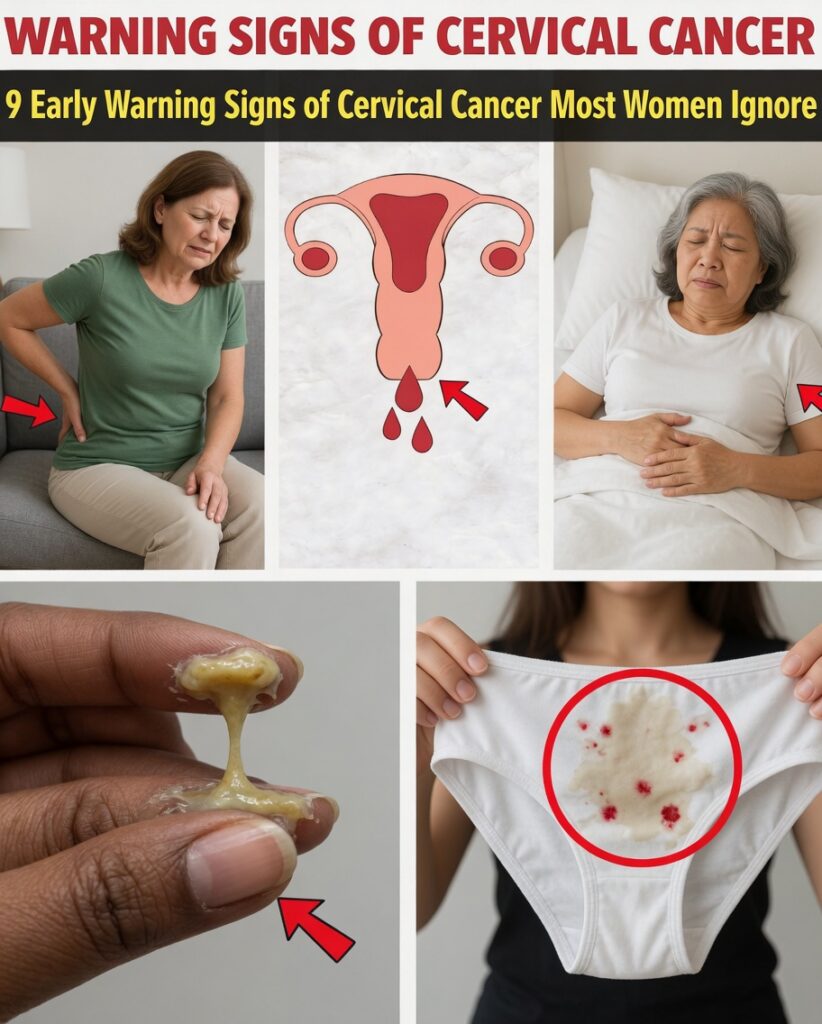
Cervical Cancer: Subtle Symptoms Many Women Miss (and What to Do Next)
Cervical cancer impacts thousands of women every year, and it often advances quietly because early changes can be easy to overlook. Mild symptoms may feel like everyday issues—stress, hormonal shifts, or normal aging—so it’s common to ignore them until the condition has progressed.
Early detection makes a major difference. The National Cancer Institute reports that when cervical cancer is found at an early, localized stage, the 5-year relative survival rate is about 91%. That’s why routine cervical cancer screening and paying attention to your body’s signals are so important—especially since noticeable symptoms often show up later.
If you’ve had small, persistent changes that don’t feel “quite right,” they may be worth a closer look. Below are commonly missed signs highlighted by trusted sources such as the American Cancer Society, Mayo Clinic, and the National Cancer Institute, along with practical steps you can take to protect your health.
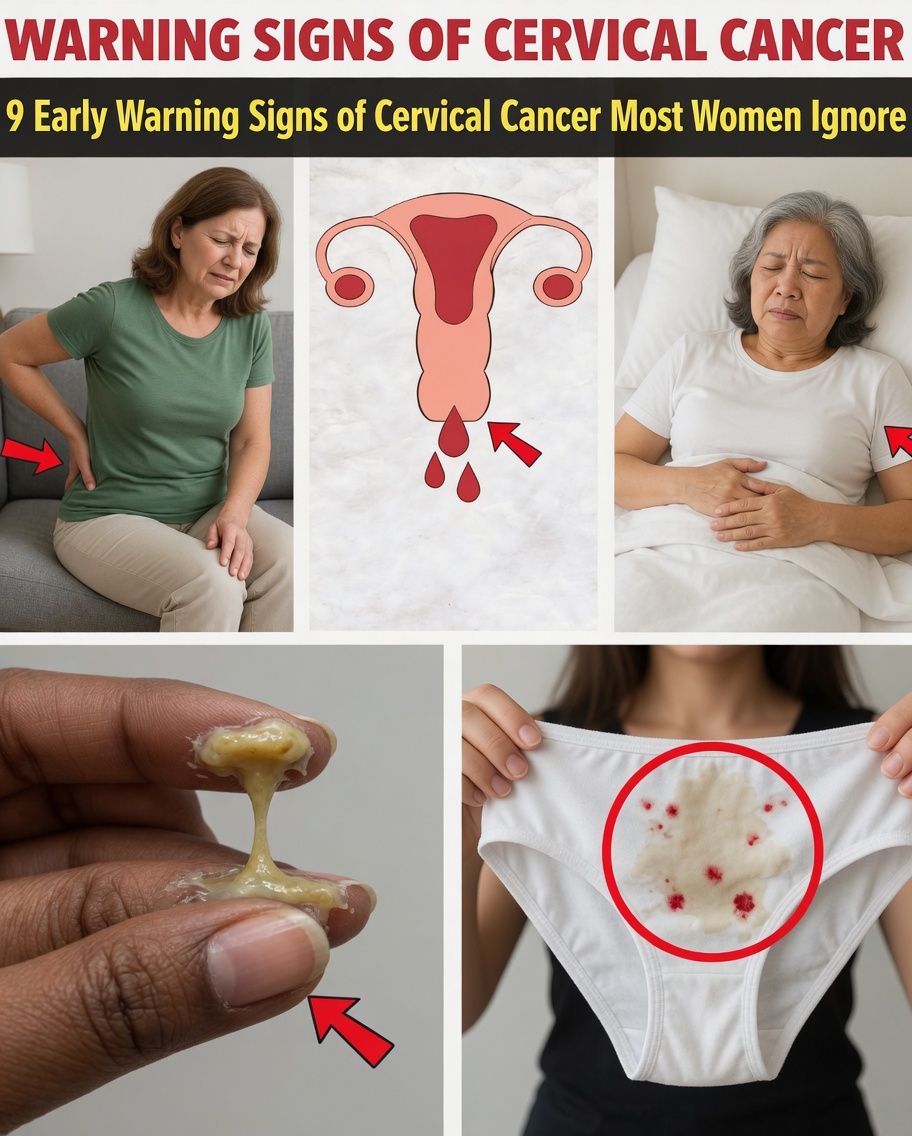
Why Cervical Cancer Can Go Unnoticed for Years
Cervical cancer usually develops gradually over many years. In most cases, it begins with cell changes caused by human papillomavirus (HPV)—an extremely common virus that roughly 80% of sexually active people encounter at some point.
In the earliest stages, cervical changes often cause no obvious symptoms, which is why the disease is sometimes described as “silent.” Subtle shifts can also be misread as:
- A minor infection
- Perimenopause or cycle changes
- Stress, fatigue, or a busy lifestyle
The positive news: combining awareness, preventive care, and regular screening can catch precancerous changes early—often before they become invasive.
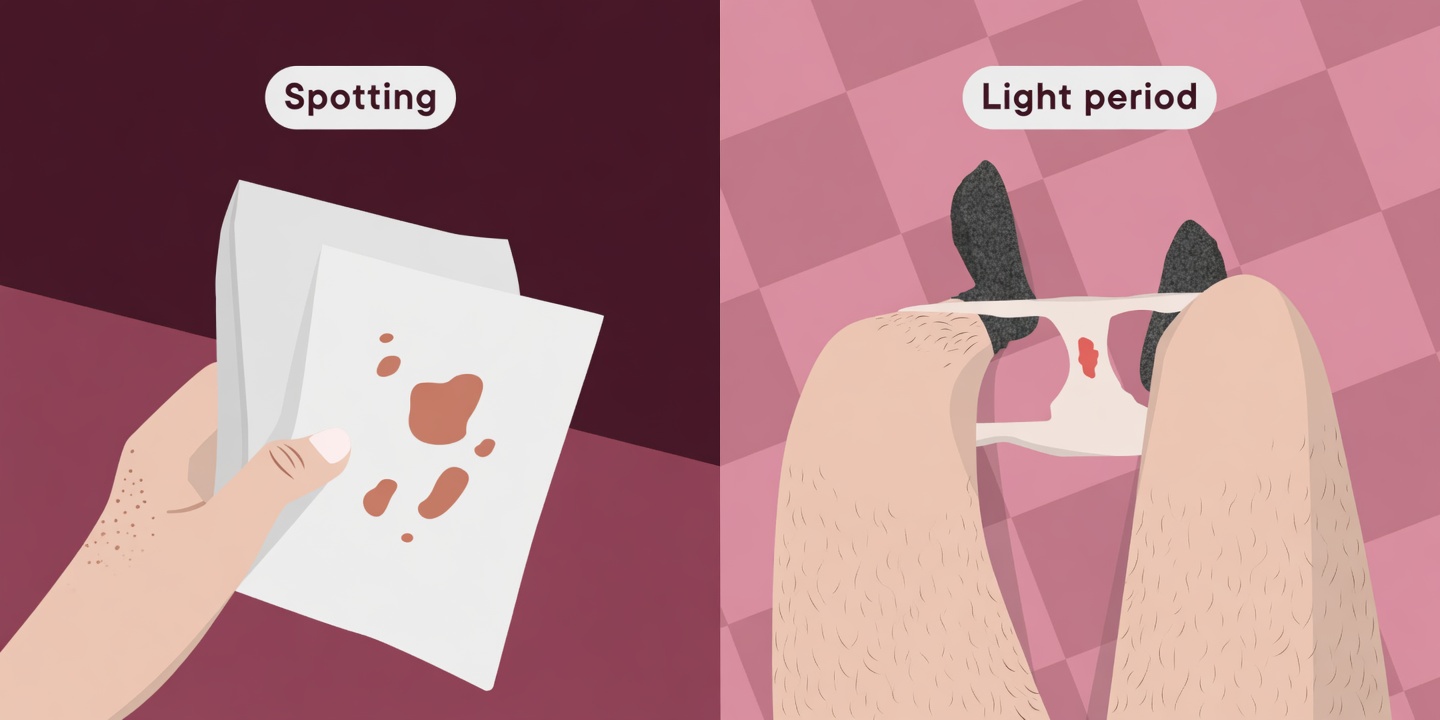
Sign #1: Abnormal Vaginal Bleeding (A Common Early Warning)
Among the earliest and most frequently reported symptoms, the American Cancer Society notes that unusual vaginal bleeding appears in many diagnosed cases. Warning patterns may include:
- Spotting or bleeding between periods
- Bleeding after sex
- Bleeding after menopause
- Periods that suddenly become heavier or last longer than normal
This can happen because abnormal cervical tissue is more fragile and may bleed with minor contact or hormonal fluctuation. Many women assume it’s irritation or a temporary cycle shift—but ongoing or repeated bleeding deserves medical attention.
A helpful self-check: if your concern is more than a 5 out of 10, it’s worth discussing with a clinician rather than waiting.
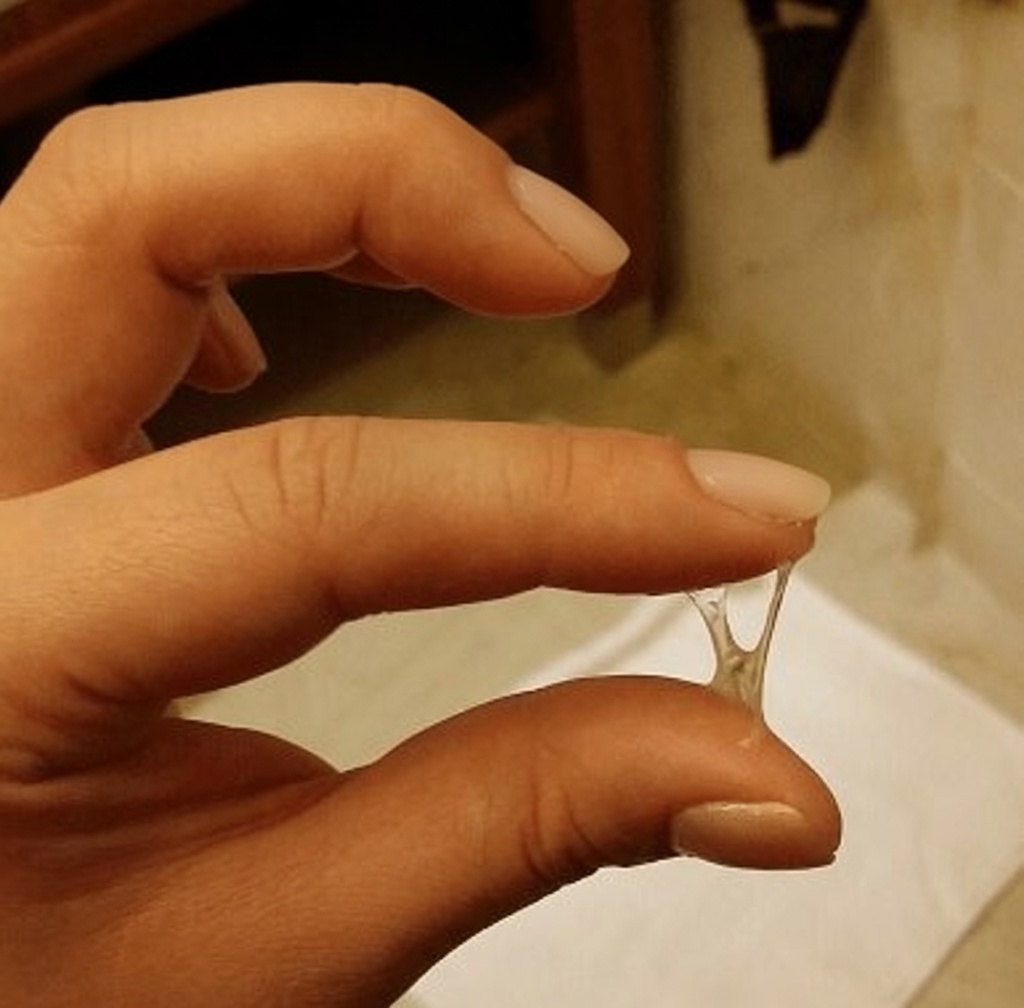
Sign #2: Persistent Unusual Vaginal Discharge
The Mayo Clinic lists changes in vaginal discharge as another potential sign. Typical discharge is often clear or white and mild-smelling. More concerning discharge may be:
- Noticeably watery or heavier than usual
- Pink, brown, or blood-tinged
- Strong-smelling, unpleasant, or persistent without a clear cause
These changes can occur when abnormal cells produce extra fluid or when tissue becomes irritated and breaks down. Not every discharge change is serious—but when the pattern continues for weeks, it’s a strong reason to get checked.
Sign #3: Ongoing Pelvic Pain or Lower Back Pain
This discomfort is often described as deep, dull, and persistent, not like typical cramps or a temporary muscle strain. Research suggests that as abnormal growth affects nearby nerves or tissues, a significant portion of women experience this type of pain.
Key red flags include pain that:
- Lingers day after day
- Doesn’t improve with rest, heat, or common pain relievers
- Appears alongside bleeding or discharge changes
If pelvic or lower back pain is new, unexplained, and ongoing, it’s time to look beyond “normal life aches.”
Sign #4: Pain During or After Sex (Dyspareunia)
Painful intercourse—especially when it’s a new change—can be a meaningful clue. Mayo Clinic notes that discomfort may feel:
- Deep and aching, or sharp
- Worse with certain positions
- Sometimes followed by spotting or bleeding
This can happen when cervical tissue becomes inflamed, irritated, or fragile. Many non-cancer causes can also lead to pain with sex, but getting evaluated helps rule out serious issues and identify treatable conditions.
Sign #5: Extreme Fatigue That Doesn’t Improve With Rest
Persistent, heavy fatigue is one of the most overlooked symptoms. The National Cancer Institute notes that cancer-related tiredness can appear early, sometimes linked to ongoing low-level bleeding that contributes to anemia.
This type of fatigue is different from everyday tiredness. It’s often:
- Overwhelming and constant
- Not explained by sleep, workload, or activity
- Still present even after rest
If fatigue is intense and persistent—especially with other symptoms—it’s a sign to seek medical guidance rather than pushing through.
Signs #6–9: Additional Symptoms That Often Cluster Together
As cervical changes become more significant, other symptoms may appear—often in combination:
- Unexplained weight loss, such as losing more than 10 pounds without diet or exercise changes
- Swelling or pain in one or both legs, which can occur due to pressure on drainage pathways
- Urinary changes, including frequent urges, pain, or blood in the urine
- Bowel habit changes, such as persistent constipation, thinner stools, or rectal bleeding
These are more commonly linked with later-stage involvement, but they can sometimes show up earlier. If multiple symptoms are happening at once, it’s especially important to act promptly.
What to Do Now: Practical Steps to Protect Your Cervical Health
You can take control with a few consistent, evidence-based habits:
- Book regular cervical cancer screening
- Ages 21–29: Pap test every 3 years
- Ages 30–65: Pap + HPV co-testing every 5 years, or Pap alone every 3 years (based on current major guidelines)
- Ask about the HPV vaccine if you’re eligible
- Commonly recommended up to age 26, and sometimes later depending on personal factors and medical history
- Track symptoms for one month
- Note any bleeding, discharge changes, pelvic pain, pain with sex, and energy level shifts
- Avoid smoking
- Smoking increases vulnerability to cervical cell changes and reduces the body’s ability to clear HPV
- Don’t wait if symptoms persist
- If two or more symptoms continue or worsen, contact a healthcare provider this week—early evaluation often leads to reassurance or timely treatment
Final Thoughts: Listen to Your Body’s Signals
Cervical cancer is among the more preventable cancers thanks to screening, HPV vaccination, and early awareness. Recognizing potentially early signs—such as abnormal bleeding, unusual discharge, persistent pelvic pain, painful intercourse, and unexplained fatigue—can lead to earlier care and better outcomes.
Many of these symptoms are caused by non-cancer conditions, but getting evaluated can provide clarity and peace of mind. A small step today—scheduling a screening or noting symptom patterns—can be a powerful investment in your future health.
Frequently Asked Questions
What causes most cervical cancer cases?
Nearly all cases are linked to long-term infection with high-risk HPV types, which are spread through intimate contact.
How often should cervical cancer screening be done?
Most guidelines recommend starting Pap tests at age 21, with screening typically every 3–5 years depending on age, test type, and results.
Can the HPV vaccine still help if I’m over 26?
It works best before HPV exposure, but some adults over 26 may still benefit. Discuss your situation with a healthcare professional.
Medical Disclaimer
This article is for informational purposes only and does not replace professional medical advice. Always consult a qualified healthcare provider about symptoms or health concerns. Early screening and awareness can save lives.