Warts and Hydrogen Peroxide: Does It Help, and How to Use It Safely?
Warts may be small, but the irritation, self-consciousness, and anxiety about spreading them can feel surprisingly big. Their rough surface, ongoing itch, and stubborn nature often push people to try quick at-home options—hydrogen peroxide being one of the most common.
But can hydrogen peroxide actually help with wart care, and what’s the safest way to use it? Keep reading—near the end, you’ll find an overlooked takeaway that many people miss when treating warts at home.
Understanding Warts: What They Are and Why They Show Up
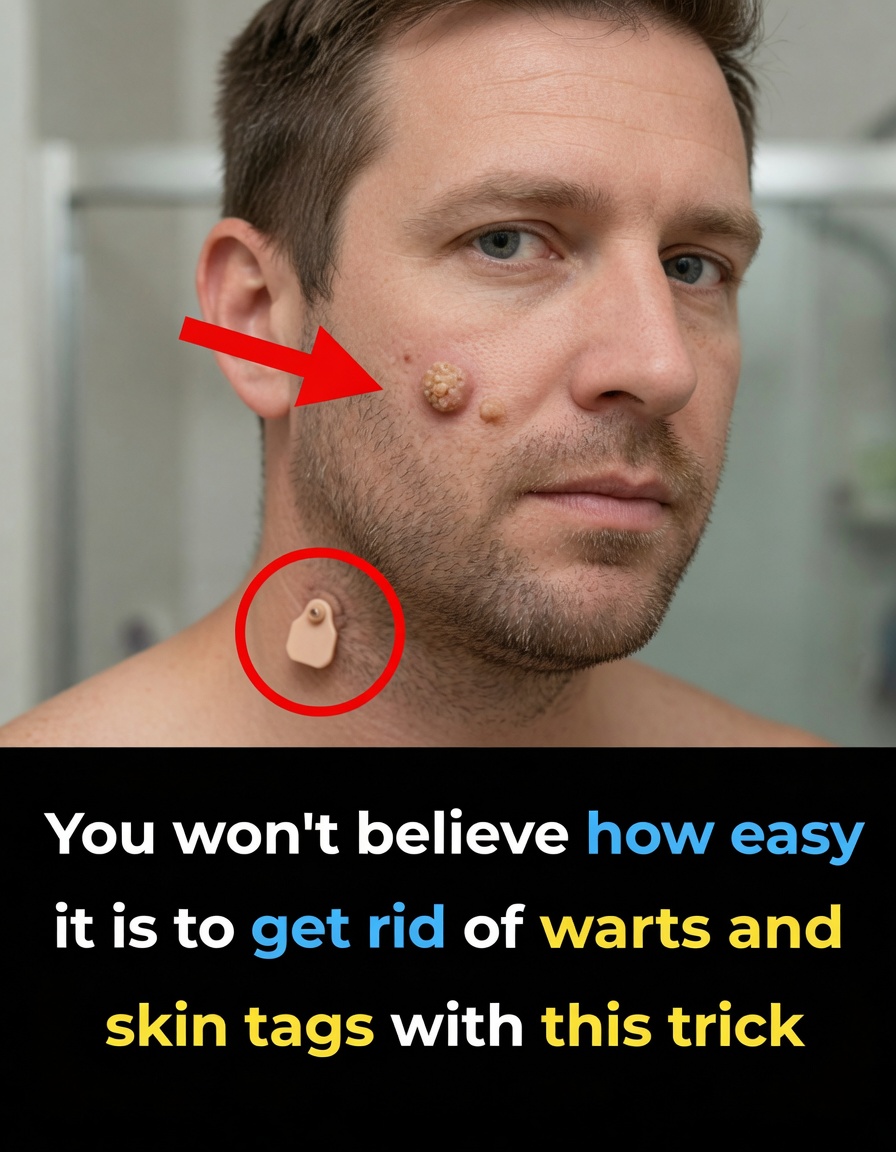
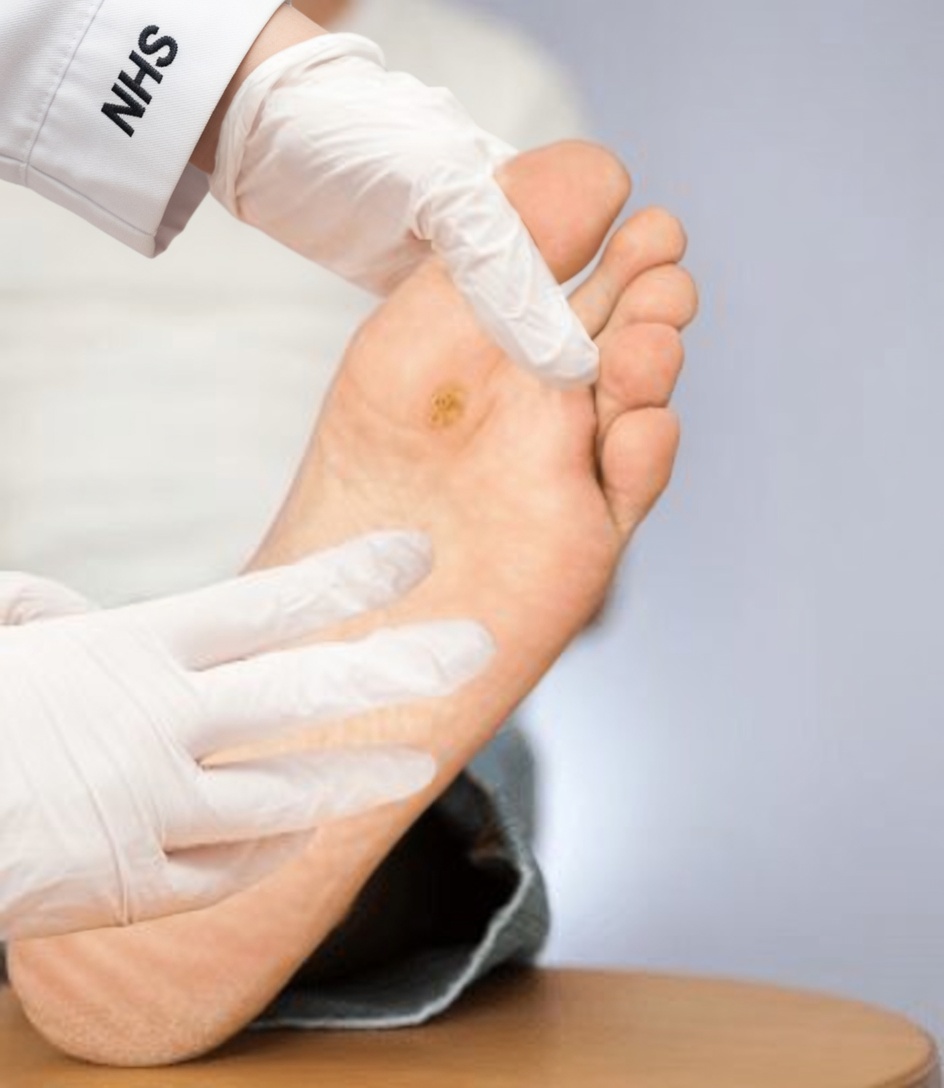
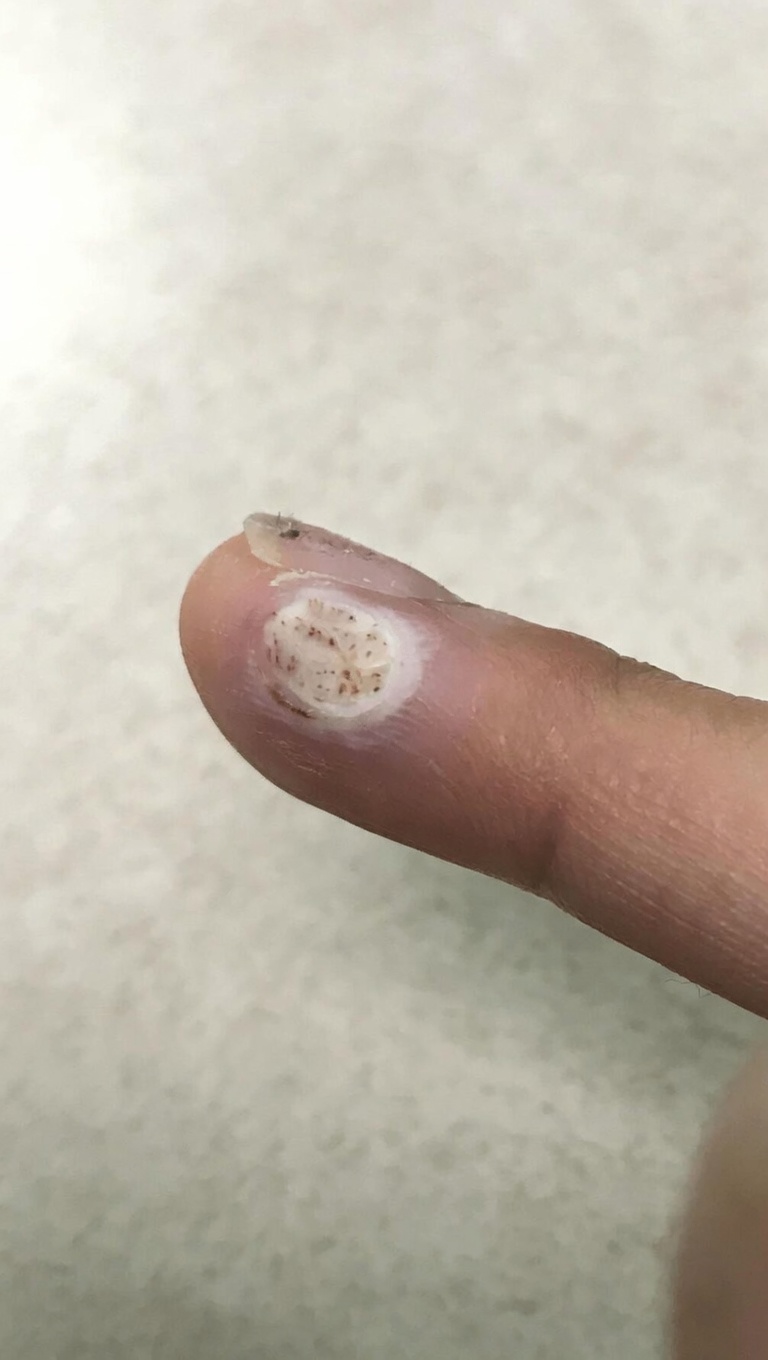
Warts are small, non-cancerous skin growths caused by specific types of human papillomavirus (HPV). The virus typically enters through tiny cuts or micro-breaks in the skin, then stimulates rapid cell growth in the outer skin layer.
Dermatology sources note that warts are common and often harmless, but they can spread through direct skin contact or via shared surfaces (like floors, towels, or gym equipment). They can develop on the hands, feet, and other areas, and they differ widely in size and texture.
The most important point: HPV triggers warts, but your skin barrier and immune response strongly influence whether they form, persist, or fade.
That’s why home methods—like hydrogen peroxide—often come up in self-care discussions.
What Is Hydrogen Peroxide?
Most pharmacies sell hydrogen peroxide as a 3% solution, widely used to disinfect minor cuts and scrapes. When applied to skin, it releases oxygen and creates a bubbling reaction. That bubbling can help lift debris and lower surface-level microbial contamination.
Because hydrogen peroxide has antimicrobial activity and a mild exfoliating effect, some people try it as a supportive approach for managing warts at home—even though it’s not marketed as a primary wart treatment.
I. How Hydrogen Peroxide Might Support Wart Care
Hydrogen peroxide is not considered a first-line wart treatment. Still, people use it for a few potential benefits.
1. Antimicrobial Support for Surface Hygiene
Hydrogen peroxide creates an oxidative environment that may help reduce microbes on the skin surface.
- May reduce surface-level microbial load
- May help limit secondary bacterial irritation around the wart
- Supports overall cleanliness of the affected area
It’s important to be clear: hydrogen peroxide does not remove HPV from your body. However, keeping the area clean may reduce irritation and lower the chance of spreading material to nearby skin.
2. Softening and Lifting Thickened Dead Skin
Many warts develop a hardened outer layer rich in keratin. With careful, consistent use, hydrogen peroxide may help:
- Loosen thickened surface skin
- Soften a rough wart texture
- Encourage gentle surface shedding over time
Dermatology research supports that controlled exfoliation can gradually improve the appearance of thickened skin lesions. The key word is controlled—too much irritation can backfire.
3. Reducing Minor Discomfort Around the Wart (For Some People)
Some users report that cautious application may:
- Ease mild itching
- Help cleanse irritated surrounding skin
- Reduce odor in moist areas (such as the feet)
However, overuse can cause dryness, peeling, and irritation—so moderation matters.
II. How to Use Hydrogen Peroxide for Warts (Step-by-Step)
If you decide to try hydrogen peroxide as part of at-home wart care, prioritize safety and precision. Here’s a careful, structured method.
Step 1: Use the Correct Strength
- Choose 3% medical-grade hydrogen peroxide
- Do not use concentrated or industrial formulas
Higher concentrations can damage healthy tissue.
Step 2: Clean and Dry the Area
- Wash the area with warm water
- Pat dry with a clean towel
Warm water may help soften the surface so the application is more effective and less irritating.
Step 3: Apply Only to the Wart
- Soak a cotton swab or cotton pad with a small amount
- Dab directly onto the wart
- Avoid coating surrounding healthy skin
A targeted application reduces the risk of redness and peeling around the wart.
Step 4: Leave It On Briefly
- Let it sit for 10–15 minutes
- Mild bubbling is expected
If you feel strong burning, pain, or intense stinging, rinse right away.
Step 5: Rinse, Dry, and Moisturize
- Rinse with warm water
- Pat dry gently
- Consider applying a simple moisturizer afterward to reduce dryness
Frequency Guidelines
- Limit use to once or twice daily
- Avoid extended continuous use if your skin becomes irritated
Using it more frequently doesn’t guarantee faster results—and often increases irritation.
Hydrogen Peroxide vs. Salicylic Acid: What’s the Difference?
Salicylic acid is commonly recommended for warts because it gradually breaks down thickened skin. Here’s how the two options generally compare:
- Primary function
- Hydrogen peroxide: surface cleansing + mild exfoliation
- Salicylic acid: breaks down thickened skin more directly
- Softening power
- Hydrogen peroxide: mild
- Salicylic acid: moderate to strong
- Irritation potential
- Hydrogen peroxide: moderate if overused
- Salicylic acid: can cause dryness/peeling
- Clinical support for wart treatment
- Hydrogen peroxide: limited wart-specific evidence
- Salicylic acid: widely supported and commonly recommended
If you want a home method with stronger clinical backing, salicylic acid is typically the more evidence-based choice. Still, some people start with hydrogen peroxide because it feels simpler and more familiar.
III. Safety Guidelines You Should Not Skip
Hydrogen peroxide is designed for minor wound cleansing—not as a dedicated wart medication. Keep these precautions in mind:
1. Stick to 3% Only
Always use the standard 3% pharmacy solution to reduce the risk of chemical irritation.
2. Be Careful with Sensitive Skin
If your skin is reactive, thin, or prone to dermatitis, hydrogen peroxide may worsen irritation.
3. Patch Test Before Using It on a Wart
Apply a small amount to a different area and wait 24 hours.
If you notice burning, swelling, or persistent redness, stop.
4. Do Not Use on Open or Bleeding Skin
Broken skin can sting significantly and may become inflamed.
5. Don’t Overdo It
Overuse may:
- Dry out the area
- Irritate nearby healthy skin
- Slow natural recovery by damaging the skin barrier
Steady and gentle care is safer than aggressive treatment.
6. Support Healing with Smart Skin Habits
Improve your overall results by:
- Keeping the area clean and dry
- Avoiding picking, shaving over, or scratching the wart
- Eating a balanced diet
- Supporting immunity with good sleep and stress management
Here’s the reality: your immune system plays a major role in whether warts resolve over time.
Why Patience Beats “More Product”
Many people expect warts to shrink quickly once they start treatment. In real life, at-home wart care often takes weeks of consistent, gentle attention.
Dermatology findings suggest that gradual skin turnover combined with immune response is what typically improves wart appearance over time. Pushing too hard may simply inflame the area and make it look worse.
This is the commonly overlooked insight: the most effective approach is often not increasing the dose or frequency, but giving your skin time to respond while supporting it properly.
Conclusion
Hydrogen peroxide may provide mild cleansing and softening effects that some people include in an at-home wart care routine. Still, it is not a primary medical treatment for warts, and it will not eliminate HPV from the body.
If you choose to use it, focus on safe concentration (3%), precise application, and realistic expectations. If a wart spreads, persists, becomes painful, or changes in appearance, the safest next step is to consult a healthcare professional.
Frequently Asked Questions
1. Can hydrogen peroxide get rid of warts completely?
It may help clean and soften the surface, but it does not remove HPV from your system. Results vary widely, and complete removal is not guaranteed.
2. How long before I see any changes?
If improvement happens, it usually takes several weeks of careful, consistent use. Rapid results are uncommon.
3. Is hydrogen peroxide safe for warts on children?
Children’s skin is typically more sensitive. It’s best to consult a medical professional before using hydrogen peroxide or any home wart method on a child.
Medical Disclaimer
This content is for informational purposes only and does not replace professional medical advice, diagnosis, or treatment. For persistent, spreading, painful, or concerning skin conditions, consult a qualified healthcare provider.