Cold Weather and Pneumonia: Separating Myth From Medical Facts
For decades, many families have passed down the same warning: going out in the cold will “give you pneumonia.” It sounds logical—cold air feels harsh, you might start coughing, and winter illnesses seem to hit harder. As a result, some people overdress, avoid outdoor air, or panic after being caught in chilly rain.
Modern medicine is clear, though: cold weather does not directly cause pneumonia. This belief is a long-standing myth that can pull attention away from the real threats. Pneumonia is caused by infectious germs (and a few non-weather-related factors)—and once you understand what truly drives it, you can protect your lungs far more effectively, in any season.
What Pneumonia Actually Is
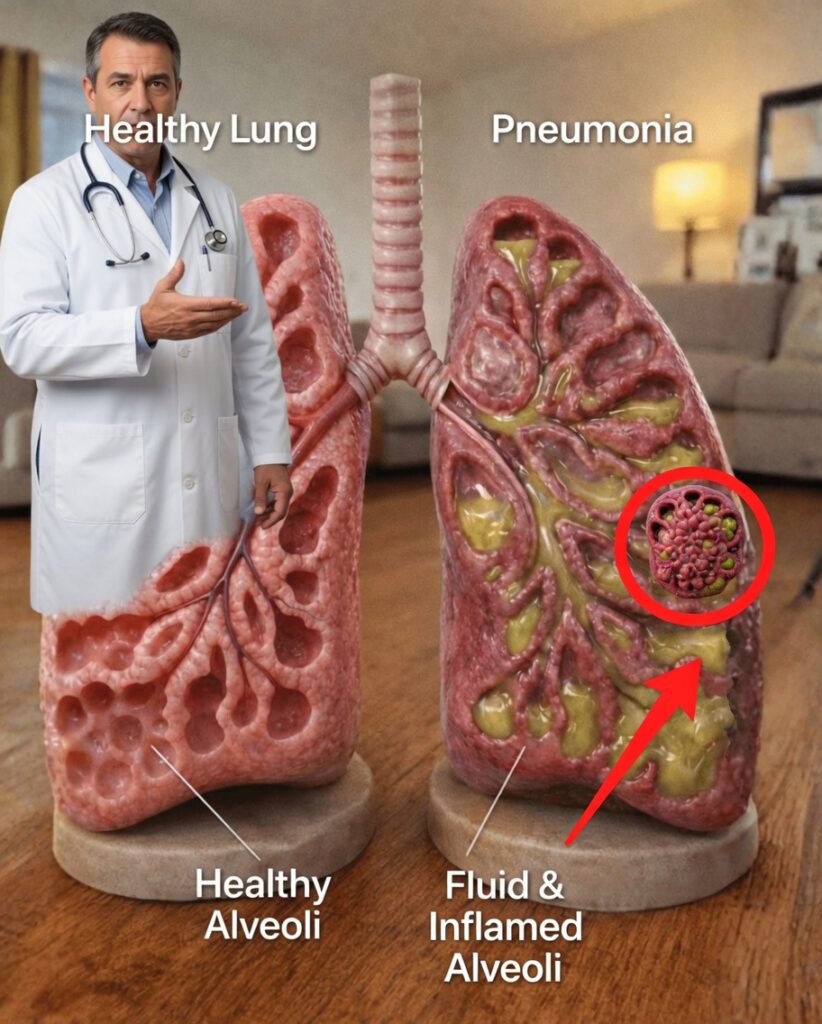
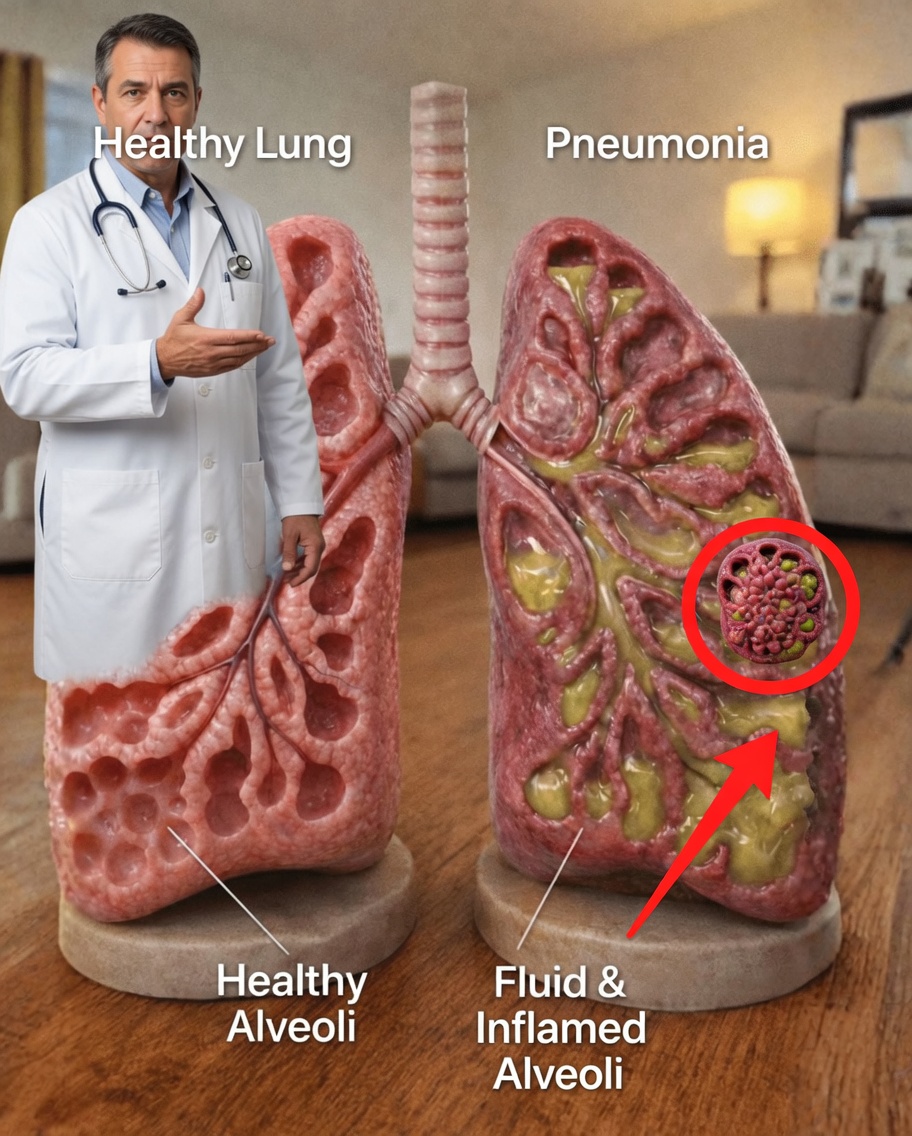
Pneumonia is a lung infection that inflames the air sacs (alveoli) in one or both lungs. These tiny sacs may fill with fluid or pus, which can lead to:
- Trouble breathing
- Less oxygen reaching the bloodstream
- Cough, fever, and chest discomfort
Pneumonia can be mild, but it can also become severe or even life-threatening—especially in young children, older adults, and people with weakened immune systems. Importantly, pneumonia can happen at any time of year, not only in winter.
The Myth: Cold Air Directly Causes Pneumonia
You’ve likely heard statements like:
- “Don’t go outside without a coat, or you’ll get pneumonia.”
- “Wet hair in the cold will make you sick in the lungs.”
But temperature alone can’t infect your lungs. Being cold may feel uncomfortable, yet it does not create pneumonia by itself. You do not develop pneumonia simply from:
- Breathing cold air
- Getting rained on
- Walking barefoot on a cold surface
- Sleeping near a fan or air conditioner
These ideas are common, but they don’t match what medical research shows. Pneumonia starts with pathogens—not weather.
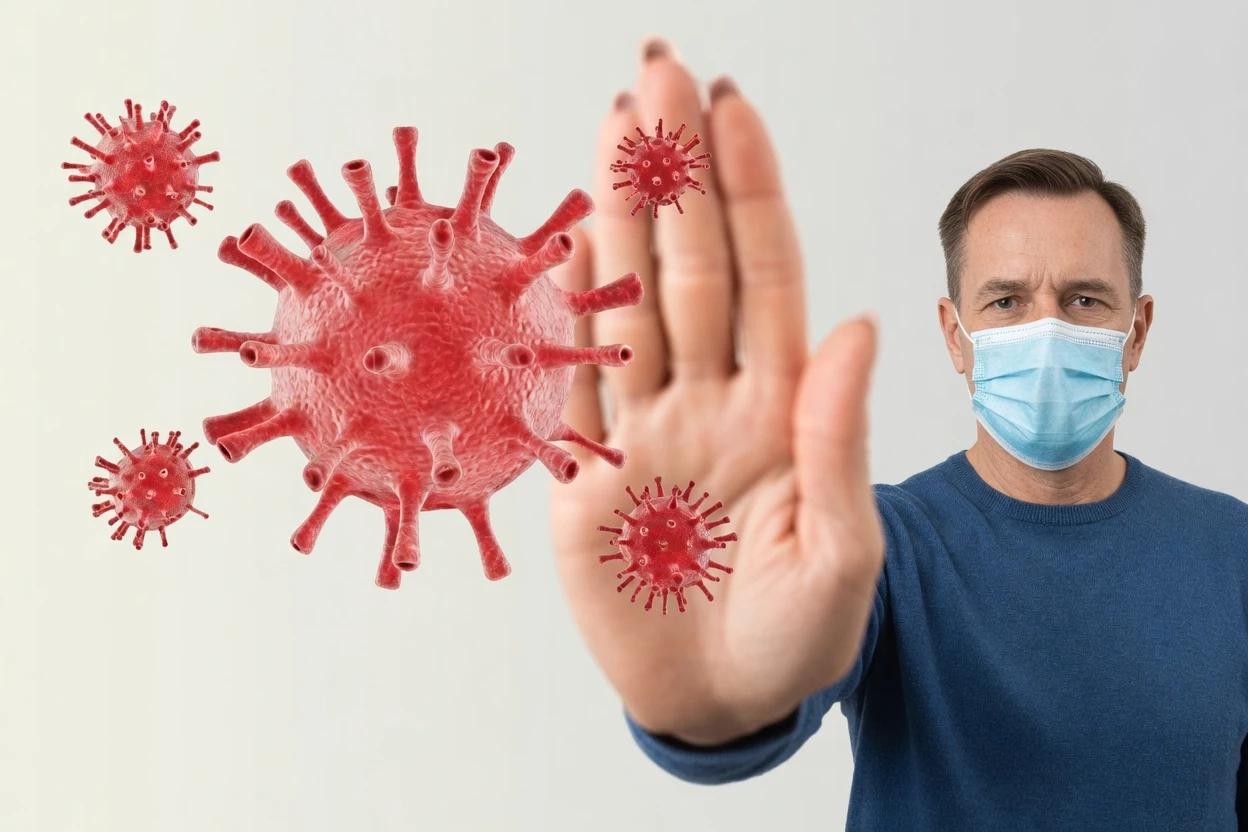
The Real Causes of Pneumonia
Pneumonia occurs when microorganisms (or inhaled material) reach the lungs and trigger infection or inflammation. The most common causes include:
-
Bacteria (a leading cause in adults)
One of the most frequent bacterial sources is Streptococcus pneumoniae. Bacterial pneumonia often appears after a viral illness (like a cold or flu), when the respiratory system is already irritated and more vulnerable. -
Viruses
Influenza (flu), RSV, and SARS-CoV-2 (COVID-19) can cause viral pneumonia directly. Viral infections may also weaken the airways and set the stage for secondary bacterial pneumonia, which can be more serious. -
Fungi
Fungal pneumonia is less common overall but can affect people with compromised immunity. Exposure can come from certain environments such as soil or bird droppings. -
Aspiration
This happens when food, liquid, saliva, or vomit is inhaled into the lungs. Aspiration pneumonia is more likely in people with swallowing problems, neurological conditions, or heavy alcohol use.
The main point remains: cold air does not “create” pneumonia—pathogens (and aspiration) do.
Why Pneumonia Feels More Common in Winter
Winter does matter—but mostly indirectly. Pneumonia and other respiratory infections often rise in colder months because conditions make it easier for germs to spread and for airways to become irritated.
Key winter-related drivers include:
-
More time indoors and closer contact
Crowded indoor spaces increase exposure to cough and sneeze droplets. -
Seasonal virus surges
Flu, RSV, and other respiratory viruses circulate heavily in winter, raising the chances of infection and complications. -
Dry air and irritated airways
Cold air tends to be low in humidity, which can dry out nasal passages and reduce some of the body’s natural filtering and defense mechanisms. -
Immune strain from lifestyle shifts
Less sunlight may reduce vitamin D levels for some people, and disrupted sleep or lower activity can affect overall resilience.
Bottom line: winter doesn’t cause pneumonia, but it can create an environment where respiratory germs spread more easily.
Who Is at Higher Risk of Pneumonia?
Anyone can get pneumonia, but certain groups are more likely to become seriously ill, including:
- Adults 65+ and children under 5
- People who smoke or vape
- Individuals with chronic conditions (such as asthma, COPD, heart disease, diabetes)
- People with weakened immune systems (from illness or medications)
- Anyone recovering from the flu, a severe cold, or another respiratory infection
- Hospitalized, bedridden, or long-term care patients
If you fall into a higher-risk category, prevention and early care matter even more.
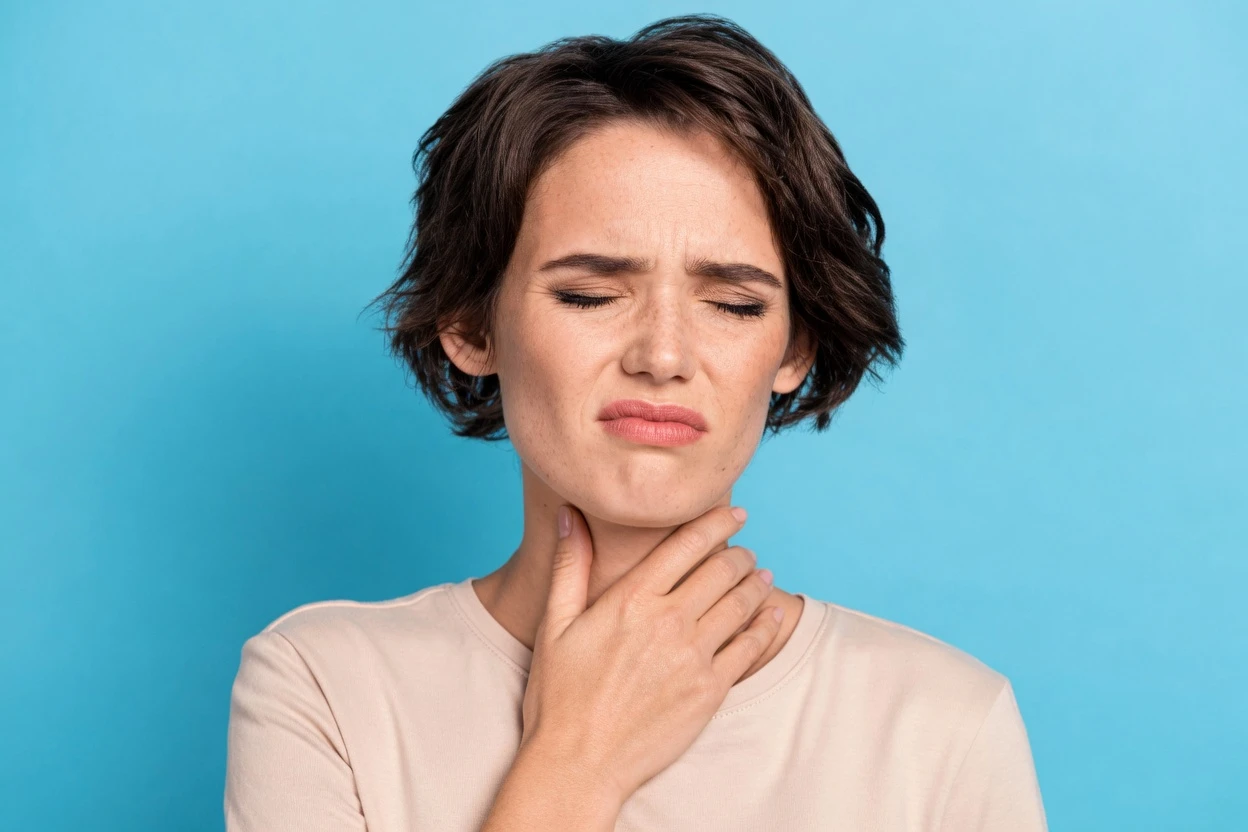
Pneumonia Symptoms You Shouldn’t Ignore
Pneumonia can begin like a typical cold or flu, which is why paying attention to symptoms is so important. Watch for:
- A persistent cough (sometimes with yellow/green mucus or blood-tinged sputum)
- Fever, chills, and sweating
- Shortness of breath—even while resting
- Chest pain that worsens with breathing or coughing
- Extreme fatigue, weakness, or confusion (often more noticeable in older adults)
- Rapid breathing or fast heartbeat
In small children and seniors, signs may be less obvious (for example, poor feeding, unusual sleepiness, or sudden confusion). If symptoms seem concerning or atypical, seek medical guidance promptly.
How to Protect Your Lungs (What Actually Works)
Instead of relying on myths, focus on evidence-based habits that reduce your risk of pneumonia and severe respiratory infections:
-
Stay up to date on vaccines
- Pneumococcal vaccination (especially important for older adults and people with specific risk factors)
- Annual flu shot
- COVID-19 vaccination/boosters as recommended
Vaccines help lower the risk of severe disease and pneumonia-related complications.
-
Treat respiratory infections seriously
Rest, hydrate, and manage symptoms appropriately. If a cold or flu worsens, lingers, or becomes unusual, get medical advice rather than “pushing through.” -
Support immune health consistently
- Aim for 7–9 hours of sleep
- Eat nutrient-dense foods (fruits, vegetables, whole foods)
- Manage stress (walking, breathing exercises, mindfulness)
- Consider vitamin D sources if appropriate (sun exposure, fortified foods, or supplements under medical guidance)
-
Avoid smoking and secondhand smoke
Smoking damages lung tissue and weakens natural defense systems. Quitting is one of the most powerful steps for long-term lung health. -
Use everyday hygiene to reduce germ spread
- Wash hands regularly with soap and water
- Cover coughs/sneezes
- Limit close contact with sick people when possible—especially during peak virus seasons
These strategies are simple, practical, and effective in every season.
When to Seek Medical Help Immediately
Get urgent medical care if you or someone you’re caring for has:
- Severe difficulty breathing
- Blue or gray lips/fingertips
- A persistent high fever
- Strong or worsening chest pain
- Sudden confusion, fainting, or extreme weakness
With timely diagnosis and treatment, pneumonia is often manageable—waiting too long is what increases danger.
Key Takeaway
Cold weather does not cause pneumonia. Pneumonia comes from bacteria, viruses, fungi, or aspiration. Winter simply increases risk by boosting germ circulation, indoor exposure, and airway irritation—not because the air is cold.
Replacing outdated beliefs with science-backed prevention—vaccination, hygiene, immune support, and early response to symptoms—is the best way to protect your lungs.
FAQ
-
Can you get pneumonia in summer?
Yes. Pneumonia can develop in any season because the causes (bacteria, viruses, fungi, aspiration) exist year-round. -
Do healthy adults under 65 need the pneumococcal vaccine?
Ask your healthcare provider. It’s routinely recommended at 65+, but certain medical conditions or risk factors may justify earlier vaccination. -
Does wearing a scarf prevent pneumonia in winter?
Not directly. A scarf won’t block germs, but staying warm and comfortable may help you feel better and support general well-being.
Disclaimer
This article is for informational purposes only and is not a substitute for professional medical advice. Consult a qualified healthcare provider for personalized guidance on symptoms, risk factors, testing, and vaccinations.