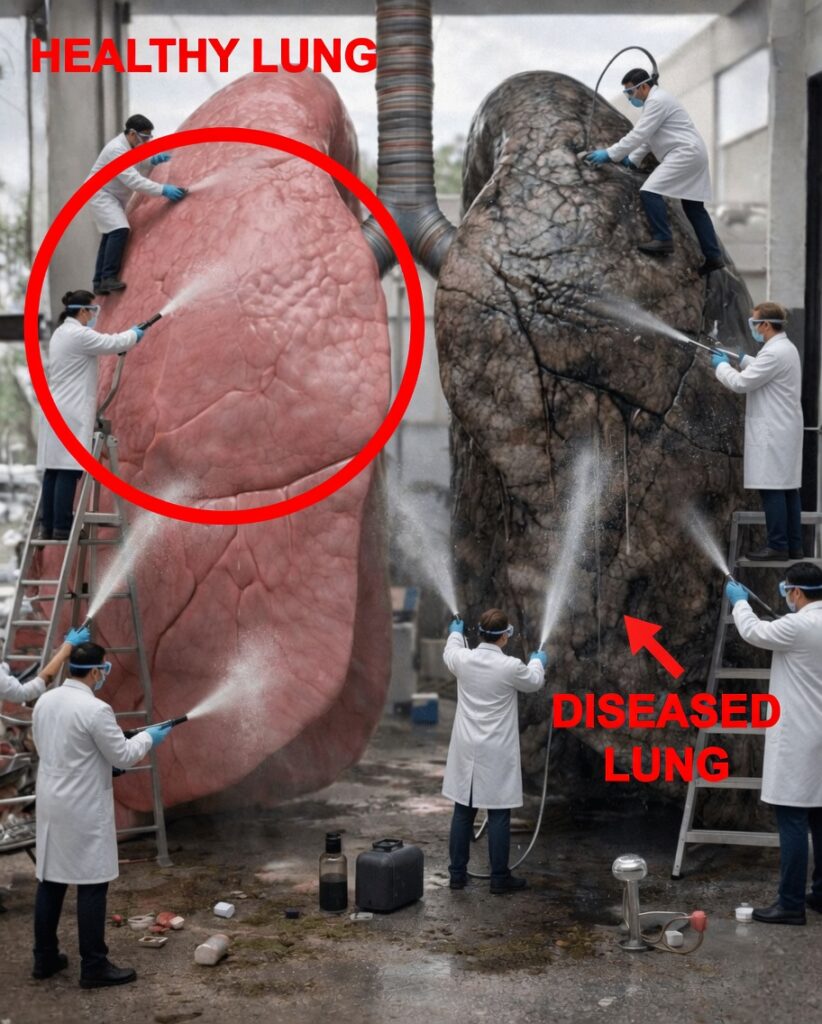
Breathe Better Every Day: 8 Practical Ways to Support Lung Health Naturally
Your lungs work nonstop, quietly fueling your body by moving oxygen to every cell while helping keep harmful particles out. Because breathing usually feels automatic, many people don’t pay attention to lung health until they notice shortness of breath, low energy, or persistent irritation. Over time, exposure to tobacco smoke, air pollution, poor indoor air quality, and everyday neglect can gradually reduce how efficiently your lungs perform.
The uplifting part is that supporting healthy lungs doesn’t require expensive devices, extreme routines, or complicated plans. A few consistent, realistic daily habits can help preserve lung function and make breathing feel easier for years to come.
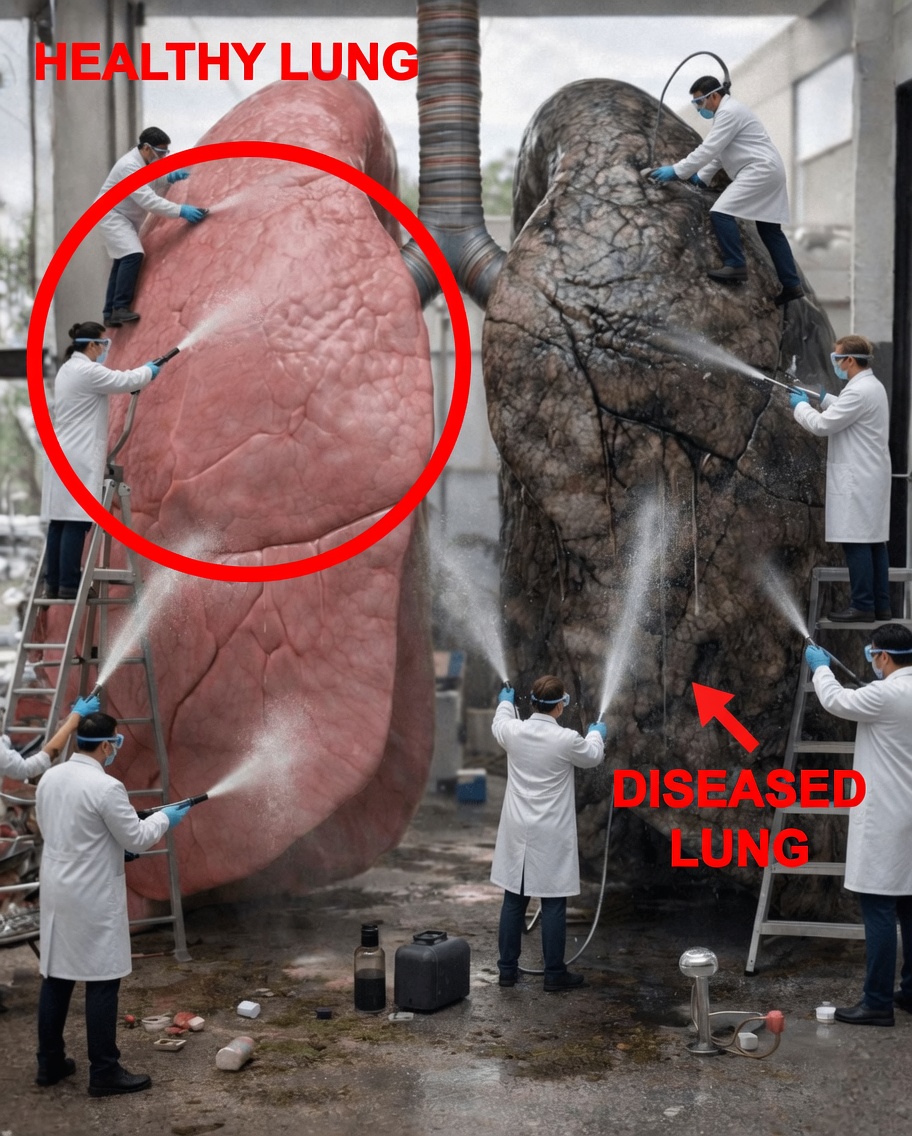
1. Stop Smoking—and Avoid Secondhand Smoke
If you smoke, quitting is the most powerful step you can take for your lungs. Smoking remains one of the leading preventable causes of lung damage globally, harming sensitive lung tissue and raising the risk of serious respiratory conditions over time. Even if you’ve never smoked, secondhand smoke still matters—brief exposure can inflame airways and reduce breathing efficiency.
The encouraging news: lung function often begins improving within weeks of quitting or removing smoke exposure, and the benefits build the longer you stay smoke-free.
Simple actions you can start today:
- Clear out cigarettes, lighters, and ashtrays from your home and car
- Choose smoke-free venues and ask friends or family not to smoke around you
- Use free local quit-support services, hotlines, or community programs
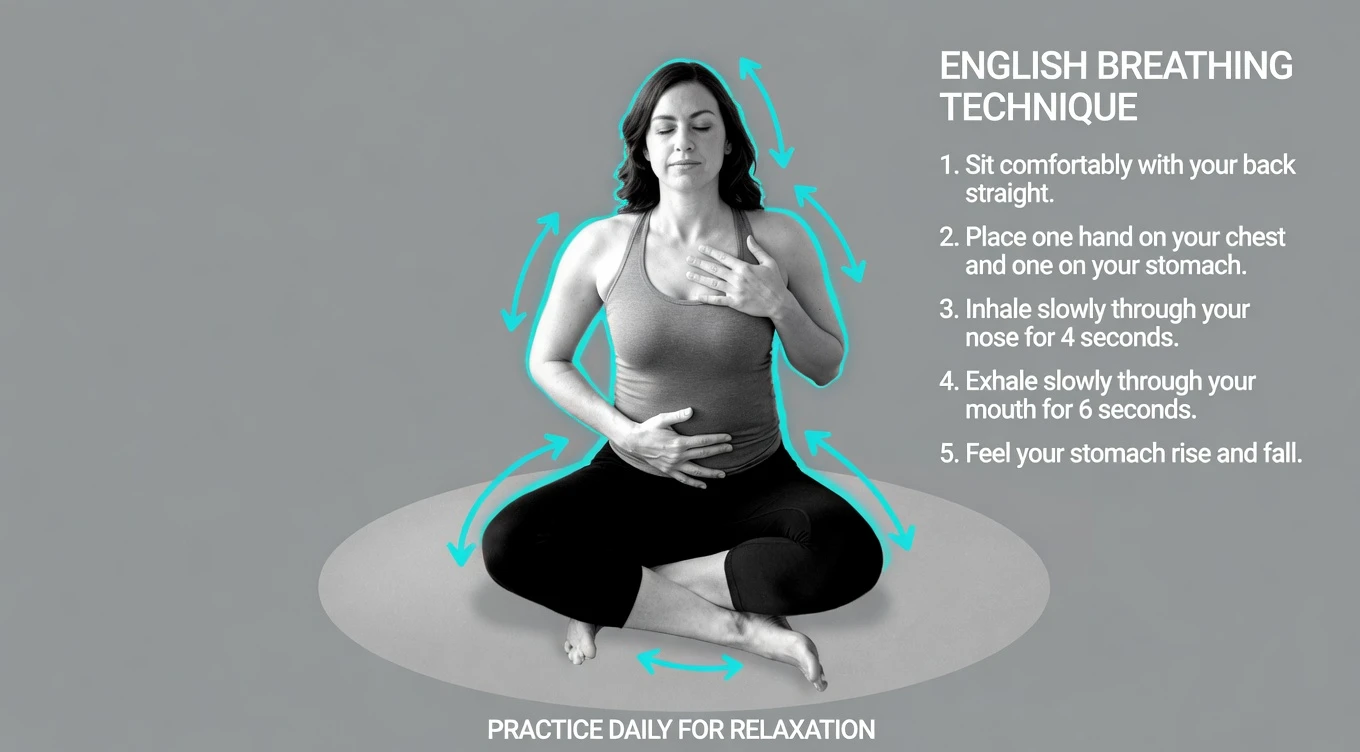
2. Practice Deep Breathing to Use More of Your Lung Capacity
Many people unintentionally breathe shallowly, relying mainly on the upper chest and leaving part of the lungs underused. Deep, controlled breathing helps expand the lungs more fully, improves oxygen exchange, and pushes out stale air that can linger in the lower lung areas.
Regular breathing practice has also been linked to better lung capacity and a calmer nervous system.
Try the 4–2–6 breathing method (5–10 minutes daily):
- Sit or stand tall with a relaxed, straight posture
- Inhale through your nose for 4 seconds, letting your belly rise
- Hold gently for 2 seconds
- Exhale slowly through your mouth for 6 seconds, emptying your lungs fully
Many people report feeling noticeably more energized after a few days of consistent practice.
3. Move Regularly to Strengthen Your Breathing Muscles
Exercise challenges your lungs in a beneficial way. As you move, your breathing rate increases, training respiratory muscles and improving your lungs’ ability to deliver oxygen into the bloodstream efficiently.
You don’t need intense workouts—steady, moderate activity is what makes the difference.
Lung-friendly activities most people can maintain:
- Brisk walking (around 30 minutes on most days)
- Swimming or water aerobics
- Easy cycling at a comfortable pace
- Gentle yoga or tai chi
Research consistently connects regular, moderate movement with improved lung function and a lower likelihood of respiratory problems as we get older.
4. Improve Indoor Air Quality Where You Spend the Most Time
Indoor air can sometimes be worse than outdoor air due to dust, mold, cooking smoke, cleaning chemicals, and poor ventilation. Cleaner indoor air reduces irritation and supports the delicate lining of your airways.
Quick ways to make home air cleaner:
- Open windows for 10–15 minutes daily when outdoor air quality is acceptable
- Use an exhaust fan while cooking
- Vacuum and dust frequently (ideally with a HEPA-filter vacuum)
- Reduce incense, scented candles, and harsh aerosol sprays
- Consider low-maintenance air-supportive houseplants like snake plant or peace lily
Small improvements here can add up fast because you breathe indoor air for many hours each day.
5. Eat Foods That Help Protect Lung Tissue
Your diet affects inflammation throughout your body—including your lungs. Foods rich in antioxidants and anti-inflammatory compounds can help protect lung cells from daily oxidative stress.
Add more of these lung-supportive foods:
- Leafy greens (spinach, kale, Swiss chard) for vitamins and antioxidants
- Berries (blueberries, strawberries, blackberries) for protective plant compounds
- Fatty fish (salmon, sardines, mackerel) for omega-3 anti-inflammatory fats
- Garlic, onions, and ginger for natural compounds linked to respiratory support
Aim to include at least one or two of these in most meals so your lungs get consistent nutritional support.

6. Hydrate to Keep Airway Mucus Thin and Effective
Even mild dehydration can make airway mucus thicker and stickier, which may make it harder to clear dust, germs, and irritants. Good hydration helps keep mucus thin so it can do its job—protecting and clearing your airways.
Hydration habits that support lung clearance:
- Keep a refillable water bottle nearby and sip throughout the day
- Use pale yellow urine as a rough hydration check
- Add hydrating choices like cucumber, watermelon, citrus fruits, and herbal teas
This is one of the simplest—yet most overlooked—ways to keep breathing feeling clear.
7. Reduce Exposure on High-Pollution Days
Air pollution, especially fine particles from traffic, industrial sources, and wildfires, can aggravate airways and contribute to long-term lung stress. Paying attention to air quality and adjusting your routine can help protect your lungs.
Smart habits for polluted days:
- Check the daily Air Quality Index (AQI) in a weather app
- Scale back intense outdoor workouts when AQI is “unhealthy”
- Wear a well-fitting N95 or KN95 mask in heavily polluted areas
- Avoid exercising near busy roads during peak traffic times
Your lungs can’t easily filter the smallest particles—prevention makes a meaningful difference.

8. Get Regular Check-ups and Take Symptoms Seriously
Routine medical visits can identify subtle shifts in lung function before they become bigger issues. If you notice a persistent cough, wheezing, unexplained shortness of breath, or chest tightness, it’s worth getting evaluated rather than waiting.
Regular monitoring can protect long-term lung health and provide reassurance when everything is on track.
Final Takeaway: Small Habits That Keep Breathing Easy
You don’t need a dramatic lifestyle overhaul to support healthy lungs. These eight strategies—avoiding smoke, practicing deep breathing, staying active, cleaning up indoor air, eating lung-friendly foods, hydrating well, limiting pollution exposure, and keeping up with check-ups—work together to help maintain lung function over time.
Every breath is an opportunity to invest in better energy, improved sleep, and a more active life. Start with one or two habits that feel easiest today, then build from there.
Frequently Asked Questions
How quickly can lifestyle changes improve lung health?
Many people notice easier breathing or improved energy within a few weeks—especially after quitting smoking, improving indoor air, staying hydrated, and adding regular movement.
Is it ever too late to start protecting your lungs?
No. The lungs can recover significantly after major risk factors—particularly tobacco smoke—are removed, even later in life.
What is the single most impactful change for lung health?
Reducing or eliminating exposure to tobacco smoke (both direct smoking and secondhand smoke) is typically the most important step for most people.
Disclaimer
This article is for general informational purposes only and is not a substitute for professional medical advice, diagnosis, or treatment. If you have symptoms or concerns about your breathing or lung health, consult a qualified healthcare professional.