
Urinary urgency and frequent bathroom trips can quietly take over your nights, disrupt workdays, and make everyday routines feel exhausting. For many men, these symptoms become more common with age—especially as benign prostatic hyperplasia (BPH) affects more than half of men by 60 and rises even further by 85. It’s easy to shrug it off as “just getting older.”
The good news: while fruit isn’t a cure, certain options may offer gentle, natural support for urinary flow and prostate wellness, thanks to antioxidants and plant compounds linked to inflammation control and tissue health. And one tropical fruit, in particular, is drawing growing interest from researchers.
The Everyday Reality of Prostate-Related Urinary Symptoms
Many men notice urinary changes gradually: weaker stream, more nighttime trips, or feeling like the bladder never fully empties. These issues can turn a road trip, a movie, or a full night of sleep into a series of interruptions.
Medication helps some people, but others prefer to begin with low-risk lifestyle changes, especially nutrition. Research continues to explore how antioxidants, carotenoids, phytosterols, and polyphenols—many found in fruit—may support prostate comfort and healthier urinary function.

7 Fruits That May Support Prostate Health (Ranked)
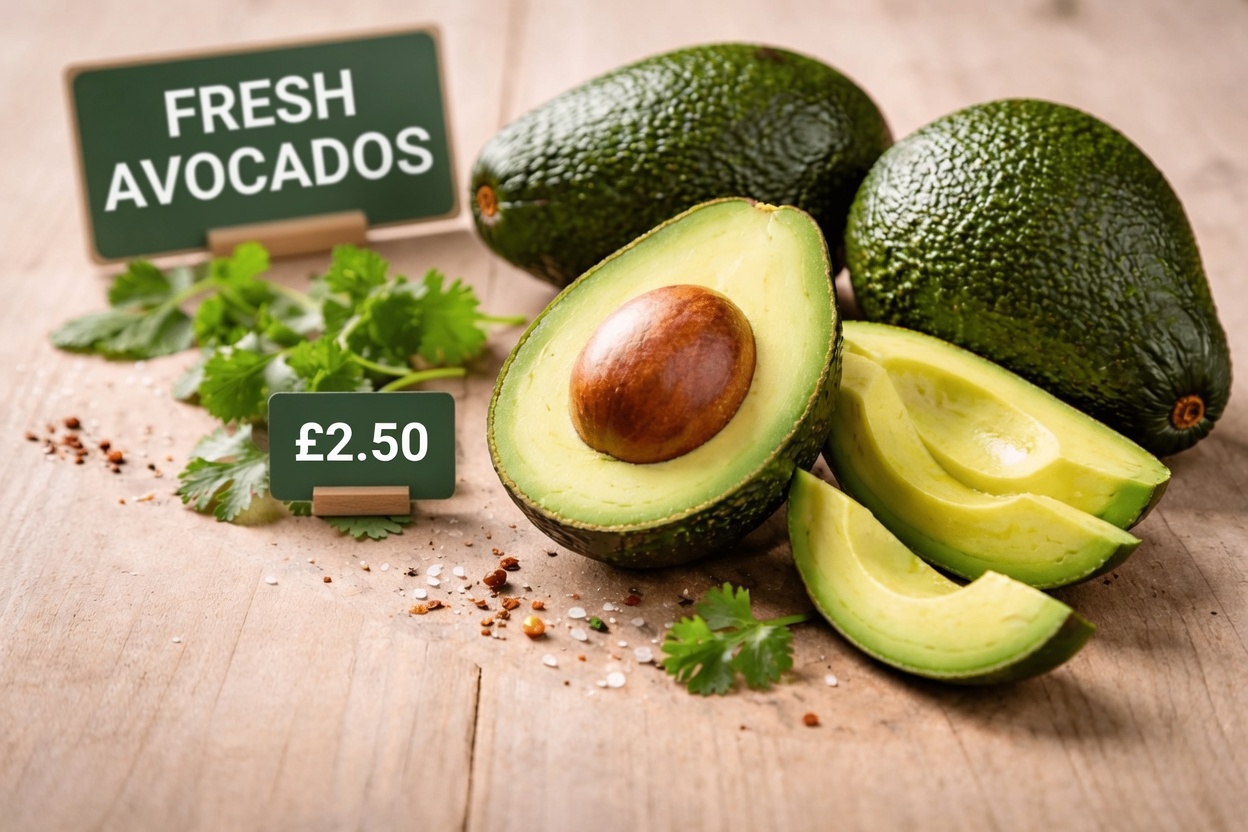
7. Avocado: Creamy, Satisfying, and Rich in Phytosterols
Avocado is more than a trendy topping. It contains healthy fats and beta-sitosterol, a plant sterol that has been associated in studies with improved urinary flow and symptom relief in some men.
A practical bonus: avocado is easy to add to meals—spread it on toast, slice it into salads, or blend it into smoothies for a richer texture.
How to use it:
- Half an avocado at breakfast
- Added to salads or grain bowls
- Blended into a green smoothie for healthy fats
6. Tomatoes: A Lycopene Powerhouse (Especially When Cooked)
Tomatoes are widely studied for lycopene, a carotenoid linked to prostate health in multiple research areas. Notably, cooking tomatoes can increase lycopene bioavailability, and pairing them with fat (like olive oil) improves absorption further.
Including tomato-based foods regularly—soups, sauces, stews—may offer subtle, long-term support.
Easy idea:
- A simple marinara sauce with olive oil
- Tomato soup or tomato-rich chili
- Roasted tomatoes in a warm salad
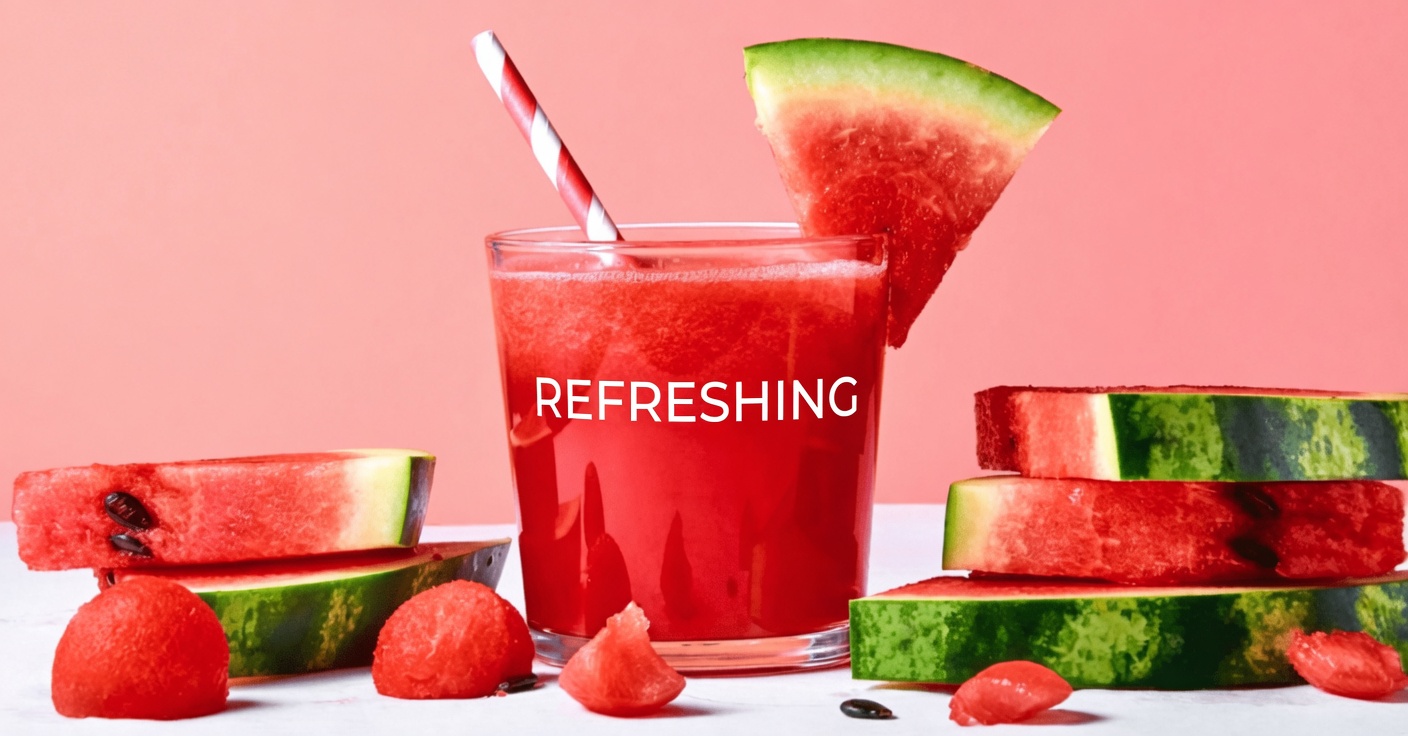
5. Watermelon: Hydration + Lycopene + Citrulline
Watermelon supports hydration—an often overlooked part of urinary comfort. Proper fluid intake helps dilute urine and reduce bladder irritation, while watermelon also contributes lycopene and citrulline, a compound involved in blood vessel relaxation and circulation.
It’s one of the easiest fruits to eat more of simply because it feels refreshing.
Simple approach:
- Fresh slices as an afternoon snack
- Cubes in a fruit bowl
- Blended watermelon (no added sugar) as a summer drink
4. Berries: Small Fruits, Big Antioxidant Density
Blueberries, strawberries, raspberries, and similar berries are packed with anthocyanins and vitamin C. Long-term observational research (including large cohort data) has linked higher intake of flavonoid-rich foods with a lower likelihood of urinary tract symptoms in men.
Fresh or frozen, berries are convenient and easy to mix into daily meals.
Ways to eat more berries:
- Stir into yogurt or oatmeal
- Add to smoothies
- Eat a mixed handful as a snack
3. Citrus Fruits: Vitamin C and Flavonoids for Inflammation Support
Oranges, lemons, grapefruit, and similar citrus fruits provide vitamin C plus flavonoids such as hesperidin, compounds being explored for their anti-inflammatory properties.
A simple habit like adding lemon to water can make hydration more enjoyable—without requiring any major diet overhaul.
Best uses:
- Whole oranges as a snack
- Lemon in water or over fish/vegetables
- Citrus added to salads for flavor and brightness
2. Pomegranate: Polyphenols That Stand Out
Pomegranate arils (the jewel-like seeds) and pure pomegranate juice contain punicalagins and other potent polyphenols. Lab and early-stage research suggests pomegranate compounds may influence inflammation and markers relevant to prostate health.
For many people, juice is the easiest route—just be sure it’s 100% juice with no added sugars.
Practical options:
- 8 oz (about 240 ml) of pure pomegranate juice
- Sprinkle arils over salads or yogurt
1. Papaya: The Tropical Fruit Researchers Are Watching Closely
Papaya brings a unique combination: papain (a digestive enzyme) plus carotenoids such as lycopene and beta-carotene. A 2022 pilot study in Southeast Asia observed men who added fresh papaya daily and reported improved urinary symptom scores.
Papaya is also generally easy to digest and relatively low in calories. You can eat it plain, cube it for snacks, or blend it into smoothies.
Why papaya stands out:
- Multiple supportive compounds in one fruit
- Easy to eat consistently
- Versatile in breakfasts and smoothies
Quick Comparison: Key Compounds and Best Ways to Eat Them
| Fruit | Key Compound(s) | Best Way to Enjoy | Approx. Lycopene per 100g |
|---|---|---|---|
| Avocado | Beta-sitosterol | Sliced on toast or in salads | Minimal |
| Tomato | Lycopene | Cooked in sauces | 3–9 mg |
| Watermelon | Lycopene + Citrulline | Fresh slices | 4.5 mg |
| Berries | Anthocyanins + Vitamin C | Fresh or in yogurt | Minimal |
| Citrus | Vitamin C + Flavonoids | Whole fruit or in water | Trace |
| Pomegranate | Punicalagins | Juice or arils | Trace |
| Papaya | Papain + Lycopene + Beta-carotene | Cubes or smoothies | 1.8–3 mg |
Simple, Realistic Ways to Add These Fruits Every Day
You don’t need a total diet reset. Small, consistent changes are usually easier to maintain.
- Start with one fruit for one week (for example, berries in oatmeal).
- Create a repeatable breakfast: yogurt + papaya + berries is an easy template.
- Add tomatoes at lunch (salad, soup, or sauce-based meal).
- Use watermelon as a hydration snack in the afternoon.
- Rotate for consistency: avocado at dinner, pomegranate juice mid-morning.
- Check in after 30 days and note changes in sleep disruption, comfort, and overall wellbeing.
Safety and Moderation: What to Keep in Mind
Fruit is generally safe for most people, but portion size and medication interactions matter.
- Papaya: about 150–300g of ripe papaya daily; avoid unripe papaya if you use blood thinners.
- Pomegranate: about 8 oz (240 ml) juice; confirm potential interactions if you take blood pressure medications.
- Citrus: 1–2 fruits daily; rinse your mouth afterward to help protect tooth enamel.
- Avocado: half to one avocado; calorie-dense, so adjust if managing weight.
- Other fruits: typically 1–2 cups daily works for most people.
If you have diagnosed BPH, are on prescription medication, or have chronic conditions, speak with a qualified clinician before making significant dietary changes.
Real-Life Examples: Small Changes That Feel Empowering
Some men find that adding a few targeted fruits makes them feel more in control—especially when symptoms have felt inevitable.
- David (60s, California) added papaya smoothies and berries and reported improved rest over time.
- Robert (71, Texas) focused on tomatoes and watermelon and was surprised by gradual improvements in urinary flow without changing medications.
Individual results vary, but these stories reflect a common theme: steady, low-risk habits can be worth trying.
Final Takeaway: A Simple First Step Toward Prostate-Friendly Eating
Adding avocado, tomatoes, watermelon, berries, citrus, pomegranate, and especially papaya can be a delicious way to support prostate health and urinary comfort through everyday nutrition. Start with one fruit you actually enjoy, build from there, and focus on consistency rather than perfection.
Frequently Asked Questions
What fruits are best for prostate health support?
Fruits rich in antioxidants and plant compounds are commonly highlighted—such as tomatoes (lycopene), berries (flavonoids/anthocyanins), pomegranate (polyphenols), and papaya (a mix of carotenoids and papain).
How much fruit should I eat per day for potential benefits?
Many dietary patterns land around 1–2 servings of mixed fruit daily, with an emphasis on variety and consistency. Personal needs vary, so medical guidance is best if you’re managing symptoms.
Can fruit replace medical treatment for BPH?
No. Fruit can be a supportive nutrition strategy, but it does not replace diagnosis, monitoring, or treatment. If symptoms are worsening (especially nighttime urination, pain, or retention), seek professional evaluation.