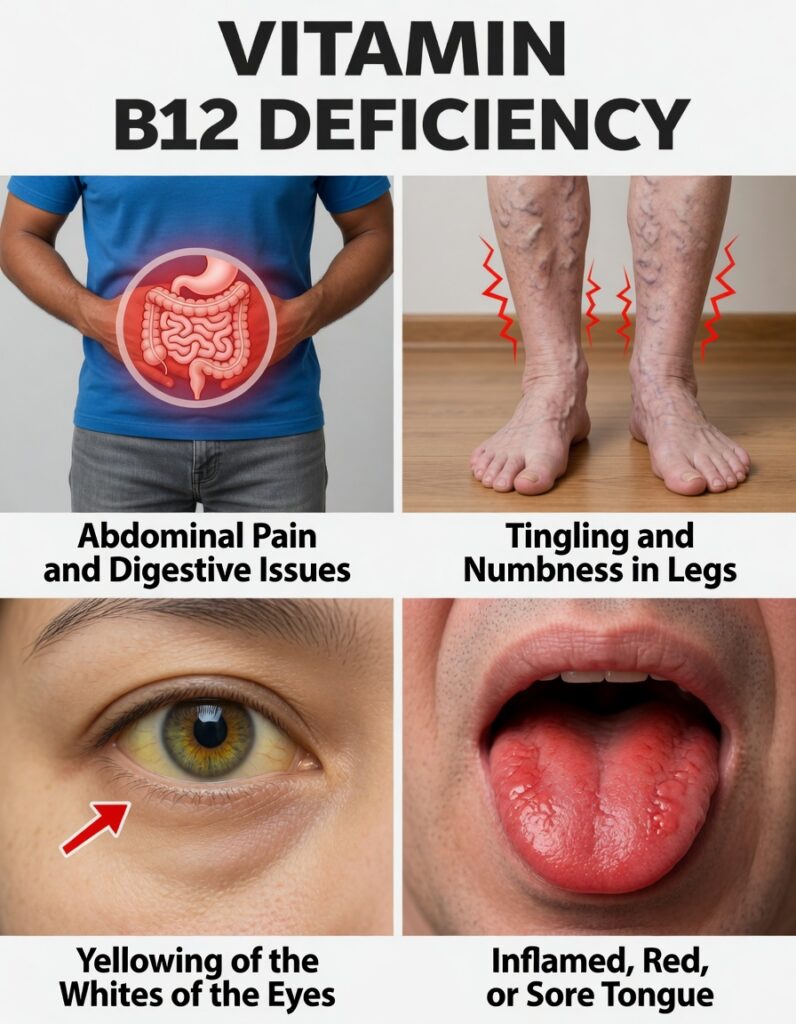
Feeling “Off” Lately? Your Body May Be Hinting at Low Vitamin B12
Waking up unusually exhausted despite a full night’s sleep, or noticing a strange tingling in your hands that makes everyday tasks feel harder than they should—these small changes can be easy to dismiss. They often appear gradually, especially with age, and it’s frustrating when simple routines start to feel more demanding.
In many cases, these signals may be related to something surprisingly straightforward: vitamin B12 intake and absorption. While this isn’t about self-diagnosis, understanding how B12 supports the body can help you make smarter day-to-day choices—sometimes with noticeable improvements in energy and focus.
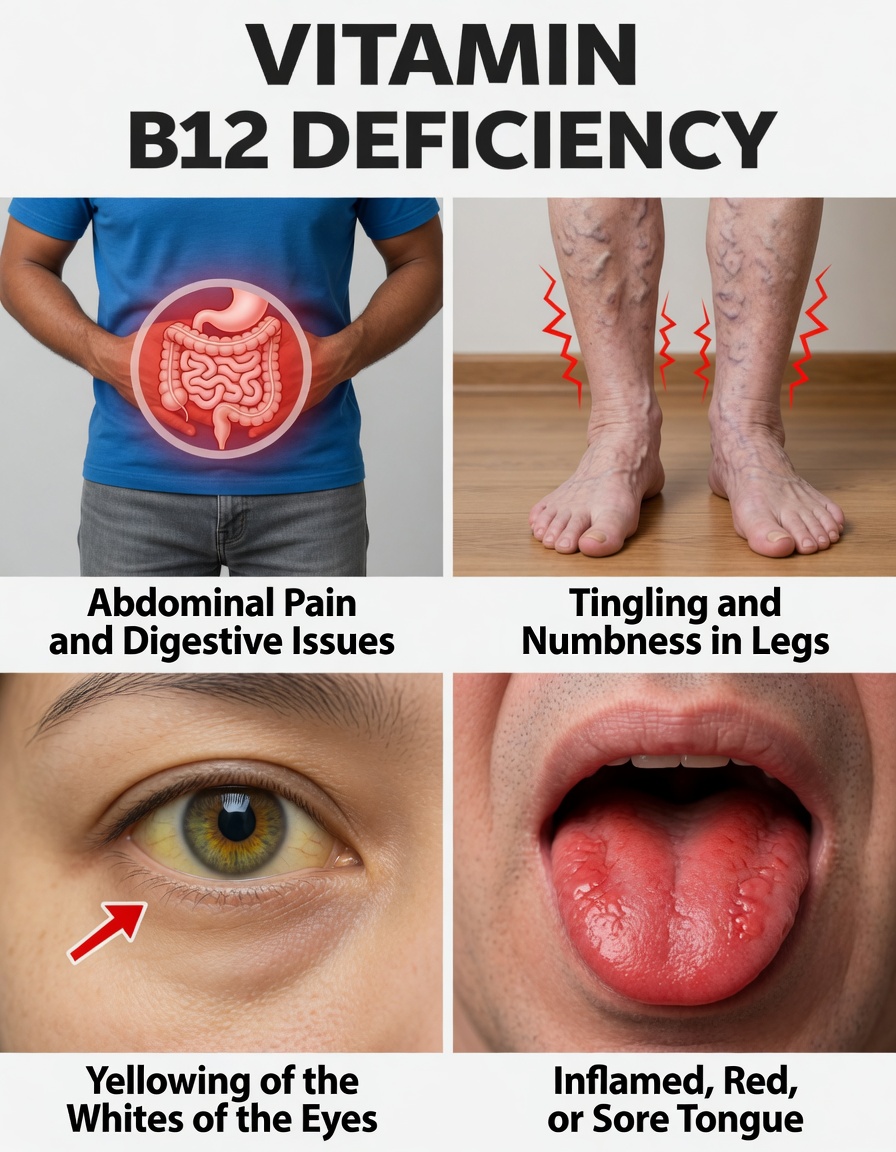
Why Vitamin B12 Is Essential for Daily Health
Vitamin B12 is widely recognized for its role in:
- Red blood cell production
- Healthy nerve function
- Helping the body convert food into usable energy
Because B12 is water-soluble, the body doesn’t store unlimited amounts, which makes consistent intake important. Research referenced by organizations such as the National Institutes of Health (NIH) also suggests that many adults—particularly over age 50—may not get enough B12 from food alone, largely due to absorption changes over time.
The goal is awareness: if you regularly feel “not quite yourself,” it may be worth paying attention to B12 sources in your diet and lifestyle.
Why Vitamin B12 Absorption Gets Harder With Age
Low B12 levels aren’t only about what you eat—absorption plays a major role. Common factors that may reduce absorption include:
- Lower stomach acid production with aging, which can make it harder to release B12 from food
- Certain medications (noted in medical reviews), including:
- Acid-reducing drugs (such as antacids)
- Metformin (commonly used for blood sugar management)
- Plant-based diets, since B12 is naturally found mostly in animal-derived foods (vegans and many vegetarians often depend on fortified foods or supplements)
The encouraging part: once you understand the risk factors, it becomes easier to choose the most effective B12 sources for your needs.

8 Unusual Signs Often Linked to Low Vitamin B12 Levels
When B12 runs low, the body can respond in ways that don’t immediately “sound” like a vitamin issue. Research has linked low B12 levels to several less-obvious signs, including the following.
8. Blurred or Unusual Vision Changes
Some studies suggest B12 status may affect optic nerve health, which can contribute to temporary visual disturbances. If your vision seems “off” without a clear reason, it’s a signal worth noting.
7. Irritability or Unexpected Mood Shifts
B12 supports processes involved in brain chemistry. In certain research, low levels have been associated with irritability and mood changes, which can quietly affect relationships and daily life.
6. Balance Problems or an Unsteady Walk
Because B12 supports nerve function, low levels have been linked in research to coordination and balance challenges. It may start as mild unsteadiness that’s easy to brush off.
5. Brain Fog and Memory Slips
Difficulty concentrating, slower thinking, or forgetfulness may be connected to B12 status, according to cognitive-focused studies. Many people report improvement after addressing diet and nutrient intake (though results vary).
4. Pale Skin or a Slight Yellow Tint
B12 influences red blood cells, and health reports note that low levels may contribute to paleness or a faint yellowish tone in some cases—often mistaken for simple fatigue.
3. A Smooth, Red, or Painful Tongue
A glossy, red, sore tongue (often described in medical literature as glossitis) can make eating uncomfortable and may show up alongside other B12-related symptoms.
2. Ongoing Fatigue That Doesn’t Match Your Rest
B12 supports energy-related processes in the body. Studies indicate that insufficient levels may contribute to persistent tiredness, even when sleep is adequate.
1. Tingling or Numbness in Hands and Feet
That “pins and needles” sensation—especially in the hands or feet—is one of the most striking signs associated in research with low B12, due to its connection to nerve signaling.
If several of these sound familiar, consider them as information—not a conclusion—and use them as motivation to evaluate diet and discuss concerns with a qualified professional.
Vitamin B12 Sources: Which Options Make Sense for You?
Different B12 sources can work better for different lifestyles. Here’s a clearer way to compare options.
| Source Type | Examples | Absorption Potential | Best For | Simple Daily Idea |
|---|---|---|---|---|
| Animal Foods | Salmon, eggs, beef | High | Natural intake | Add a 3–4 oz serving at a meal |
| Fortified Foods | Cereals, plant milks | Moderate | Vegans/vegetarians | Use as part of breakfast |
| Dairy | Yogurt, cheese | Good | Easy, convenient boost | 1 cup yogurt or a serving of cheese |
| Supplements | Tablets, injections | Varies by form | Extra support when needed | Use only as directed by a professional |
Choosing a reliable source consistently often matters more than chasing a “perfect” option.
Real-Life Examples: Small Adjustments, Noticeable Differences
Many people assume fatigue, imbalance, or mental fog is simply “normal aging.” But personal experiences often show that nutrition changes can make daily life feel more manageable.
- Linda (70) felt constantly drained and slightly unsteady. After paying closer attention to her food choices and B12 intake, she reported feeling more capable during active days.
- Robert (68) struggled with tingling in his feet and persistent brain fog. By improving his B12 sources, he noticed a clear difference in mental clarity.
These stories are anecdotal, and outcomes vary, but they highlight how practical changes can add up over time.
Practical Ways to Support Healthy Vitamin B12 Intake
If you want a simple, safe approach, focus on sustainable habits.
Step-by-step actions
- Review your diet for one week
Track meals and note how often you consume animal products or fortified items. Aim for consistency and variety. - Add B12-rich foods in realistic ways
- Eggs at breakfast
- Salmon (or other fish) at dinner
- For plant-based diets: fortified cereal or fortified plant milk regularly
- Use fortified foods strategically
If you’re vegan, read labels carefully—choose products that clearly list added vitamin B12. - Pair B12 foods with other supportive nutrients
Nutrition guidance often suggests combining balanced nutrients—pair B12 sources with folate-rich greens like spinach. - Track symptoms and talk to a professional if needed
Keep a short symptom log. If issues persist, discuss testing and options with a healthcare provider.
Daily habit ideas you can keep
- Include dairy or a fortified food in the morning.
- Add lean meats, fish, or plant-based fortified alternatives a couple of times per week.
- If using supplements, check for commonly used forms such as methylcobalamin (choose based on professional guidance).
- Stay hydrated, supporting overall digestion and nutrient processes.
- Reassess your routine every few months and adjust as needed.
Key Takeaway: Pay Attention to Signals, Not Just Symptoms
Those eight less-obvious signs—tingling, mood changes, balance issues, brain fog, and more—can be your body’s way of asking for closer attention to vitamin B12. Research continues to emphasize B12’s importance for energy support and nerve health, especially as absorption becomes more challenging with age.
Consistent, small improvements in your diet and habits can help you feel more like yourself again.
One often-overlooked option: clams, which are particularly rich in vitamin B12—adding them occasionally can bring variety and a powerful B12 boost.
Frequently Asked Questions (FAQ)
What foods are naturally high in vitamin B12?
B12 is naturally found mostly in animal-based foods such as beef, eggs, salmon, and other seafood. Vegetarians may rely on dairy like yogurt, while vegans typically need fortified cereals or fortified plant milks.
Why does vitamin B12 absorption change as you get older?
With age, the stomach may produce less acid, which can make it harder to separate B12 from food proteins. Many sources suggest paying closer attention to B12 status after age 50.
Can vitamin B12 supplements help?
Supplements are available in multiple forms (including tablets and sublingual options), and some people may require additional support. The best approach depends on individual needs, so it’s wise to consult a qualified healthcare professional.
Medical Disclaimer
This article is for informational purposes only and does not replace professional medical advice. For personalized guidance, testing, or treatment decisions, consult your healthcare provider.