
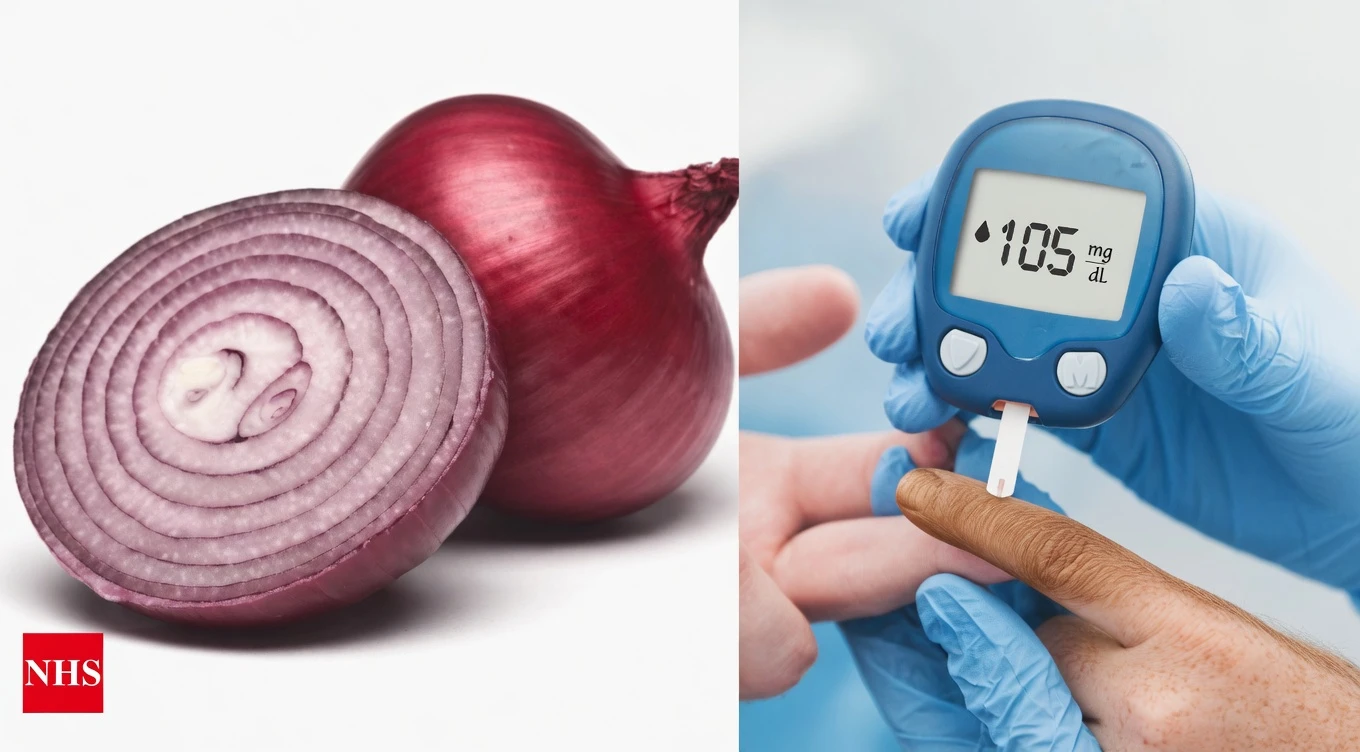
Struggling with unpredictable blood sugar can be exhausting—constant thirst, low energy, and worry about post-meal spikes can linger even when you’re doing “everything right.” Because metabolic balance is influenced by daily habits, many people look for simple, food-based ways to support healthy glucose control. One promising option is red onion, a common kitchen staple that contains natural plant compounds researchers have linked to blood sugar management support as part of an overall balanced lifestyle.
What many people don’t realize is that how you prepare and eat red onion affects how you receive its key compounds. Later in this article, you’ll find a simple method that’s often overlooked but can make red onion easier to include—especially if you dislike the sharp taste of raw onion.

Why Red Onion Is Different From Other Vegetables
Red onion (often called purple onion) does much more than add crunch and flavor to salads, sandwiches, and tacos. Its deep color comes from anthocyanins, plant pigments known for their antioxidant activity.
What truly makes red onion stand out is its high quercetin content. Quercetin is a flavonoid widely studied for potential metabolic and anti-inflammatory effects. Compared with white or yellow onions, red onions typically contain more quercetin, which is why they’re frequently highlighted in nutrition discussions.
Research observations suggest that quercetin and onion sulfur-containing compounds may help support:
- Insulin sensitivity
- Slower carbohydrate absorption
- Healthier post-meal (postprandial) glucose response
These potential benefits may be connected to natural mechanisms such as:
- Reduced activity of carbohydrate-digesting enzymes like α-glucosidase
- Support for pancreatic function
- Lower oxidative stress, which may increase during blood sugar swings
Important: These findings are still developing. Think of red onion as a supportive food, not a standalone treatment or a substitute for medical care.
What Research Says About Red Onion and Metabolic Health
Scientific interest in onions and metabolic wellness has grown, and several types of studies offer clues about potential benefits.
- Human observations: In some reports, eating about 100 g of raw onion daily was associated with lower fasting blood glucose in certain individuals with type 2 diabetes.
- Review articles: Researchers often point to quercetin and organosulfur compounds as contributors to insulin-related pathways, including insulin secretion and cellular glucose uptake.
- Animal studies: Onion extracts have been observed to help reduce glucose and cholesterol in some settings, possibly due to antioxidant effects that target oxidative stress.
The takeaway is straightforward: the results are encouraging but not definitive. Red onion works best as part of a broader plan—balanced eating, movement, sleep, hydration, and guidance from a healthcare professional.
Extra Benefits of Red Onion You Might Not Expect
Beyond potential blood sugar support, red onion brings several additional wellness advantages:
- Heart and vascular support: May help maintain healthy cholesterol and blood pressure already within normal range
- Antioxidant defense: Helps neutralize free radicals through anthocyanins and quercetin
- Gut health support: Contains prebiotic fibers that nourish beneficial gut bacteria
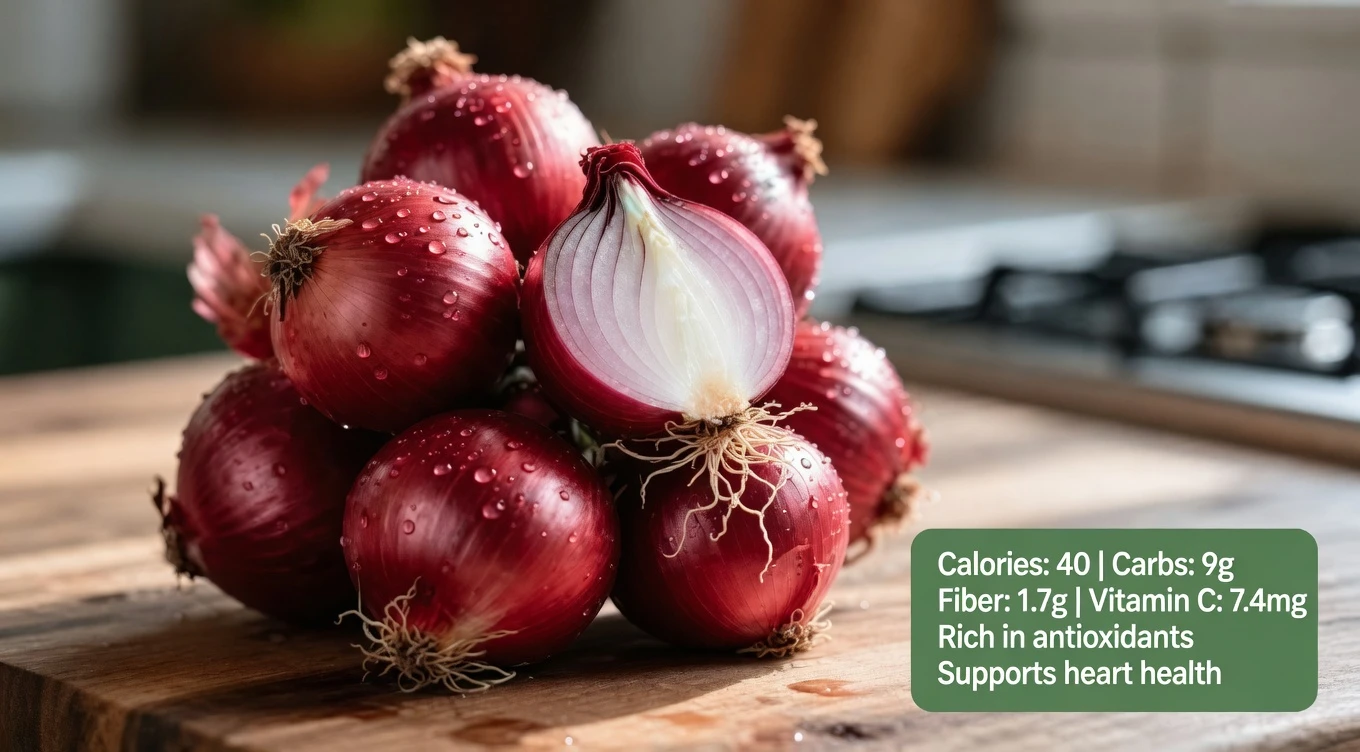
- Low calorie density: About 40 calories per 100 g, making it easy to add without heavy energy intake
For many people, it’s a small dietary change with a solid nutritional return.
How to Add Red Onion to Your Daily Routine (Practical Steps)
If you want to start using red onion consistently, these approaches are simple and generally safe.
1) Pick a High-Quality Onion
Choose onions that are:
- Firm and heavy for their size
- Covered in smooth, glossy skin
- Free from soft spots, mold, or sprouting
Fresher onions are more likely to retain higher levels of active compounds.
2) Eat It Raw to Preserve Quercetin
Raw onion helps keep quercetin more intact.
Try these ideas:
- Slice thinly into salads, tacos, bowls, or avocado-based meals
- Start with 50–100 g per day and adjust based on digestion and comfort
3) The Overlooked Option: Red Onion Infusion (“Tea” Method)
If raw onion feels too strong, this gentle method can be easier to tolerate while still delivering onion compounds in a drinkable form:
- Peel and roughly chop 1 medium red onion.
- Add it to 1 liter of water and boil for 10–15 minutes.
- Strain the liquid.
- Sip warm, about 1–2 cups per day.
- Optional: add a small squeeze of lemon for taste.
This approach is especially useful for people who want the benefits of onion without the intense bite of eating it raw.
4) Use Gentle Cooking Instead of High Heat
Light cooking can reduce sharpness while keeping many of the beneficial components:
- Quick sautéing
- Light roasting
- Adding near the end of cooking
Avoid deep frying or prolonged high heat, which may reduce some key compounds.
5) Combine It With Other Nutrient-Rich Foods
Red onion pairs well with ingredients that can complement its antioxidant profile:
- Garlic
- Lemon or lime
- Tomatoes
- Fresh herbs
Quick Meal Ideas Using Red Onion
- Fresh salad: Red onion + tomatoes + lime + herbs
- Better tacos: Use as a crunchy topping with lean protein and vegetables
- Light soup: Stir in near the end to keep texture and avoid overcooking
- Green smoothie: A small piece blended with spinach, apple, and ginger (surprisingly mild and refreshing)
Precautions and Everyday Tips
Red onion is safe for most people, but keep these practical points in mind:
- Digestive sensitivity: Raw onion can cause gas or bloating in some individuals—start small and increase gradually.
- If you use glucose-lowering medication: Monitor blood sugar as part of your routine, especially when making dietary changes.
- Food is supportive, not curative: Use red onion alongside healthy habits and professional guidance, not instead of them.
Final Thoughts: A Simple, Affordable Daily Support
Red onion is an inexpensive, flavorful, and widely available food that may help support healthy blood sugar balance when used consistently as part of a well-rounded lifestyle. It won’t replace proven strategies, but small daily habits—balanced meals, regular activity, hydration, and medical oversight—often add up to meaningful long-term wellness.
Frequently Asked Questions (FAQ)
How much red onion should I eat per day?
Many references point to 50–100 g of raw red onion daily, or a similar amount through an infusion. Start with a smaller portion and increase only if you tolerate it well.
Can red onion replace diabetes medication?
No. Red onion is a dietary addition and should never replace prescribed medication or professional treatment.
Is red onion okay for a sensitive stomach?
It can be, but raw onion may irritate sensitive digestion. If needed, choose lightly cooked onion or try the infusion method to make it easier on the stomach.
Disclaimer: This article is for informational purposes only and does not provide medical advice. Consult a qualified healthcare professional before changing your diet, especially if you have diabetes or take medications.