Losing strength after 60 can be discouraging—and sometimes genuinely worrying. Everyday activities like climbing stairs, getting up from a chair, or carrying groceries may start to feel heavier than they once did. Over time, this slow decline in muscle (often called age-related muscle loss) can impact balance, independence, and self-confidence.
The encouraging reality is that you can support muscle health at any age. With the right foods and a few simple habits, many older adults can maintain— and even rebuild—strength. And at the end, you’ll learn a surprisingly effective nighttime routine that many people overlook.
Understanding Age-Related Muscle Loss After 60
As the years pass, most people naturally lose muscle mass. This process is known as sarcopenia, and it often speeds up after age 60.
Studies in aging and nutrition research suggest adults may lose about 3% to 8% of muscle per decade after age 30, with faster losses later in life. Several factors can contribute, including:
- Hormone changes
- Lower physical activity
- Eating less protein (or lower-quality protein)
That said, muscle decline is not the whole story.
Even in later decades, your body can still respond to the right “signals”—especially adequate protein intake and regular resistance-based movement.
Why Nutrition Matters More as You Get Older
With age, the body becomes less efficient at using protein for muscle repair and growth. This is often called anabolic resistance, meaning older muscles may require slightly more high-quality protein to get the same benefit.
In other words: what worked at 40 may no longer be enough at 65.
The upside is that smart, strategic food choices can strongly support:
- Muscle maintenance
- Energy and stamina
- Physical function and vitality
Best Muscle-Building Superfoods for Seniors
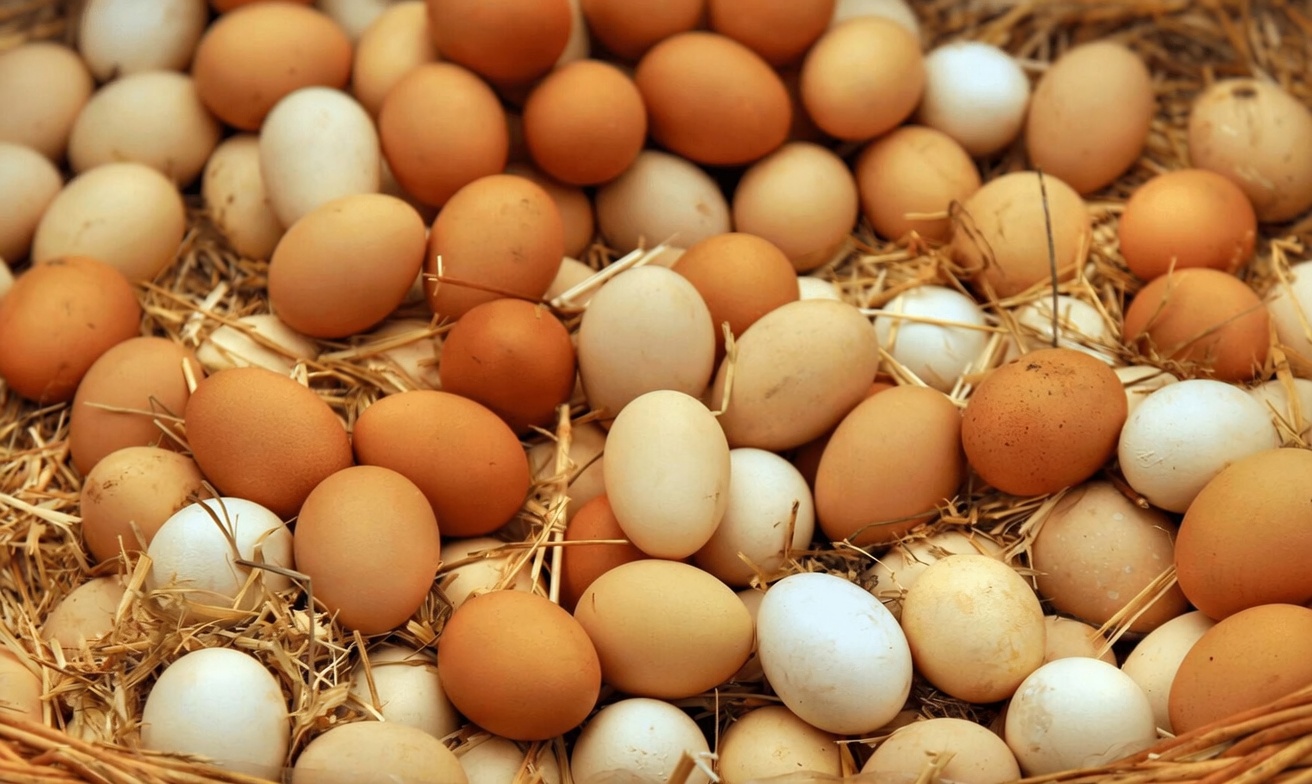
1. Eggs
Eggs are one of the most nutrient-dense, complete protein foods available. They contain all nine essential amino acids, including leucine, a key amino acid involved in muscle protein synthesis—especially important for older adults.
Eggs also contribute vitamin D and several B vitamins, both linked to muscle function.
- Easy idea: Enjoy 1–2 eggs at breakfast with vegetables for a balanced start.
2. Greek Yogurt
Compared with regular yogurt, Greek yogurt is typically much higher in protein. It also provides:
- Calcium for bone support
- Probiotics that can support gut health and nutrient absorption
Choose plain, unsweetened varieties, then add fruit or nuts to improve flavor without excess sugar.
3. Salmon and Other Fatty Fish
Fatty fish such as salmon, sardines, and mackerel provide a powerful combination of:
- High-quality protein
- Omega-3 fatty acids
- Vitamin D
Omega-3s have been studied for their role in supporting muscle function and helping manage age-related inflammation. Some clinical nutrition research suggests omega-3 intake may even improve how older adults respond to protein for muscle building.
- Goal: Include fatty fish about twice per week.
4. Lentils and Beans
Plant-based proteins like lentils, chickpeas, and black beans are excellent staples for older adults. They offer:
- Protein
- Fiber
- Iron
- Magnesium (important for muscle contraction)
One important note: some plant proteins are lower in specific amino acids. Pairing beans or lentils with whole grains (like brown rice or quinoa) can improve overall protein quality.
5. Nuts and Seeds
Foods like almonds, walnuts, chia seeds, and flaxseeds deliver healthy fats along with plant-based protein. Because they’re calorie-dense, they can be especially useful for seniors who struggle to eat enough.
- Simple add-on: Sprinkle seeds onto yogurt or oatmeal, or add nuts to snacks.
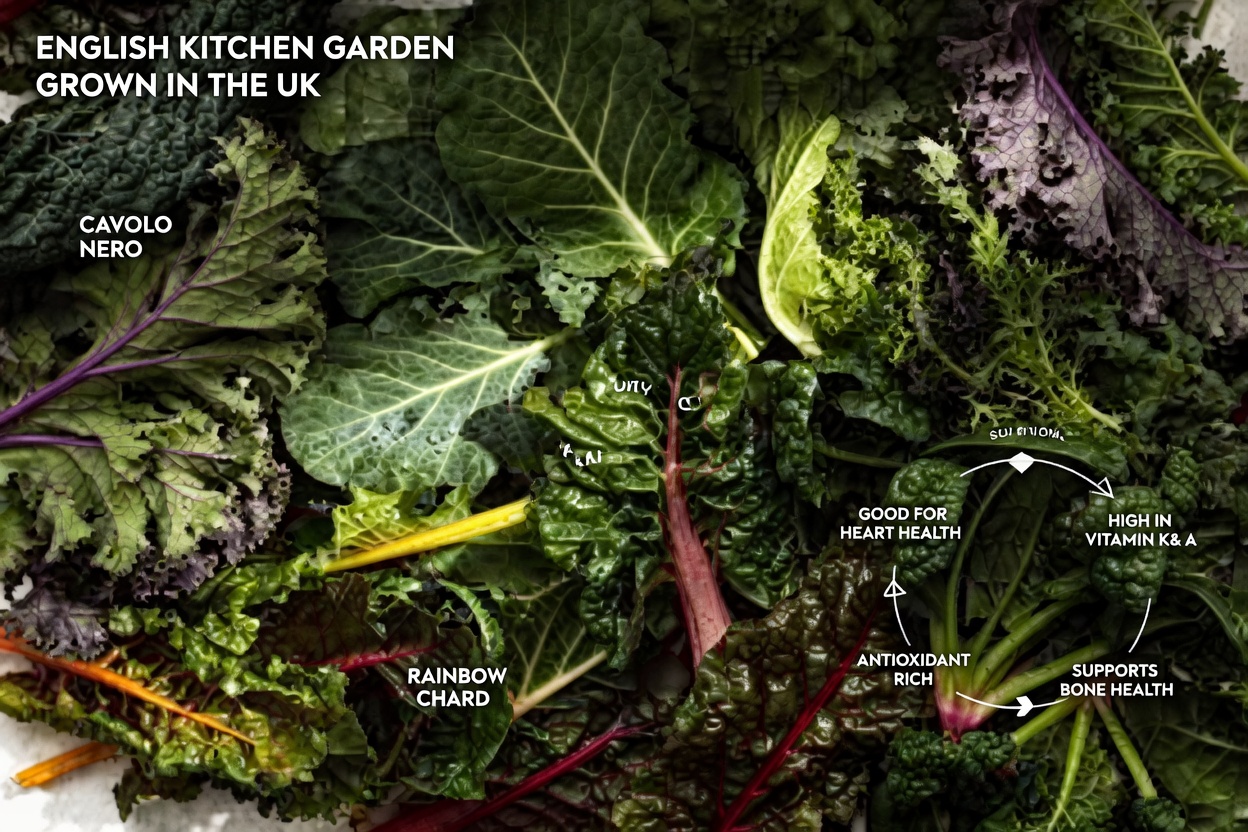
6. Leafy Greens
At first glance, greens may not seem like “muscle foods,” but spinach, kale, and Swiss chard contain compounds linked to physical performance and healthy aging, including:
- Nitrates
- Antioxidants
- Vitamin K (important for bone and muscle-related function)
Diets high in leafy greens are often associated with better physical function in older adults. Small daily servings can make a meaningful difference over time.
7. Cottage Cheese Before Bed (The Overlooked Habit)
Cottage cheese is rich in casein, a slow-digesting protein that releases amino acids gradually—making it especially useful overnight.
Research suggests that consuming slow-digesting protein before sleep may support overnight muscle protein synthesis. This simple habit is one of the most practical changes many older adults can make.
A Simple Daily Muscle-Support Routine (60+)
Here’s a realistic structure you can follow and adjust:
-
Breakfast
- Eggs with sautéed spinach and whole-grain toast
- Or Greek yogurt with berries and chia seeds
-
Lunch
- Grilled salmon or a lentil-based salad
- Mixed greens with olive oil
-
Snack
- A small handful of almonds or walnuts
-
Dinner
- Lean protein (chicken, tofu, or beans)
- Vegetables + quinoa or another whole grain
-
Evening option
- A small bowl of cottage cheese with cinnamon
A key pattern here is protein distribution—protein isn’t saved for one big meal. Evidence suggests spreading protein across the day may support better muscle maintenance in older adults.
Strength Training + Nutrition: The Best Combination
Food helps, but results are stronger when nutrition is paired with resistance activity. Muscle needs a reason to stay strong.
Helpful options include:
- Bodyweight squats (or assisted squats)
- Light dumbbells
- Resistance bands
- Chair stands
The CDC recommends muscle-strengthening activities at least two days per week for older adults, adjusted for ability and medical status. Even 10–15 minutes, done consistently, can be meaningful.
Common Diet Mistakes That Can Speed Muscle Decline
Often, muscle loss accelerates because of everyday habits, such as:
- Skipping breakfast
- Eating meals with very little protein
- Relying heavily on refined, processed carbohydrates
- Avoiding healthy fats out of fear
- Not drinking enough water
Dehydration can increase fatigue and reduce muscle performance, so hydration matters more than many people realize.
How Much Protein Do Older Adults Need?
Protein needs vary, but many experts suggest older adults may benefit from around:
- 1.0 to 1.2 grams of protein per kilogram of body weight per day
Example:
- A 70 kg adult may aim for roughly 70–84 grams of protein daily
Medical conditions can change these needs, so personalized guidance from a qualified healthcare professional is important.
The main takeaway is that protein quality and timing often matter more than extreme amounts.
Steps You Can Start Today
- Add a clear protein source to every meal starting tomorrow.
- Include at least one omega-3-rich food this week.
- Do two short strength sessions per week using bodyweight or light resistance.
- Try cottage cheese or Greek yogurt in the evening for one week and notice how you feel.
- Track meals and workouts in a simple notebook to stay consistent.
Consistency beats intensity—especially for long-term results.
The Nightly Habit That Can Make a Real Difference
A simple but powerful habit is eating a small portion of slow-digesting protein before bed.
Why it helps:
- Sleep is when the body shifts into repair mode.
- Providing amino acids overnight may support muscle maintenance—especially for older adults at higher risk of muscle loss.
It doesn’t require extreme changes—just steady support repeated over time.
Conclusion
Muscle loss after 60 is common, but it doesn’t have to be something you accept without action. By prioritizing high-quality protein, omega-3-rich foods, leafy greens, and simple strength training, you can support strength, balance, and independence well into later life. Add the overlooked nighttime protein habit, and you have a practical routine that can make aging feel stronger—not smaller.