
Mulberry Leaf After 40: A Traditional Herb With Modern Science for Metabolic Support
After 40, many people notice that staying on top of blood sugar, blood pressure, cholesterol, everyday aches, and overall energy becomes harder than it used to be. Slower circulation, shifting hormones, and lifestyle changes can make you feel drained—and routine lab results may start to feel more stressful than reassuring.
These concerns are often connected through shared drivers such as chronic low-grade inflammation, oxidative stress, and changes in how the body handles carbohydrates and fats. Standard medical care can be highly effective for managing risk, yet many adults also look for gentle, natural strategies to complement a doctor-guided plan.
What if one well-known plant—used for centuries across Asia—could offer broad, multi-pathway support, with a growing body of research behind it? Mulberry leaf (from Morus alba) is gaining attention for its unique bioactive compounds. Below, you’ll find a clear look at the tradition, the science, practical ways to use it, and important precautions to consider before adding it to your routine.

Why Metabolic Challenges Often Increase After Midlife
With age, several changes can happen at once:
- Insulin sensitivity may decline, making post-meal blood sugar spikes more likely.
- Blood vessels can become less elastic, raising strain on the cardiovascular system.
- Inflammation may build gradually, influenced by diet, stress, sleep, and reduced activity.
Together, these shifts can contribute to patterns many adults recognize: fatigue after meals, bloating, stubborn lab numbers, and muscle or joint discomfort that feels worse when circulation isn’t optimal.
Research also suggests that metabolic imbalance can create a domino effect—when glucose control slips, blood vessels and lipids may be impacted; when pressure and cholesterol rise, vascular stress increases. For some people, improving diet and exercise helps a lot, but not always enough to achieve the lab changes or daily comfort they want.
The promising news: certain plant compounds appear to work across multiple biological pathways, which may offer broader support than approaches focused on just one target.
Mulberry Leaf: A Classic Remedy Now Under the Microscope
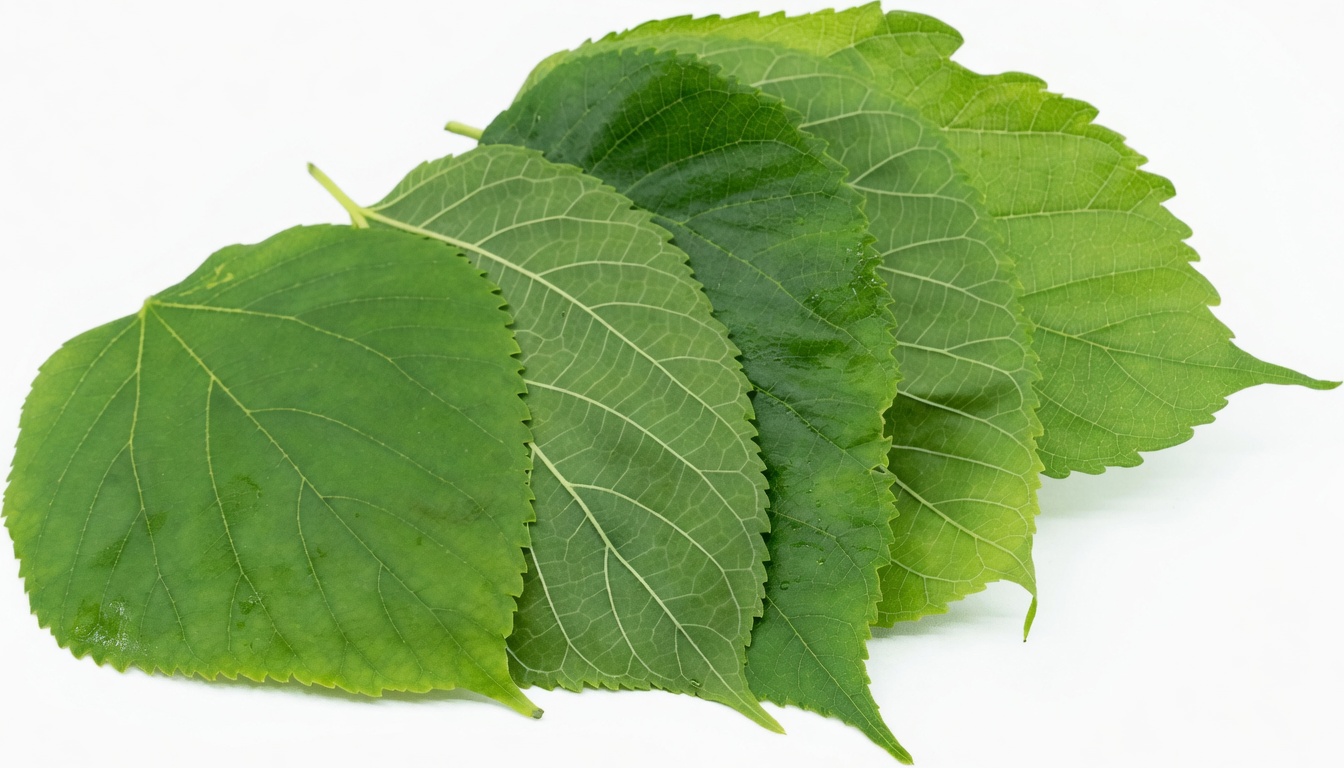
Mulberry leaf comes from the white mulberry tree (Morus alba). In Traditional Chinese Medicine and Vietnamese herbal traditions, it has long been used to support vitality, help the body “clear heat,” and encourage smoother internal balance. Historically, it was commonly brewed as a tea for digestion, liver support, and general wellness.
Modern interest is largely driven by three categories of compounds found in mulberry leaves:
- 1-Deoxynojirimycin (DNJ): Studied for its ability to slow carbohydrate digestion in the gut.
- Flavonoids and polyphenols: Antioxidant compounds linked with protection against oxidative stress.
- Polysaccharides: Investigated for broader metabolic and immune-related support.
These components are central to why mulberry leaf is being explored in both human and preclinical research.

What Studies Suggest Mulberry Leaf May Help With
1) Supporting Blood Sugar Stability
Multiple human studies indicate that mulberry leaf extract or powder may help reduce the rise in blood glucose after carbohydrate-heavy meals. One reason is DNJ’s role in inhibiting enzymes involved in carbohydrate breakdown, which can lead to slower glucose absorption.
In placebo-controlled research, participants taking mulberry leaf preparations have shown smaller post-meal glucose increases compared with placebo groups. Other studies also describe improvements over time in markers such as fasting glucose and HbA1c when mulberry leaf is used consistently for weeks or months (results vary by dose, product type, diet, and individual factors).
2) Potential Benefits for Heart and Vessel Health
Reviews and clinical trials suggest mulberry leaf may support healthier lipid profiles in some groups. Findings across studies may include:
- Lower total cholesterol
- Reduced LDL (“bad”) cholesterol
- Lower triglycerides
- In some cases, modest support for HDL (“good”) cholesterol
Animal studies and limited human data also point to antioxidant effects that may support vascular function and circulation—key considerations in long-term cardiovascular wellness.
3) Inflammation, Oxidative Stress, and Daily Comfort
Mulberry leaf polyphenols have shown anti-inflammatory activity in lab and animal research. In human-focused reviews, mulberry intake has been associated with reductions in certain inflammatory markers such as C-reactive protein (CRP).
This does not make mulberry leaf a pain medication. However, lowering oxidative stress and inflammation may contribute to improved day-to-day comfort for some people, especially when discomfort is linked with metabolic strain.
Across many reviews, a repeated theme is multi-target potential—supporting several related systems at once, which may pair well with lifestyle improvements.
What People Commonly Report in Everyday Use
In real-life routines, mulberry leaf is often used as a tea, and many users describe:
- More stable energy (especially fewer post-meal “crashes”)
- A gradual sense of improved daily comfort or easier movement
- Lab trends improving when combined with medical oversight and healthy habits
For example, some individuals report better energy consistency after adding mulberry leaf tea to meals, while others mention improved lab results monitored by a clinician. These personal stories can be encouraging, but outcomes differ widely, and they don’t replace controlled research or professional advice.
Mid-article check-in: On a scale of 1–10, how would you rate your usual energy level after meals? Write it down so you can compare later if you decide to try changes.
Practical Ways to Use Mulberry Leaf (Simple and Realistic)
If you’re considering mulberry leaf, these are common approaches:
-
Mulberry Leaf Tea (Traditional Method)
- Use 1–2 teaspoons of dried leaves
- Steep in hot (not boiling) water for 5–10 minutes
- Begin with 1 cup per day, then increase to 2–3 cups if well tolerated
-
Powder or Capsules (Convenient Option)
- Add powder to smoothies, yogurt, or water
- Follow product directions (often 500–1000 mg, depending on formulation)
-
Timing Tip
- Many people take it with or shortly before carbohydrate-containing meals for post-meal glucose support.
-
Quality Matters
- Choose products from reputable brands; consider organic sources when possible to reduce contamination risk.
A smart approach is to start small, track how you feel, and review any changes with a healthcare professional—especially if you monitor glucose, blood pressure, or cholesterol.
Mulberry Leaf vs. Other Common Approaches (Quick Comparison)
-
Blood sugar support:
- Mulberry leaf may help by slowing carb digestion/absorption
- Metformin works through different mechanisms and is typically stronger
- Cinnamon may offer mild support, with mixed results across studies
-
Cholesterol and triglycerides:
- Mulberry leaf shows potential improvements in some trials
- Statins are generally more powerful and evidence-backed for high-risk cases
- Other herbs vary widely in quality and consistency of evidence
-
Inflammation/oxidative stress:
- Mulberry leaf is primarily discussed for antioxidant and anti-inflammatory effects
- Medications and other botanicals differ significantly in effect and risk
-
Ease of use:
- Tea is simple and often affordable
- Prescriptions require clinician oversight (and may be necessary depending on risk)
A Simple 30-Day “Try and Track” Plan
If your clinician approves, imagine a low-pressure 30-day experiment:
- Brew one cup of mulberry leaf tea daily (or use a consistent supplement dose).
- Pair it with balanced meals (fiber + protein + healthy fats).
- Track a few signals:
- Energy after meals
- Appetite and cravings
- Comfort/mobility
- Any digestive changes
- If you monitor labs or home readings, record them consistently.
Many people who benefit describe changes as subtle and gradual—especially when combined with walking, strength work, and mindful eating. Doing nothing may allow current patterns to continue, while small, structured adjustments can provide useful personal data.
Frequently Asked Questions
1) How much mulberry leaf tea should I drink per day?
A common starting point is 1 cup daily, increasing to 2–3 cups if you tolerate it well. Some studies use doses designed to deliver specific DNJ amounts, but in everyday use it’s best to follow the product label and your clinician’s advice.
2) Can mulberry leaf interact with medications?
Yes. Because mulberry leaf may influence blood sugar and potentially blood pressure, it could interact with medications for diabetes, hypertension, or cholesterol management. Always speak with a healthcare professional first—especially if you use prescriptions or monitor glucose.
3) Is mulberry leaf safe for long-term use?
Short-term studies (often up to about 12 weeks) generally describe mulberry leaf as well tolerated, with occasional mild digestive effects like gas or bloating. Long-term data is limited, so ongoing use should be guided by a qualified professional.
Medical Disclaimer
This content is for informational purposes only and is not medical advice. Mulberry leaf is not intended to diagnose, treat, cure, or prevent any disease. Consult a licensed healthcare provider before using herbal supplements—especially if you have a medical condition, take medications, or are pregnant/nursing. Individual results vary, and more research is needed on long-term effects.