
Morning Knee Stiffness Isn’t Always “Just Aging”
Stiff knees after waking up. A mild twinge on the stairs. That low-level discomfort that makes you second-guess a long walk. Over time, these small warnings can erode confidence and quietly shrink your daily freedom.
Many people write it off as getting older. But your everyday diet may also shape how supported your joints feel—and surprisingly, two common vegetables can contribute in a meaningful way.
Keep reading, because near the end you’ll also learn one often-missed habit that may help your body use these nutrients more effectively.

Why Collagen Is Essential for Knee and Joint Support
Collagen is the body’s most abundant protein. Think of it as structural “framework” that helps hold together cartilage, tendons, ligaments, and skin.
In the knee, collagen is a key component of cartilage—the smooth cushioning tissue that helps bones glide comfortably at the joint. As the years pass, the body typically produces less collagen. On top of that, factors such as high stress, too little movement, and low-quality eating patterns can affect how well connective tissue is maintained.
Nutrition matters because collagen production depends on supportive nutrients—especially certain vitamins and plant compounds that help the body build collagen fibers and defend them from damage. That’s where specific vegetables become especially relevant.
The real strategy isn’t simply eating “more vegetables.” It’s choosing produce that provides collagen-support nutrients your joints rely on every day.
Vegetable #1: Spinach (and Other Dark Leafy Greens)
Why Spinach Deserves a Spot in a Joint-Friendly Diet
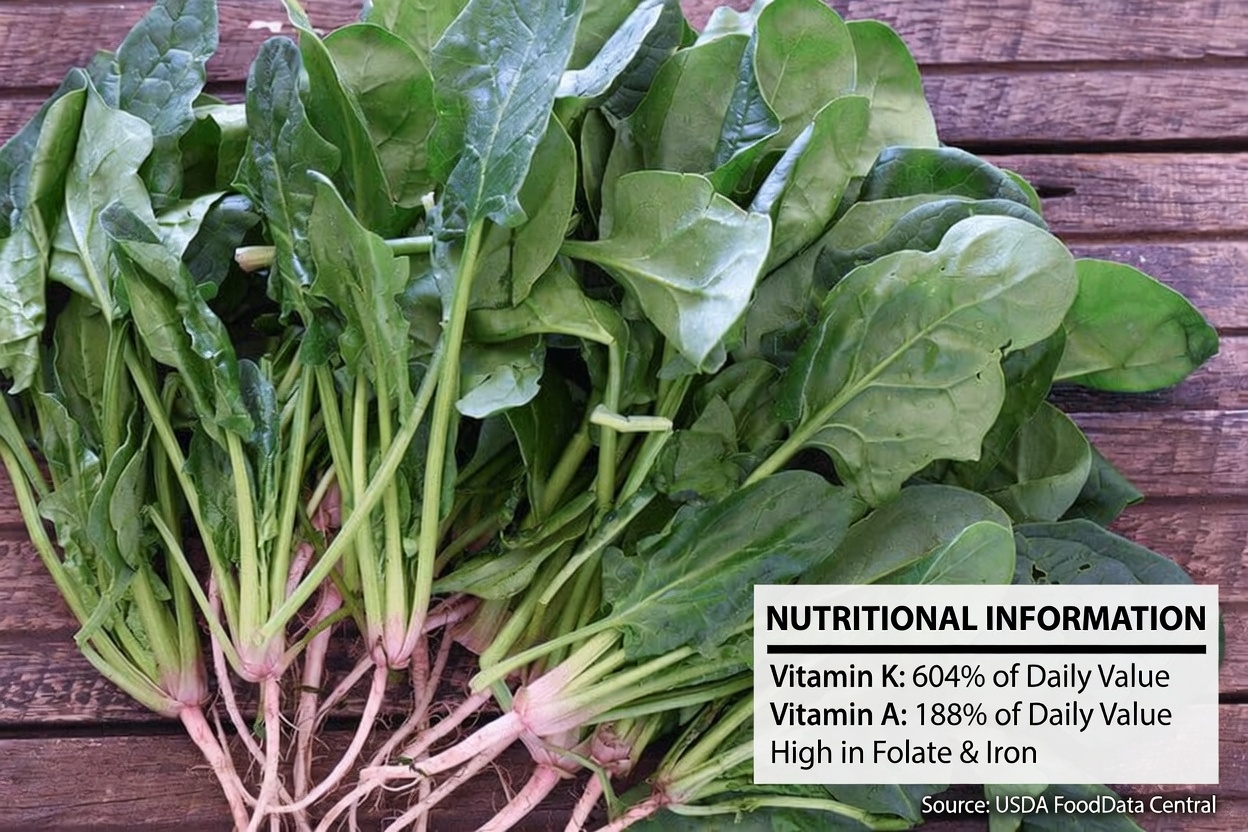
Spinach gets attention for iron, but its benefits go far beyond that—especially when you’re thinking about joint comfort and connective tissue.
Spinach provides key nutrients such as:
- Vitamin C
- Vitamin K
- Beta-carotene
- Magnesium
- Antioxidants (including lutein)
Among these, vitamin C is especially important because it’s required for collagen synthesis. Without enough vitamin C, the body struggles to form strong, stable collagen structures.
Nutrition research shows vitamin C supports enzymes involved in collagen stabilization and cross-linking, which helps connective tissue maintain its integrity over time.
Antioxidants: The “Protect What You Have” Benefit
A commonly missed piece of the puzzle is oxidative stress—a normal byproduct of metabolism that can be amplified by environmental exposures and lifestyle habits. Over time, oxidative stress may contribute to wear in tissues.
Spinach contains antioxidants that help neutralize free radicals. In simple terms: antioxidants help protect the collagen your body already has.
Easy, High-Impact Ways to Eat More Spinach
You don’t need complicated recipes. Try:
- Add a handful of spinach to a morning smoothie
- Mix into omelets or scrambled eggs
- Use spinach as a salad base instead of low-nutrient greens
- Stir into soups during the final minutes of cooking
Light cooking can improve the availability of some nutrients, but heavy cooking may lower vitamin C levels. Gentle steaming is often a good compromise.
One more helpful tip: pairing spinach with healthy fats like olive oil can improve absorption of fat-soluble nutrients.
Vegetable #2: Broccoli (and Other Cruciferous Vegetables)
Broccoli’s Joint-Supporting Nutrient Profile
Broccoli is another standout choice for people who want to support connective tissue through diet. It contains:
- Vitamin C
- Sulforaphane
- Fiber
- Calcium
- Folate
Like spinach, broccoli contributes vitamin C for collagen formation. What makes broccoli particularly interesting is sulforaphane, a naturally occurring plant compound found in cruciferous vegetables.
What Studies Suggest About Sulforaphane
Early-stage research (including preclinical work) suggests sulforaphane may support cellular balance and help reduce oxidative stress. This doesn’t mean broccoli is a substitute for medical care—but it does reinforce how whole foods can play a supportive role in maintaining healthy tissues.
Some laboratory findings indicate sulforaphane may influence biological activity connected to cartilage structure and maintenance. Human research is still developing, but the direction is promising.
Broccoli also offers something supplements often can’t: a package of nutrients that work together, rather than a single isolated compound.
The Best Ways to Prepare Broccoli
Cooking and prep can affect sulforaphane availability. Consider these practical steps:
- Chop broccoli and let it sit for 30–40 minutes before heating
- Steam lightly instead of boiling
- Combine with mustard seeds or mustard powder, which may enhance sulforaphane-related activity
Small preparation choices can make a real difference in nutrient retention and usefulness.
Spinach vs. Broccoli: Quick Comparison
- Vitamin C
- Spinach: High
- Broccoli: Very high
- Vitamin K
- Spinach: Very high
- Broccoli: Moderate
- Key plant compounds
- Spinach: Lutein and other antioxidants
- Broccoli: Sulforaphane
- Fiber
- Spinach: Moderate
- Broccoli: High
- Best preparation
- Spinach: Raw or lightly cooked
- Broccoli: Lightly steamed
The takeaway: they complement each other. Variety matters more than picking a single “best” vegetable.
How Diet Supports Collagen—Naturally
Your body’s collagen production depends on multiple nutrients working together, including:
- Vitamin C (collagen synthesis)
- Amino acids such as glycine and proline (raw materials)
- Copper and zinc (structural support roles)
- Antioxidants (help defend collagen fibers)
Vegetables don’t contain collagen themselves—but they supply essential tools your body uses to build and maintain it.
Important note: food supports normal physiology. It doesn’t replace professional evaluation, diagnosis, or treatment when needed.
The Factor Many People Miss: Movement
Diet is powerful, but connective tissue also responds to mechanical stimulation. In other words, your body maintains collagen and connective tissue more effectively when you move regularly—especially in joint-friendly ways.
Consider activities like:
- Low-impact walking
- Light resistance training
- Swimming
- Controlled mobility work
For many people, the combination of nutrient-dense foods plus consistent movement supports joint comfort more than either approach alone.
The Overlooked Habit That Helps Tie It Together: Protein Timing
Here’s the habit that often gets ignored: how you distribute protein across the day.
Collagen is built from amino acids, so even if you eat vegetables rich in vitamin C and antioxidants, your body still needs adequate protein to supply building blocks.
A simple approach:
- Include protein at breakfast
- Choose a balanced lunch with lean protein
- Eat a protein-rich dinner
- Use plant options such as lentils, beans, tofu, or tempeh if preferred
Nutrition research suggests that spreading protein intake more evenly may support muscle and connective tissue maintenance better than eating most of your protein in one meal.
When you combine spinach + broccoli + adequate protein + regular movement, you create a stronger foundation for long-term joint support.
A Simple 7-Day Starter Plan
If you want an easy structure, try this:
- Days 1–2: Add 1 serving of spinach daily
- Days 3–4: Include broccoli at dinner twice this week
- Day 5: Replace refined snacks with a leafy-green side
- Day 6: Add 20 minutes of gentle movement
- Day 7: Review consistency and adjust your plan
Small actions repeated consistently usually outperform dramatic short-term changes.
Other Lifestyle Habits That Influence Joint Comfort
Nutrition matters, but it’s only one piece. Also consider:
- Hydration (supports joint lubrication)
- Maintaining a healthy, sustainable body weight
- Stress management
- Prioritizing high-quality sleep
Chronic stress can influence inflammation-related pathways. Sleep supports repair processes. Hydration supports the joint environment. These factors work together.
Common Misconceptions About Collagen and Food
-
Myth: Eating collagen automatically rebuilds joints
Reality: Collagen is digested into amino acids, and the body decides how to use them. -
Myth: One “superfood” can dramatically transform joint structure
Reality: Joint health depends on many factors—genetics, activity, overall diet, and more. -
Myth: Supplements always beat whole foods
Reality: Whole foods deliver networks of nutrients that supplements often can’t fully replicate.