Managing blood sugar can be stressful—especially when daily ups and downs affect your energy, mood, and overall well-being. Many people look for dependable ways to support steadier glucose levels without relying only on strict diet changes or adding more products, which can lead to frustration and inconsistent routines. The good news is that research points to a simple, practical habit that may help you see meaningful changes sooner than you expect—and it fits into real life.
Why Regular Physical Activity Is a Top Strategy for Blood Sugar Support
Among the most effective lifestyle approaches for healthy blood sugar management, regular physical activity consistently stands out. Guidance and findings referenced by organizations such as the American Diabetes Association suggest that movement helps your body use glucose more efficiently, often showing up as improved blood sugar readings in a relatively short time.

The best part is that you don’t need a dramatic lifestyle makeover. Instead, small, sustainable changes—done consistently—can add up.
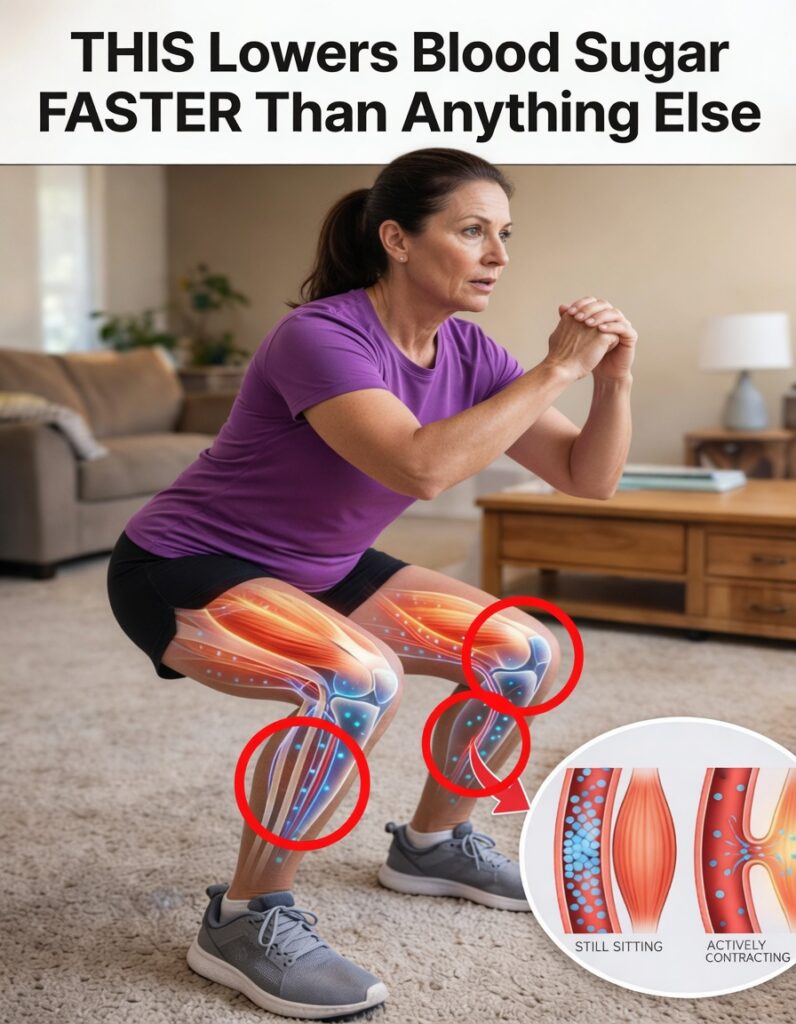
Research also shows that moderate activity can improve insulin sensitivity, meaning your cells become better at pulling sugar out of the bloodstream. This happens in large part because working muscles actively draw in glucose during movement and continue doing so afterward.
Unlike quick, short-lived fixes, consistent physical activity supports long-term metabolic health.
How Daily Movement Helps Maintain Glucose Balance
Formal workouts are helpful, but everyday movement plays a major role in keeping blood sugar steadier throughout the day. Simple habits like a short walk after meals, taking the stairs, or standing up more often can help reduce post-meal spikes.
Prolonged sitting has been linked in studies to reduced insulin effectiveness, which is why breaking up sedentary time matters.
Think of your body as built for motion—light activity keeps the system working smoothly instead of letting glucose build up in the bloodstream.
Harvard Health Publishing has highlighted that working up to roughly 10,000 steps per day may support better glucose control without requiring intense training. Pairing daily movement with intentional exercise can strengthen these benefits even further.
The Science: Muscle Engagement and Glucose Use
Your muscles are one of your strongest allies in blood sugar control. When muscles contract, they use glucose as fuel, which directly lowers circulating sugar levels. In addition, contracting muscles release signals that can improve how other tissues respond to insulin.
Peer-reviewed research (including reports published in journals such as the Journal of Clinical Endocrinology & Metabolism) describes how exercise-related changes support broader metabolic function.

These advantages often extend beyond glucose, supporting areas like:
- Cardiovascular health
- Cholesterol and lipid profiles
- Overall energy and stamina
A key success factor is choosing activities that match your current fitness level, so the routine feels doable—not overwhelming.
Immediate vs. Long-Term Benefits of Moving More
One reason exercise is so appealing for blood sugar support is that the impact can be fast. Some studies show improved blood sugar values within hours after activity.
Over the long term, consistent movement is also linked with improvements in broader health markers. The Centers for Disease Control and Prevention (CDC) notes benefits that may include healthier:
- Blood pressure
- Cholesterol levels
- Weight management outcomes
Importantly, the blood sugar benefits can last: the insulin-sensitizing effect of exercise may persist for up to 24–48 hours after a session, making consistency a powerful tool for lasting wellness.
Five Beginner-Friendly At-Home Exercises (No Gym Required)
If you’re ready to start, try these simple exercises at home with minimal or no equipment. Aim for a moderate intensity—you should be able to talk, but still feel challenged.

-
Wall Push-Ups
- Stand an arm’s length from a wall, hands shoulder-width apart.
- Bend elbows to lean in, then push back.
- Do 10–15 reps for gentle upper-body strength.
-
Chair Squats
- Sit on a stable chair, stand up slowly using your legs, then sit back down.
- Repeat 8–12 reps to build leg strength and balance.
-
Resistance Band Rows (or Towel Rows)
- Hold a band (or towel) and pull elbows back as if rowing.
- Squeeze shoulder blades together.
- Aim for 10 reps to strengthen back muscles.
-
Band Deadlifts
- Step on a resistance band, hold the ends.
- Hinge at the hips, stand tall, then lower with control.
- Do 8–10 reps for glutes and hamstrings.
-
Shoulder Presses
- Use a band, light weights, or water bottles.
- Press overhead from shoulder height.
- Complete 10–12 reps for shoulders and arms.
Start with 1–2 sets, rest as needed, and track progress weekly to stay motivated.
What If You’re Older or New to Exercise?
If you’re older, returning after a long break, or managing limitations, it’s normal to wonder whether exercise is safe or realistic. In many cases, it is—especially with the right modifications.
You can start with:
- Seated versions of movements
- Shorter sessions (even 5–10 minutes)
- Slower pacing and longer rest
Findings in sources such as the British Journal of Sports Medicine suggest that even light activity in older adults can support glucose metabolism with low risk when done appropriately.
If you have medical conditions or concerns, consult a healthcare professional for personalized guidance. Most importantly, remember: all movement counts.
How to Stay Consistent Without Burning Out
The goal isn’t perfection—it’s repetition. Consistency is what turns occasional activity into a reliable blood sugar support tool.
Try these practical strategies:
- Set a small target like 10 minutes per day
- Attach movement to an existing routine (walk after lunch, stretch after brushing teeth)
- Use reminders or calendar blocks
- Increase gradually, not all at once
Research discussed in outlets such as the European Journal of Sport Science emphasizes the value of progressive, manageable increases over extreme plans that are hard to maintain.
Real-Life Results: What You Can Expect Over Time
Many people report feeling more energetic and noticing steadier blood sugar patterns after they begin moving consistently. Results vary by person, but regular effort often aligns with improvements in common health measures over time.
Evidence summaries like those from Cochrane Reviews also associate consistent physical activity with better glycemic control.
Progress typically builds gradually—so small wins matter.
Choosing the Right Exercise Type for Blood Sugar Support
Here’s a clearer way to compare options and choose what fits your lifestyle:
-
Aerobic (Walking, brisk walking)
- Intensity: Low to moderate
- Benefit: Helps stabilize glucose over time
- Equipment: None
-
Strength Training (Squats, push-ups)
- Intensity: Moderate
- Benefit: Muscles quickly take up glucose
- Equipment: Minimal (bands optional)
-
HIIT (Intervals)
- Intensity: High
- Benefit: Strong post-exercise effects (effort-dependent)
- Equipment: None, but monitor intensity carefully
-
Daily Movement (Stairs, gardening, housework)
- Intensity: Low
- Benefit: Helps prevent spikes across the day
- Equipment: Everyday items
Extra Tips to Strengthen Your Routine
To get more out of your efforts:
- Add variety by rotating exercises weekly
- If you monitor glucose, check before and after activity to learn your patterns
- Support movement with hydration and balanced meals
- Prioritize sleep, which strongly affects metabolic health
Conclusion: Make Movement Your Most Reliable Habit
Regular physical activity—combined with more daily movement—is a practical, research-backed way to support healthier blood sugar levels. Start small, build gradually, and focus on consistency so it becomes part of everyday life rather than a short-term plan.
The “surprising tip” that often makes the biggest difference is this: treat movement as self-care, not a chore. That mindset shift can be the key to sticking with the habit long enough to see real change.
Frequently Asked Questions
What types of activity are best for managing blood sugar?
A combination tends to work well: aerobic activity (like walking) paired with strength training (like squats or push-ups) can offer well-rounded support. Begin with what feels safe and realistic, then increase gradually as your fitness improves.