
A Simple 3-Ingredient Morning Habit to Support Heart Health After 40
After 40, it’s common to notice changes you didn’t think about before—lower energy, slightly higher readings on at-home blood pressure checks, or a lingering concern about keeping your heart and circulation in good shape. It can feel discouraging when your body doesn’t bounce back like it used to.
The encouraging part: a quick daily “shot” made from three everyday kitchen ingredients may help support healthy blood flow, lower inflammation, and provide steady, day-to-day cardiovascular support. Below is the science-backed “why,” plus an easy recipe you can start tomorrow.

Why Extra Virgin Olive Oil Supports Cardiovascular Wellness
Extra virgin olive oil (EVOO) is one of the most studied staples of the Mediterranean eating pattern. Research repeatedly links regular EVOO intake to a lower risk of heart-related problems—especially when it becomes a consistent daily habit.
Here’s what makes it so valuable for heart health:
- Monounsaturated fats (especially oleic acid) help support a healthier cholesterol balance by keeping LDL (“bad”) cholesterol in check while supporting HDL (“good”) cholesterol.
- Polyphenols and vitamin E act as antioxidants that help protect the endothelium—the delicate inner lining of blood vessels.
- Those same protective compounds may also help blood vessels stay relaxed and flexible, which supports smoother circulation and healthy blood pressure levels.
Chia Seeds: Small Seeds, Big Benefits for Inflammation and Circulation
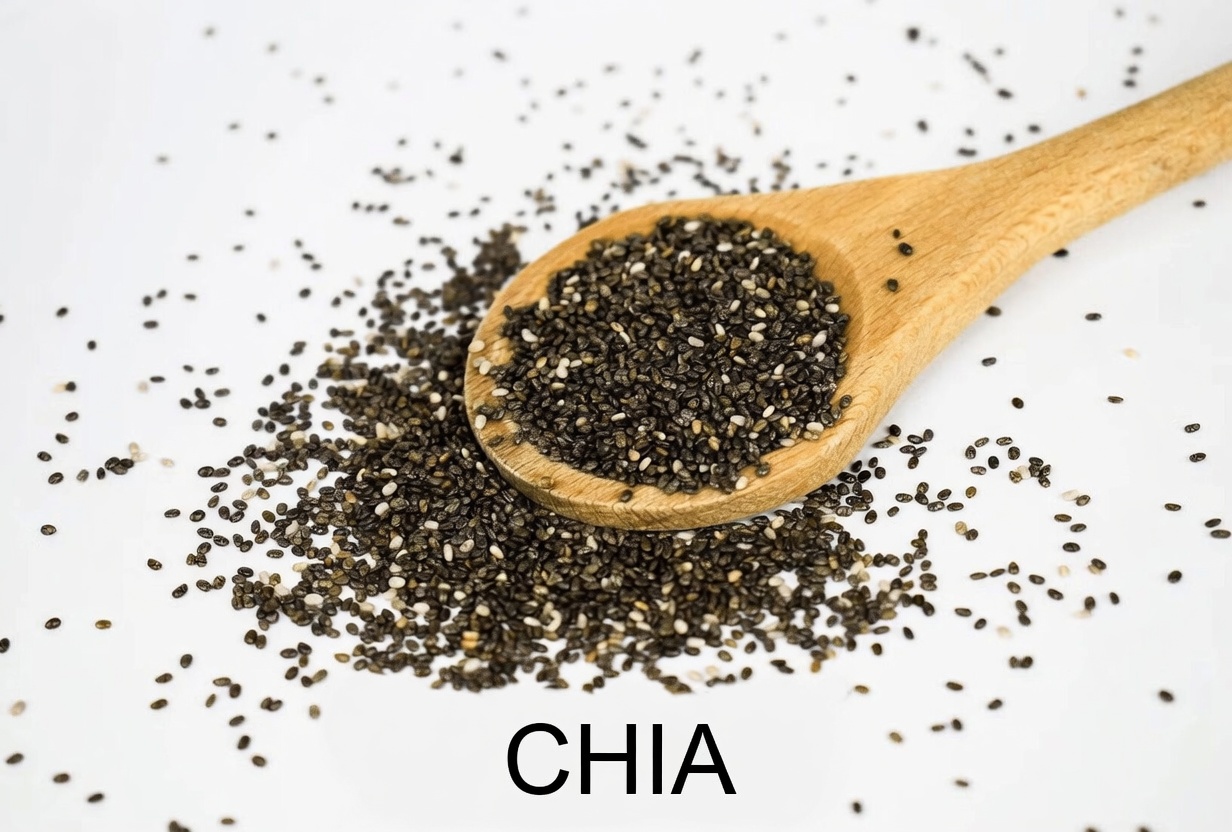
Chia seeds may be tiny, but they’re packed with nutrients strongly connected to long-term heart support: plant-based omega-3s (ALA), fiber, and antioxidants. Studies associate regular chia intake with improvements in areas that matter for cardiovascular health, including:
- healthier lipid markers,
- reduced inflammation signals,
- better insulin sensitivity and blood sugar control.
A standout benefit is chia’s soluble fiber, which absorbs liquid and forms a gel-like texture in the digestive tract. This helps nourish beneficial gut bacteria, which can produce short-chain fatty acids such as butyrate—a compound studied for its ability to help calm inflammation throughout the body, including the vascular system.
Chia can also help you stay full longer, indirectly supporting weight management, another key pillar of heart health.
Key Chia Seed Benefits (Quick Snapshot)
- Rich in omega-3 ALA, supporting heart rhythm and inflammatory balance
- Provides 10+ grams of fiber per 2 tablespoons
- May support steadier blood sugar and improved insulin response
- Offers a natural prebiotic effect, reinforcing the gut–heart connection
Cayenne Pepper: A Natural Circulation Booster
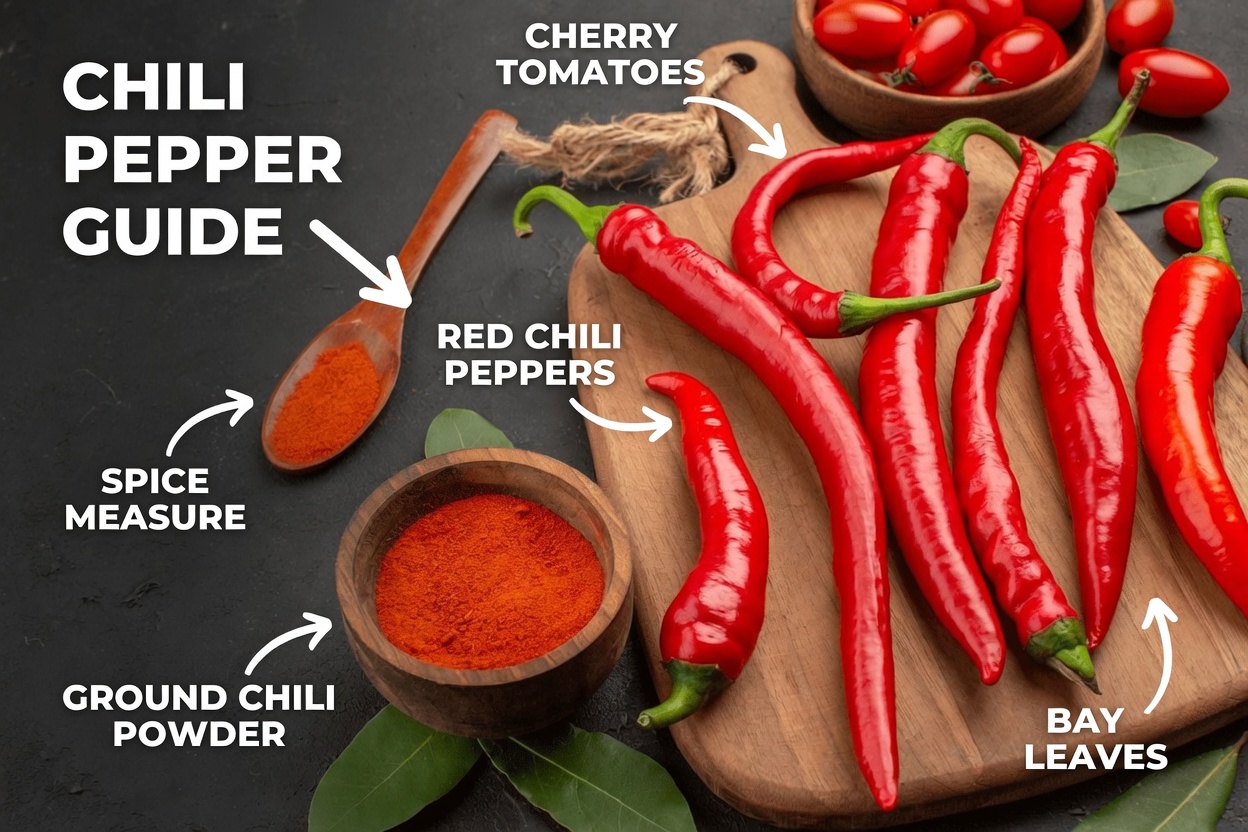
If you can handle a little heat, cayenne pepper brings a unique advantage. Its active compound, capsaicin, has been researched for supporting nitric oxide activity. Nitric oxide is your body’s natural vasodilator—it helps blood vessels widen so blood can move more freely, easing strain on the cardiovascular system.
Research (including clinical and animal studies) suggests capsaicin may help:
- support healthy blood pressure,
- reduce excessive platelet “stickiness,”
- improve endothelial function,
- provide a mild metabolic boost that can support weight goals over time.
What Each Ingredient Contributes (At a Glance)
- Extra virgin olive oil: polyphenols + oleic acid → antioxidant vessel support and cholesterol balance
- Chia seeds: omega-3 ALA + fiber → anti-inflammatory support and gut-driven cardiovascular benefits
- Cayenne pepper: capsaicin → nitric oxide support for circulation and vessel function
The 5-Minute “Daily Shot” Recipe (3 Ingredients)
What You’ll Need
- 1–2 teaspoons chia seeds
- 1–2 oz extra virgin olive oil (about 2–4 tablespoons; choose a high-quality EVOO you like the taste of)
- 1–2 dashes cayenne pepper (start with less if you’re sensitive)
Instructions
- Add the chia seeds and extra virgin olive oil to a small shot glass.
- Add a dash (or two) of cayenne pepper.
- Stir gently, then let it sit for 10–15 minutes until the chia expands and forms a gel-like consistency.
How and When to Take It
You have a few options:
- Take it as a shot, then follow with water if you prefer.
- Mix it into yogurt or a smoothie if you’d rather not drink it straight.
Many people find it works best:
- first thing in the morning before breakfast, or
- 30 minutes before the largest meal of the day.
Start with one serving daily and pay attention to how your body responds.
What People Often Notice After a Few Weeks
While experiences vary, common feedback includes:
- steadier afternoon energy,
- smoother digestion (less bloating, more regularity),
- easier portion control because they feel satisfied longer,
- a general sense that circulation and overall “flow” feels better.
This isn’t a magic cure, but it’s a low-effort habit built around ingredients with substantial research behind them.
Frequently Asked Questions
-
Can I leave out the cayenne if I don’t like spicy food?
Yes. The olive oil + chia seeds combination still offers strong benefits. Some people skip cayenne at first and add it later once they adjust. -
Is this okay if I take blood pressure medication or blood thinners?
Be cautious. Cayenne and olive oil may have mild blood-thinning effects, so it’s important to check with your clinician first—especially if you take prescription medications. -
How soon might I notice changes?
Many people report small digestion and energy shifts within 7–10 days. If you track cardiovascular markers (like bloodwork), meaningful changes often require 8–12 weeks of consistency.
Important Disclaimer
This content is for informational purposes only and is not medical advice. Talk with a qualified healthcare professional before making major dietary changes—especially if you have cardiovascular conditions, are taking medications, are pregnant, or have any ongoing health concerns. Results vary from person to person.
Final Takeaway
A 3-ingredient daily shot using extra virgin olive oil, chia seeds, and cayenne pepper is inexpensive, fast to prepare, and easy to fit into a routine. Try it consistently for two weeks and track how you feel—energy, digestion, appetite, and overall wellness often tell the story first.