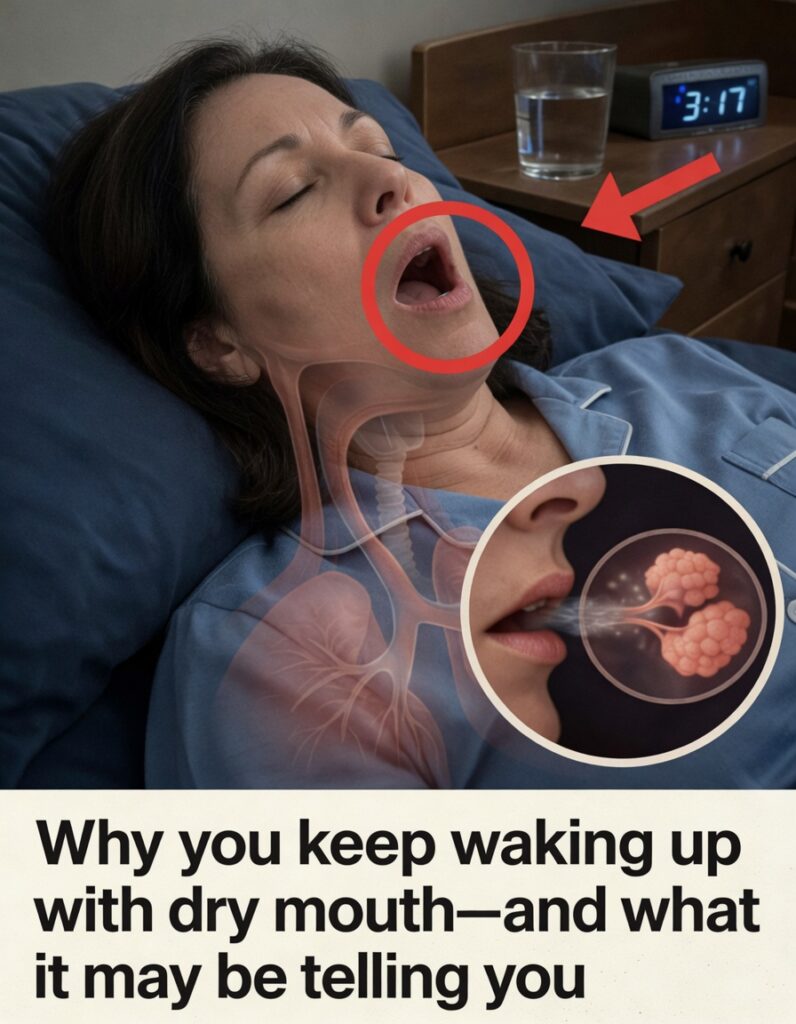
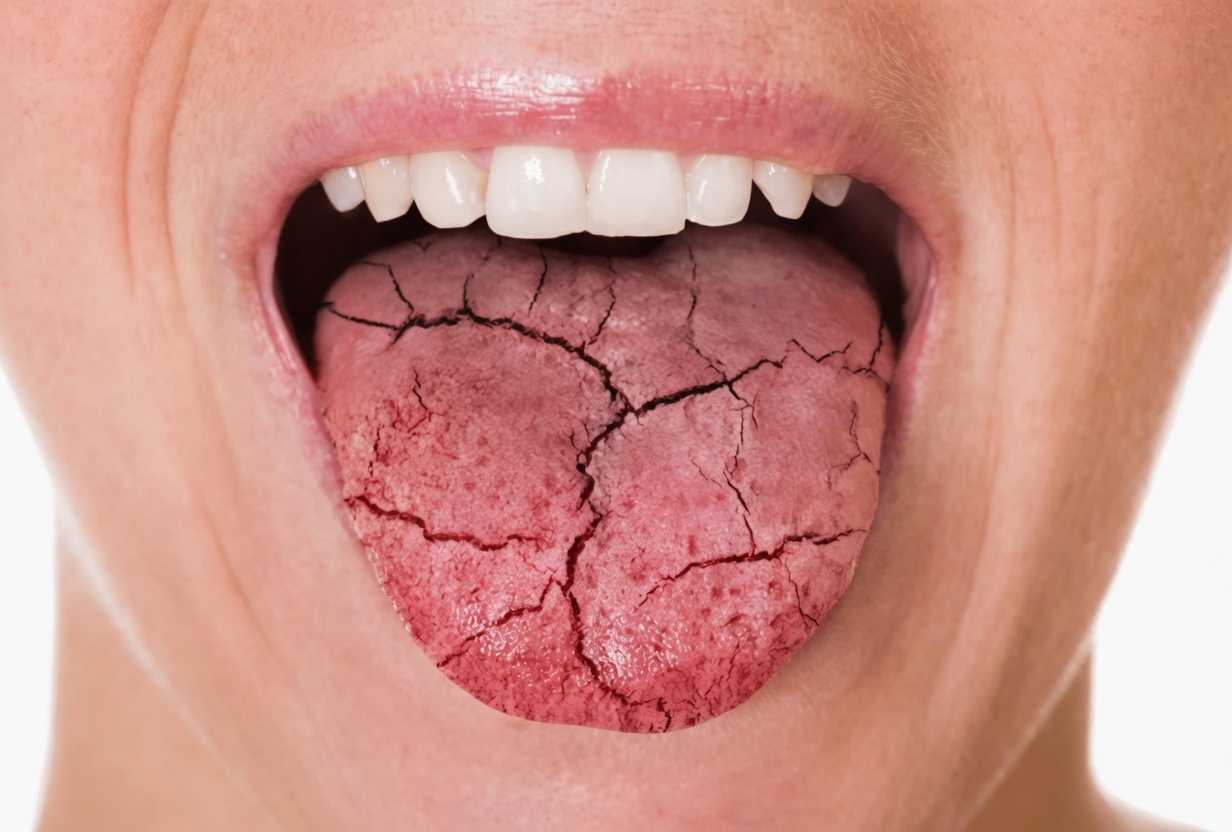
Waking up with a dry mouth can be surprisingly miserable—your tongue feels tacky, your throat is parched, and your sleep may feel less restorative. While nighttime dry mouth is common, it can be caused by simple daily habits or point to an issue worth checking. The upside is that once you understand the likely triggers, you can take practical steps to feel better fast—including one simple bedroom change that may transform your nights.
What Is Nighttime Dry Mouth (Nocturnal Xerostomia)?
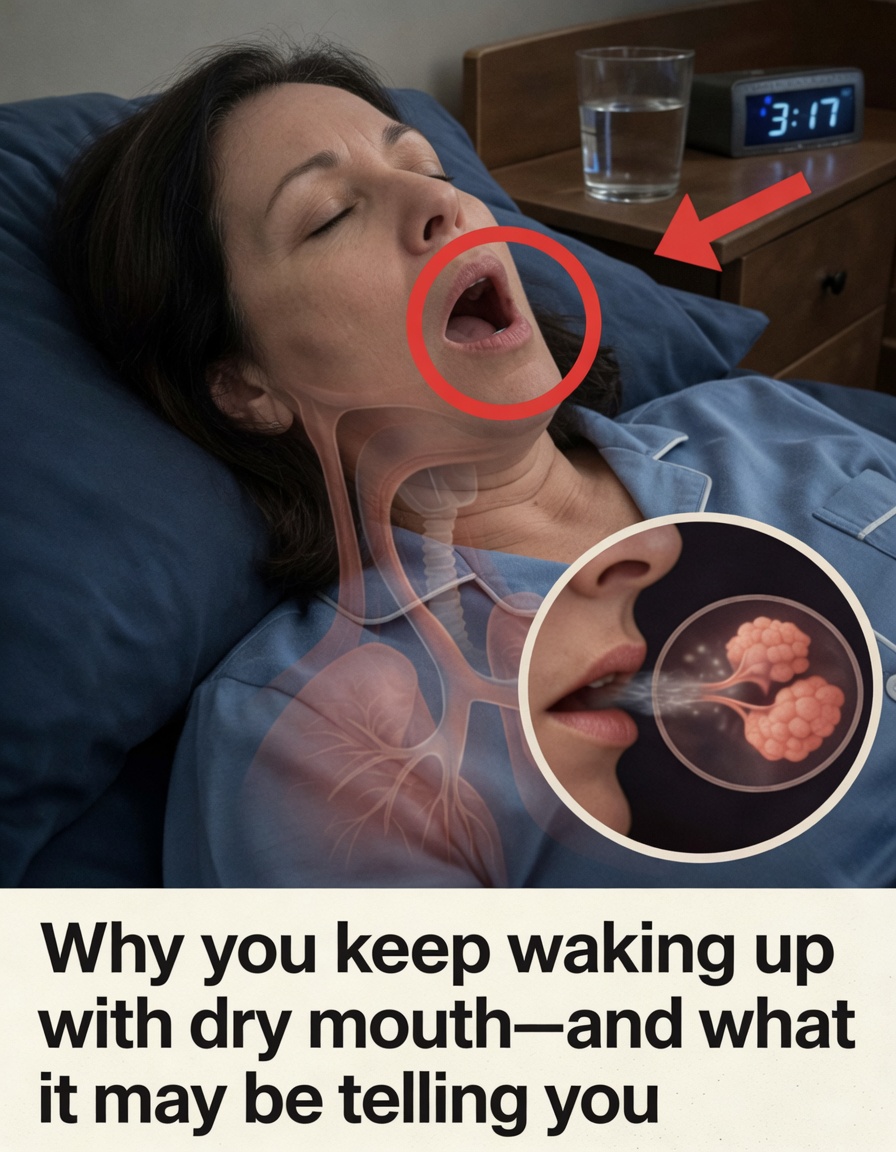
Nighttime dry mouth—also called nocturnal xerostomia—happens when your body produces less saliva while you sleep. Saliva is essential for:
- Keeping oral tissues comfortable and lubricated
- Supporting early digestion
- Protecting teeth by helping neutralize acids and limiting decay
According to organizations such as the American Dental Association, dry mouth affects many adults, and it becomes more common with age. It also tends to feel worse at night because saliva flow naturally slows during sleep as your body shifts into a rest-and-repair mode.
Why Your Mouth Gets Dry at Night: The Most Common Causes
Below are the most frequent reasons people experience dry mouth while sleeping, along with what to watch for.
1. Age-Related Drops in Saliva Production
As you get older, the salivary glands may produce less saliva overall—especially at rest and during sleep. Research published in journals such as the Journal of Dental Research suggests that adults over 60 can experience a notable reduction (often cited around 38–44%) in resting saliva.
On its own, this decline might be mild, but when combined with other factors (like medications or mouth breathing), it can lead to that gritty, “sandpaper mouth” feeling in the morning.
2. Mouth Breathing, Snoring, and Sleep Apnea
Breathing through your mouth exposes oral tissues to moving air, which evaporates moisture quickly. Mouth breathing is often linked with:
- Snoring
- Nasal congestion or allergies
- Sleep apnea (when breathing repeatedly pauses and resumes during sleep)
Clues that mouth breathing may be involved include waking with dry mouth plus headaches, fatigue, or unrestful sleep. Medical sources such as the Cleveland Clinic often emphasize addressing nasal blockage as a key step.
A simple starting point: try a saline nasal spray or rinse before bed to encourage nose breathing.
3. Medication Side Effects (A Very Common Trigger)
Dry mouth is a known side effect for hundreds of medications (often cited as 500+), including treatments for:
- Allergies (antihistamines)
- High blood pressure
- Anxiety, depression, and other mood conditions
These medications can reduce saliva by altering the nerve signals that normally stimulate salivary glands. If your dryness began after starting a new prescription (or increasing a dose), the timeline matters.
Do not stop medications on your own. Instead, ask your healthcare provider whether an alternative, dose adjustment, or supportive strategy is appropriate. For temporary relief, sugar-free gum or lozenges may help stimulate saliva.
4. Dehydration and Evening Drinks (Caffeine or Alcohol)
If you’re not drinking enough water during the day, your body has fewer fluids available to support healthy saliva production overnight. In addition:
- Caffeine can contribute to dehydration for some people
- Alcohol can dehydrate and may worsen snoring by relaxing throat tissues
- Tobacco can irritate salivary glands and reduce output
Health organizations such as the Mayo Clinic commonly highlight these connections.
A helpful approach: hydrate consistently throughout the day and reduce alcohol or caffeine close to bedtime.
5. Autoimmune Conditions (Including Sjögren’s Syndrome)
Some autoimmune disorders interfere with moisture-producing glands. Sjögren’s syndrome is a classic example, often causing persistent dryness in:
- The mouth
- The eyes
Nighttime symptoms can feel stronger when your baseline saliva is already low. If dry mouth occurs alongside dry eyes, joint discomfort, or unusual fatigue, it’s worth discussing with a clinician. Early evaluation can clarify the cause and guide symptom management.
6. Diabetes and Other Medical Conditions
Metabolic and systemic conditions can also affect saliva. With diabetes, elevated blood sugar can impact blood vessels and nerves, potentially changing salivary gland function and increasing dehydration risk—sometimes without obvious thirst.
Other neurological issues or previous injuries may also disrupt saliva regulation. Research in diabetes-focused medical literature supports the link between blood sugar control and oral dryness.
If dry mouth is persistent, consider discussing broader health screening with your doctor.
7. Smoking, Vaping, and Substance Use
Smoking and vaping expose the mouth to heat and chemicals that can damage salivary glands and raise the risk of oral health complications. Evidence cited by agencies such as the Centers for Disease Control and Prevention supports that quitting can improve overall oral health, and many people notice less dryness over time.
Some recreational substances can suppress saliva for extended periods, particularly when used in the evening or at night.
8. Cancer Treatments or Salivary Gland Damage
Radiation therapy (especially to the head and neck), certain chemotherapy regimens, and surgeries involving salivary glands can lead to long-lasting changes in saliva production.
In these cases, symptom relief may require targeted strategies such as:
- Prescription saliva substitutes or stimulants
- Bedroom humidity support
- Dentist-guided preventive care to reduce cavities
Collaboration with your dental and medical team is especially important when dry mouth is treatment-related.
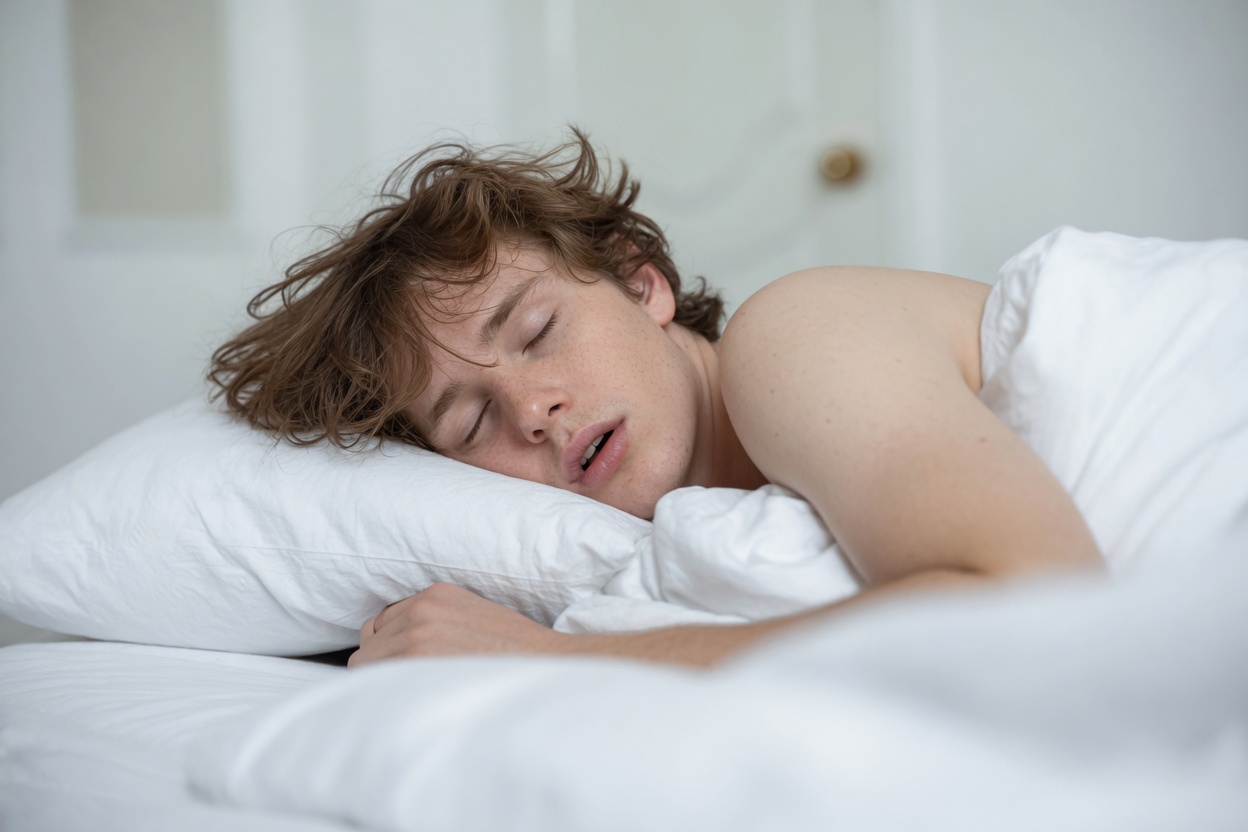
Practical Ways to Reduce Dry Mouth at Night (Try These Tonight)
If you want relief quickly, these step-by-step strategies are a good place to start:
- Hydrate consistently: Drink water throughout the day, and keep a glass by your bed for small sips if you wake up.
- Encourage saliva flow: Use sugar-free gum or lozenges before bed (avoid sugary products that increase cavity risk).
- Support nose breathing: Consider saline rinses, nasal strips, or addressing allergies/congestion.
- Adjust evening habits: Limit alcohol, caffeine, and tobacco, especially in the hours before sleep.
- Upgrade your oral care: Brush with fluoride toothpaste to protect enamel; dry mouth increases cavity risk.
Quick Fix Guide: Common Causes and What Helps
| Trigger | Quick Fix |
|---|---|
| Dehydration | Increase water intake throughout the day |
| Mouth breathing | Saline nasal rinse, nasal strips, address congestion |
| Medications | Ask your provider about alternatives or supportive options |
| Smoking/vaping | Explore cessation support and reduce evening exposure |
When to See a Dentist or Doctor
Get professional guidance if dry mouth:
- Doesn’t improve after lifestyle changes
- Comes with trouble swallowing, persistent sore throat, or hoarseness
- Occurs with eye dryness/irritation, joint pain, or ongoing fatigue
- Is paired with frequent cavities, gum problems, or mouth sores
A dentist or physician can evaluate medication effects, oral health complications, and possible underlying conditions.
The Unexpected Tip: Add Moisture to Your Bedroom Air
One of the simplest changes that can make a noticeable difference is placing a humidifier in your bedroom. By increasing ambient moisture, you may reduce overnight evaporation—especially helpful for mouth breathers or people in dry climates.
Key Takeaways
Nighttime dry mouth can be caused by normal sleep-related saliva reduction, aging, mouth breathing, dehydration, medications, smoking/vaping, and certain medical conditions. The most effective improvements often come from:
- Better hydration
- Supporting nose breathing
- Tweaking evening habits
- Strengthening oral care
- Seeking medical input when symptoms persist
Protecting saliva supports more than comfort—it helps safeguard your teeth, sleep quality, and overall well-being.
FAQ
What causes dry mouth only at night?
Most often it’s due to naturally reduced saliva during sleep, made worse by mouth breathing, dehydration, or medications. Tracking when it happens can help identify the most likely trigger.
Is nighttime dry mouth a sign of something serious?
Sometimes. If it’s persistent or comes with other symptoms (like fatigue, joint pain, or dry eyes), it may suggest an underlying issue. A healthcare professional can help determine the cause.
How can I prevent dry mouth while sleeping?
Focus on steady hydration, nose breathing support, and reducing alcohol/caffeine/tobacco in the evening. Sugar-free lozenges, sprays, or other over-the-counter aids may also help.
Medical Disclaimer
This article is for informational purposes only and is not a substitute for professional medical advice, diagnosis, or treatment. Always consult your physician or another qualified health provider with questions about a medical condition.