Seeing alarming headlines about cassava (yuca) toxicity can make grocery shopping and dinner prep feel tense—especially when you’re trying to serve affordable, nourishing meals without hidden risks. That uncertainty can turn a simple root vegetable into a stressful “should I or shouldn’t I?” decision. The good news: once you understand the real science and the right preparation, cassava (yuca) can be enjoyed safely and confidently.
What Is Cassava (Yuca)?
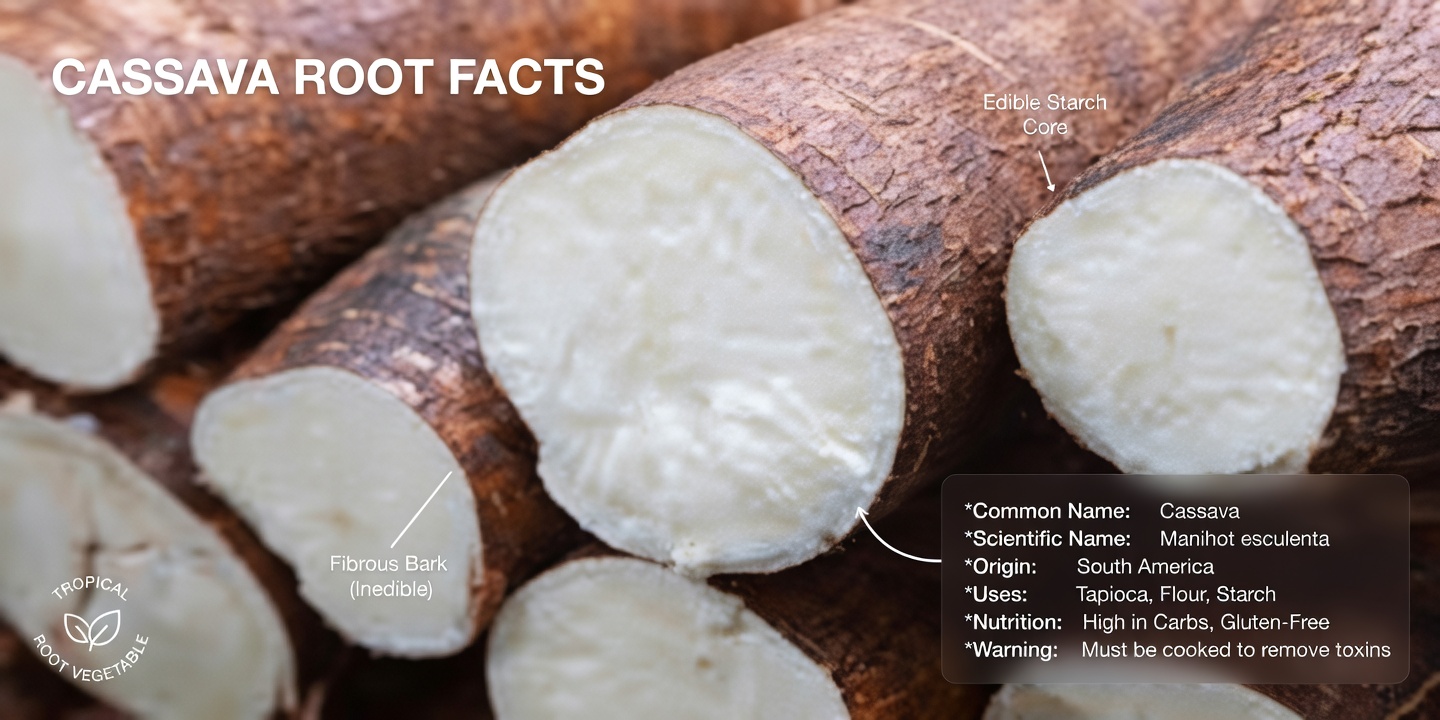
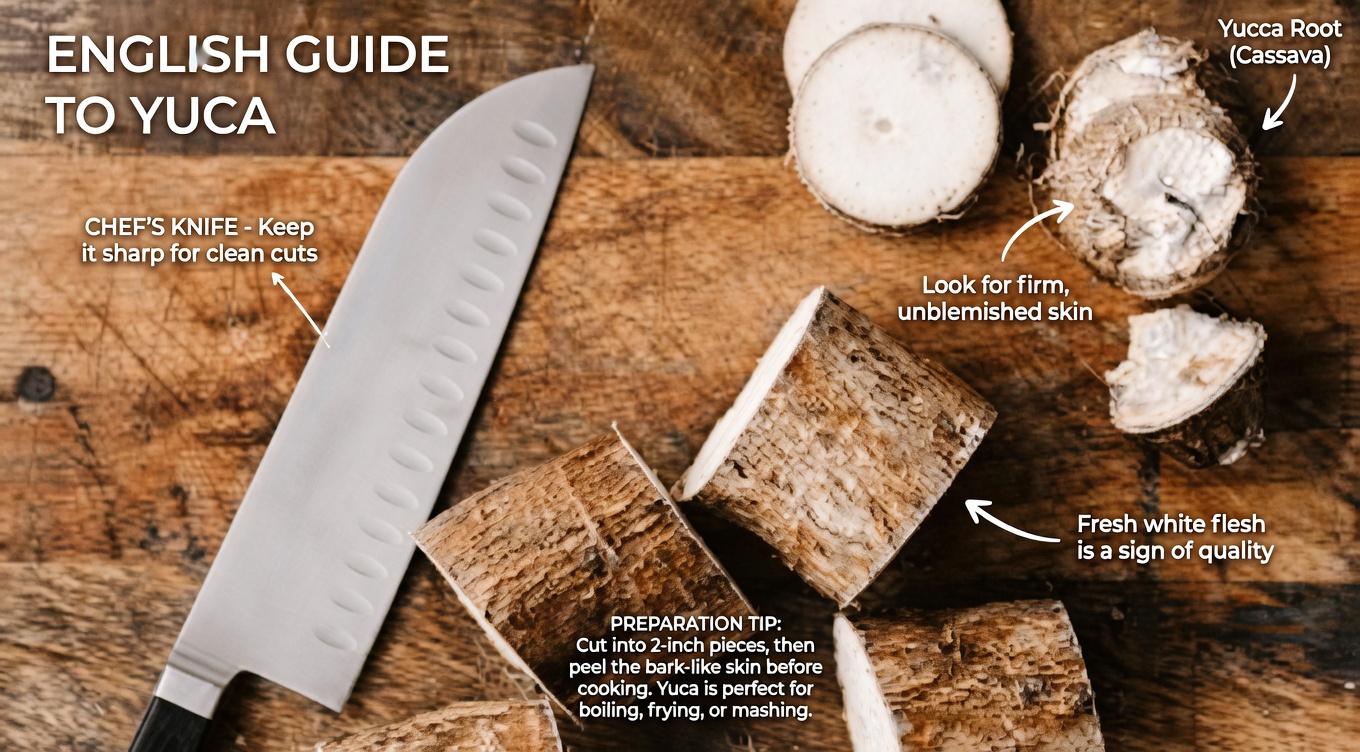
Cassava (yuca) is a tough tropical root vegetable, often shaped like a long, brown sweet potato with white or pale-yellow flesh. Because it’s frequently discussed alongside safety concerns, many people hesitate to use it—even though it’s a dependable source of energy.
Cassava grows well in dry climates and nutrient-poor soils, which is one reason it supports the diets of hundreds of millions of people worldwide. You’ll find it in many forms, including:
- Tapioca pearls
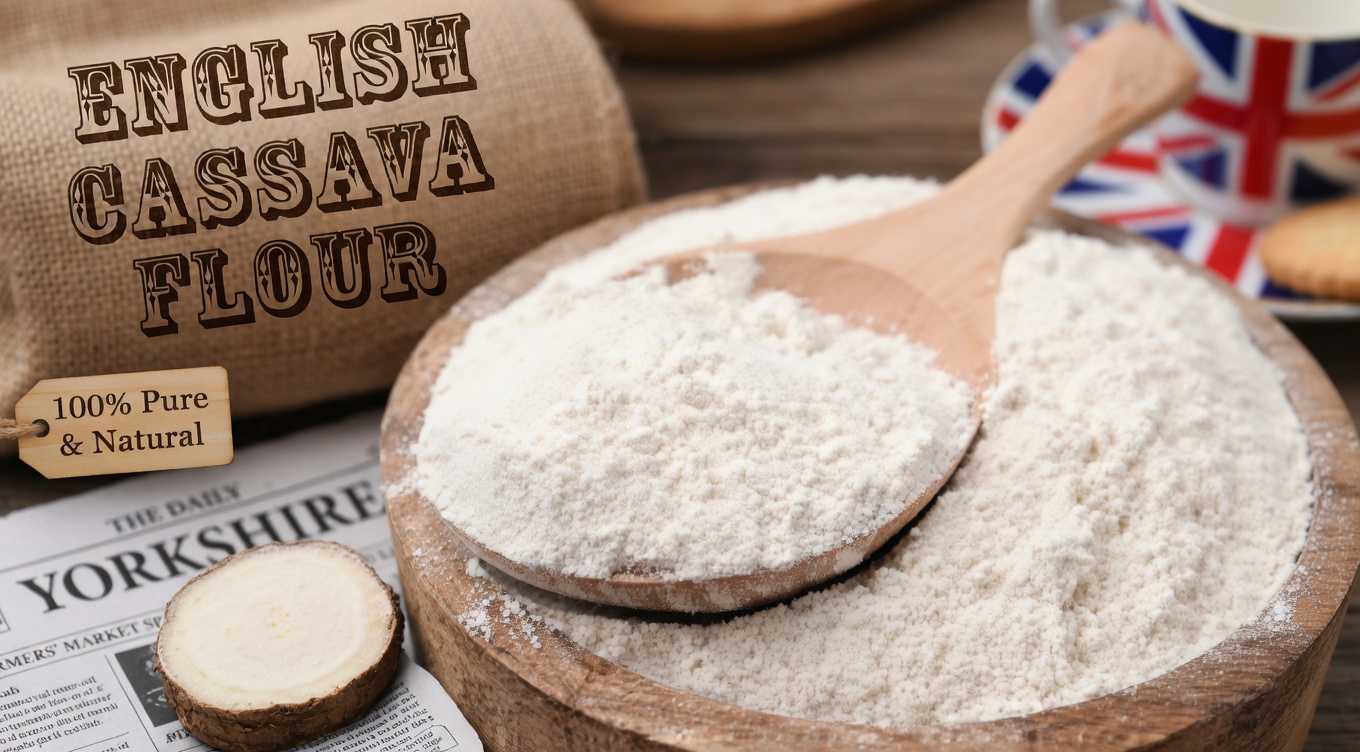
- Cassava flour and gluten-free baked goods
- Fries and chips
- Traditional porridges and stews across Africa, Latin America, and Asia
Cassava (Yuca) Nutrition: What You’re Actually Getting
From a nutrition standpoint, cassava (yuca) is best known for being high in carbohydrates, making it a practical fuel source for daily activity.
It also provides:
- Vitamin C, which supports immune function and skin health
- Potassium, important for muscles and fluid balance
- Naturally gluten-free starch, helpful for people avoiding gluten
That said, cassava (yuca) is not a complete food on its own—it’s relatively low in protein and several key micronutrients. This is why how you build meals around cassava matters.
Why Experts Warn About Cassava (Yuca)
The concern comes from naturally occurring compounds in cassava called cyanogenic glycosides. If cassava is handled or cooked incorrectly—especially certain varieties—these compounds can release cyanide.
Key points that add nuance (and often get skipped in headlines):
- Sweet cassava generally contains lower levels and is easier to prepare safely
- Bitter cassava can contain more and requires careful processing
- Health problems reported in research typically involve long-term reliance on poorly processed cassava, not normal, varied eating patterns
Is Cassava (Yuca) Safe to Eat?
For most people, yes—cassava (yuca) is safe when prepared properly and eaten as part of a varied diet.
Also important: widely sold products such as tapioca, cassava flour, and packaged cassava foods are typically produced under safety standards designed to reduce risk.
Safety issues are most likely when:
- Cassava is eaten in very large amounts with little dietary variety
- Raw roots are processed quickly or incorrectly at home
- Bitter cassava is used without proper methods
In everyday cooking, enjoying cassava occasionally—especially alongside other foods—keeps risk very low.
Health Benefits of Cassava (Yuca) When Used Responsibly
When included in balanced meals, cassava (yuca) can offer real advantages:
- Reliable energy from complex carbohydrates
- Gluten-free option for people with gluten sensitivity or celiac disease
- A role in global food security, especially in regions where other crops struggle
- Useful vitamins and minerals, particularly vitamin C and potassium
Cassava isn’t a “miracle food,” but it’s also far from the villain it’s sometimes made out to be.
The Biggest Risk: Over-Reliance on Cassava (Yuca)
The most realistic concern isn’t occasional cassava—it’s a diet built around cassava without enough:
- Protein
- Healthy fats
- Iron, zinc, and other micronutrients
Experts generally don’t advise eliminating cassava (yuca). Instead, they emphasize diet diversity.
Quick Balanced View of Cassava (Yuca)
-
Energy from carbs
- Benefit: steady fuel
- If overdone: displaces protein and fats
-
Gluten-free
- Benefit: safer for sensitivities
- If overdone: may crowd out more nutrient-dense staples
-
Vitamin C & potassium
- Benefit: supports immunity and muscles
- If overdone: still low in iron and zinc long-term
Cassava (Yuca) vs. Tapioca: What’s the Difference?
Tapioca is made from cassava starch, but it’s highly refined. That means:
- Tapioca is mostly carbohydrate, with minimal fiber or protein
- Whole cassava root generally offers more nutrients than tapioca-based products
So if you enjoy tapioca (like bubble tea pearls or pudding), it’s smart to balance it with protein, fiber, and nutrient-rich foods elsewhere in the day.
Why Clickbait Headlines Get Cassava (Yuca) Wrong
Many scary stories ignore the factors that determine safety:
- Dose (how much you eat)
- Preparation method (proper peeling and cooking)
- Overall diet quality (variety and nutrient balance)
In reality, cassava (yuca) is best understood as a useful staple that requires respectful preparation—not as a poison and not as a cure-all.
Practical Steps to Eat Cassava (Yuca) Safely
If you want to keep cassava (yuca) in your routine without anxiety, use these habits:
- Choose sweet cassava when possible and buy from trusted sellers
- Peel and wash thoroughly
- Cook completely (boiling and frying are common methods)
- Build meals with:
- Protein-rich foods
- Vegetables
- Healthy fats
- Avoid over-reliance: enjoy cassava a few times per week, not as your only staple
When to Be Extra Cautious
- You eat cassava (yuca) daily as a primary calorie source
- You have thyroid concerns or very limited dietary variety
- You frequently prepare cassava from raw roots at home
Nutrition and food safety guidance consistently shows that proper handling makes cassava safe for most people.
FAQ: Cassava (Yuca) Benefits and Risks
-
Is cassava (yuca) safe to eat every day?
It can be safe if it’s properly prepared and your diet is diverse. However, heavy daily dependence without enough variety can increase nutritional concerns over time. -
Can cassava (yuca) cause cyanide poisoning?
Risk mainly comes from improperly processed bitter cassava. Correct preparation and thorough cooking greatly reduce this concern. -
Is cassava (yuca) gluten-free?
Yes. Cassava and many cassava-based products (including cassava flour and tapioca) are naturally gluten-free.
Final Thoughts on Cassava (Yuca)
Cassava (yuca) can look scary when reduced to dramatic headlines, but the full picture is much calmer: it’s a widely eaten staple that is safe when prepared correctly and enjoyed as part of a balanced diet. Focus on proper cooking, choose reliable sources, and pair cassava with nutrient-rich foods—so you can enjoy its benefits without unnecessary worry.