
Noticing foamy urine in the toilet can be surprising—and it often triggers immediate worries about kidney health. When the bubbles form a persistent layer and don’t fade quickly, it’s natural to wonder whether your kidneys are filtering properly. If foamy urine keeps showing up, that uncertainty can add stress to an otherwise routine part of the day.
The good news is that supporting kidney health becomes much easier once you understand what recurring foamy urine may mean and which nutrients can help. Below are four key vitamins—plus practical lifestyle steps—that can support kidney function naturally while you monitor changes over time.

Why Foamy Urine Matters for Kidney Health
Foamy urine that appears repeatedly is worth paying attention to because it can reflect how well your kidneys manage protein filtration. Many people see bubbles occasionally due to dehydration or a strong urine stream, but concern often rises when the foam lingers after flushing.
Seeing the same foamy pattern day after day can feel unsettling. Fortunately, once you understand the possible link to kidney health—and what you can do about it—you can replace anxiety with a clear plan.

1. Vitamin D: A Core Nutrient for Kidney Health Support
Vitamin D is especially important for kidney health because the kidneys help convert it into its active form. If kidney function is under strain, that activation process may decline—so persistent foamy urine can be a reason to discuss checking vitamin D status with a clinician.
Adequate vitamin D helps:
- Support calcium and phosphorus balance
- Reduce inflammation that may stress kidney filters
- Contribute to overall kidney function
Food sources: fatty fish (such as salmon), egg yolks, fortified milk, and safe sunlight exposure. If you’re considering supplements, it’s best to consult your doctor—especially when foamy urine is ongoing.

2. Vitamin C: Antioxidant Protection When Foamy Urine Raises Concerns
Vitamin C is a powerful antioxidant that helps protect cells from oxidative stress—an important benefit when you’re focused on supporting kidney health. If foamy urine reflects an increased workload on the kidneys, antioxidant support may be helpful.
Vitamin C may support:
- Cellular protection and tissue repair
- Immune function that indirectly benefits kidney resilience
Important note: very high doses may increase kidney stone risk for some individuals, so moderation is key.
Food sources: oranges, lemons, bell peppers, berries, and other fresh fruits and vegetables. Pairing vitamin C–rich foods with adequate water intake supports overall hydration as well.
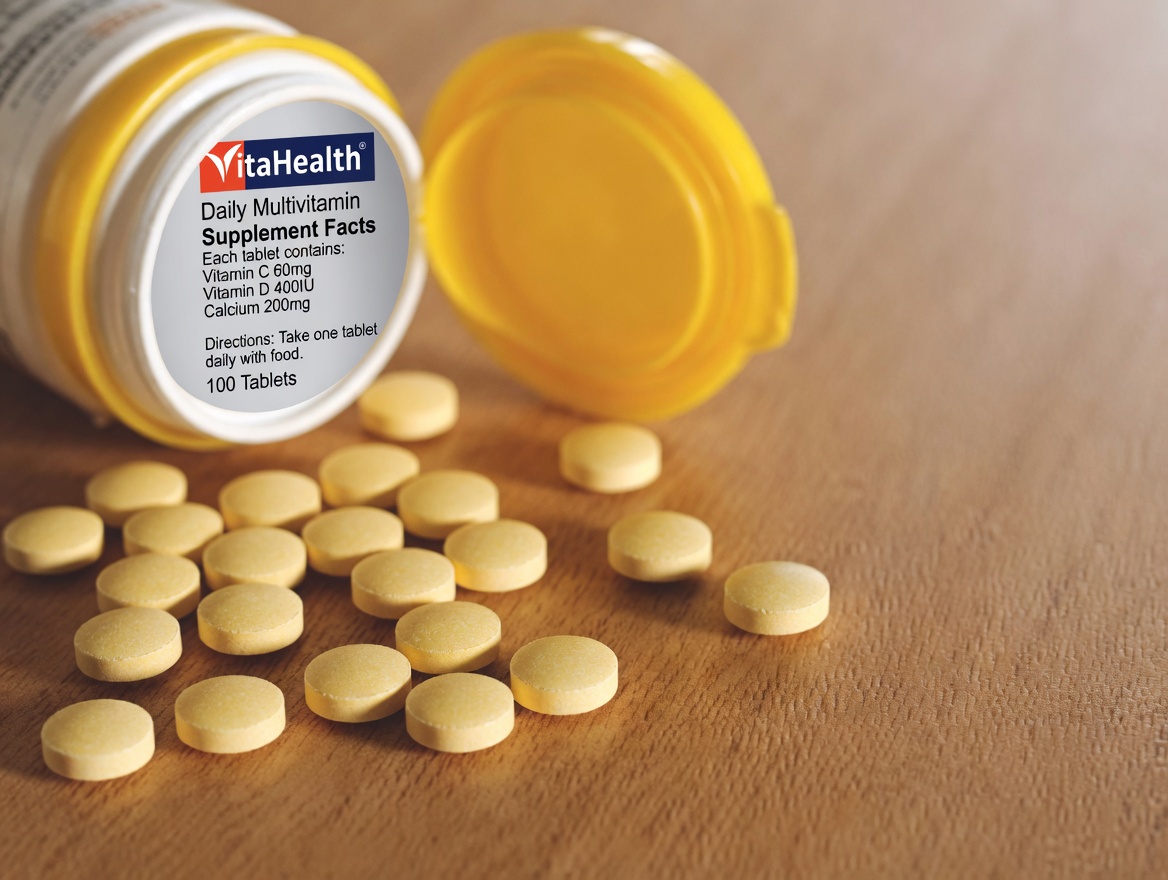
3. B-Complex Vitamins: Metabolic and Protein-Handling Support
B vitamins—especially B6, B12, and folate—support energy production, red blood cell formation, and cellular health. These roles matter because foamy urine can sometimes suggest protein leakage, and efficient protein metabolism is part of overall kidney support.
B-complex vitamins can help:
- Support protein metabolism (notably B6)
- Maintain healthy red blood cells (B12 and folate)
- Support nerve and cellular function that helps the body operate smoothly
Food sources: whole grains, legumes, eggs, and leafy greens. Including these foods regularly can support kidney health and provide reassurance while you track symptoms.
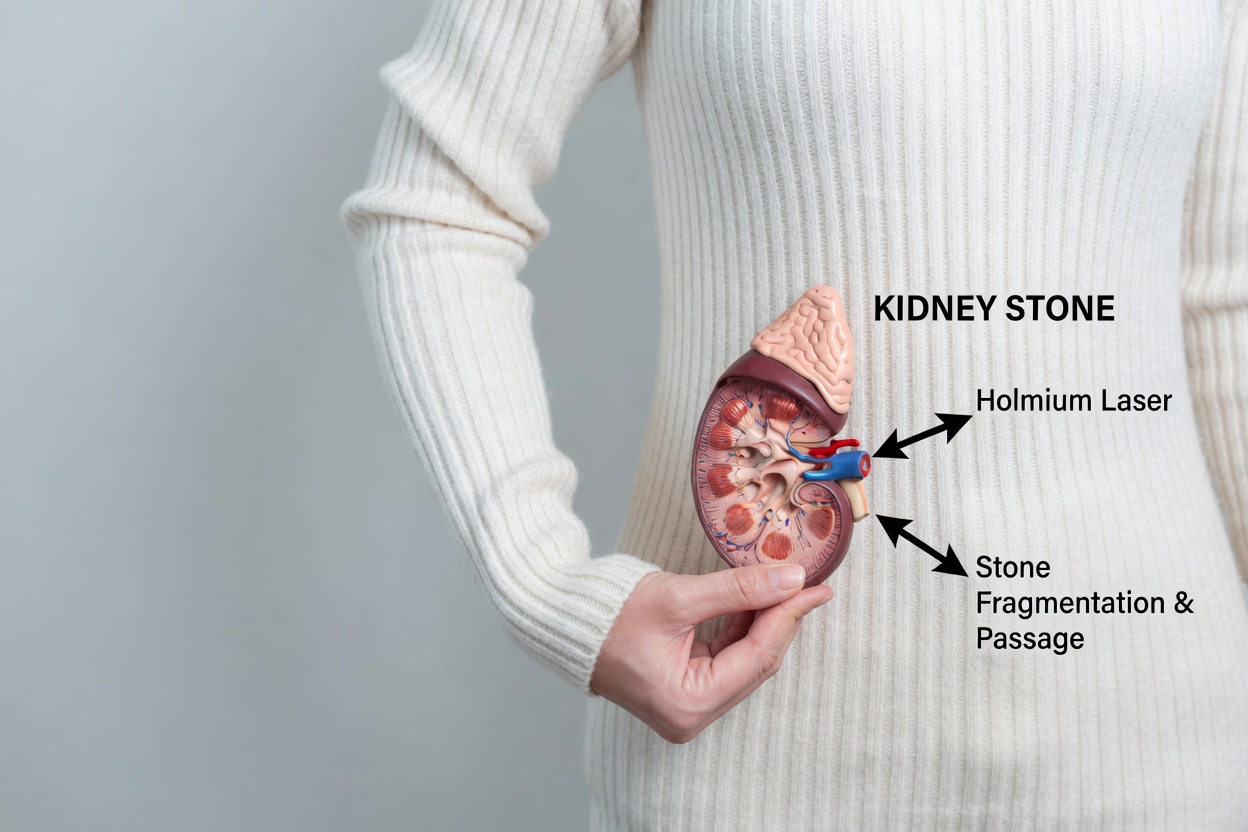
4. Vitamin E: Cellular Defense for Long-Term Kidney Health
Vitamin E is another antioxidant that helps protect cells from damage. If persistent foamy urine is connected to oxidative stress, vitamin E may serve as a helpful nutritional ally.
Vitamin E contributes by:
- Supporting protection against cellular wear
- Promoting long-term tissue resilience
Food sources: nuts, seeds, and plant oils—easy additions to a balanced, kidney-friendly eating pattern.
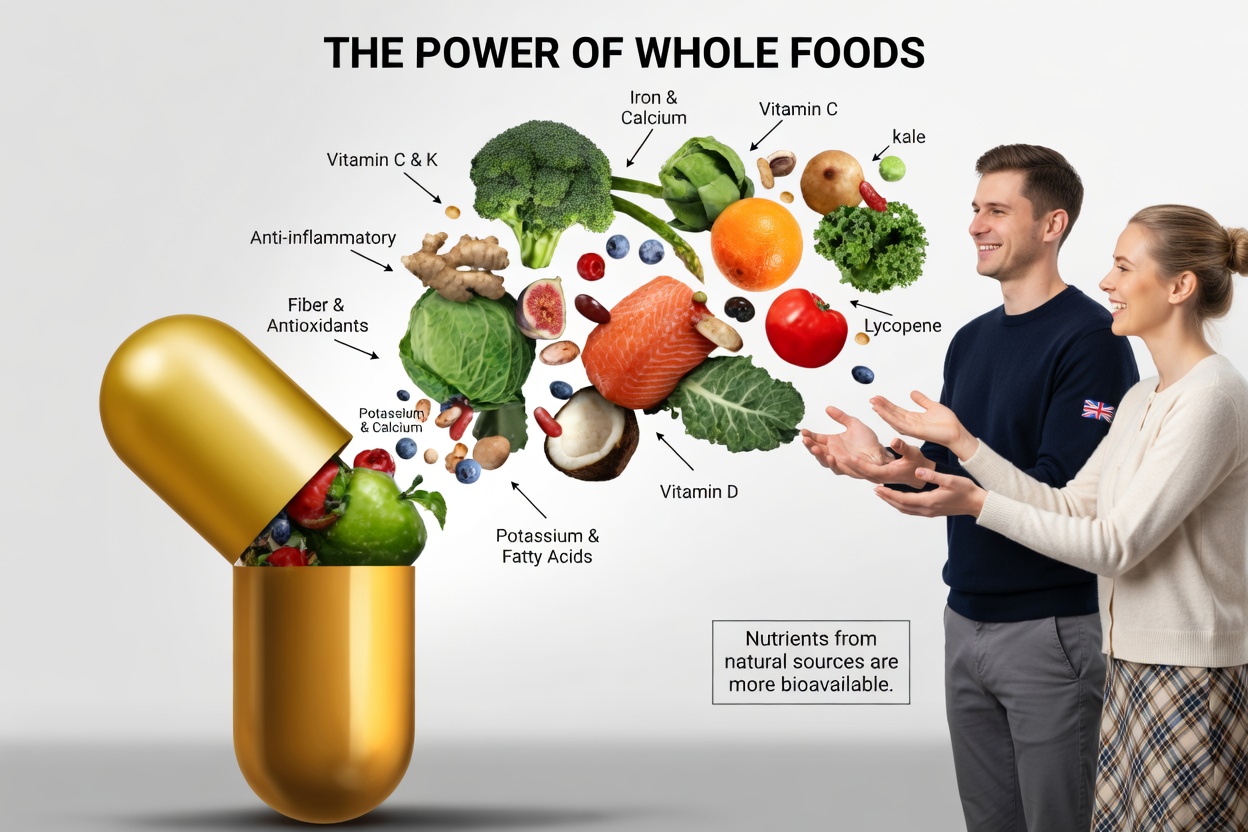
What Foamy Urine May Signal About Kidney Function
Foamy urine that disappears quickly is often harmless and may be linked to:
- Dehydration
- A fast or forceful urine stream
However, foam that stays visible after multiple flushes may suggest protein in the urine (proteinuria), which can relate directly to kidney filtration. Persistent foamy urine can be associated with conditions that strain kidney filters, including:
- High blood pressure
- Diabetes
- Chronic kidney stress or damage
Seek medical guidance promptly if foamy urine occurs alongside symptoms such as swelling, unusual fatigue, or significant changes in urination frequency or volume.
Practical Ways to Support Kidney Health Beyond Vitamins
Vitamins can help, but daily habits matter just as much. These steps support kidney health and may reduce temporary foamy urine caused by concentrated urine:
- Drink enough water to maintain good hydration (often around 8 glasses daily, adjusted to your needs)
- Eat more fruits and vegetables rich in antioxidants and natural nutrients
- Limit sodium and heavily processed foods to reduce kidney workload
- Maintain healthy blood pressure and blood sugar with balanced meals and regular movement
- Track foamy urine patterns (timing, frequency, and other symptoms) to share with your clinician
Quick Comparison: Vitamins That Support Kidney Health
-
Vitamin D
- Main benefit: Activated by kidneys; supports mineral balance
- Best sources: salmon, eggs, fortified milk
- Note: consider testing if foamy urine persists
-
Vitamin C
- Main benefit: Antioxidant protection
- Best sources: citrus fruits, bell peppers, berries
- Note: avoid excessive dosing if prone to stones
-
B-Complex (B6, B12, folate)
- Main benefit: energy and protein metabolism support
- Best sources: whole grains, legumes, leafy greens
- Note: helpful when protein handling is a concern
-
Vitamin E
- Main benefit: guards cells from oxidative damage
- Best sources: nuts, seeds, plant oils
- Note: supports long-term kidney resilience
Next Steps If Foamy Urine Continues
If foamy urine keeps returning, the most effective next move is to discuss it with a healthcare professional. A simple evaluation—often including a urinalysis—can determine whether the foam is temporary or a sign that your kidney health needs focused attention.
Many people feel immediate relief after getting clarity through basic testing and then building a personalized plan using nutrition, hydration, and sustainable lifestyle adjustments.