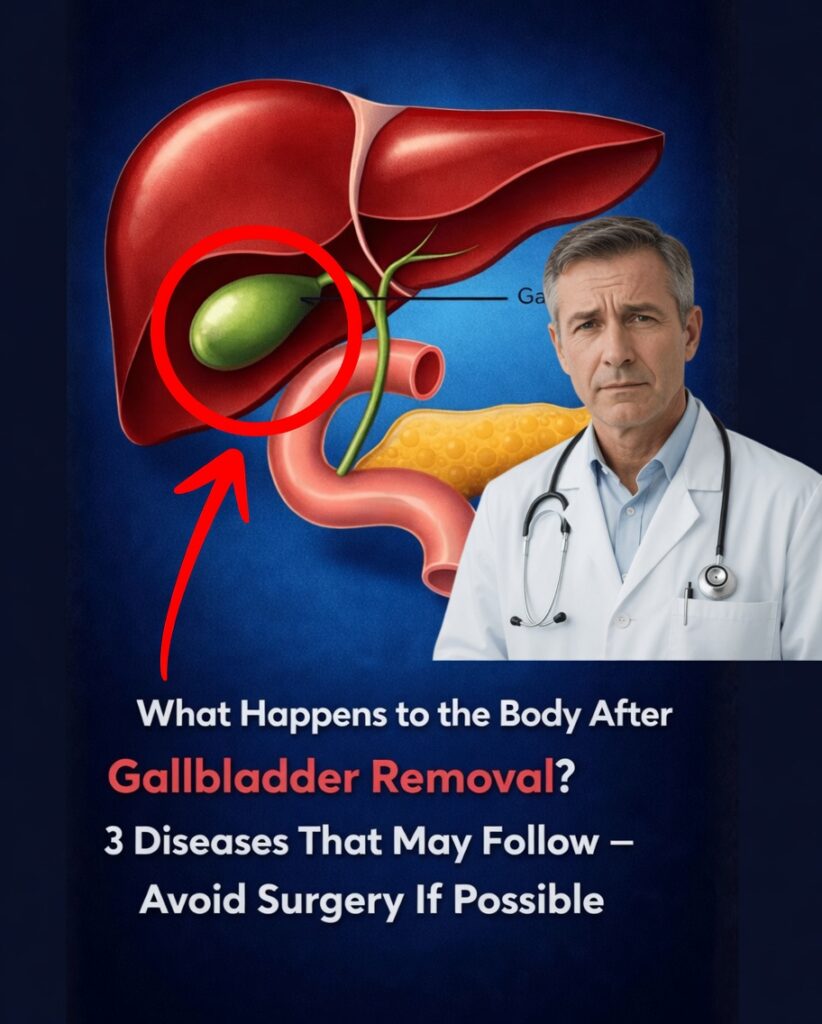
Many people who are told they may need gallbladder surgery feel uneasy—and that reaction makes sense. Having an organ removed, especially one involved in fat digestion, can raise questions about long-term digestion, daily comfort, and overall health. Although gallbladder removal (cholecystectomy) is widely performed and considered safe, it’s normal to wonder what life looks like afterward.
The reassuring reality is that most people adapt well and continue living normally and actively. Below, you’ll learn what the gallbladder does, when removal is recommended, what changes (if any) you might notice, and practical ways to support digestion during recovery.
What Does the Gallbladder Do?
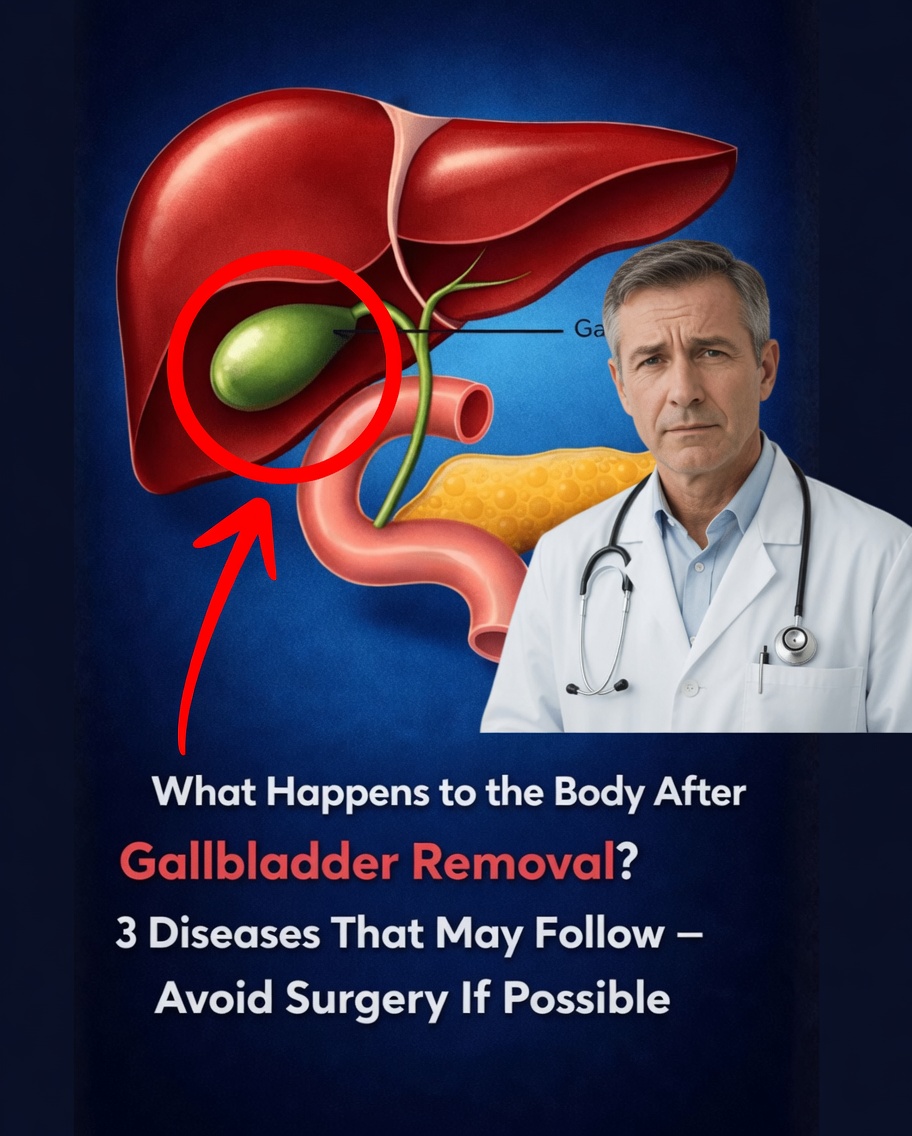
The gallbladder is a small, pear-shaped sac located beneath the liver. Its main job is to store and concentrate bile, a fluid made by the liver that helps your body digest fats.
When you eat a meal that contains fat, the gallbladder releases concentrated bile into the small intestine to support digestion and absorption of fat-soluble vitamins such as A, D, E, and K.
After gallbladder removal, your liver still produces bile. The main difference is timing: instead of releasing bile in a concentrated “surge,” bile flows more steadily into the intestine. This change can affect how some people tolerate certain foods—especially early on—but the gallbladder is not essential for survival or basic digestion.
When Is Gallbladder Removal Recommended?
Healthcare providers typically recommend cholecystectomy when gallstones or gallbladder disease causes repeated symptoms, disrupts quality of life, or increases the risk of complications. For mild or occasional discomfort, surgery is not always the first option.
Common reasons a doctor may advise gallbladder removal include:
- Gallstones blocking bile flow, leading to gallbladder inflammation (cholecystitis)
- Gallstones contributing to acute pancreatitis
- A thickened or calcified gallbladder wall (often called porcelain gallbladder), which may increase risk
- Combined findings such as polyps alongside gallstones
- More complicated situations such as fistulas or suspicion of gallbladder cancer
Many reputable medical sources (including major hospital systems) note that the procedure is often done laparoscopically, using small incisions to support faster recovery. In general, surgery is recommended when the expected benefits—such as preventing repeated painful attacks and avoiding complications—outweigh potential risks.
Does Gallbladder Removal Affect Your Health? A Balanced View
For most patients, recovery is complete and long-term health remains stable. Many also experience significant relief from symptoms caused by gallstones or inflammation.
That said, some people notice temporary changes, and a smaller portion report longer-lasting digestive adjustments. Estimates vary across reports, but a meaningful minority experience at least short-term differences after surgery.
Potential Short-Term Effects
In the weeks after surgery, some people experience:
- Looser stools or diarrhea, especially after high-fat meals, due to continuous bile flow
- Bloating, gas, mild nausea, or indigestion as digestion adapts
These symptoms often improve over weeks to a few months as the body adjusts.
Possible Longer-Term Considerations
A small subset develops what’s often referred to as post-cholecystectomy syndrome, a broad label for ongoing symptoms that may include:
- Occasional or intermittent abdominal discomfort
- Bloating and excess gas
- Heartburn or reflux
- Periodic diarrhea
This is not one single condition. Symptoms may be linked to bile flow changes, retained stones in the bile ducts, or other digestive issues that were present but less noticeable before surgery. In many cases, symptoms improve with time or become manageable with targeted treatment.
Some studies also describe associations in certain groups (for example, shifts in metabolism or a higher rate of fatty liver in specific cohorts), but these findings are not universal and do not affect everyone. Importantly, gallbladder removal does not reduce life expectancy—and for many people, resolving chronic gallbladder attacks can improve overall well-being.
Bottom line: outcomes vary. Many people return to normal life without restrictions, while others benefit from a few practical adjustments.
Practical Tips to Support Your Body After Surgery
Adapting after gallbladder removal usually doesn’t require extreme or permanent restrictions. The goal is to help your digestion settle while your body gets used to steady bile flow.
Diet Strategies (Start Gradually and Pay Attention to Symptoms)
- Eat smaller meals more often (about 4–6 meals/day) to better match continuous bile delivery
- Begin with lower-fat or moderate-fat foods, such as lean proteins, vegetables, and whole grains
- Temporarily reduce high-fat options like fried foods, rich creamy sauces, and full-fat dairy—then reintroduce slowly as tolerated
- Add soluble fiber gradually (such as oats, apples, and beans) to support more consistent bowel habits
- Stay well-hydrated and include healthy fats in small amounts (olive oil, avocado) once tolerated
Daily Habits That Help
- Start with gentle movement (like walking) when your clinician says it’s safe
- Progress to consistent exercise to support overall digestive and metabolic health
- Keep track of what foods trigger symptoms, since tolerance varies from person to person
Many people find they can return to a broad, enjoyable diet within a few months, especially with steady, gradual changes.
Conclusion: Moving Forward with Confidence
Gallbladder removal is a well-established treatment for painful or complicated gallstones and gallbladder inflammation. For most patients, it provides lasting relief without major long-term health problems. Your liver continues producing bile, and digestion often stabilizes with time—especially when recovery is supported by manageable diet and lifestyle choices.
If you’re preparing for surgery or healing afterward, follow your clinician’s advice and focus on small, sustainable habits. For many, life becomes easier once the adjustment period passes.
Frequently Asked Questions
How long does it take to fully recover after gallbladder removal?
After laparoscopic surgery, many people return to light daily activities within 1–2 weeks and feel mostly normal within 1–2 months. Digestive adjustment can take around 3–6 months.
Will I need a special diet forever?
Usually not. Most people start with gentler, lower-fat meals and then reintroduce foods gradually. Many eventually eat a varied diet without significant issues.
Can gallbladder removal cause permanent digestive problems?
It’s uncommon, but some people do have persistent symptoms. These are often treatable or manageable. If symptoms continue, it’s important to speak with a qualified healthcare professional.
Disclaimer: This article is for informational purposes only and does not replace professional medical advice. Always consult a qualified healthcare provider for personalized guidance, diagnosis, or treatment decisions.