As the years go by, occasional soreness or low energy can feel normal. But sometimes those everyday discomforts are your body’s way of warning you about a bigger issue—like blocked arteries. If you notice chest tightness on a casual walk or feel breathless after climbing a few stairs, it can quickly trigger worry about your heart and even the fear of a heart attack. When symptoms interfere with basic routines, it’s easy to feel anxious, frustrated, and unsure of what’s happening.
The good news is that learning to recognize potential warning signs can help you act earlier and protect your long-term health. Stay with this guide until the end for a commonly overlooked (but simple) tip that can support artery health.
Understanding Blocked Arteries (Atherosclerosis)
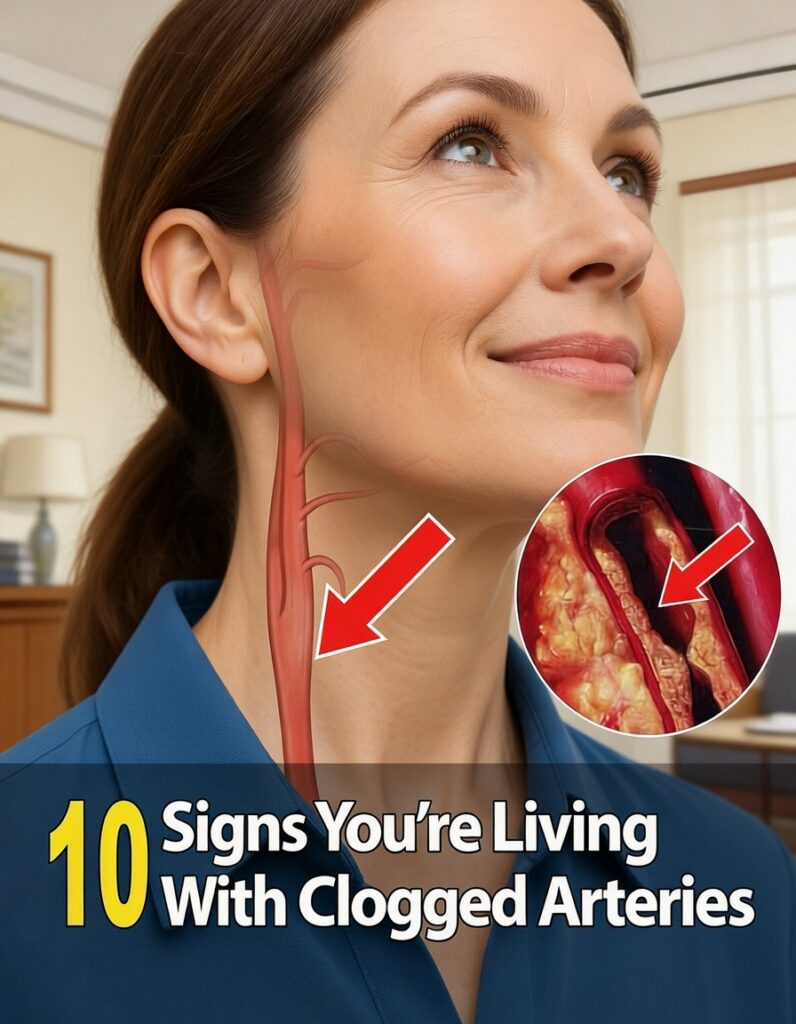
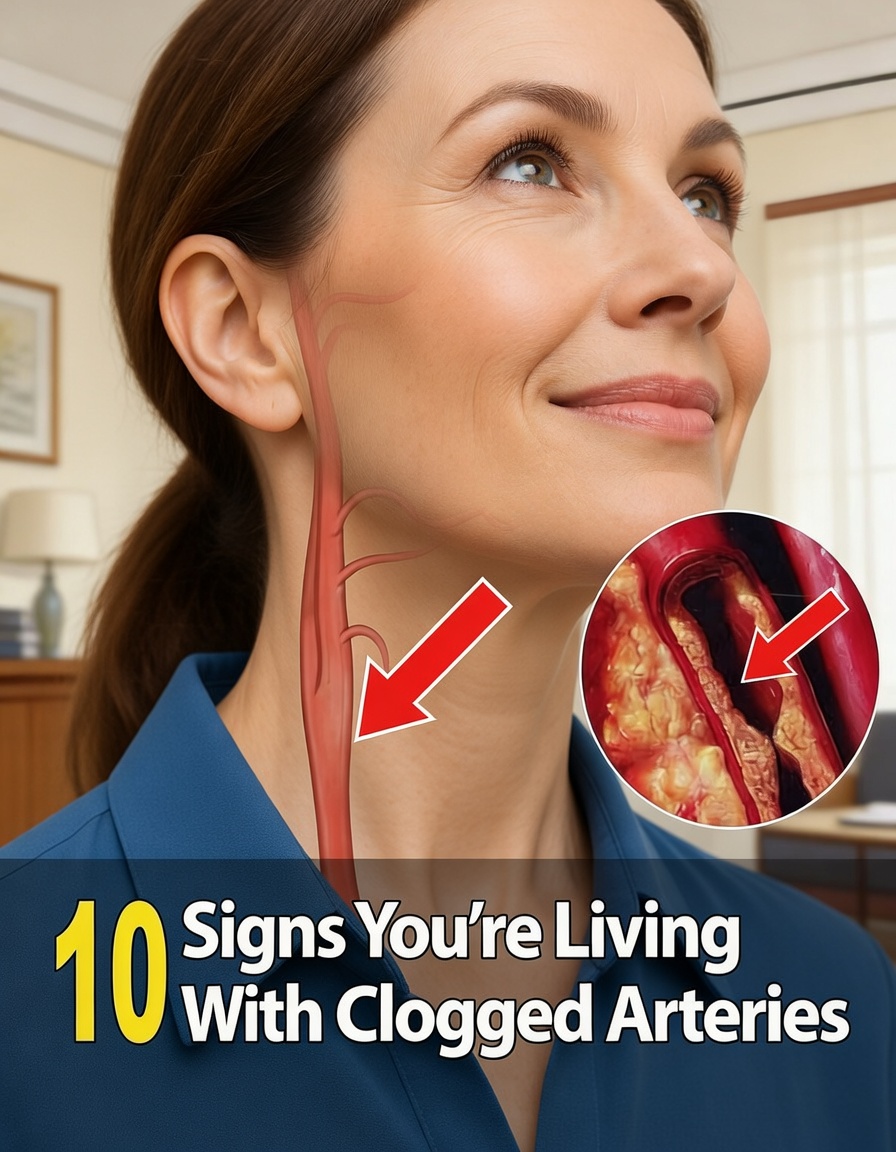
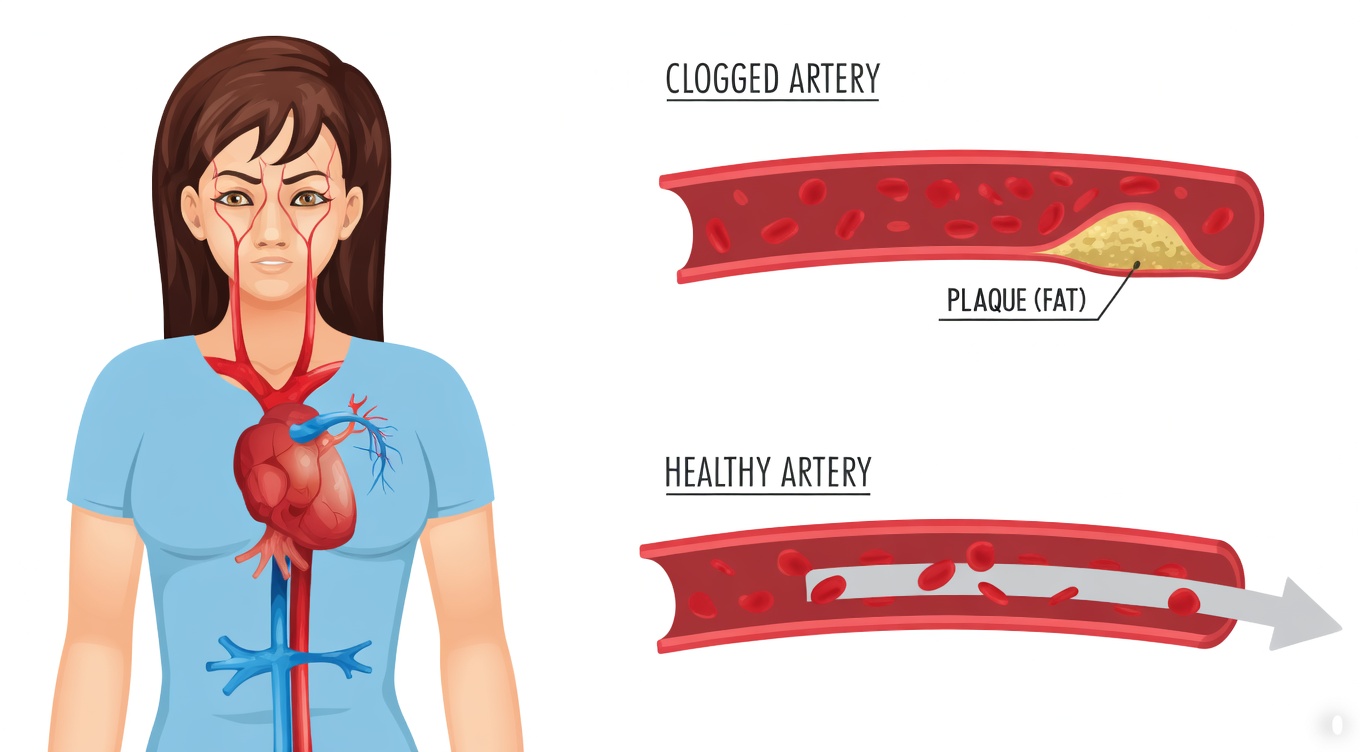
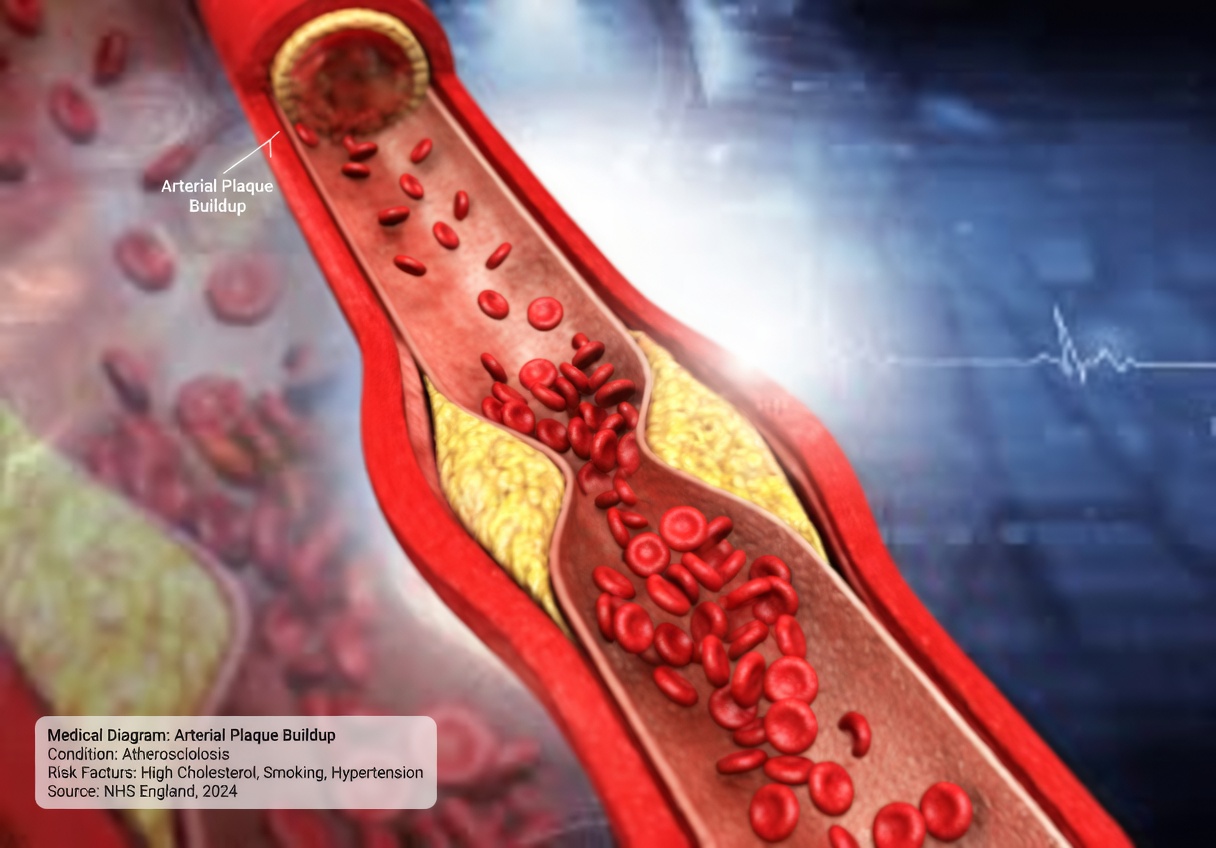
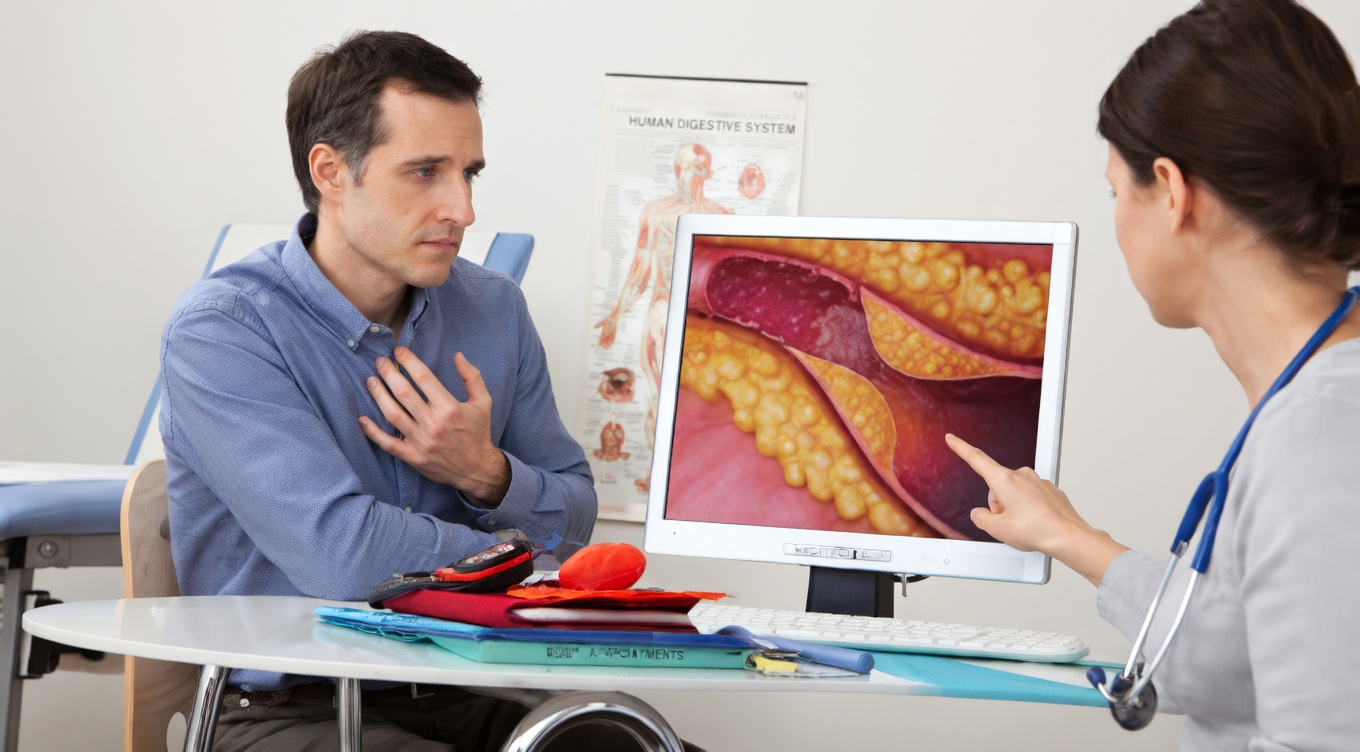
Blocked arteries, often called atherosclerosis, develop when plaque (a mix of fat, cholesterol, and other substances) accumulates inside blood vessels. Over time, this buildup narrows the arteries and reduces blood flow.
What makes this condition especially risky is that it can progress quietly for years. Many people—particularly those in their 40s and beyond—brush off early signals as “just aging,” only to discover later that circulation has been compromised. Plaque can affect multiple areas of the body, including:
- The heart (coronary arteries)
- The brain (carotid and other cerebral vessels)
- The legs and arms (peripheral arteries)
Understanding how atherosclerosis works is an important first step toward reducing the stress and uncertainty that comes with unexplained symptoms.
Why Early Detection Matters
Spotting potential symptoms early can help you avoid sudden, frightening events—like unexpected chest pressure that makes you question every sensation in your body. In many cases, noticeable symptoms appear only after arteries have become significantly narrowed, which increases both medical risk and emotional strain.
For adults over 40, this can mean disruptions to work, travel, hobbies, and family life—plus ongoing anxiety about what might happen next. Awareness helps you take practical steps sooner, including getting evaluated and discussing preventive options with a clinician.
10 Common Signs Your Arteries Might Be Blocked
Blocked arteries can create a wide range of symptoms depending on which blood vessels are affected. Below are ten common warning signs—many of which may start subtly.
1. Chest Pain or Chest Pressure (Angina)
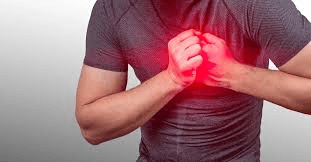
Chest discomfort—often described as tightness, heaviness, squeezing, or pressure—can occur when the heart muscle isn’t receiving enough oxygen-rich blood. It often shows up during activity (walking, carrying groceries, climbing stairs) and may improve with rest.
Because this symptom is closely associated with heart problems, it can also lead to fear and avoidance of exercise or movement. Tracking when it happens (what you were doing, how long it lasted, how intense it felt) can be valuable information for your doctor.
2. Shortness of Breath
Feeling winded with minor effort may indicate the heart is struggling to pump effectively due to restricted blood flow. This can make normal tasks feel exhausting and can create stress—especially if you feel you can’t keep up with friends or family.
3. Unusual or Persistent Fatigue
Ongoing tiredness that doesn’t resolve with sleep can be a sign that the body isn’t getting the circulation and oxygen it needs. When blood flow is reduced, your organs and muscles may not perform efficiently, leading to a drained, “running on empty” feeling that affects both mood and daily functioning.
4. Heart Palpitations
A sensation of a racing heart, fluttering, or irregular beats can happen when the cardiovascular system is under strain. While palpitations can have many causes, they may appear when the heart is working harder against narrowed arteries. These episodes can feel unsettling and may interfere with sleep and peace of mind.
5. Pain, Cramping, or Aching in the Legs or Arms (Claudication)
If you develop leg pain or cramping during walking that improves with rest, it may point to reduced circulation in the limbs—often seen in peripheral artery disease (PAD). This can limit mobility and independence, turning simple errands into uncomfortable or frustrating experiences.
6. Dizziness or Lightheadedness
Sudden dizziness can occur when blood flow to the brain is reduced. This symptom can be particularly alarming due to concerns about fainting, falling, or losing control in public.
7. Numbness or Weakness (Especially on One Side)
Numbness, weakness, or loss of strength—especially affecting one side of the body—may signal disrupted circulation to the brain. These can be warning signs of a transient ischemic attack (TIA), often described as a “mini-stroke,” and should be treated seriously.
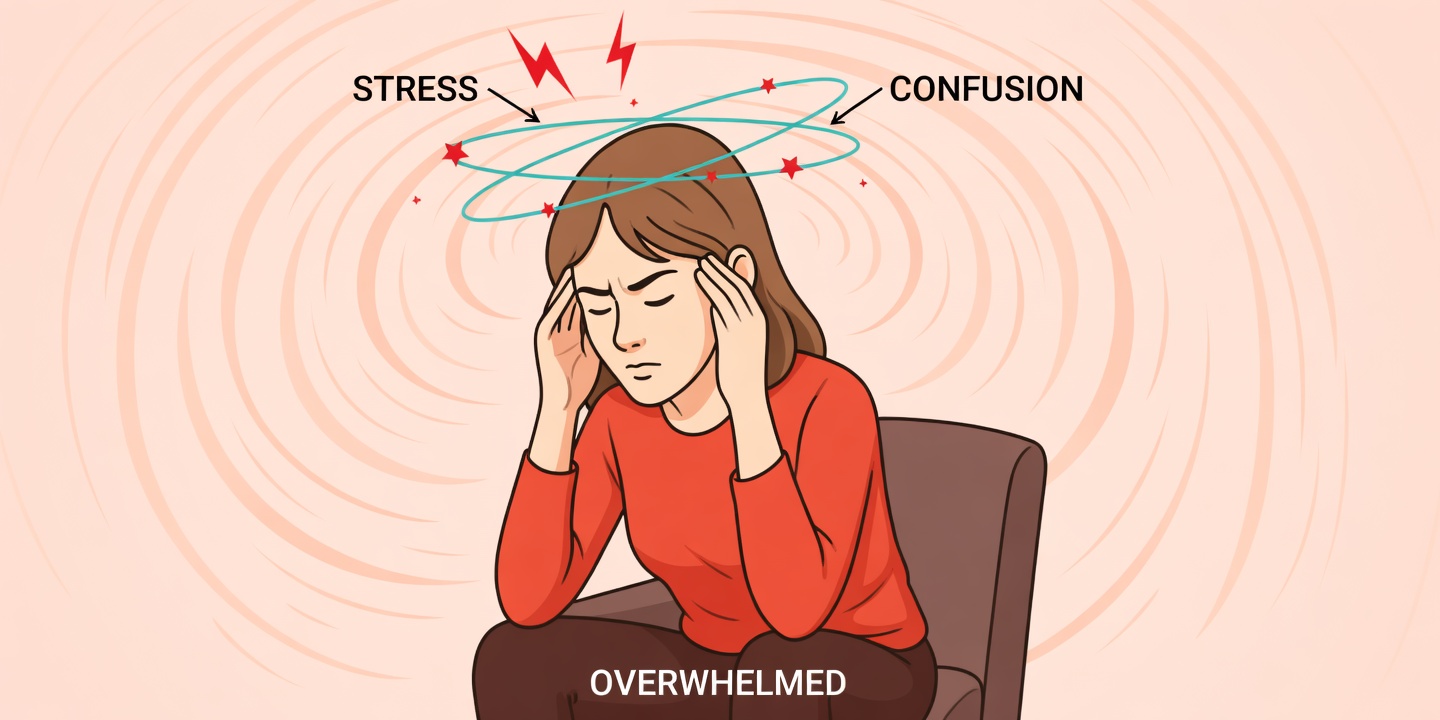
8. Confusion or Trouble Speaking
Mental fog, sudden confusion, difficulty speaking, or trouble understanding others can also reflect impaired blood flow to the brain. These symptoms can feel frightening, particularly because they affect communication and independence.
9. Erectile Dysfunction (ED)
For men, erectile dysfunction can sometimes be an early indicator of blood flow problems. Since erections rely on healthy circulation, vascular narrowing may show up here before more obvious heart-related symptoms appear. Beyond the physical impact, ED can affect confidence, relationships, and emotional well-being.
10. Cold Hands/Feet or Slow-Healing Wounds
If your hands or feet often feel unusually cold—or if cuts and sores heal slowly—it may point to reduced circulation. Poor blood flow can affect tissue repair and increase concerns about infection and mobility, especially in the lower legs and feet.
What to Do If You Suspect Blocked Arteries
If several of these signs sound familiar, take them seriously—without panic. Practical next steps can reduce uncertainty and help you get answers.
- Track your symptoms
- Write down what you felt, when it happened, how long it lasted, and what triggered it (activity, stress, meals, etc.).
- Build heart-healthy daily habits
- Aim for regular movement (like walking), more fruits and vegetables, and consistent stress reduction.
- Book a medical check-up
- A clinician may recommend evaluations such as blood pressure measurement, cholesterol testing, blood sugar testing, or imaging/vascular studies when appropriate.
- Stop smoking (if you smoke)
- Smoking is strongly linked to blood vessel damage and plaque progression.
- Support a healthy weight and eating pattern
- Balanced meals and portion awareness can help reduce cardiovascular strain over time.
Simple habit guide
- Daily walking
- Benefit: Supports circulation
- How to start: Begin with 10 minutes and increase gradually
- More balanced meals
- Benefit: Helps lower plaque-related risk
- How to start: Add vegetables to at least one meal per day
- Stress management
- Benefit: Can help lower blood pressure
- How to start: Try slow breathing or short guided meditation sessions
Conclusion: Protect Your Artery Health by Staying Alert
Knowing the 10 common signs of blocked arteries can help you respond earlier and reduce the fear of unexpected health events. Symptoms like chest pressure, shortness of breath, leg cramping, or neurological changes are signals worth paying attention to—not dismissing.
Lifestyle improvements and professional medical guidance can make a meaningful difference. And the often-overlooked tip mentioned earlier: adding omega-3-rich foods (such as salmon) to your weekly meals may support vascular health, according to broad research on heart-healthy eating patterns.