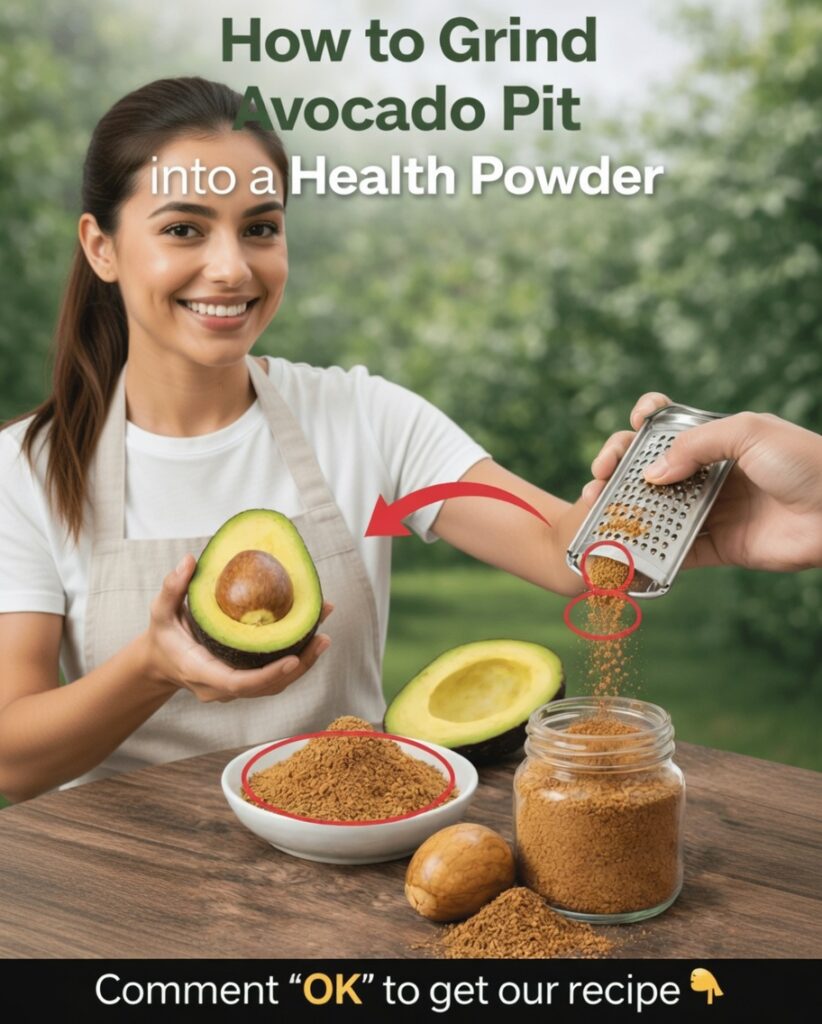
Every time you slice open a perfectly ripe avocado, the large, woody pit usually heads straight for the trash. It feels harmless—but over time, this habit adds to everyday kitchen waste and ignores a part of the fruit that contains unique plant compounds many people are increasingly curious about. If you dislike throwing away anything edible (or potentially useful), you’re in good company. In a world where sustainability matters, it’s frustrating to waste what could be repurposed.
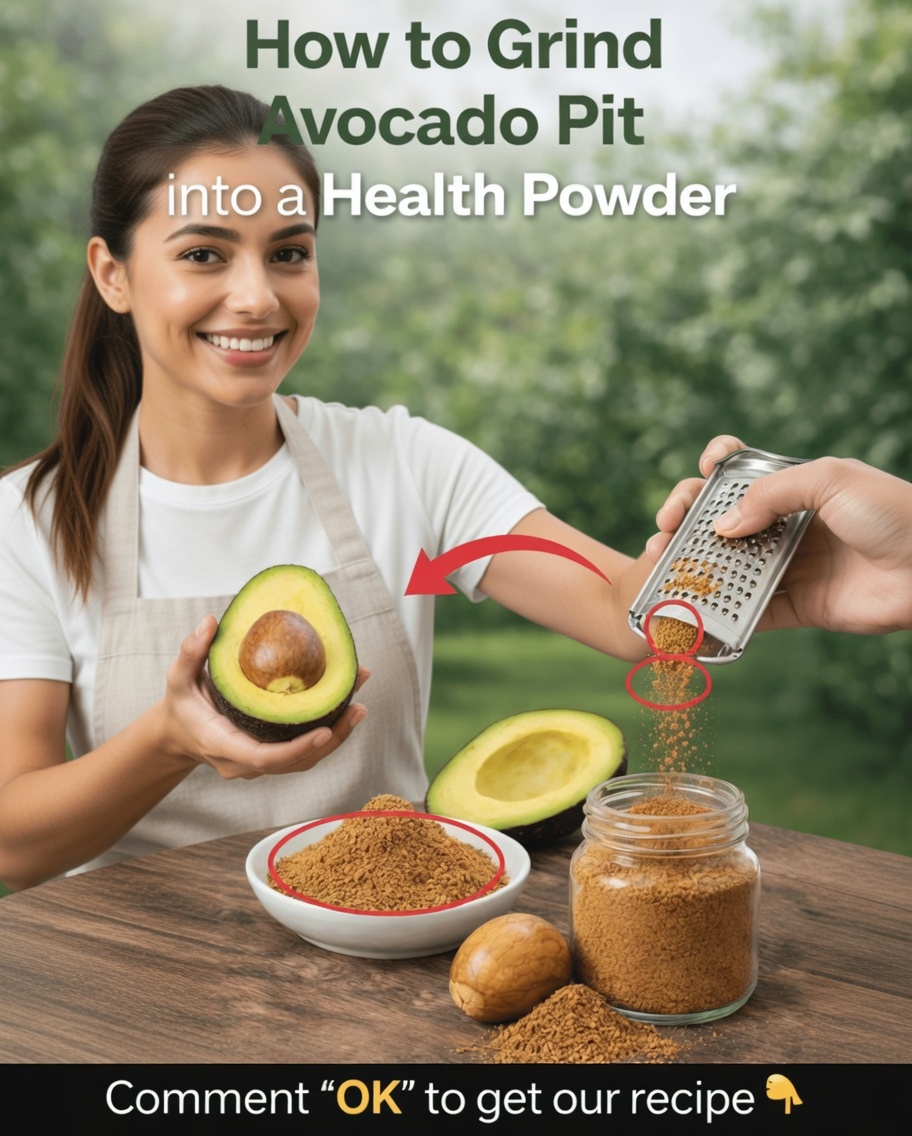
This guide explores realistic, safe ways to reuse avocado pits—both for cautious culinary experiments and for practical non-food projects. You’ll also discover one overlooked benefit that makes saving the pit surprisingly satisfying in daily life.
What’s Actually Inside an Avocado Pit?
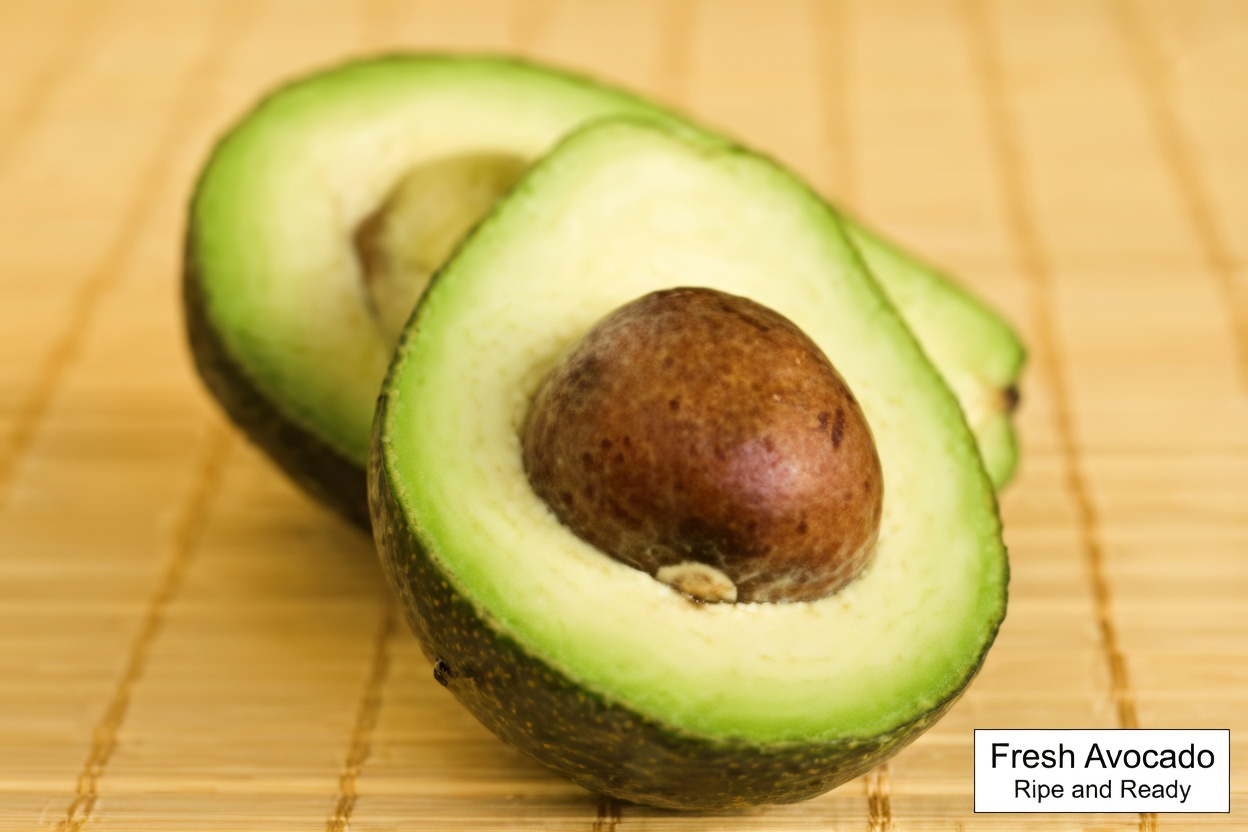
Also called an avocado seed, the pit accounts for roughly 15–20% of the fruit. While the creamy flesh is known for healthy fats, the pit is structured very differently and is rich in other naturally occurring components. Food science research points to avocado pits containing:
- Dietary fiber
- Polyphenols and flavonoids
- Small amounts of minerals such as potassium and magnesium

One important nuance: much of the evidence around avocado pit compounds comes from lab and animal studies, not large human trials. That’s why avocado pits are best treated as a small, occasional experiment, not a daily “superfood.” Notably, some communities in Central and South America have used avocado pits in traditional ways for generations—typically with moderation and careful preparation.
Potential Wellness-Related Properties (What Research Suggests)
Early research suggests avocado pits may contain concentrated plant compounds that are interesting from a wellness perspective. Still, the strongest data is not yet from large-scale human studies—so it’s wise to keep expectations realistic.
Antioxidant Activity From Plant Compounds
Daily life exposes the body to oxidative stress, which is often discussed in relation to general wear and fatigue over time. In test environments, avocado pit extracts have shown antioxidant activity, largely linked to polyphenols such as catechins and procyanidins. Some analyses even report higher concentrations of these compounds in the pit than in the flesh.
Some people try adding a very small pinch of dried, finely ground pit powder to smoothies or teas. If you do, treat it as an optional add-on—not a substitute for a varied diet rich in fruits and vegetables.
How Avocado Pits May Relate to Heart-Healthy Eating Patterns
Fiber and certain plant compounds are commonly associated with dietary patterns that support cardiovascular wellness. A few animal studies (including those reported in nutrition-focused journals) have noted changes in specific markers—however, human evidence remains limited.
If you’re experimenting with avocado pit powder, use it sparingly and keep your foundations strong: oats, beans, berries, leafy greens, nuts, and seeds remain more proven sources of heart-supportive nutrients.
Digestive Regularity and Fiber Content
Avocado pits contain a notable amount of insoluble fiber, which may help add bulk to meals and support regularity—when used properly. Since the pit is extremely hard, it must be processed carefully. Eating it in chunks is impractical and likely uncomfortable.
A cautious starting point (for those who choose to try it) is around ⅛ to ¼ teaspoon of very finely ground powder mixed into soups or blended drinks. Starting small helps minimize digestive upset.
Creative, Practical Ways to Reuse Avocado Pits (Non-Food)
Even if you never eat an avocado pit, it can still be genuinely useful. Many of the best applications are non-edible, low-cost, and eco-friendly.
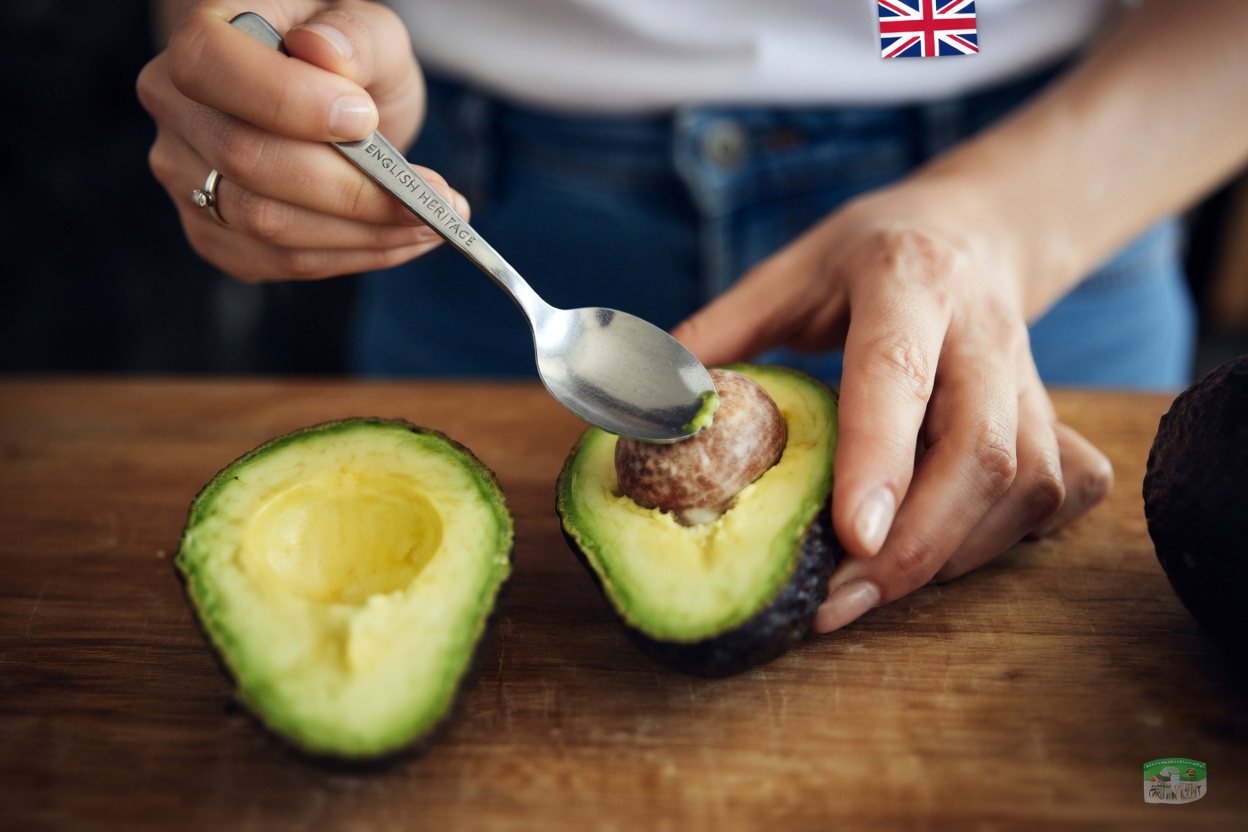
Popular ideas include:
- Natural fabric dye: Simmer avocado pits in water to create soft pink to rosy tones, great for cotton, linen, or silk.
- DIY exfoliating scrub: Combine finely ground pit with coconut oil or honey for occasional use on hands or body.
- Craft projects: Use pit-based dye for paper coloring, Easter eggs, or kid-friendly art experiments.
These projects turn a common kitchen discard into something functional—and make waste reduction feel far more tangible.
How to Prepare Avocado Pits Safely (Step by Step)
If you want to try edible applications (or even scrubs and crafts), preparation matters. The goal is to reduce moisture, prevent spoilage, and create a usable texture.
-
Wash thoroughly
Rinse the pit under running water and scrub off any remaining green flesh to reduce mold risk and off flavors. -
Dry completely
- Air-dry for 3–5 days, or
- Oven-dry at about 250°F (120°C) for 1–2 hours until fully dry and hard.
-
Break and grind
Wrap the pit in cloth, tap carefully with a hammer to crack into pieces, then grind in a high-powered blender or spice grinder until you get a very fine powder. -
Store correctly
Keep the powder in an airtight glass jar in a cool, dark place. For best freshness, use within 3–4 weeks. -
Start with tiny amounts
If consuming, begin with the smallest amount possible and monitor how you feel.
Safety Notes You Shouldn’t Ignore
Being cautious is essential. Avocado pits can be bitter due to tannins, and some people may experience digestive discomfort. Animal research also references compounds such as persin, which is one reason moderation is emphasized.
Who Should Be Extra Careful
Use added caution—or avoid edible use entirely—if you are:
- Pregnant or breastfeeding
- Allergic to avocado or latex
- Taking medications such as blood thinners (polyphenols may interact—check with a healthcare professional)
If you notice nausea, rash, itching, swelling, or any unusual symptoms after trying avocado pit powder, stop and seek medical guidance.
Avocado pits are best viewed as an optional, occasional experiment—not a wellness requirement.
The Overlooked Benefit Most People Miss
The most meaningful win may not be any single plant compound—it’s the mindset shift. Saving avocado pits encourages sustainable habits, reduces landfill waste, and sparks creativity in the kitchen and home. Often, the most satisfying “health upgrade” isn’t buying another supplement—it’s using what you already have more thoughtfully.
Conclusion
Avocado pits are far more than a throwaway. They contain a distinctive mix of fiber and plant compounds (mostly studied in lab settings), and they’re also useful in practical, non-food projects like natural dyes, scrubs, and crafts. If you choose to experiment with edible uses, focus on proper preparation, tiny amounts, and safety first.
With a little curiosity and care, that hard seed you used to discard can become a small but meaningful part of a more resourceful, sustainable lifestyle.
Frequently Asked Questions About Avocado Pits
-
Can you eat an avocado pit raw?
No. Raw pits are extremely hard, very bitter, and difficult to digest. If you’re experimenting with edible use, the pit should be fully dried and ground into a fine powder first. -
How much avocado pit powder is typically considered reasonable to try?
There are no official guidelines. A conservative approach is to start with ⅛ teaspoon (or less) and avoid making it a daily habit. If you have health conditions or take medications, consult a healthcare professional before trying it.