Many adults over 60 deal with small-but-annoying issues—heartburn, mild skin irritation, mouth discomfort, or lingering fatigue—that can make everyday tasks feel harder than they should. These problems often connect to normal age-related shifts, such as changes in acid balance, slower recovery, or increased sensitivity. It’s easy to feel stuck cycling through over-the-counter products that offer only temporary relief.
What if a simple, low-cost household staple could provide gentle support for some of these everyday concerns—when used carefully and appropriately? Baking soda is one of those items that keeps coming up, and by the end of this article you’ll have a clearer, more practical way to evaluate whether it belongs in your wellness routine.
Baking Soda (Sodium Bicarbonate) and Everyday Wellness
Baking soda—also called sodium bicarbonate—is a common pantry ingredient with a long history in home care and personal routines. In wellness contexts, it’s often discussed for its ability to neutralize acid and its mild cleansing properties. Research cited in professional dental publications (including the Journal of the American Dental Association) has explored its role in oral hygiene, and gastroenterology literature frequently references sodium bicarbonate as an occasional antacid.
For older adults, the main idea is not to replace medical care, but to consider whether small, strategic uses could complement healthy routines—especially for minor, occasional discomforts.
Why Minor Discomforts Often Increase After 60
As we age, the body may handle acids and inflammation differently. Many people notice:
- More frequent digestive discomfort
- Slower healing from minor irritations
- Greater sensitivity in skin, mouth, or joints
Surveys (including those reported by organizations like AARP) commonly point to weekly digestive complaints or stiffness in older adults. Because pH balance can influence comfort in several systems, it’s understandable that baking soda gets attention as a gentle, accessible option—when used responsibly.
13 Practical Ways Baking Soda May Support Senior Wellness
The following ideas combine general research findings with common real-world use cases. They should be approached with safety first, especially if you have chronic conditions or take medication.
1. Occasional Heartburn Support
For infrequent heartburn, some people use a simple mix:
- ½ teaspoon baking soda in 4–6 ounces of water
- Sip slowly, only as needed
Gastroenterology research recognizes sodium bicarbonate’s ability to neutralize stomach acid for temporary relief. Some seniors find it especially helpful in the evening.
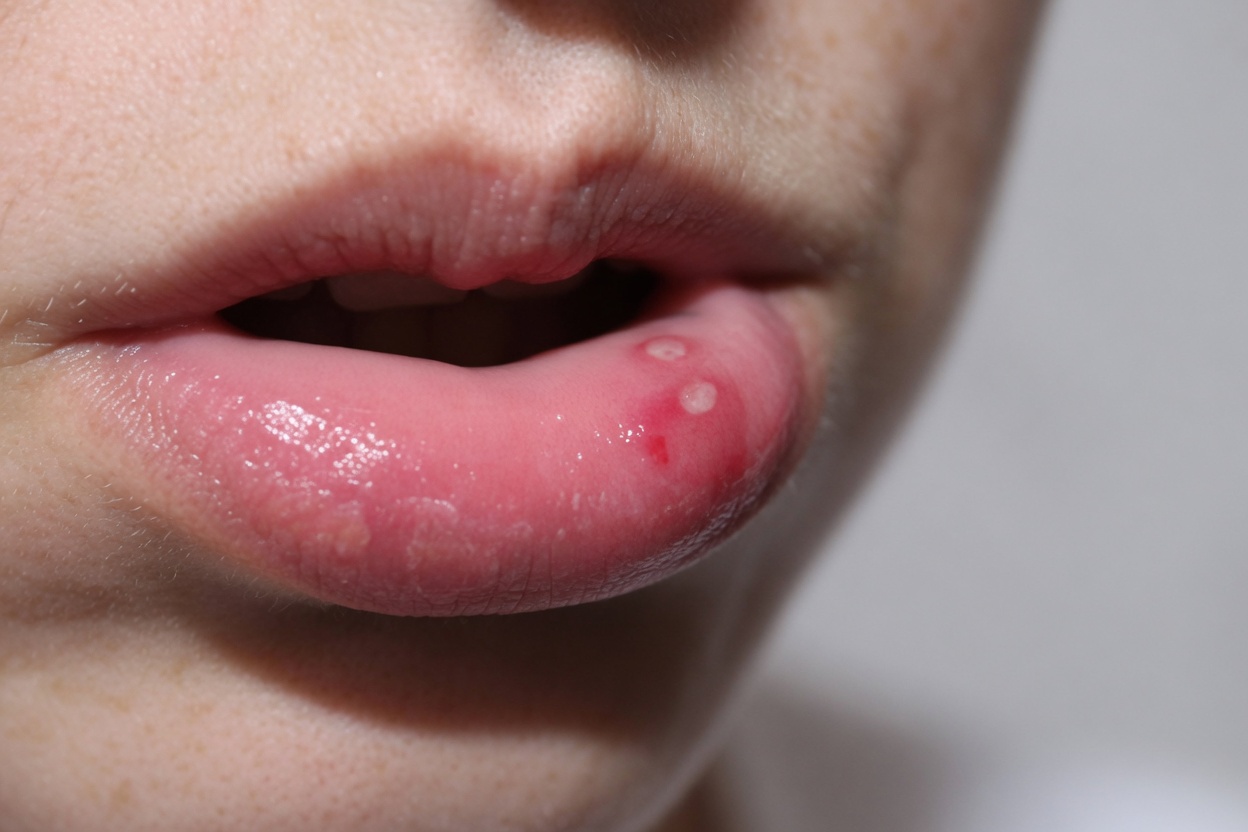
2. Comfort for Mouth Ulcers (Canker Sores)
A basic rinse may reduce irritation:
- Mix ½ teaspoon in a cup of warm water
- Swish for 30 seconds, up to 3 times daily
Dental research has discussed bicarbonate rinses as supportive for oral comfort and hygiene.
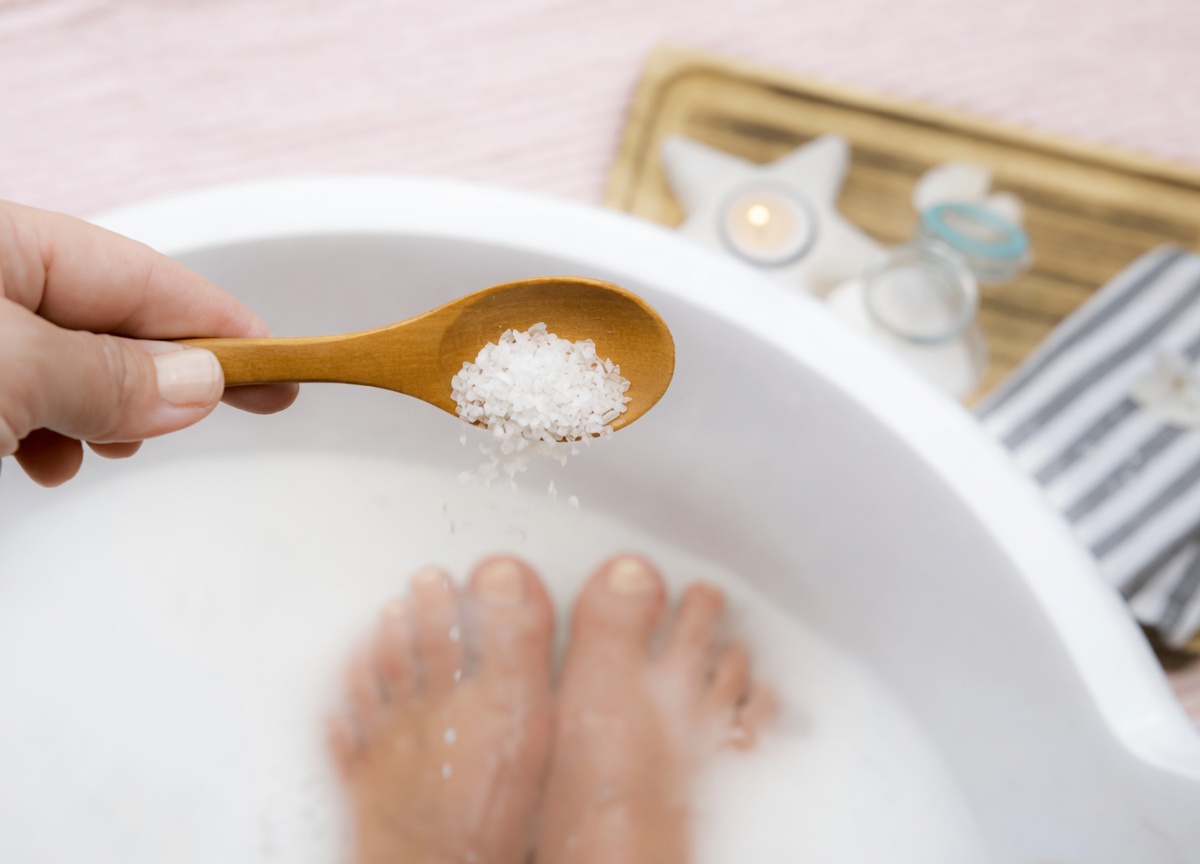
3. Skin and Nail Comfort (Foot Soaks)
For minor issues like itching or discomfort around the feet:
- Add 2 tablespoons to a basin of warm water
- Soak for 15 minutes
Some dermatology discussions note that an alkaline environment may be less friendly to certain fungi, which is why this approach is often used for foot-related irritation.
4. Urinary Comfort (Only With Medical Guidance)
In specific cases, clinicians may use alkalinization strategies to change urinary conditions. Urology literature discusses how urine pH can influence bacterial environments. If this is relevant to you, it should be handled only under professional supervision.
5. Kidney Health Context (Supervised Use Only)
Nephrology research (including work referenced by the Journal of the American Society of Nephrology) has explored bicarbonate therapy in certain acid-base conditions. This is not a DIY category—any internal use related to kidney health requires clinician direction.
6. Exercise Recovery and Fatigue Buffering
In sports science, sodium bicarbonate has been studied for buffering acidity during exertion. Research in strength and conditioning contexts suggests it may reduce the effects of lactic acid buildup for some individuals. Older adults who walk or do light training sometimes explore this—starting very cautiously due to stomach sensitivity.
7. Minor Aches and Inflammation (Potential pH Connection)
Some studies in inflammation-related journals discuss the role of acid-base balance in comfort. While baking soda is not an anti-inflammatory drug, low-dose buffering is one reason it’s sometimes mentioned for minor aches.
8. Oral Hygiene Maintenance
Some people use baking soda for plaque and cosmetic brightness:
- Use a baking soda-based brushing approach about once per week (not aggressively)
- Avoid over-scrubbing, especially with sensitive enamel or gums
Dental publications have noted its mild abrasive qualities and potential benefits for stain reduction when used appropriately.
9. Bath Add-In for Mild Skin Irritation
For general itchiness or irritation after activities (gardening, swimming, hobbies), some add a small amount to bath water to support comfort. Results vary, and it’s best to discontinue if dryness increases.
10. Gout Symptom Support (Supervised Only)
Some arthritis research has discussed how alkalinization strategies may influence uric acid handling. Because gout involves complex metabolic factors—and many people take medications—this should only be attempted with professional guidance.
11. General pH Balance Support (Not a Daily Default)
Some people believe that gentle buffering supports energy and comfort. However, daily internal use is not automatically “better” and can create problems if overdone. If considered at all, it should be conservative and individualized.
12. Natural Deodorizing Option
Baking soda can be used externally as a deodorizing powder:
- Apply lightly to clean, dry skin
- Stop if irritation occurs
Many people like this approach because it avoids fragrance-heavy products.
13. Simple Ritual for Overall Confidence
A practical routine—such as an occasional rinse, a weekly foot soak, or gentle deodorizing—can help some seniors feel more in control of everyday comfort. The biggest benefit often comes from consistency, tracking reactions, and staying within safe limits.
Safe Use Guidelines (Quick Comparison Table)
| Use Case | Common Approach | Potential Risk If Overused | Safer Tip (With Guidance) |
|---|---|---|---|
| Heartburn | ½ tsp in water as needed | Gas, stomach upset, sodium load | Avoid frequent dosing; monitor symptoms |
| Skin soaks | 2 tbsp in warm water, 15 min | Dryness/irritation | Limit to 1–2x weekly; moisturize after |
| Exercise use | Small dose before activity | GI distress, tolerance issues | Start tiny; stop if nausea/bloating occurs |
| Kidney/urine-related use | Clinician-directed | Fluid retention, electrolyte imbalance | Medical supervision only |
A Simple 30-Day Trial Plan (Only With Doctor Approval)
If your clinician agrees it’s appropriate, a structured plan can help you evaluate results without overdoing it.
-
Week 1: Digestive Check-In
- Use the heartburn method only when truly needed
- Log timing, trigger foods, and relief level
-
Week 2: Oral Care Focus
- Try the rinse up to 2–3 times daily for short periods
- Track any changes in irritation or sensitivity
-
Week 3: Skin Support Routine
- Do foot/hand soaks 2–3 times per week
- Note dryness, itchiness, or improvement
-
Week 4: Review and Adjust
- Summarize outcomes in a journal
- Discuss results, side effects, and next steps with your healthcare provider
Advanced Safety Considerations (Read Carefully)
Baking soda may not be suitable for everyone. Extra caution is important if you have:
- High blood pressure or sodium restrictions: baking soda contains sodium and may not be appropriate.
- Kidney disease or reduced kidney function: internal use can affect electrolytes and fluid balance—medical supervision is essential.
- GERD, ulcers, or frequent reflux: occasional relief is one thing; repeated use can mask symptoms that require evaluation.
- Pregnancy: avoid internal use unless specifically directed by a clinician.
Research and clinical guidance consistently emphasize the importance of monitoring electrolytes and avoiding unnecessary long-term intake.
Conclusion: A Smarter, Safer Approach to Baking Soda for Seniors
Baking soda offers several interesting, low-cost possibilities for older adults looking for gentle support—ranging from occasional heartburn relief to oral rinses and soothing soaks. The best results usually come from small amounts, careful tracking, and professional guidance, especially if you have underlying health conditions or take prescription medications.
Frequently Asked Questions (FAQ)
-
Can seniors use baking soda daily?
Daily internal use isn’t automatically safe or appropriate. Occasional use is generally considered more cautious, but your doctor should confirm what’s right for your situation. -
Which baking soda should I choose?
Food-grade baking soda is typically recommended when using it for personal care routines. -
What if baking soda doesn’t work for me?
Alternatives may include herbal teas, lifestyle adjustments, or over-the-counter products—your healthcare provider can help you choose safely.
Medical disclaimer: This article is for informational purposes only and is not medical advice. Always consult a qualified healthcare provider before starting new wellness practices. Baking soda may interact with medications and may cause side effects in certain individuals.