
Many adults over 50 deal with a gradual rise in blood sugar, shifts in cholesterol, higher blood pressure, stubborn weight gain, and day-to-day inflammation influenced by aging and lifestyle. Over time, these changes may show up as low energy, aches, or a general feeling of reduced vitality—prompting many people to look for gentle, natural supports to use alongside professional medical care.
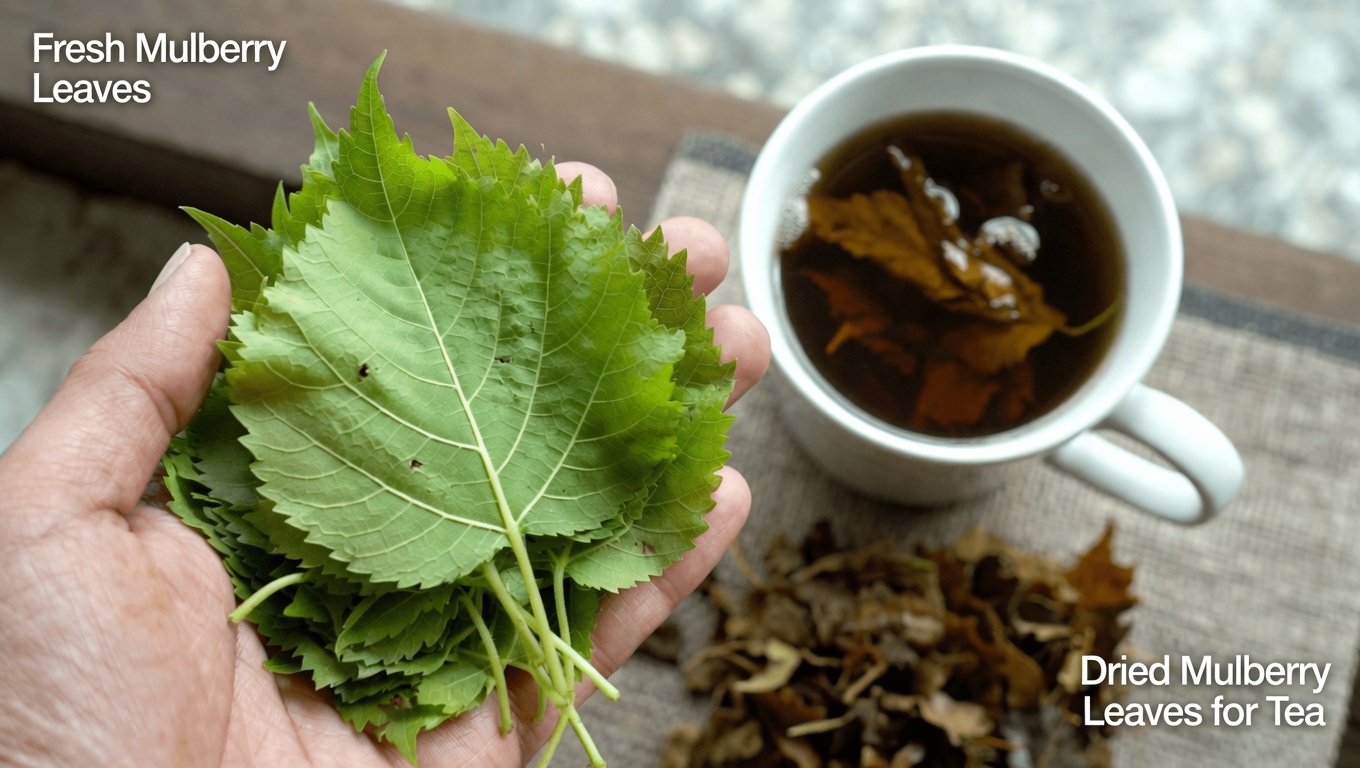
One traditional option attracting modern attention is mulberry leaf tea. Mulberry leaves—especially from white mulberry (Morus alba)—contain plant compounds such as 1-deoxynojirimycin (DNJ), quercetin, and rutin. Early research suggests these substances may help support how the body processes carbohydrates and fats, although outcomes differ between studies and stronger clinical evidence is still needed.
What if a simple daily cup of mulberry leaf tea could be a supportive habit worth trying? Below is a clear look at the science, realistic expectations, and practical ways to add it to your routine.

The Quiet Metabolic Shifts Many People Notice After 50
Metabolic changes often become more common with age due to factors such as oxidative stress, altered insulin sensitivity, and lifestyle patterns that accumulate over decades. Broad cardiometabolic research discussions frequently connect these shifts to changes in:
- Daily energy levels
- Joint comfort and physical resilience
- Blood glucose and lipid trends that may creep up gradually
Because these changes can build slowly, many people don’t notice dramatic symptoms at first—just subtle shifts in labs, appetite, or stamina.
Mulberry leaves stand out in research because they contain a wide range of bioactive substances (including alkaloids, flavonoids, and polyphenols). Preclinical research and some human studies suggest these compounds may help support the body’s natural systems involved in glucose control and lipid balance—with important limitations that we’ll address throughout.
How Mulberry Leaves May Help Support Blood Sugar Balance
One of the most discussed mulberry-leaf compounds is DNJ, which may inhibit digestive enzymes such as alpha-glucosidase in the intestine. In simple terms, this can slow the breakdown of carbohydrates, potentially reducing the size of post-meal blood sugar spikes.
A placebo-controlled study published in 2017 reported that mulberry leaf extract helped reduce post-meal blood glucose and insulin surges after a starchy meal. Other studies in people with impaired glucose handling have reported improved postprandial (after-meal) control over several weeks.
That said, results in humans are often modest, particularly for fasting glucose or HbA1c, and mulberry tea should not be viewed as a replacement for prescribed treatment. It is more reasonably framed as a supportive habit for people already monitoring their metabolic health.
Key takeaways commonly discussed in the literature include:
- DNJ’s potential role: may help delay carbohydrate absorption
- Supporting flavonoids (e.g., quercetin): known for antioxidant activity that may indirectly support metabolic processes
Potential Support for Cholesterol and Lipid Markers
Mulberry leaves contain compounds (including quercetin and other polyphenols) and naturally occurring components that may interact with lipid metabolism. Proposed mechanisms in research include effects related to:
- Binding to bile acids (which can influence cholesterol handling)
- Supporting signaling pathways involved in lipid balance (seen in animal and lab studies)
Small human trials and research reviews have reported improvements such as reductions in:
- Total cholesterol
- LDL cholesterol
- Triglycerides
- Sometimes increases in HDL cholesterol
Some analyses of randomized trials suggest that regular mulberry intake may positively influence cardiometabolic markers, though study designs, doses, and product forms vary.
A practical comparison many people consider:
- Conventional approaches: often involve prescribed medications that can be highly effective but may come with side effects for some individuals (for example, muscle discomfort with certain lipid-lowering drugs)
- Mulberry leaf tea: a natural source of polyphenols; short-term studies commonly report supportive lipid changes with no serious adverse events reported in those settings
Blood Pressure and Vascular Comfort: What Research Suggests
Mulberry leaves also contain compounds such as rutin and GABA, which are studied for potential roles in:
- Supporting blood vessel relaxation
- Providing antioxidant protection for vascular tissue
Preclinical findings point to possibilities such as ACE-related effects or influences on calcium signaling in blood vessels. Human data is limited, but broader cardiometabolic reviews often mention mulberry as a plant of interest for healthy blood pressure maintenance, especially when paired with core lifestyle practices (diet, movement, sleep, and stress management).
Weight Management and Everyday Inflammation Support
In obesity and metabolic syndrome models, mulberry extracts have been explored for potential effects like:
- Reducing carbohydrate absorption (often attributed to DNJ)
- Supporting fat metabolism regulation (notably in animal studies)
Human evidence is still developing, but early findings suggest mulberry may provide modest support when combined with a sensible dietary pattern.
Mulberry’s antioxidant compounds—especially quercetin and rutin—are also studied for potential anti-inflammatory activity. Research often focuses on their relationship with:
- Oxidative stress control
- Inflammatory signaling pathways (such as cytokine activity)
These are not “quick fixes,” but they help explain why some people report better day-to-day comfort as part of a consistent routine.
How to Make Mulberry Leaf Tea (Simple Daily Routine)
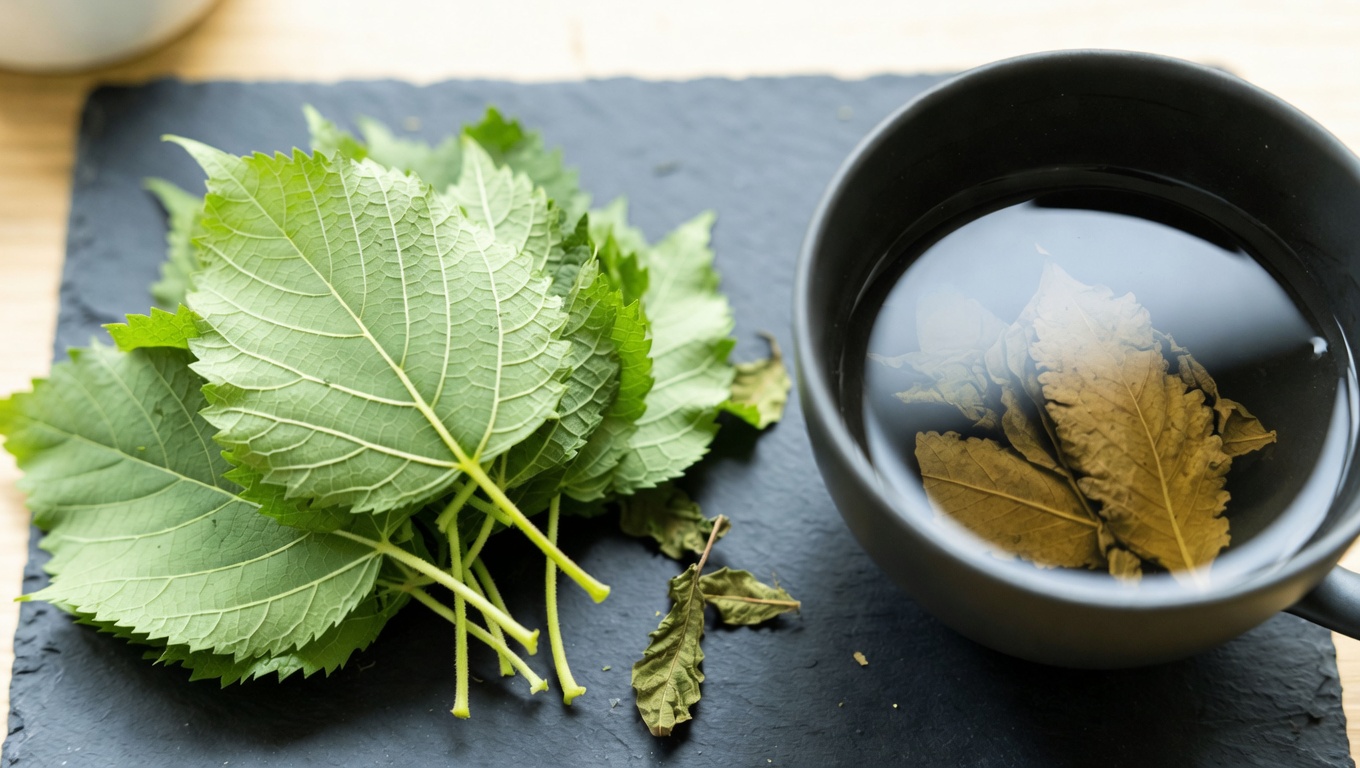
If you want to try mulberry leaf tea, a straightforward approach is often easiest:
- Use 4–6 fresh or dried white mulberry leaves (Morus alba) from a trusted source.
- Rinse gently (especially for fresh leaves).
- Steep in hot (not boiling) water for 5–10 minutes.
- Drink 1–2 cups per day, commonly in the morning or after meals.
- Optional: add lemon or ginger for taste and additional plant compounds.
A practical tip: start with one cup daily and pay attention to how you feel. Some people prefer fresh leaves, as certain compounds may be more abundant depending on processing and storage, but quality dried leaves can also be effective and convenient.
Combinations People Commonly Explore
If you want variety, these pairings are often used:
- Mulberry + lemon: vitamin C may support flavonoid availability
- Evening tea approach: combine with calming, caffeine-free herbs (as tolerated)
- Mulberry + ginger: adds warmth and flavor; commonly used for digestion support
- Mulberry + green tea: catechins may complement antioxidant intake
In research settings, benefits—when seen—typically appear with consistent daily use over weeks to months, not from occasional cups.
A Realistic Timeline: What You Might Notice
While responses vary, a reasonable expectation framework looks like this:
- Days 1–7: subtle changes (for example, post-meal comfort or steadier energy)
- Weeks 2–4: potential support for measurable markers (only confirm with appropriate testing)
- After 1 month: studies that show benefits often reflect cumulative effects over longer use
If you track anything (glucose readings, blood pressure, lipids), do it carefully and share results with a qualified clinician—especially if you’re already using medication.
Bottom Line: A Gentle, Traditional Addition to a Wellness Plan
Mulberry leaf tea is a traditional beverage with modern interest due to compounds like DNJ, quercetin, and rutin. Research is promising for supportive roles in blood sugar balance, lipid profiles, blood pressure maintenance, weight management support, and inflammation control, but it is not a cure and should not replace medical treatment.
Used thoughtfully, it can be a simple daily habit within a broader health routine built on nutrition, movement, sleep, and professional guidance.
FAQ
How much mulberry leaf tea should I drink per day?
In many studies, the intake is roughly equivalent to 1–3 cups daily (often based on about 3–12 g of dried leaves). A cautious approach is to start with 1 cup/day, then adjust based on tolerance and your clinician’s guidance.
Is mulberry leaf tea safe for everyone?
It is often well tolerated in short-term use, but some people may experience mild digestive discomfort such as bloating. Speak with a healthcare professional if you:
- Take medications for diabetes or blood pressure
- Are pregnant or breastfeeding
- Have ongoing medical conditions requiring monitoring
Where can I buy high-quality mulberry leaves?
Choose organic white mulberry (Morus alba) from reputable tea or herbal suppliers. Avoid products with unclear sourcing, contaminants, or unreliable labeling.
Disclaimer
This article is for informational purposes only and does not provide medical advice. Mulberry leaf tea may support general wellness, but individual responses vary. Consult your healthcare provider before adding new herbs—especially if you have medical conditions or take medications—and monitor changes in blood sugar or other health markers closely.